
A wildlife expert explains why repeat visits happen and what they reveal about food, shelter, and learned behavior.
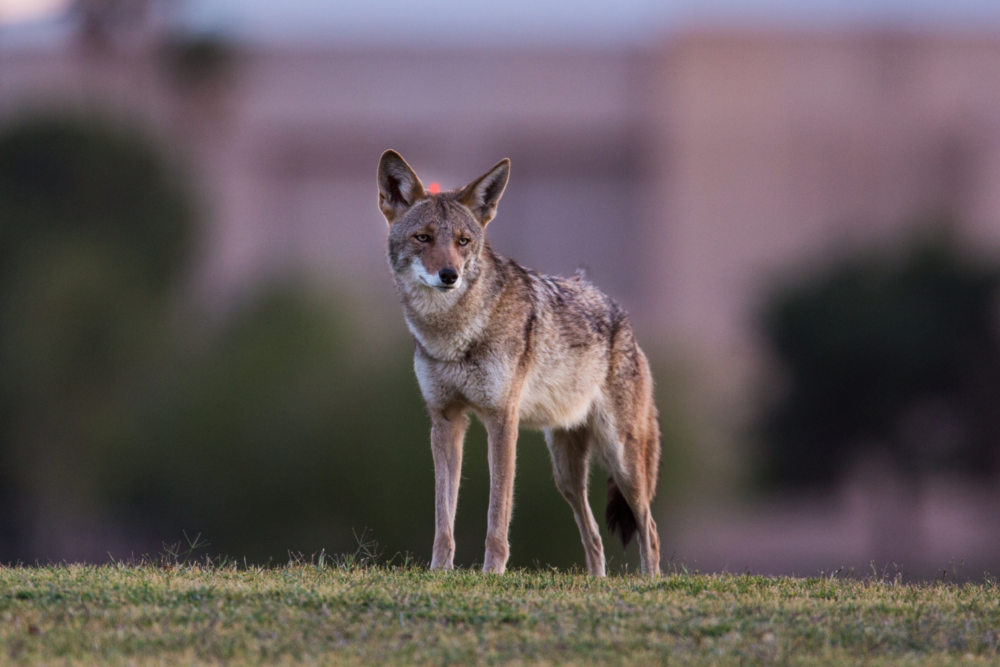
Seeing a coyote once can feel unsettling. Seeing the same coyote over and over can feel alarming, especially when it starts to feel familiar with your yard.
But wildlife experts say repeat visits usually aren’t random or aggressive. Coyotes are highly observant animals that return only when something meets a specific need.
Understanding what’s drawing a coyote back can help you respond calmly and correctly. In many cases, the behavior is a signal—not a threat—and knowing how to read it can prevent bigger problems later.
1. It has found an easy food source
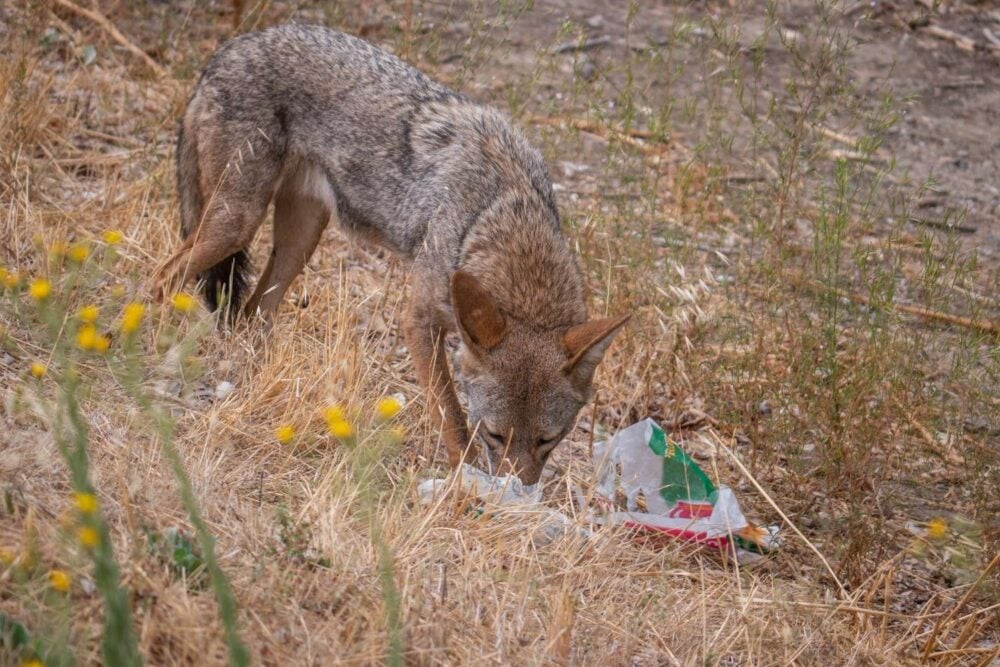
When a coyote keeps returning to the same area, food is often the reason. This doesn’t mean you’re intentionally feeding it. Pet food left outside, fallen fruit, uncovered trash, bird feeders, or rodents attracted to landscaping can all count as reliable meals.
Coyotes are opportunistic and efficient. If they find food once, they remember exactly where it was and will check again. Even small, overlooked sources can be enough to make your yard part of their regular route.
2. Your yard feels safe and predictable
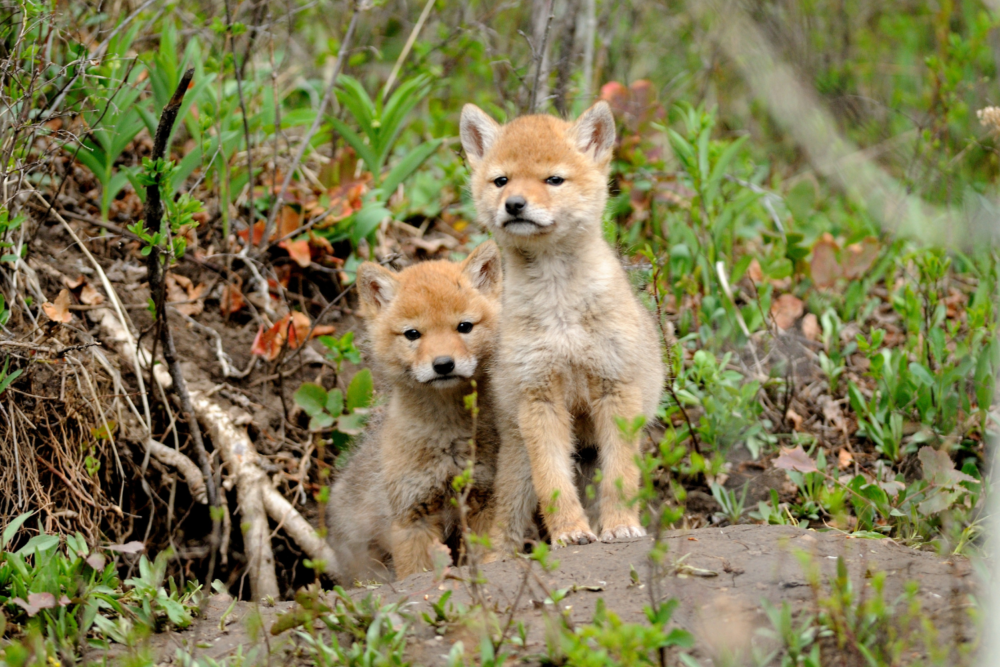
Coyotes look for places where they don’t feel pressured or threatened. A quiet yard with limited human activity, dense shrubs, or fencing gaps can feel like a safe resting or travel area.
They are especially drawn to spaces with clear sightlines and escape routes. If a coyote can move through your yard without being challenged, it may see the area as low-risk and worth revisiting.
3. It’s following a routine, not stalking
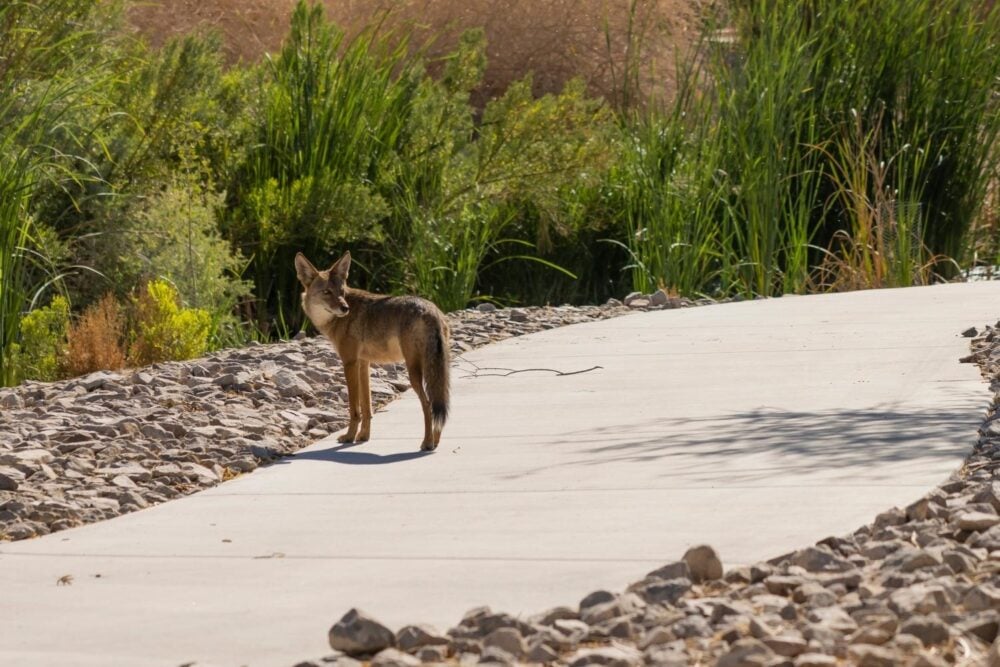
Coyotes are creatures of habit. They often follow the same paths at the same times, especially when food or shelter is involved.
Seeing a coyote repeatedly doesn’t mean it’s watching you personally. It usually means your property sits along a travel corridor the animal uses daily. These routines can look intentional, but they’re often just efficient patterns.
4. Seasonal changes are driving the behavior
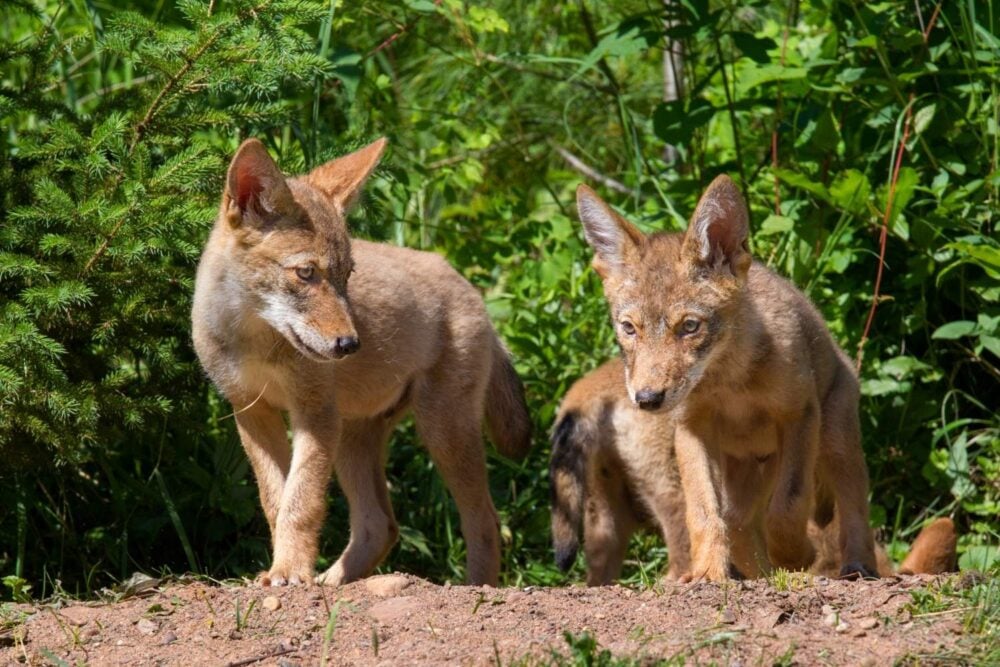
Coyote behavior shifts with the seasons. In spring and early summer, adults are feeding pups and need more reliable food sources. In fall, young coyotes begin dispersing and exploring new territory.
These seasonal pressures can increase sightings around homes. What feels like a sudden problem may actually be a temporary phase tied to breeding, feeding, or movement cycles.
5. The coyote is becoming comfortable around people
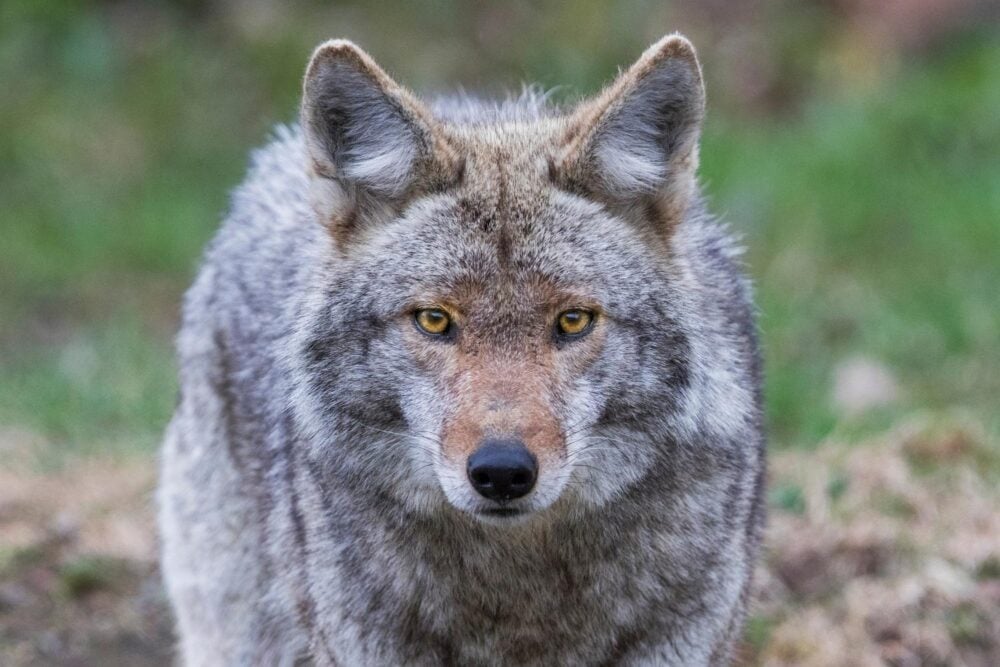
If a coyote doesn’t run away when it sees you, that’s an important signal. It doesn’t automatically mean aggression, but it can indicate growing tolerance of humans.
This comfort usually develops when coyotes aren’t consistently discouraged. Without negative reinforcement, they may stop viewing people as a reason to leave, which increases the chance of closer encounters over time.
6. Pets in the area are attracting attention

Coyotes are naturally drawn to the presence of other animals. Small dogs, outdoor cats, chickens, or rabbits can spark curiosity or hunting instincts.
Even if pets are secured, their scent alone can draw a coyote back. That doesn’t mean an attack is imminent, but it does mean extra precautions are important to avoid escalation.
7. Nearby construction or habitat loss pushed it closer

When natural habitat is disrupted by construction, roadwork, or development, coyotes often shift into residential areas.
If sightings increased suddenly, it may be because familiar denning or hunting grounds were disturbed. Coyotes adapt quickly, and neighborhoods can become temporary substitutes for lost space.
8. The coyote is testing boundaries
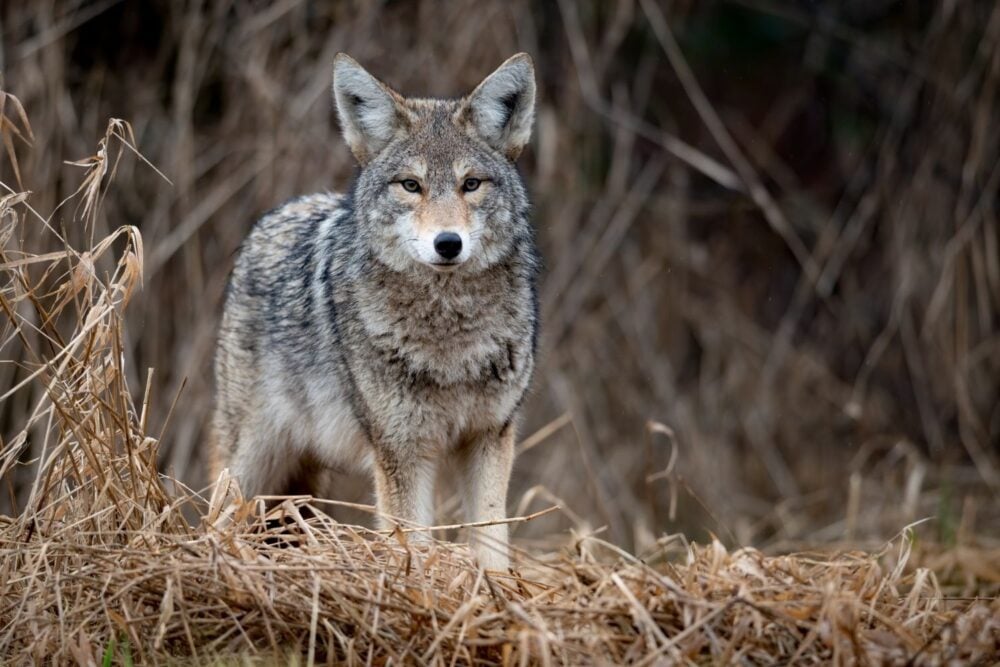
Coyotes regularly test how close they can get to humans without consequences. This is normal animal behavior, not a sign of aggression.
If no one responds, the animal learns it can move closer. Clear, consistent boundary-setting—like making noise or appearing larger—helps reinforce that yards are not neutral spaces.
9. Leaving once doesn’t mean it’s gone
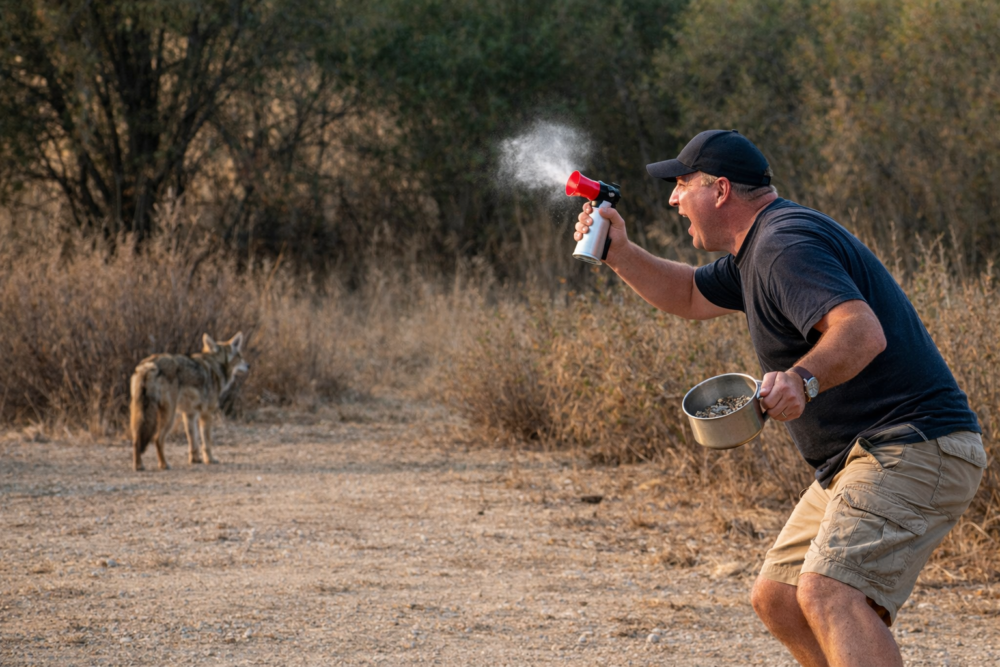
Many people assume that chasing a coyote away once solves the problem. In reality, one encounter rarely changes long-term behavior.
Coyotes return to places that meet their needs. Lasting change usually requires removing attractants and responding consistently, not just once or twice.
10. Repeated visits don’t automatically mean danger

Most coyotes are cautious and avoid direct conflict. Repeated sightings are more about resources than aggression.
True warning signs include growling, snapping, or approaching people directly. Without those behaviors, the situation is usually manageable with simple, proactive steps.
11. What experts say to do next

Experts recommend focusing on prevention rather than fear. Secure food sources, supervise pets, trim dense vegetation, and respond confidently if you encounter a coyote.
The goal isn’t to eliminate coyotes but to teach them your yard isn’t worth returning to. When they stop finding food, comfort, or tolerance, they usually move on—quietly and on their own.