
Structural failures happen fast — experts say survival depends on what you do in the first five seconds.
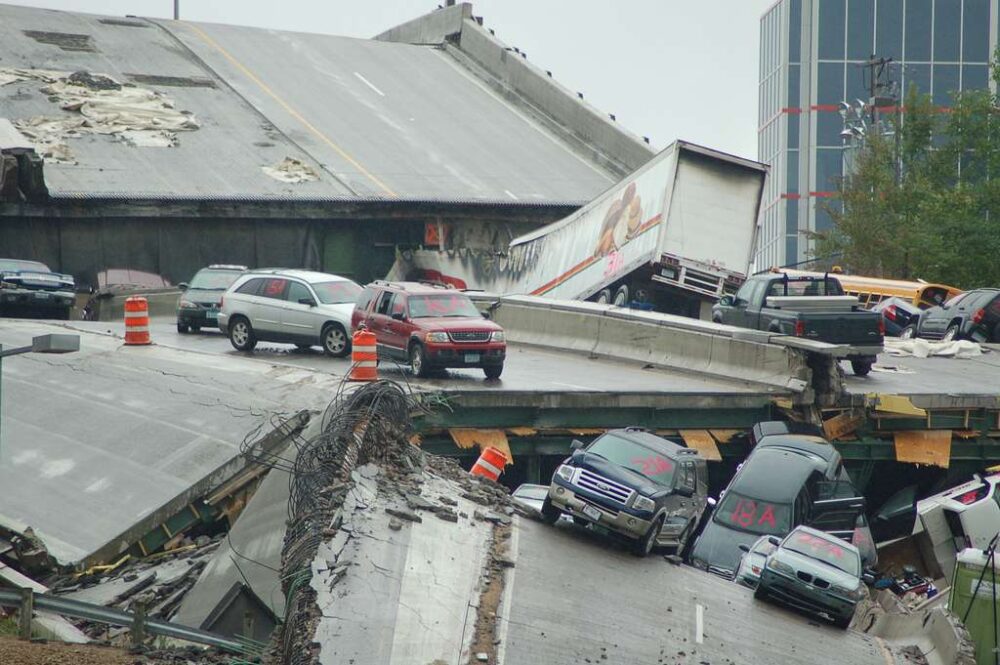
It’s a nightmare few drivers ever imagine — the ground beneath your car begins to shake, crack, and drop away as the bridge collapses. Engineers say that when a structure fails, it happens in seconds, not minutes, leaving no time for panic or hesitation. Knowing what to do in those first moments could mean the difference between life and death. Whether you’re crossing an aging highway span or a brand-new overpass, experts warn that survival depends on staying calm, reacting fast, and understanding how bridges fail — and how to get out alive.
1. How Bridges Fail in Seconds
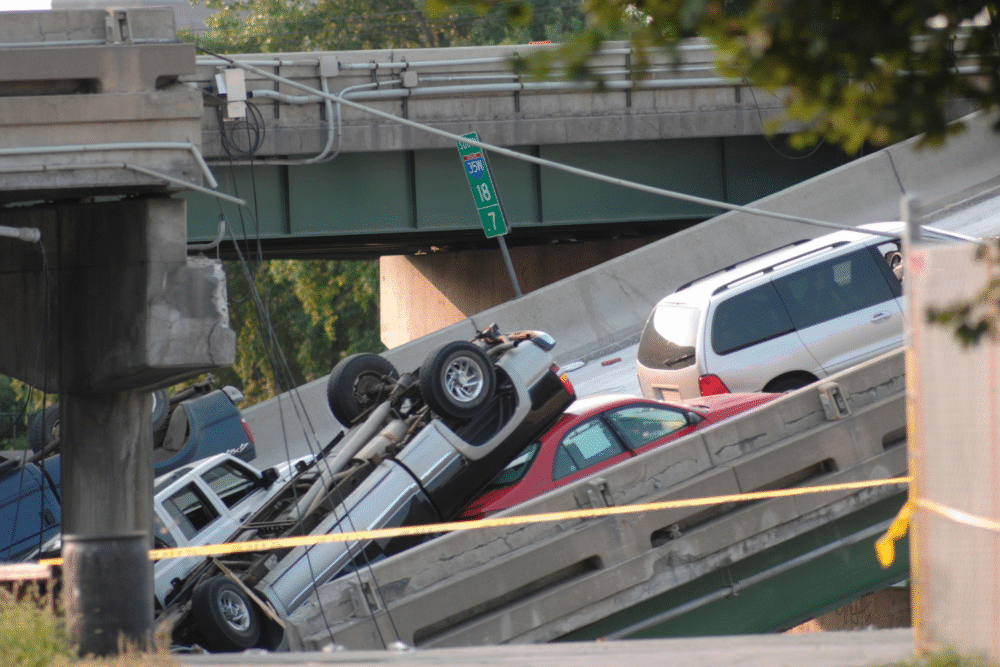
When a bridge collapses, it rarely happens slowly. Structural engineers say the process unfolds in just seconds once the stress limit is reached. A small fracture or support failure can set off a chain reaction, sending thousands of tons of steel and concrete downward almost instantly.
Drivers usually feel it first as a jolt or sharp vibration — a sound like thunder followed by a sinking sensation. At that point, every second counts. Survival depends on instinct, awareness, and taking immediate action before the roadway gives way beneath you.
2. Recognizing the Warning Signs

Most collapses come without warning, but there are a few subtle signs drivers might notice just before disaster. Strange vibrations, cracking noises, or visible movement in the structure can all mean a critical failure is starting. If traffic suddenly halts or other drivers panic, treat it as an emergency.
The safest response is to stay alert, reduce speed, and avoid braking hard unless absolutely necessary. Sharp stops can stress the structure further. If you’re near the edge of the bridge, moving forward off it — if still possible — may give you the best chance to escape.
3. Why Speed and Position Matter

Where you are on the bridge at the moment of failure can determine survival odds. Studies of past collapses show that drivers near the entry or exit points are most likely to survive, while those in the middle face the highest risk.
Maintaining a safe distance from heavy trucks and large vehicles also helps. Their added weight can worsen instability and block escape routes. If you feel sudden movement beneath you, speed may help only if the path ahead remains intact — otherwise, stopping and bracing is safer.
4. When to Stay in the Vehicle — and When to Get Out

The instinct to jump from a moving car can be deadly. In many cases, remaining inside offers more protection from falling debris and impact forces. However, if your vehicle teeters on a tilted section or begins sliding toward a break, it’s time to act.
If you can safely open the door or window, unbuckle your seatbelt and climb out toward stable ground. Avoid running directly under suspended sections or cables. The goal is to reach solid, unmoving support as quickly as possible without exposing yourself to further collapse.
5. How to Survive the Initial Drop
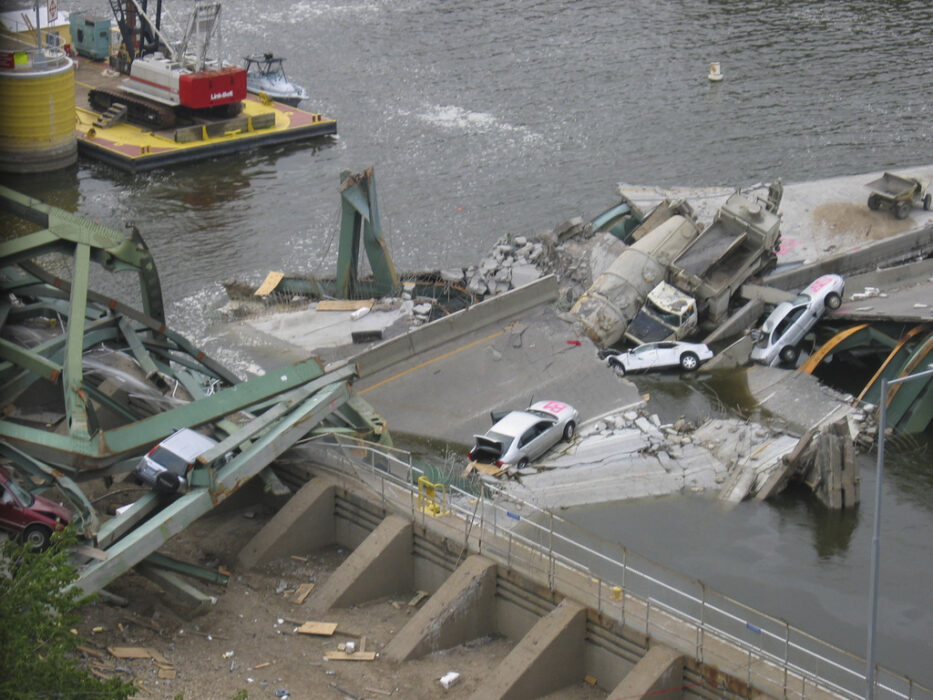
If the section beneath you gives way completely, brace yourself immediately. Experts recommend keeping both hands on the steering wheel, chin tucked, and back pressed against the seat. This position helps prevent whiplash and reduces the risk of head injuries on impact.
If the fall ends in water, the rules change instantly. As the car hits, unbuckle your seat belt and open or break the window before the cabin fills. Once submerged, it will be almost impossible to open doors. The key is to act before full submersion.
6. What to Do If the Bridge Collapses Into Water
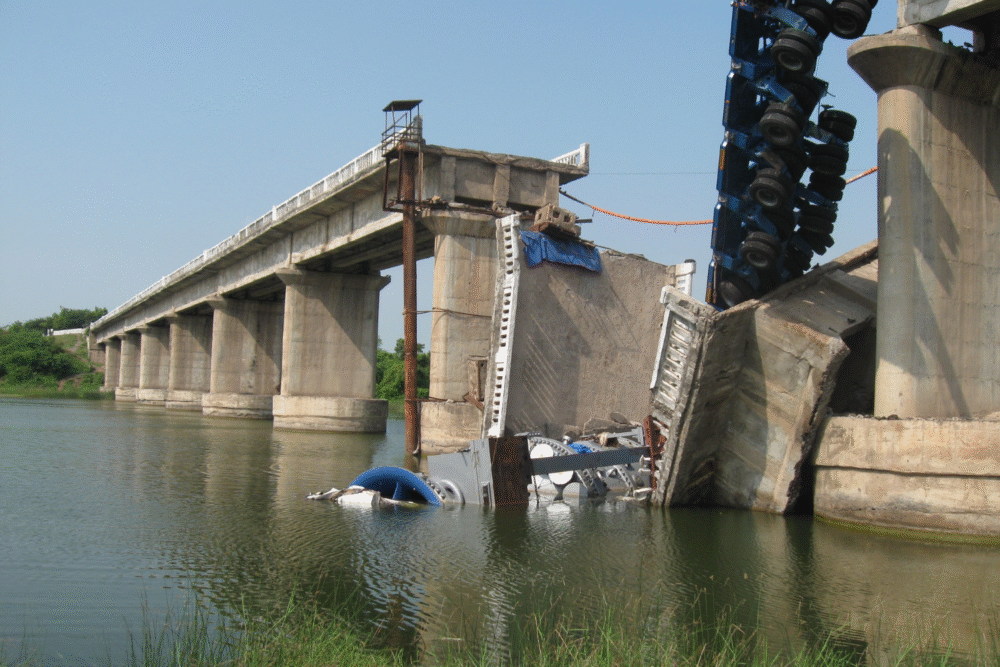
Bridges over rivers or bays carry the added danger of drowning. When a car plunges into water, panic often takes over — but survival requires calm, immediate action. As soon as you hit the surface, take a breath, unbuckle your seatbelt, and roll down or break the side window.
Do not waste time trying to open doors. Water pressure builds too fast. Once you’re out, swim upward at an angle toward light or bubbles. If others are with you, help them only after you’ve escaped the car — otherwise, you both risk being trapped.
7. Escaping When You’re Trapped Under Debris

If you’re pinned inside a vehicle or trapped under collapsed concrete, the key is to conserve energy and create an air pocket. Avoid shouting unless rescuers are nearby — sound travels poorly through rubble. Instead, tap rhythmically on hard surfaces to signal your location.
If dust or smoke fills the air, cover your nose and mouth with fabric to prevent suffocation. Stay still to avoid further collapse and wait for vibrations or voices before calling out. Rescue teams are trained to listen for faint sounds; patience can save your life.
8. How Emergency Crews Respond
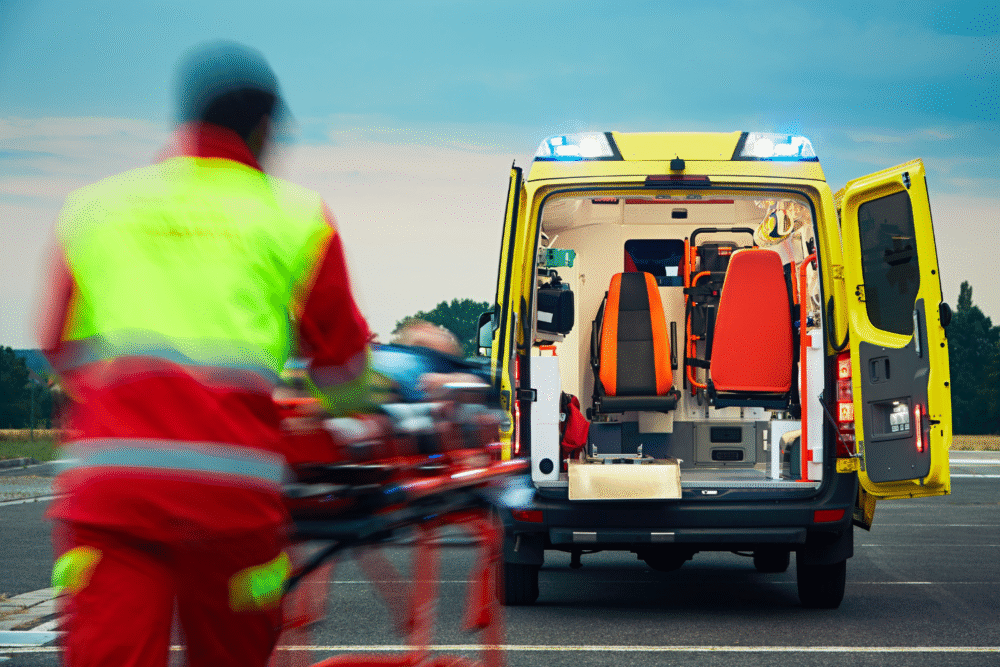
After a major bridge collapse, chaos unfolds fast. Emergency teams use drones, sonar, and heat sensors to locate survivors, often working in dangerous, unstable conditions. Their first priority is rescuing anyone trapped on hanging sections or submerged vehicles.
Staying visible and signaling your location greatly increases your chances of being found. Flashing a phone light, waving clothing, or using reflective surfaces can guide rescuers to you. Never re-enter damaged areas to look for others unless instructed — it risks triggering secondary collapses that could endanger everyone.
9. The Importance of Seat Belts and Windows

Seat belts save lives even in bridge collapses. They prevent you from striking the dashboard or roof during sudden drops and impacts. But once the vehicle has come to rest, your next move is to release it quickly and find an exit.
Windows are your fastest way out, especially if doors are jammed or crushed. Keeping a small window-breaking tool in your car — within arm’s reach — is a proven lifesaver. A single strike near the corner of a side window can create the opening you need to escape.
10. Why Infrastructure Failures Are Rising

Experts warn that aging bridges, extreme weather, and deferred maintenance are combining to increase collapse risks worldwide. In the U.S. alone, more than 45,000 bridges are rated as “structurally deficient.” Heavy traffic, corrosion, and shifting foundations all accelerate decay.
As climate extremes intensify, sudden floods, earthquakes, and temperature swings add new stress to old designs. While full collapses remain rare, engineers say vigilance is crucial — especially for drivers crossing older spans after storms or in freezing conditions that weaken critical supports.
11. How to Stay Mentally Ready for the Unthinkable

Survival often comes down to mindset. In every major disaster, the people who live are those who act instead of freeze. Visualizing what you’d do in a bridge collapse helps train your brain to respond faster under stress.
Keep the sequence simple: unbuckle, assess, and move toward stability. Panic wastes time and energy when every second counts. Understanding that bridges can fail suddenly — but that survival is possible — turns fear into readiness. The goal isn’t to live in fear, but to be prepared when seconds decide everything.