
How to protect your property while staying legal and humane.

Seeing a beaver in your yard can feel surprising at first, then stressful very quickly. What starts as a fallen tree or soggy patch of grass can turn into flooding, chewed landscaping, and blocked drainage in a matter of days.
Beavers aren’t being destructive out of spite. They’re doing exactly what evolution designed them to do: slow water, build shelter, and create ponds. Unfortunately, those instincts don’t mix well with lawns, culverts, or backyard streams.
The key is responding early and calmly. There are effective ways to reduce damage, protect your property, and stay on the right side of wildlife laws without making the situation worse.
1. First, confirm it’s actually a beaver
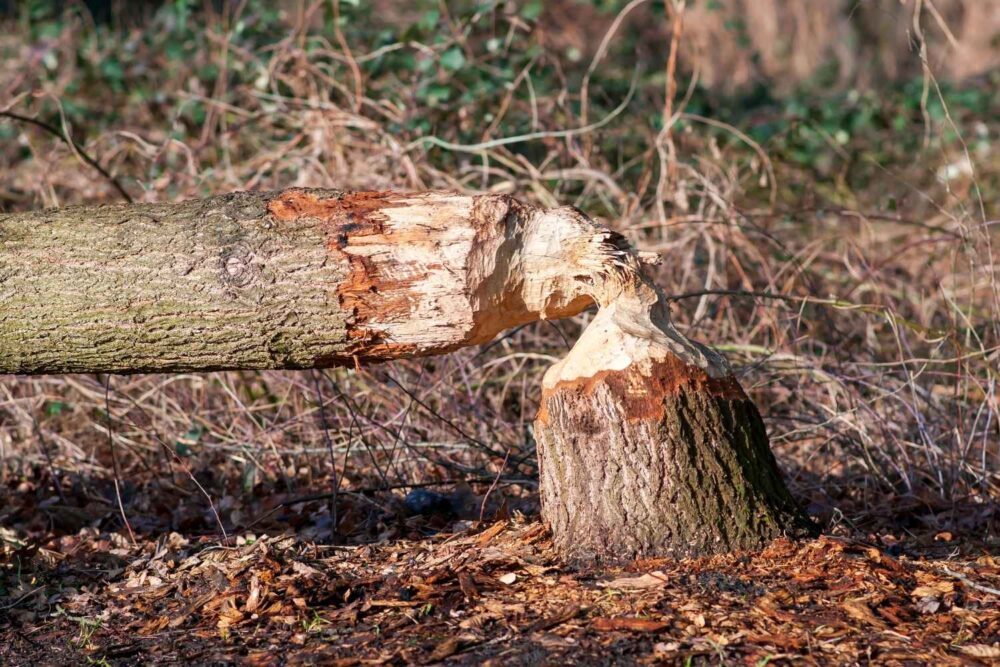
Before taking action, make sure you’re dealing with a beaver and not another animal. Beavers leave clear signs: large, pencil-shaped gnaw marks on tree trunks, cut branches near water, and rising water levels upstream.
They’re most active at dusk and overnight, so you may never see the animal itself. Correct identification matters, because solutions for muskrats or groundhogs are different and using the wrong approach can waste time.
2. Understand why your yard is attractive

Beavers are drawn to slow-moving water, soft banks, and easy access to trees. A drainage ditch, pond edge, or small stream can look like a perfect construction site.
If your yard has young trees, ornamental shrubs, or a narrow culvert, it may offer everything a beaver needs. Understanding what’s attracting them helps you target the right fixes instead of reacting blindly.
3. Don’t try to remove the beaver yourself

In many states, beavers are protected wildlife, and harming or relocating them without permits can be illegal. Even where removal is allowed, it often backfires.
Removing one beaver rarely solves the problem. Another often moves in to take advantage of the same habitat. That’s why most wildlife experts focus on managing the environment, not the animal.
4. Protect trees before they’re lost
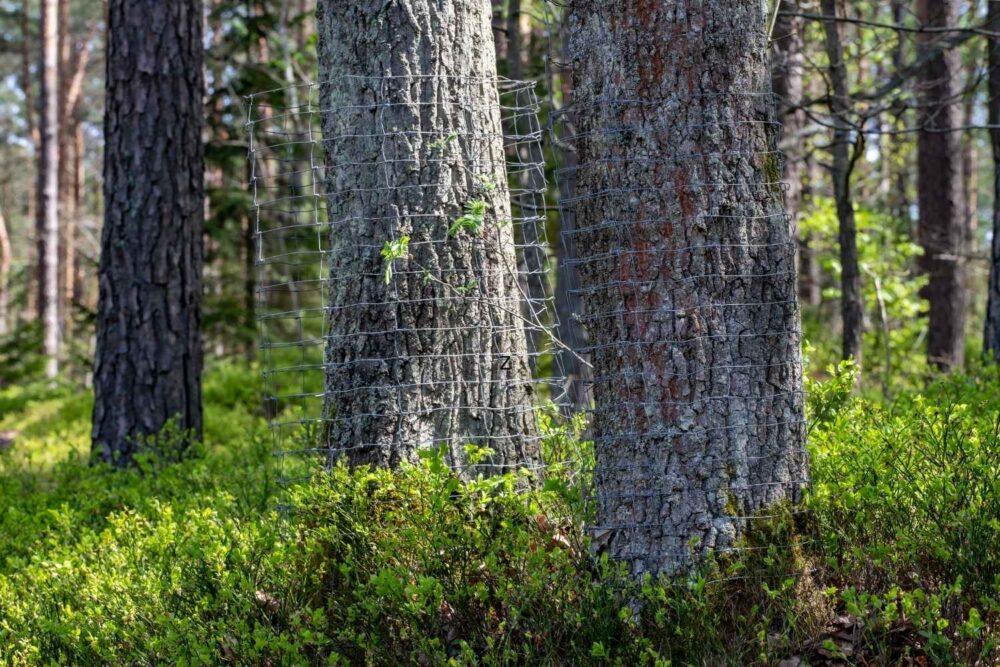
One of the fastest, most effective steps is tree protection. Wrapping trunks with heavy-gauge wire fencing prevents chewing.
The fencing should stand a few inches away from the bark and extend at least three feet high. This doesn’t harm the tree or the beaver, and it immediately removes one of the biggest incentives for staying.
5. Manage water instead of fighting it
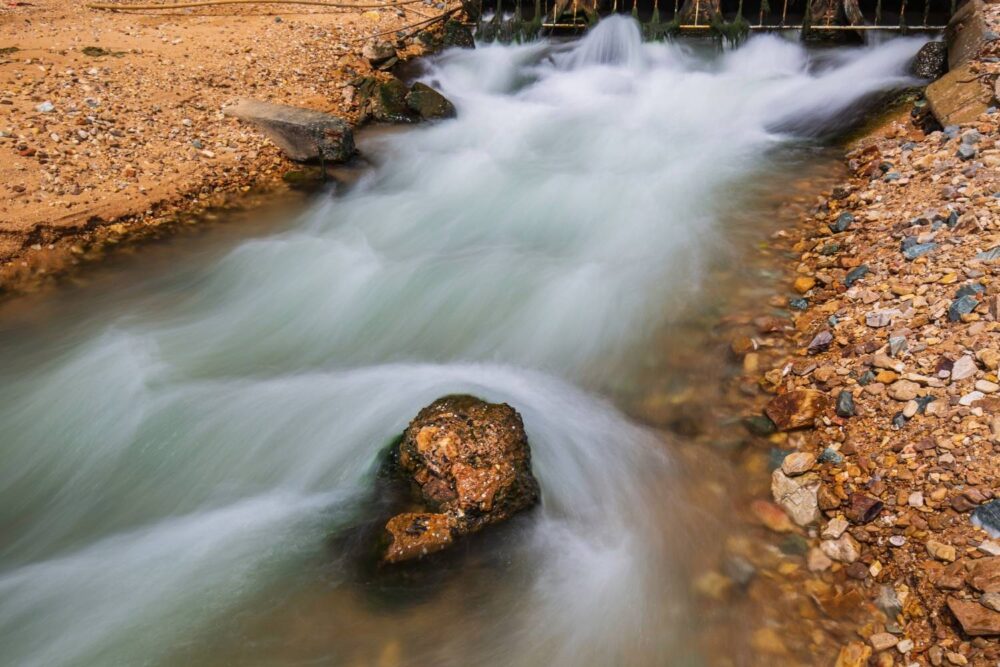
Beavers respond to the sound and movement of flowing water. If water rushes through a culvert or pipe, they’ll try to block it.
Devices called flow-control systems or “beaver bafflers” allow water to pass quietly while preventing blockage. They’re widely used by municipalities because they solve flooding problems without triggering the beaver’s instinct to rebuild.
6. Lower water levels gradually, not suddenly

Draining a pond or removing a dam abruptly can make things worse. Beavers respond by rebuilding bigger and faster.
Gradual water-level control reduces the urgency for the beaver to act. When the environment feels stable, they’re less likely to invest energy in constant repairs.
7. Use fencing to guide, not trap
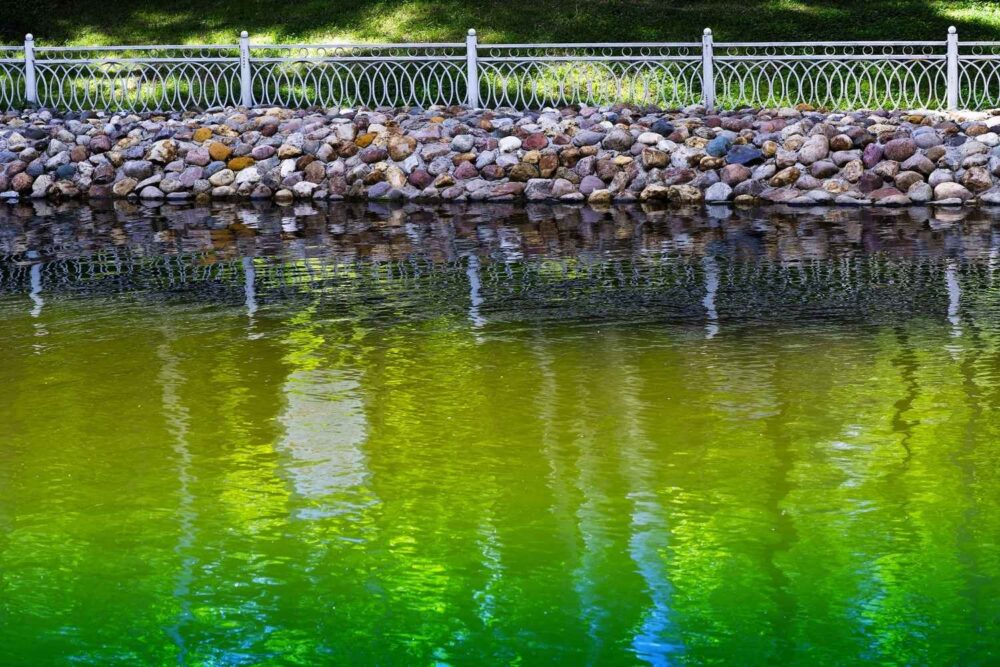
Strategic fencing can protect specific areas like culverts, drains, or vulnerable banks. The goal is to guide beaver behavior, not trap or injure them.
Well-designed fencing creates a physical boundary that keeps infrastructure clear while allowing the beaver to remain elsewhere in the habitat without conflict.
8. Avoid repellents and scare tactics
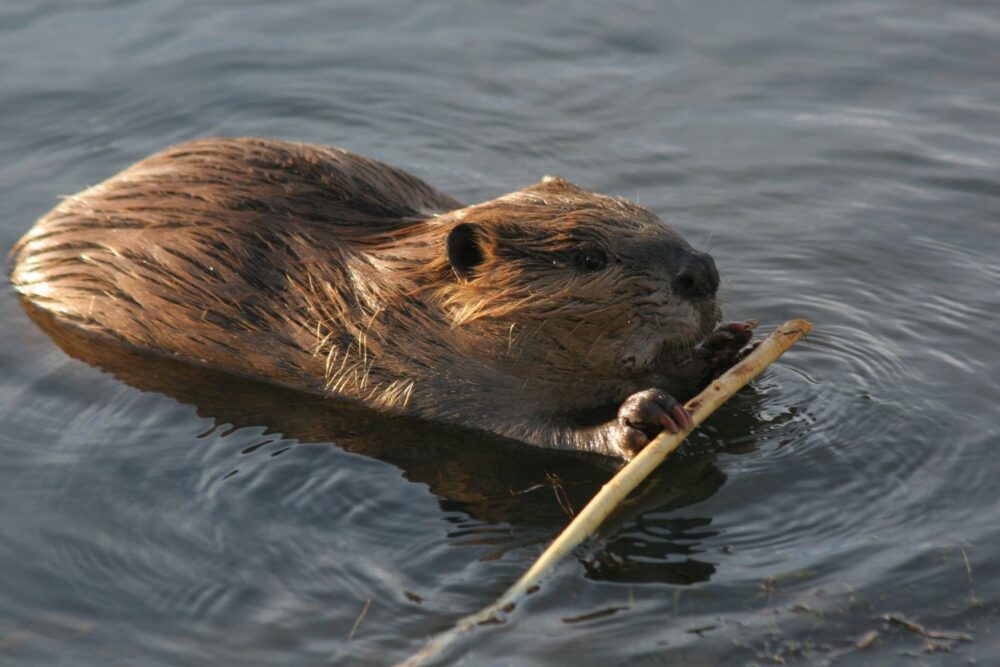
Commercial repellents, noise devices, and motion lights rarely work on beavers. They may pause briefly, then return once the novelty wears off.
Beavers are persistent and smart. Solutions that rely on annoyance usually fail, while structural fixes that change water flow tend to last.
9. Know when to call local experts

If flooding threatens a home, road, or septic system, it’s time to involve professionals. Many states have wildlife agencies or licensed specialists experienced in humane beaver management.
They can assess the site, install proper flow devices, and ensure everything complies with local regulations, saving time and potential fines.
10. Act early before damage escalates
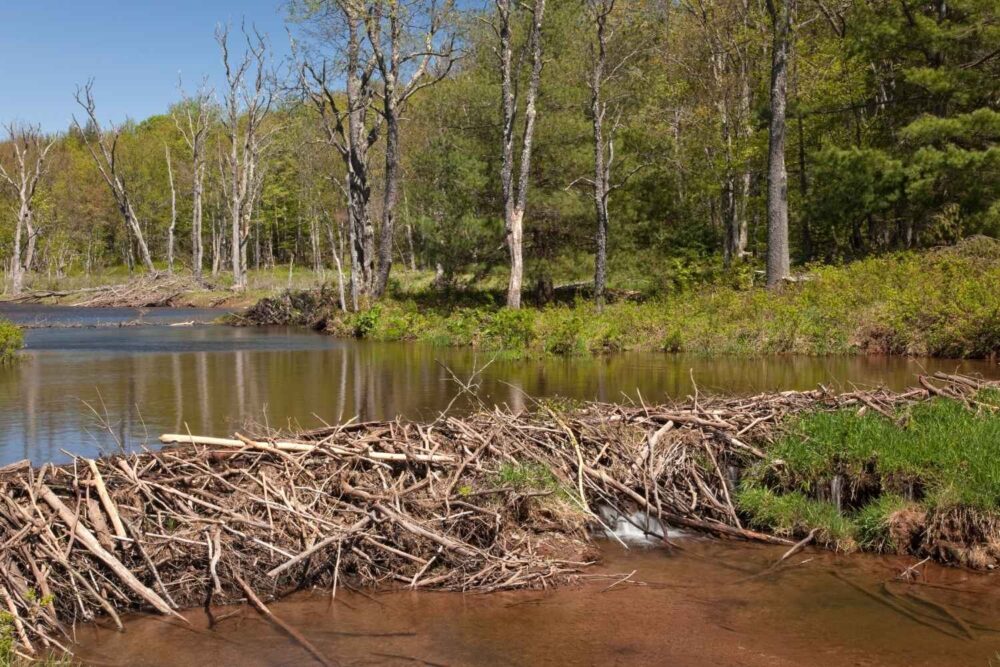
Beaver damage compounds quickly. A small dam today can mean a flooded yard next week.
Early action is cheaper, easier, and more effective than emergency fixes. The sooner you protect trees and manage water flow, the less likely the situation spirals.
11. Remember that coexistence usually works best
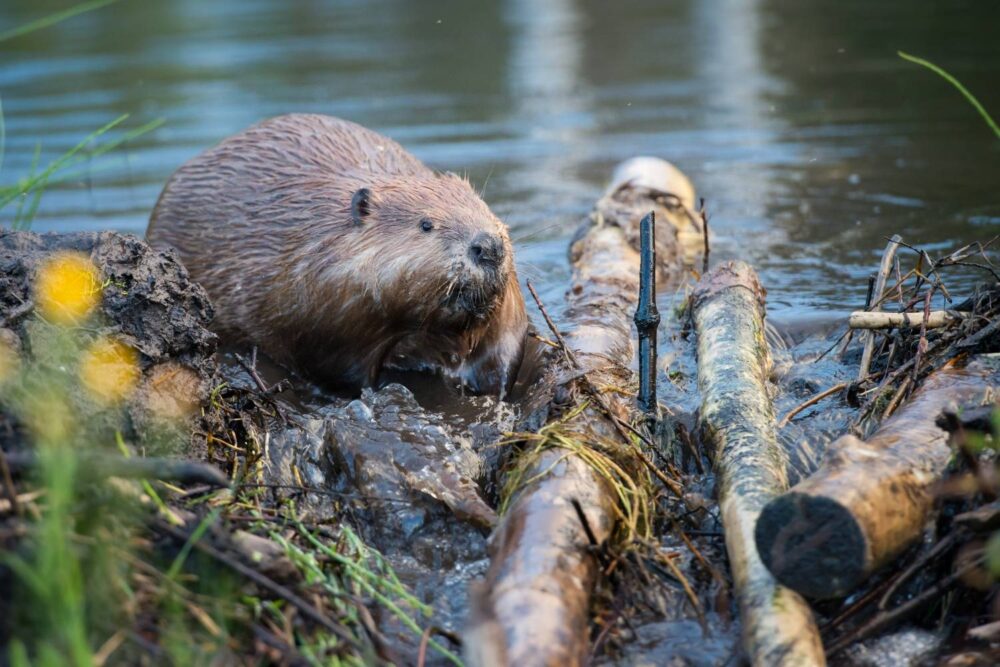
Beavers play an important role in ecosystems by improving water quality and creating habitat for other species. The goal isn’t elimination, but balance.
When you address the specific problems instead of the animal, most beaver conflicts settle into a manageable coexistence. Your yard stays intact, and the beaver moves on with its work somewhere less disruptive.