
Learn the warning signs and deceptive marketing tactics companies use to make products seem eco-friendly when they’re not.

Walk down any grocery store aisle and you’ll be bombarded with products claiming to be “natural,” “eco-friendly,” and “sustainable.” Green leaves on packaging, earthy colors, and promises to save the planet — it all looks so convincing. But here’s the problem: most of it is complete nonsense designed to trick you into paying more for products that aren’t actually better for the environment. This deceptive practice is called greenwashing, and companies spend billions perfecting it.
Environmental marketing expert Dr. Catherine Tucker from MIT Sloan School of Management estimates that over 95% of products marketed as “green” fail to meet basic environmental standards. Learning to spot these tricks isn’t just about saving money — it’s about making choices that actually help the planet instead of just making you feel good about your purchases.
1. Watch out for vague buzzwords like “natural” and “eco-friendly” that have no legal meaning.
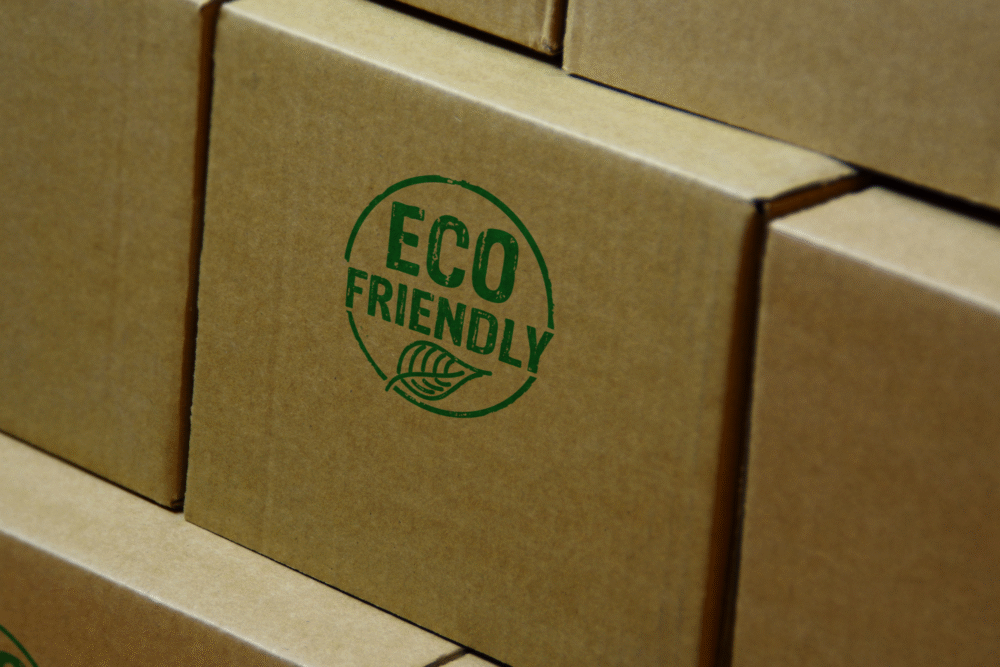
Companies love using feel-good words that sound environmentally responsible but actually mean absolutely nothing. Terms like “natural,” “eco-friendly,” “green,” and “earth-safe” aren’t regulated by any government agency, so companies can slap them on literally any product they want. A cleaning product full of toxic chemicals can legally be called “natural” as long as it contains one plant-derived ingredient.
The same goes for “eco-friendly” — there’s no standard that defines what this actually means. When you see these vague terms without specific certifications or explanations, you’re probably looking at greenwashing.
2. Be suspicious of packaging covered in green leaves, nature imagery, and earth tones.

This is the most obvious greenwashing trick, but it works so well that companies keep using it. Products get wrapped in green packaging with pictures of forests, mountains, or happy animals to create an environmental association that has nothing to do with the actual product inside.
Cleaning products show pristine lakes, food packaging features rolling hills, and beauty products display lush rainforests. The psychological impact is powerful — your brain automatically associates these images with environmental responsibility. But packaging design has zero correlation with environmental impact, so don’t let pretty pictures fool you into thinking a product is green.
3. Look for specific third-party certifications instead of company-created environmental claims.

Real environmental credentials come from independent organizations that actually test products and verify claims. Look for certifications like Energy Star, USDA Organic, Forest Stewardship Council (FSC), or Cradle to Cradle instead of made-up badges that companies create themselves. These legitimate certifications have strict standards and regular audits to ensure products actually meet environmental criteria.
If a product only displays vague company-created symbols or claims like “environmentally responsible” without backing from recognized certification bodies, it’s likely greenwashing. Legitimate green products are proud to display their third-party certifications prominently.
4. Check if the company’s overall business practices contradict their green product claims.

Some of the worst greenwashing happens when companies that cause massive environmental damage try to distract you with a few token green products. Oil companies promoting renewable energy while drilling in pristine wilderness areas, fast fashion brands launching “sustainable” clothing lines while producing millions of disposable garments, or chemical companies marketing “natural” products while polluting waterways.
Research the company behind the product — if their core business model is environmentally destructive, their green products are probably just marketing distractions rather than genuine environmental commitments.
5. Question products that emphasize what they don’t contain rather than what they do.

“Phosphate-free,” “CFC-free,” or “non-toxic” claims often highlight the absence of substances that are already banned or that the product never contained in the first place. This is like advertising that your orange juice is “cholesterol-free” — oranges never contain cholesterol, so the claim is meaningless but sounds health-conscious.
Companies use this trick to make products sound environmentally responsible without actually improving their environmental impact. Focus on what a product actively does to help the environment rather than what harmful substances it claims to avoid.
6. Be wary of products that make environmental claims about only one small aspect while ignoring bigger problems.

A product might proudly advertise recyclable packaging while the contents inside are extremely toxic to manufacture and use. Or a car company might promote fuel efficiency improvements while ignoring the massive environmental impact of mining materials for batteries.
This selective green marketing highlights minor environmental benefits while hiding major environmental costs. Look at the product’s entire lifecycle — from raw material extraction to manufacturing to disposal — rather than focusing on one isolated green feature that companies want to emphasize.
7. Watch for mathematical tricks and misleading comparisons in environmental claims.

Companies love using statistics that sound impressive but don’t actually mean much when you examine them closely. “50% more recycled content than our previous formula” could mean an increase from 2% to 3% recycled materials. “Uses 30% less energy” might only apply to one small part of the manufacturing process. “Carbon neutral shipping” often ignores the massive carbon footprint of actually making the product.
Always ask: 50% more than what? 30% less compared to when? Carbon neutral for which specific activities? These mathematical manipulations are designed to create the impression of major environmental improvements when the actual impact is minimal.
8. Research whether environmental claims are supported by transparent, verifiable data.

Legitimate green companies provide detailed information about their environmental impacts, including specific data, methodology, and independent verification. They publish sustainability reports, share supply chain information, and openly discuss both their achievements and ongoing challenges.
Greenwashing companies make bold environmental claims but provide no supporting evidence or hide behind vague statements like “independently tested” without saying who did the testing or what the results were. If a company won’t provide specific, verifiable information to back up their environmental claims, those claims are probably false.
9. Look out for “green” products that cost significantly more without clear justification.

While truly sustainable products sometimes cost more due to better materials or more responsible manufacturing processes, excessive price premiums are often a red flag for greenwashing. Some companies simply raise prices on regular products and add green marketing to justify the higher cost.
Genuine environmental improvements should come with clear explanations of why they cost more — better materials, cleaner manufacturing processes, fair labor practices, or superior durability. If a product costs substantially more but the company can’t clearly explain what environmental benefits justify the premium, you’re probably paying extra for marketing rather than genuine sustainability.
10. Be skeptical of environmental claims that seem too good to be true or solve everything.

Products that claim to be “completely sustainable,” “100% eco-friendly,” or “carbon negative” are almost certainly exaggerating. True sustainability is complex and involves trade-offs, and honest companies acknowledge these challenges rather than claiming perfection. Similarly, be suspicious of products that claim to solve multiple unrelated environmental problems simultaneously.
A cleaning product that promises to clean everything, eliminate all toxins, save water, reduce packaging waste, and fight climate change is probably making claims that can’t all be true. Genuine environmental improvements usually focus on specific, measurable benefits rather than claiming to fix everything at once.
11. Check if the company provides clear information about how to properly dispose of or recycle the product.

Companies that genuinely care about environmental impact provide detailed instructions for responsible disposal, recycling, or reuse of their products and packaging. They might offer take-back programs, partner with recycling facilities, or design products for easy disassembly. Greenwashing companies often ignore the end-of-life phase entirely or provide vague instructions like “recycle where facilities exist” without helping you find those facilities.
If a company markets environmental benefits but provides no guidance on responsible disposal, they’re probably not thinking about the product’s complete environmental impact and are likely more focused on marketing than genuine sustainability.