
For many Americans, climate change stopped feeling distant in 2025.
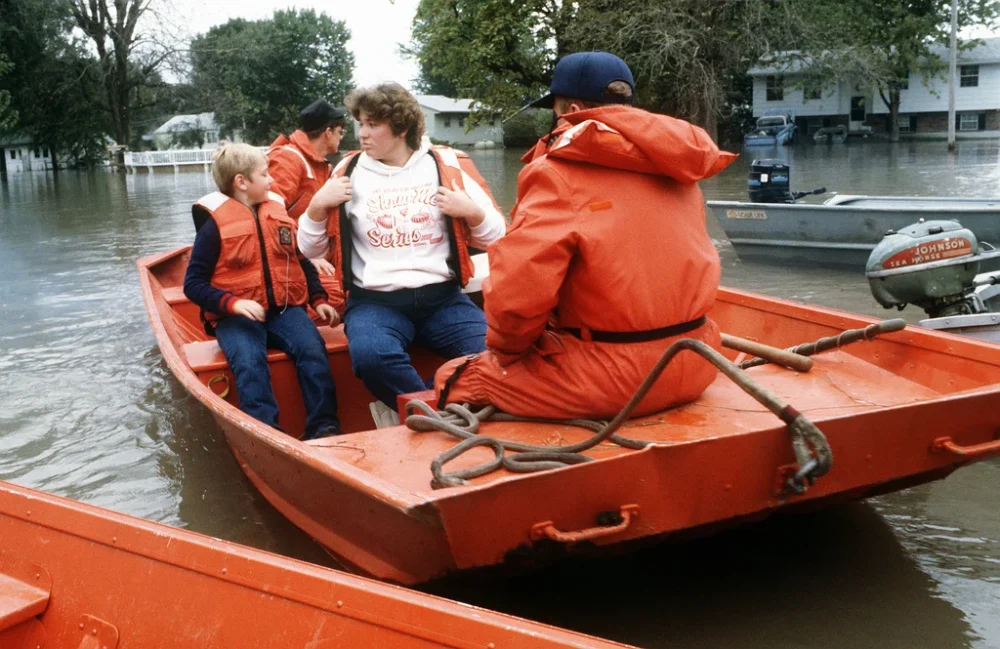
For many Americans, climate change stopped feeling abstract in 2025 and began showing up in small, personal ways. It wasn’t always dramatic or headline-grabbing, but it was persistent—missing seasons, altered routines, and familiar places behaving differently than they used to.
Across the country, people noticed changes that disrupted daily life and quietly reshaped expectations, from warmer winters to drying waterways and shifting wildlife patterns. These experiences weren’t isolated or rare.
Together, they formed a shared realization that the climate crisis was no longer something happening elsewhere or later—it was unfolding in real time, woven into everyday life.
1. Winters felt shorter and less predictable than people remembered
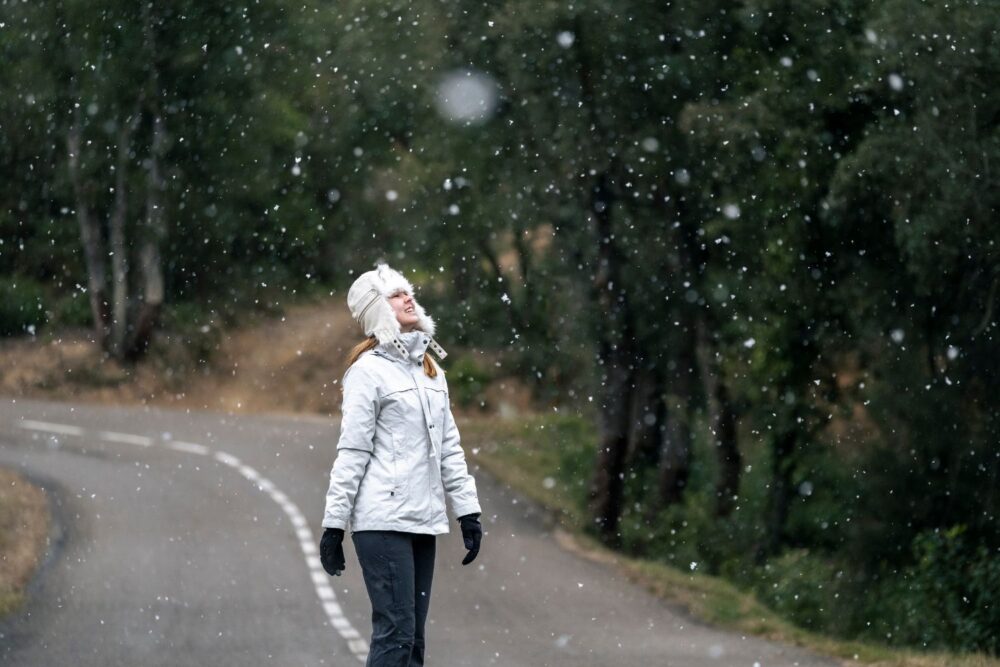
Many people said winter no longer arrived when it used to, or didn’t arrive at all. Snowfall was rare, inconsistent, or replaced by long stretches of mild weather that felt out of place.
For those who grew up with clear seasonal rhythms, the change was jarring. Traditions tied to winter weather faded, and people questioned whether the seasons they remembered were gone for good. Some described feeling disoriented, unsure how to plan or even emotionally mark the passage of the year.
2. Outdoor routines were disrupted by unusual heat
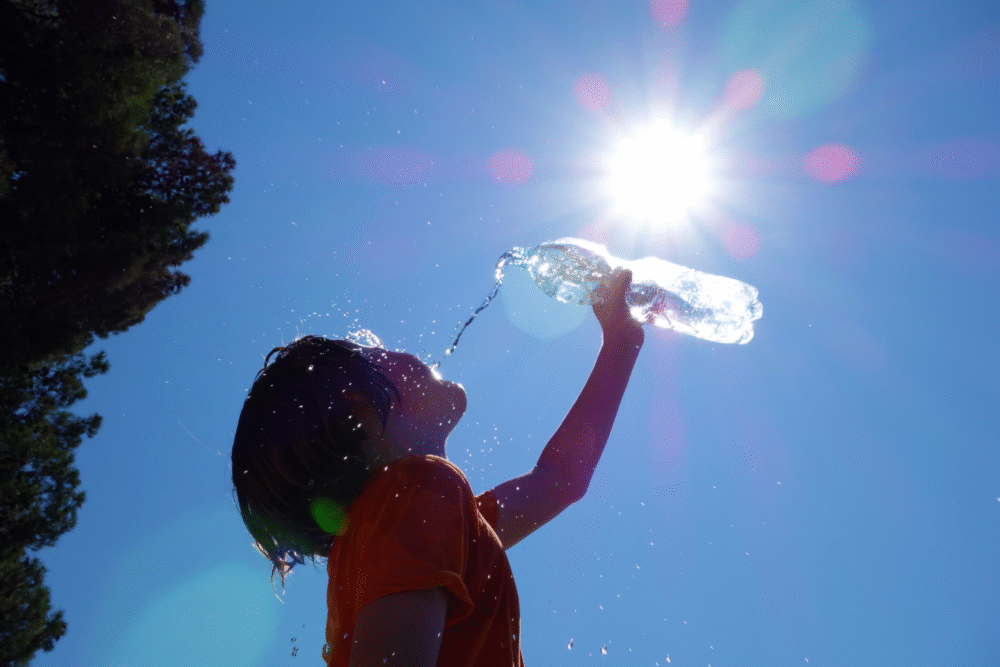
Readers described heat showing up earlier in the year and lingering longer into fall. Activities that once felt routine—walking, hiking, working outside—now required careful timing and frequent breaks.
Some people adjusted schedules to avoid peak heat, while others simply stopped doing things they once enjoyed. The change reshaped how people used their own neighborhoods and reduced spontaneous outdoor time. For many, heat quietly narrowed daily choices without being dramatic.
3. Drought quietly reshaped daily decisions
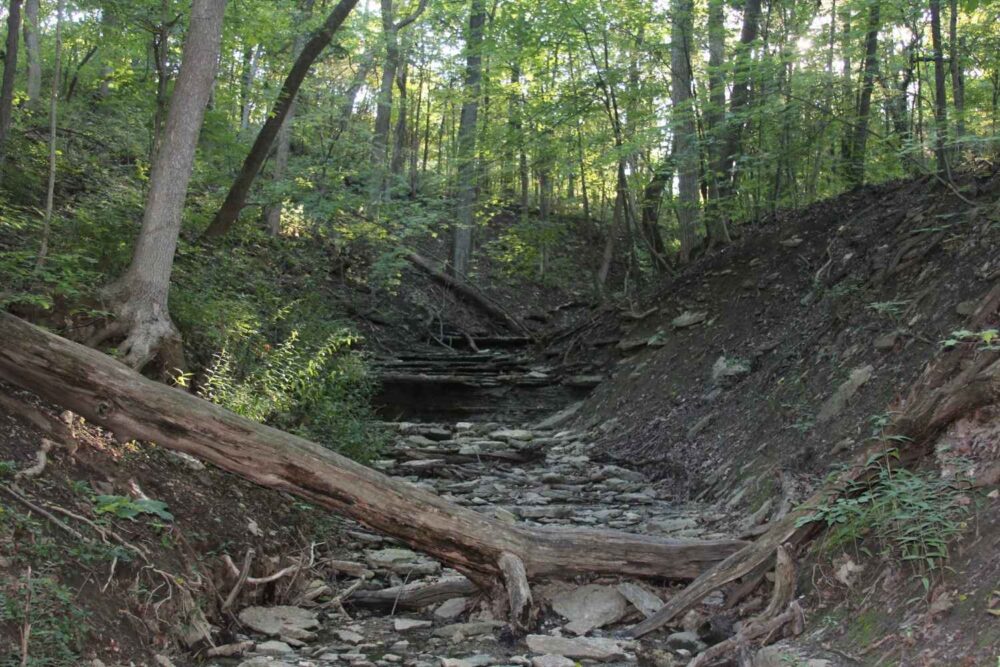
In many regions, water scarcity became part of everyday thinking. Lawns browned, creeks ran low, and watering habits shifted from preference to necessity.
Even where restrictions were mild, awareness grew. People found themselves monitoring water use in ways they hadn’t before, making conservation a constant background concern. Ordinary tasks like washing cars or planting gardens suddenly carried weight and second thoughts.
Follow us and access great exclusive content every day
4. Landscapes no longer looked or behaved the same
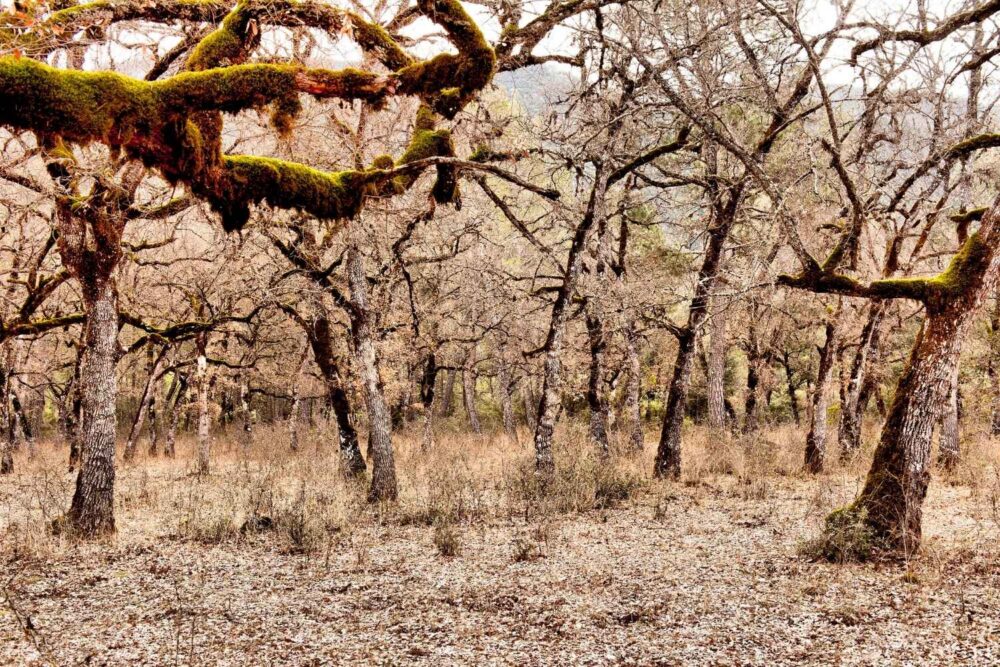
Familiar environments began to feel unfamiliar. Trees appeared stressed, grass dried earlier in the season, and green spaces lost their usual resilience.
These changes stood out most to long-term residents who knew how the land used to behave. Years of memory made it clear something fundamental was changing. People described noticing decline not all at once, but through repeated, unsettling comparisons to the past.
5. Seasonal markers people relied on started disappearing

Readers mentioned fewer insects, fewer birds, and plants blooming at unusual times. These subtle shifts acted as quiet signals that ecosystems were out of balance.
Because these markers had once been reliable, their absence felt unsettling. People noticed that nature’s usual cues no longer lined up with expectations. For many, this created a deeper unease than extreme weather events, because it suggested lasting change.
6. Weather swings became harder to plan around
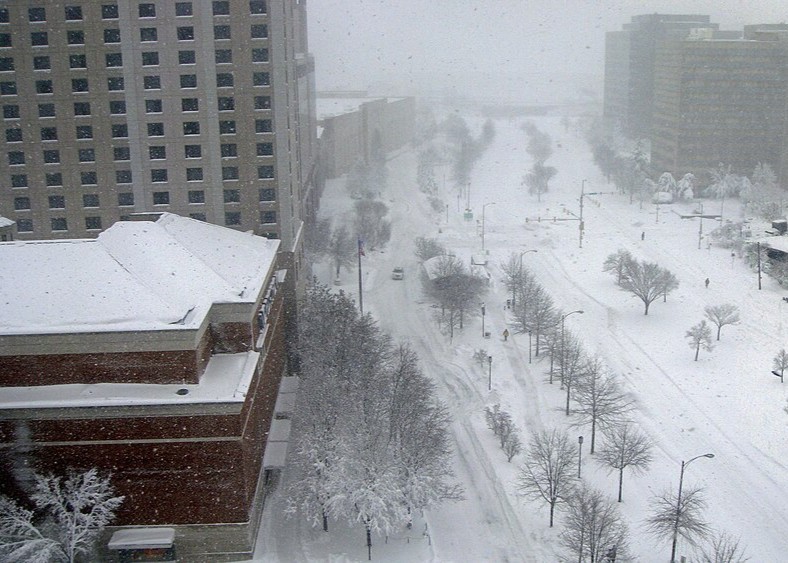
Instead of gradual seasonal transitions, many people described sharp, unpredictable swings between extremes. One week brought summer-like heat, followed by sudden cold snaps, heavy rain, or storms that felt out of season and out of sync with the calendar.
These rapid changes made it difficult to plan work, travel, and family activities with any confidence. Over time, the unpredictability created ongoing stress and frustration, especially for people who relied on weather patterns for jobs or caregiving. Many said they could no longer trust past experience to prepare, turning everyday decisions into reactive guesswork rather than routine planning.
7. Heat affected sleep, mood, and productivity

Warmer nights made it harder for many people to get consistent, restful sleep, especially in homes without reliable air conditioning. Tossing and turning became more common, and some described waking up already exhausted.
That lack of rest spilled into daytime life. People noticed shorter tempers, reduced focus, and lower productivity at work or school. Over time, the strain felt cumulative rather than occasional.
8. Children noticed changes adults struggled to explain
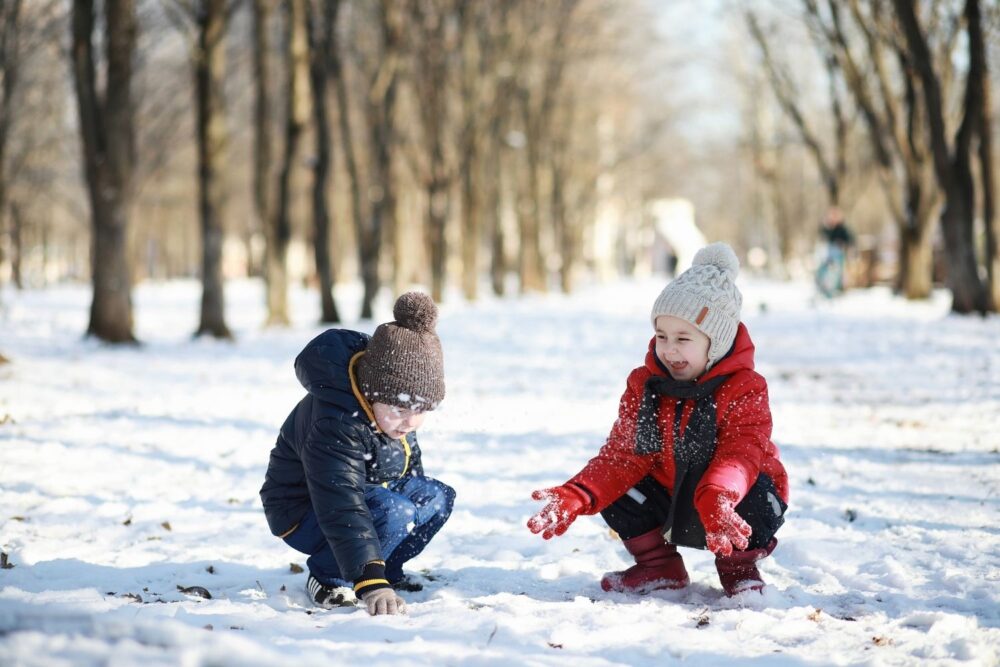
Parents shared stories of children asking why winters felt different or why playing outside was harder than it used to be. These questions often came unexpectedly and were difficult to answer simply.
Explaining long-term climate change in everyday language made the issue feel more real for adults, too. It highlighted how quickly conditions were shifting within a single childhood. For many families, these conversations marked a turning point in how seriously the issue was taken.
Follow us and access great exclusive content every day
9. Farmers and gardeners saw clear warning signs
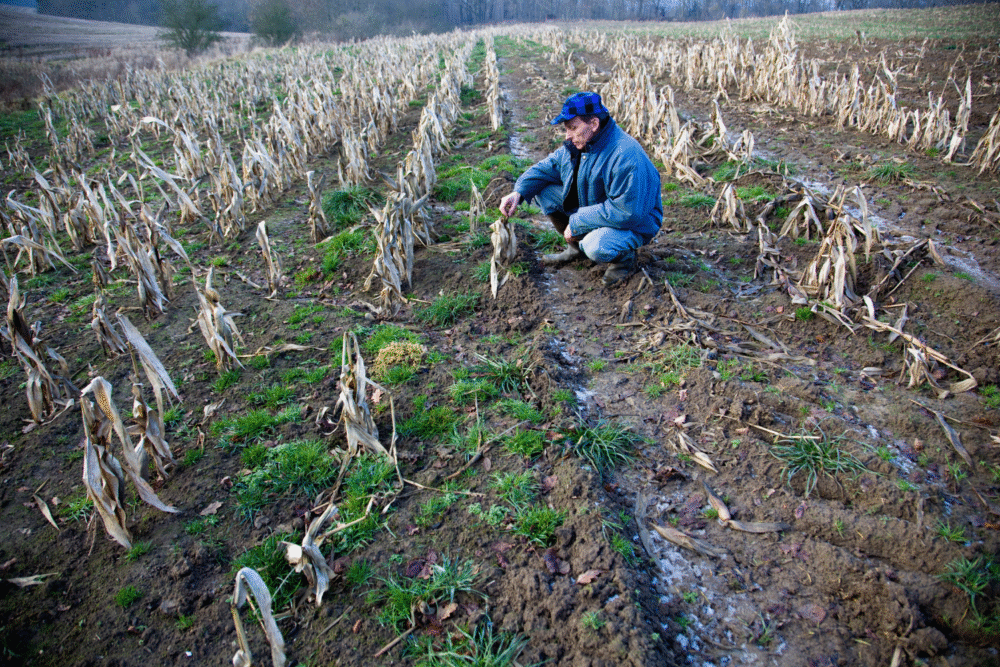
People who worked closely with the land described earlier planting dates, stressed crops, and unpredictable harvests. Gardening routines that once felt reliable became experiments shaped by weather guesswork.
These firsthand observations carried emotional weight. When growing food became harder year after year, climate change stopped feeling theoretical. It became a practical challenge tied directly to livelihoods and food security.
10. Longtime residents felt a growing sense of loss

Readers who had lived decades in the same place described grief for the climate they once knew. The loss wasn’t sudden, but it was deeply felt through gradual change.
Memories of stable seasons and familiar landscapes made the contrast sharper. Many said the sense of loss went beyond weather, touching identity and belonging. It felt like watching a home slowly transform into something unfamiliar.
11. Small changes added up to bigger concern
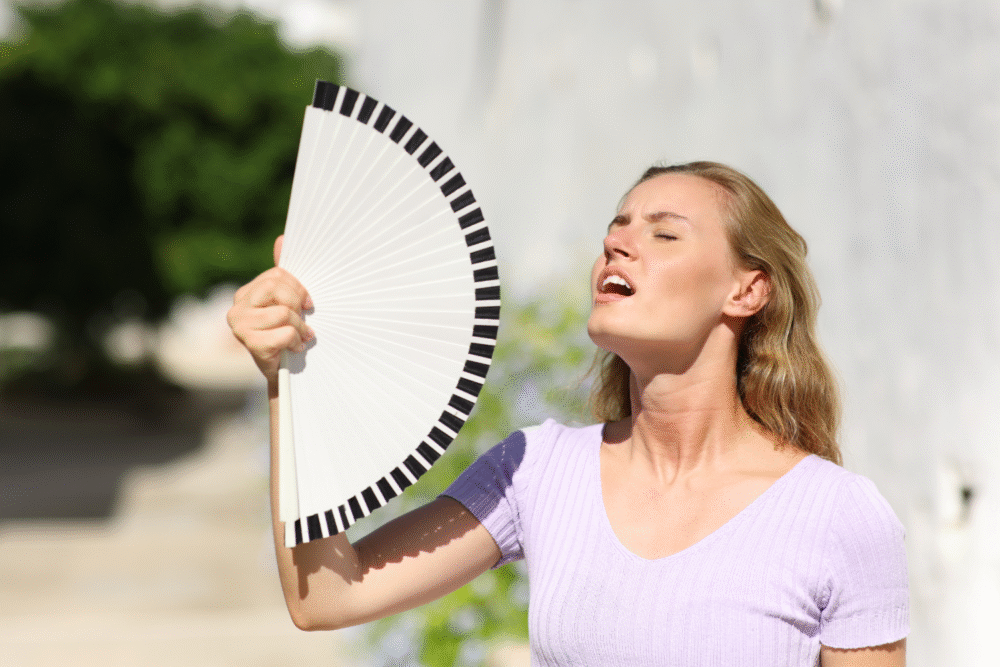
Individually, each change seemed manageable—an odd winter, a hotter summer, a dry stretch. Together, they formed a pattern that was hard to ignore.
Readers expressed growing worry about what these trends meant long-term. Concern extended beyond personal comfort to children, communities, and future stability. The accumulation of small signals created a sense of urgency without a single dramatic moment.
12. Everyday experiences made the crisis feel real

What stood out most was how ordinary these changes were. Climate change didn’t arrive as a single event; it blended into daily routines.
For many, 2025 marked the year the issue stopped feeling distant or abstract. It became something lived and observed, not just discussed. That shift—from concept to experience—changed how people thought about the future.