
Inside the full launch countdown rehearsal preparing astronauts for NASA’s first crewed lunar mission in decades.

For the first time in more than five decades, a crew of astronauts is preparing to travel back toward the Moon. NASA’s Artemis 2 mission will not land on the lunar surface, but it represents a crucial step in returning humans to deep space and proving that the systems needed for longer missions are ready.
In recent weeks, the astronauts completed a full launch countdown rehearsal, practicing every moment they will experience on launch day, from suiting up to sitting atop the rocket. These rehearsals may look routine from the outside, but they are where small problems surface, pressure is tested, and confidence is built.
What happens during these quiet practice runs can determine whether a mission proceeds safely or stops before it ever leaves the ground. Long before launch day arrives, these rehearsals shape how prepared both people and technology truly are.
Click through to discover more about this historic mission.
1. Artemis 2 marks humanity’s first crewed journey near the Moon in decades
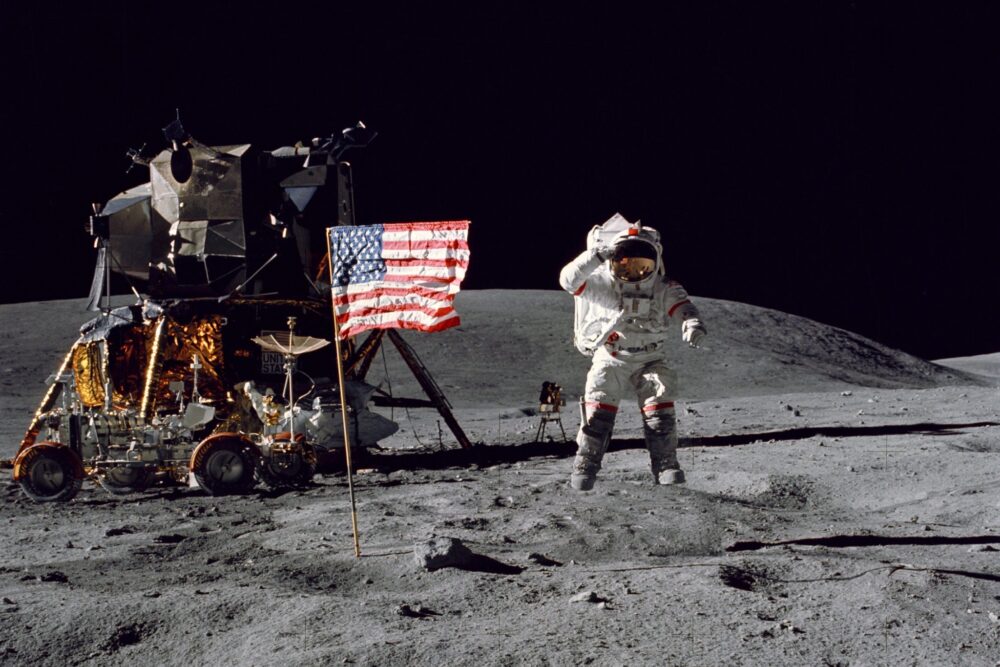
Artemis 2 will send four astronauts around the Moon, marking the first time humans have traveled that far from Earth since 1972. While the mission will not land, it is a major milestone in NASA’s long-term lunar plans.
The flight is designed to test systems, procedures, and human readiness before future landings. For readers, this mission represents a return to deep-space exploration after generations of Earth-orbit missions.
Follow us and access great exclusive content every day
2. The countdown rehearsal simulates launch day minute by minute
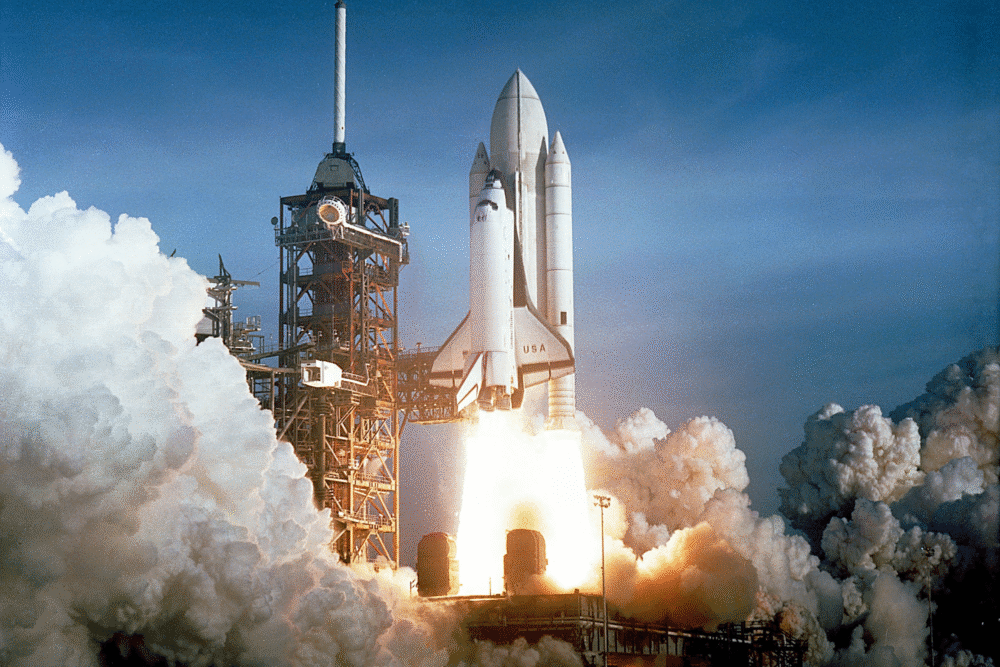
The recent rehearsal was built to feel as close to launch day as possible, from start to finish. Astronauts suited up, made the trip to the launch pad, climbed aboard the spacecraft, and followed the same timeline they will face on the real day. Every movement and handoff was deliberate.
Meanwhile, teams practiced communication, timing, and decision-making under realistic conditions. By repeating these steps, they reduce surprises and build confidence. When launch day arrives, the goal is for nothing to feel new or uncertain.
3. Astronauts practiced living inside the spacecraft before launch

Once inside the Orion spacecraft, the crew spent hours strapped into their seats, working through checklists and keeping a close eye on critical systems. This phase of the rehearsal tests patience just as much as technology, since much of launch day involves waiting rather than action.
Delays are common, sometimes stretching for hours, and astronauts have to stay alert, calm, and ready the entire time. Being comfortable in a confined space while knowing plans could change at any moment is part of the job.
Follow us and access great exclusive content every day
4. Ground teams play as critical a role as the crew
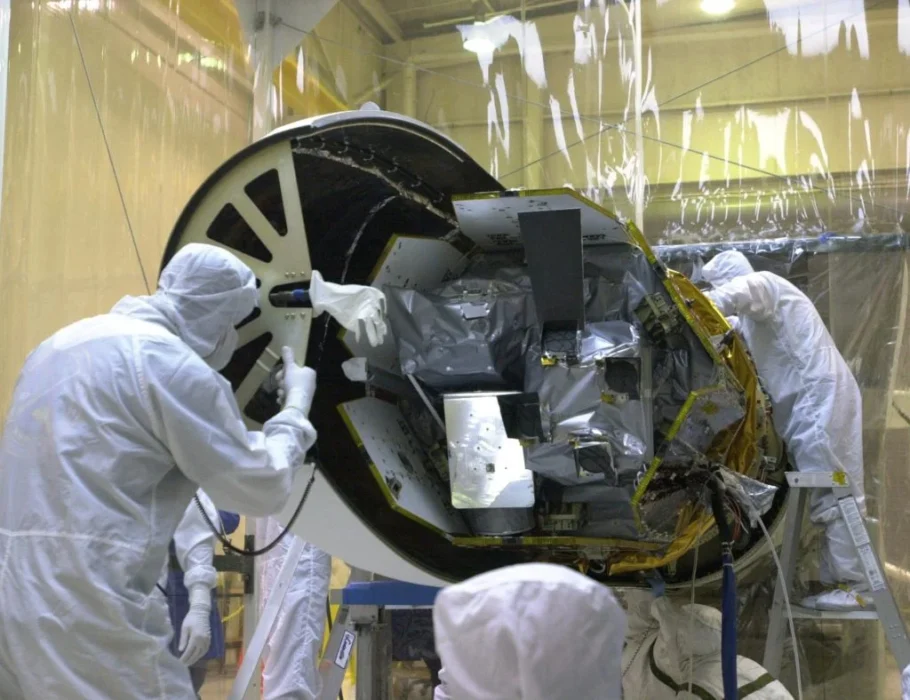
Behind the scenes, hundreds of engineers, technicians, and controllers were running through their own responsibilities at the same time. Every signal, data feed, and command was closely watched to make sure information moved smoothly between teams.
These specialists have to work in lockstep with the astronauts, especially when unexpected issues appear. The rehearsal helps everyone practice responding together rather than in isolation. In moments that matter most, human judgment and complex systems have to function as a single, coordinated operation.
5. Small details can decide whether a launch proceeds or stops

Launch rehearsals are where tiny issues reveal themselves. A sensor reading slightly off, a timing mismatch, or a communication delay can all trigger a pause. These are not failures but safeguards.
NASA relies on these tests to catch problems early, long before astronauts are committed to flight. For readers, it is a reminder that spaceflight succeeds because of caution, not speed.
6. The rehearsal tests how humans handle pressure over long hours

One of the most important aspects of the countdown practice is endurance. Astronauts may spend many hours in suits, under tight timelines, knowing a single decision could delay the mission.
This rehearsal tested how the crew manages stress, stays focused, and communicates clearly while fatigue sets in. It also allows NASA to see how well procedures support human limits. During the practice, teams monitored heart rate, hydration, and cognitive workload to understand how performance changes over time.
The insights can lead to adjusted timelines, clearer handoffs between crew and ground, and better safeguards against small mistakes becoming big ones.
Follow us and access great exclusive content every day
7. Artemis 2 is a bridge between past missions and future landings
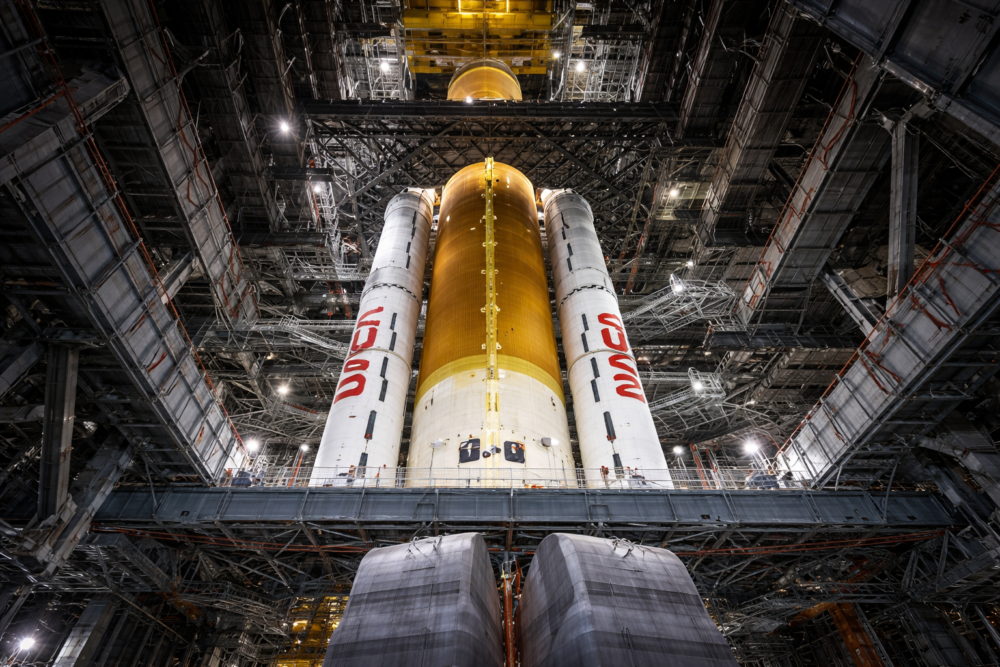
This mission bridges the gap between the Apollo era and the lunar landings planned later in the Artemis program. It draws on hard-earned lessons from decades ago while relying on modern technology that did not exist during the original Moon missions.
The rehearsal made that connection clear, blending proven practices with new systems and updated procedures. Artemis 2 is a reminder that exploration is not defined by one dramatic moment. It is built gradually, through careful preparation, steady progress, and a long chain of decisions that stretch across generations.
8. Safety systems are tested as thoroughly as mission objectives

A large part of the rehearsal is spent preparing for scenarios no one hopes to face. Teams walk through abort procedures, emergency responses, and backup systems again and again, making sure everyone knows exactly what to do if something goes wrong.
These moments are not the dramatic highlights people usually associate with spaceflight, but they are the foundation of responsible exploration. NASA’s approach is clear: protecting the crew comes first, even when that means stopping a launch or accepting delays instead of pushing forward.
Follow us and access great exclusive content every day
9. The mission is shaping how NASA prepares future crews

This mission is part of a larger push to return humans to the Moon, with multiple countries and agencies involved and plans that stretch well beyond a single launch. As global interest in lunar exploration builds, Artemis 2 sends a clear message that human spaceflight is moving forward again in a concrete way.
The rehearsal made that progress feel real by showing astronauts, engineers, and hardware working through the same conditions they will face on launch day.
10. Artemis 2 reflects renewed global interest in the Moon

The mission sits within a broader return to lunar exploration that includes international partners and long-term plans beyond a single flight. As interest in the Moon grows worldwide, Artemis 2 stands out as a clear signal that human exploration is moving forward again, not just in theory but in practice.
The rehearsal showed that this return is being approached carefully, step by step, with real people and real systems being tested under realistic conditions. It makes the idea of going back to deep space feel tangible rather than distant or abstract.
11. Countdown rehearsals build confidence before the real moment arrives

By running through the countdown again and again, astronauts and ground teams take the mystery out of launch day. What could feel intimidating becomes familiar, almost routine. Every movement, checklist item, and callout is something they have already done many times before.
That repetition matters when the risks are real and the margin for error is small. Behind every historic liftoff is an enormous amount of quiet preparation, all designed to make sure that when the moment arrives, no one is doing anything for the first time.
Follow us and access great exclusive content every day
12. The rehearsal brings humanity one step closer to the Moon

Even though no rocket left the ground during this rehearsal, the mission still took an important step forward. Every successful practice run builds confidence that the pieces are coming together the way they should.
The countdown showed that astronauts, engineers, and systems are steadily preparing for a journey humans have not taken in generations. Artemis 2 is about more than circling the Moon again. It is about demonstrating that deep-space travel is no longer a distant idea, but something that is actively taking shape right now.