
What researchers think would need to change before humans could live there.

Mars is the most explored planet in our solar system after Earth, yet it remains one of the most hostile places humans could try to live.
Its air is incredibly thin, temperatures plunge far below freezing, and the surface is exposed to intense radiation because the planet lost its protective magnetic field long ago. Terraforming Mars, meaning altering its environment to make it more Earth-like, has moved from pure science fiction into serious scientific discussion.
Researchers now debate whether warming the planet, thickening its atmosphere, or changing its chemistry could one day make human life possible. Even the most optimistic scientists agree this would not be quick or easy.
1. Mars’ atmosphere is far too thin for humans

Mars has an atmosphere that is less than one percent as dense as Earth’s and contains almost no oxygen. Without a pressurized suit, a human would lose consciousness in seconds.
Scientists have examined whether carbon dioxide trapped in ice caps and rocks could be released to thicken the air. Current models suggest that even using all known sources would still leave Mars far short of Earth-like conditions.
2. Temperature must rise before anything else can change

Mars is extremely cold, with average surface temperatures well below freezing. Liquid water cannot remain stable under these conditions.
One idea involves releasing heat-trapping particles into the atmosphere to mimic a greenhouse effect. While some studies suggest this could raise temperatures significantly, it remains a theoretical approach that would require technology not yet in use.
3. Water exists, but it is locked away and difficult to use
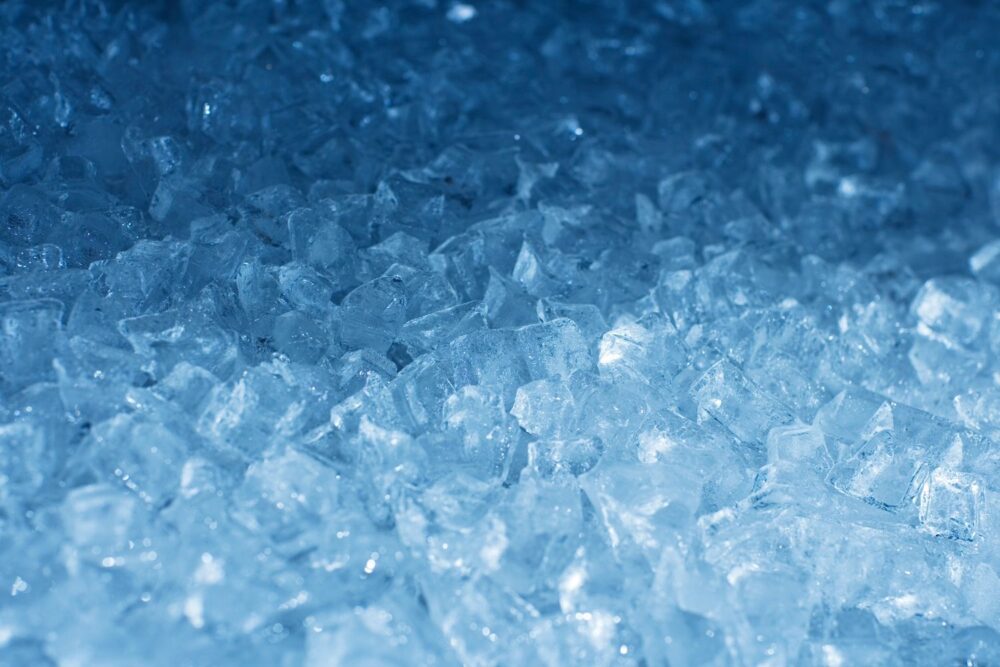
Mars does have water, mostly in the form of ice at the poles and frozen within the soil. Unlocking that water would be essential for drinking, farming, and industrial processes. Extracting and melting this ice would require energy, infrastructure, and stable temperatures.
Even if water could be freed, keeping it liquid on the surface would remain a challenge. Without a thicker atmosphere, it would quickly evaporate or refreeze. Water distribution would also be uneven, creating logistical problems for any settlement.
4. Radiation poses a constant threat to human health
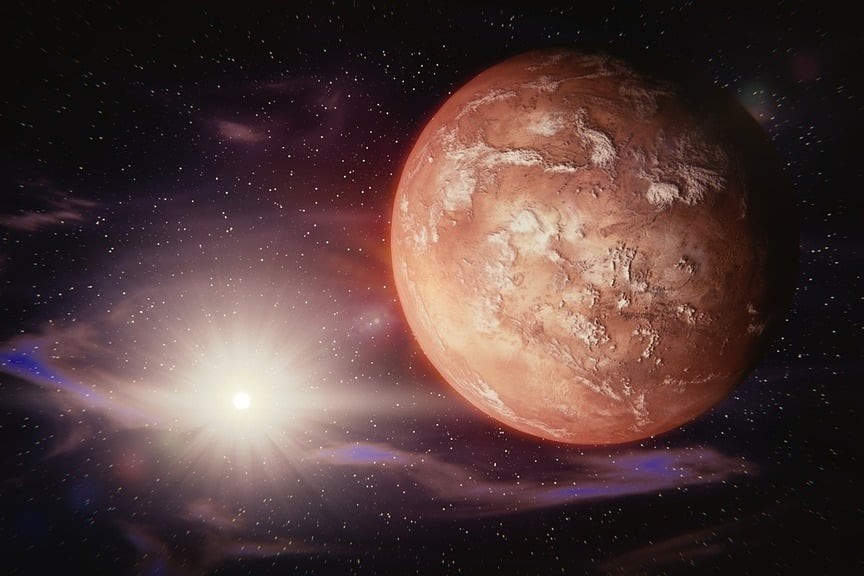
Mars lacks a strong magnetic field and thick atmosphere to block cosmic rays and solar radiation. As a result, surface radiation levels are much higher than on Earth. Long-term exposure increases the risk of cancer, nervous system damage, and other health problems.
This makes unprotected surface living extremely dangerous. Any human presence would require heavy shielding, either underground habitats or thick protective materials. Even then, radiation exposure would need constant monitoring.
5. Lower gravity could reshape the human body
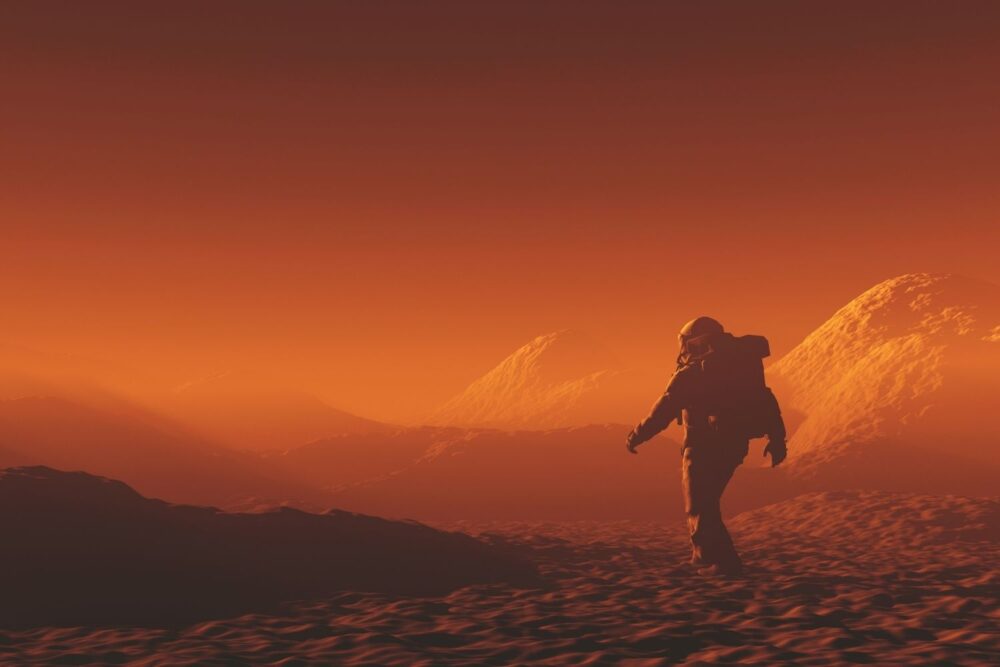
Mars has about one third of Earth’s gravity. While this is better than microgravity in space, it is still far below what humans evolved for. Prolonged exposure could weaken bones and muscles, affect circulation, and alter how organs function.
Scientists are particularly concerned about long-term effects on children and reproduction. It is unclear whether humans could live for generations under these conditions without medical intervention.
6. Creating breathable air is a monumental challenge
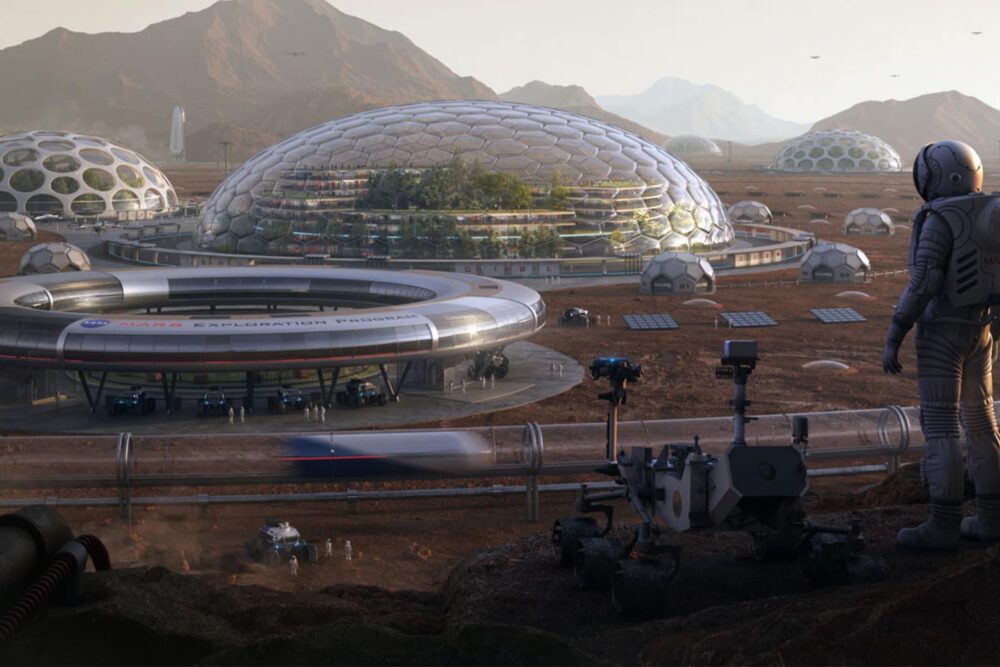
Even if Mars’ atmospheric pressure increased, humans would still need oxygen to breathe. Today, the Martian atmosphere is more than 95 percent carbon dioxide, with almost no oxygen present.
Small-scale experiments have shown it is possible to extract oxygen from carbon dioxide using specialized machines. Scaling this up to support a city or an entire planet would require massive energy production and constant maintenance.
Ideas like oxygen-producing factories or engineered microbes exist in theory. In practice, they would take decades or centuries to make a noticeable difference, assuming the technology could even be built.
7. Martian soil is toxic and unsuitable for farming
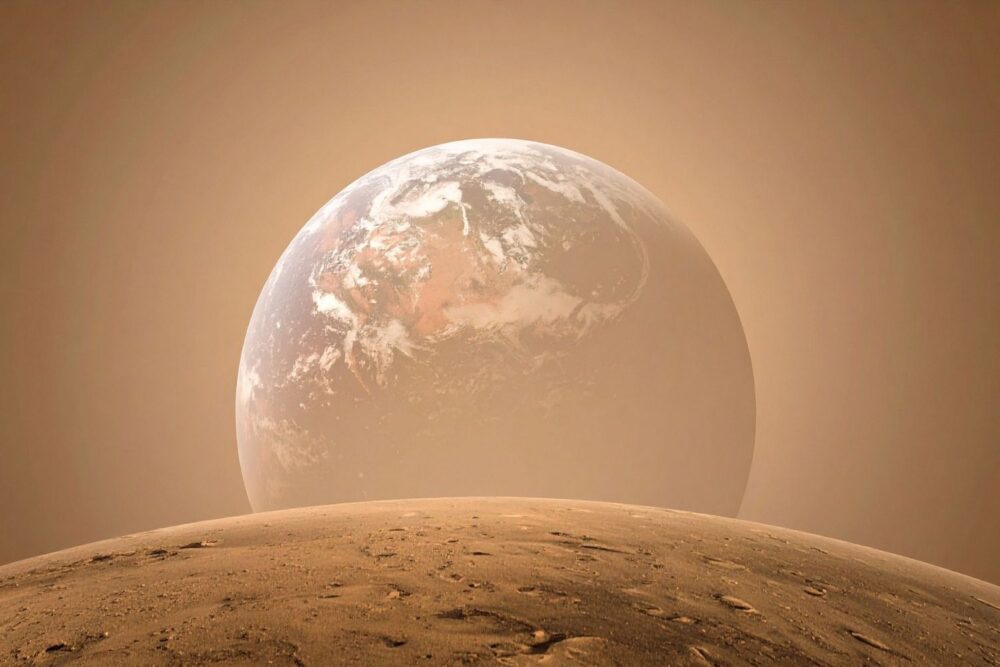
Martian soil contains chemicals that are harmful to humans and plants. It also lacks the organic material needed to support crops.
Before farming could begin, soil would need to be treated to remove toxins and enriched with nutrients. Most early food production would likely rely on controlled indoor systems rather than open ground.
8. Terraforming concepts range from slow to extreme
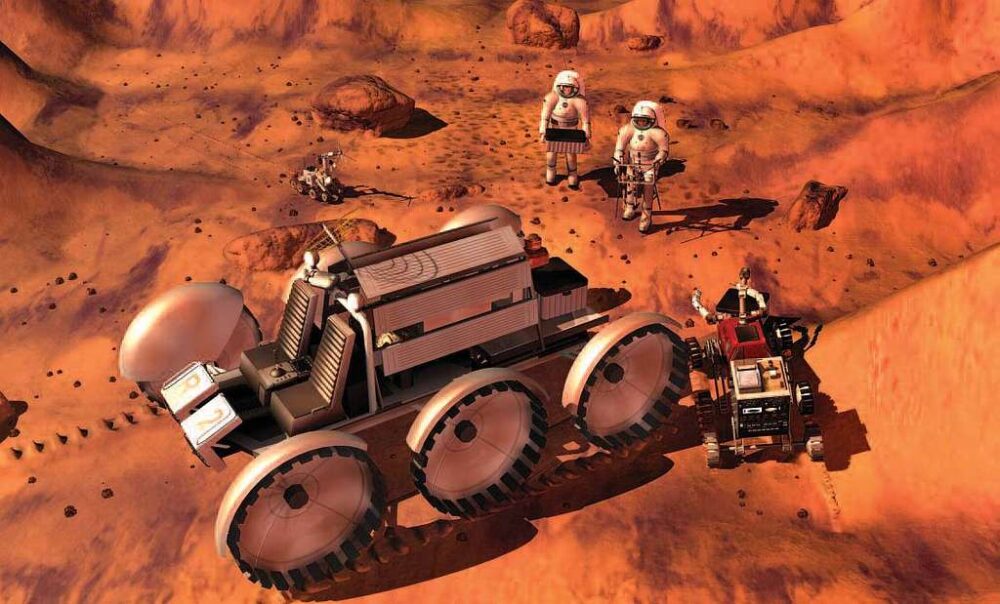
Some proposals suggest gradual warming through atmospheric changes. Others imagine dramatic interventions like orbital mirrors or releasing massive amounts of gas.
While imaginative, these ideas stretch current engineering capabilities and raise ethical concerns. Many scientists favor smaller, incremental steps rather than planet-wide modification.
9. Microbial life may arrive before humans thrive outdoors
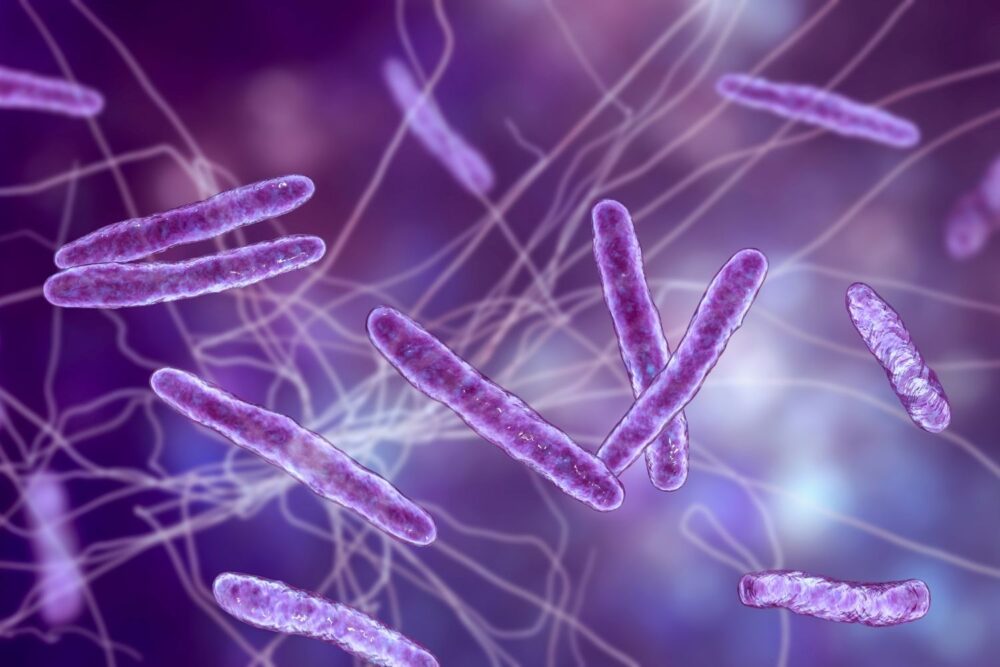
Hardy organisms that survive extreme cold and radiation could potentially survive on Mars first. These life forms might help alter soil or atmospheric chemistry over time.
Although they would not make Mars safe for humans immediately, they could provide insights into long-term biological adaptation. This approach would be slow and carefully controlled.
10. Enclosed habitats are the most realistic near-term solution

Rather than changing the entire planet, scientists see sealed habitats as the most practical option. These structures would control air pressure, temperature, and radiation exposure.
Underground or heavily shielded habitats could support human life far sooner than terraforming. This approach focuses on survival rather than planetary transformation.
11. Making Mars livable would take generations

True planetary habitability would require sustained effort across centuries. It would demand global cooperation, massive investment, and technological breakthroughs.
Even if Mars never becomes Earth-like, studying these possibilities pushes science forward. The lessons learned could improve life on Earth while expanding humanity’s understanding of what is possible beyond it.