
Researchers are repurposing discarded electronics into wildlife cameras, sensors, and trackers, giving e-waste a second life in conservation.
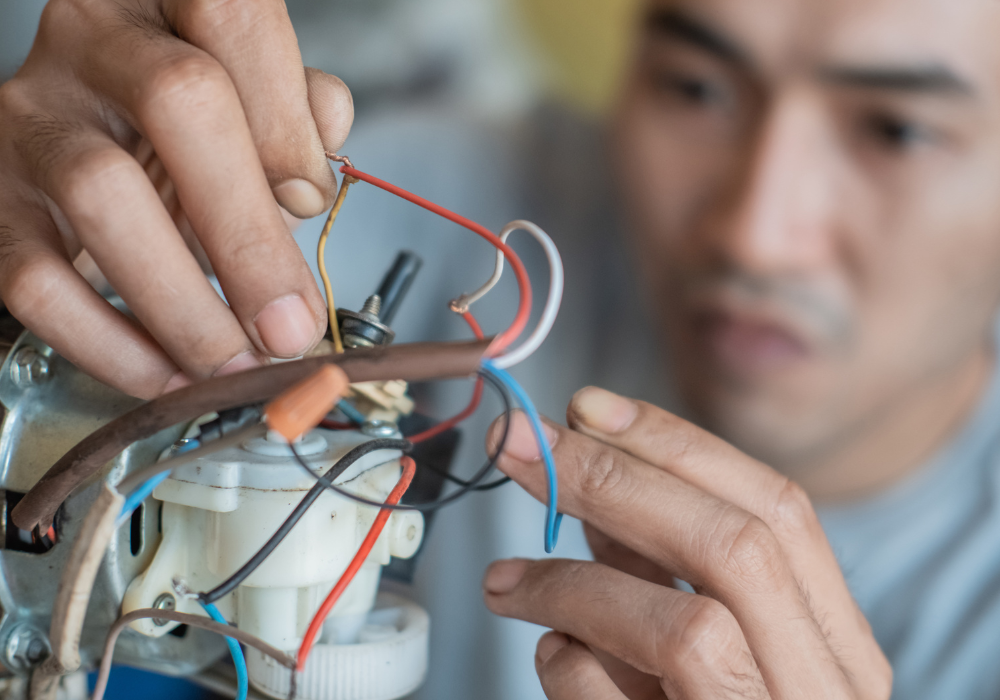
What happens to your old phone, camera, or laptop once it’s tossed aside? For a growing number of scientists and conservationists, the answer isn’t a landfill—it’s the wild. Around the world, researchers are salvaging parts from discarded electronics to build gadgets that track, monitor, and protect endangered species.
From field sensors hidden in forests to underwater cameras capturing rare marine life, these creative tools are proving that e-waste can have a second life with serious impact. The results are as ingenious as they are inspiring—here’s how tech trash is being transformed into a force for protecting biodiversity.
1. Old Point-and-Shoot Cameras Are Becoming Wildlife’s Eyes in the Forest
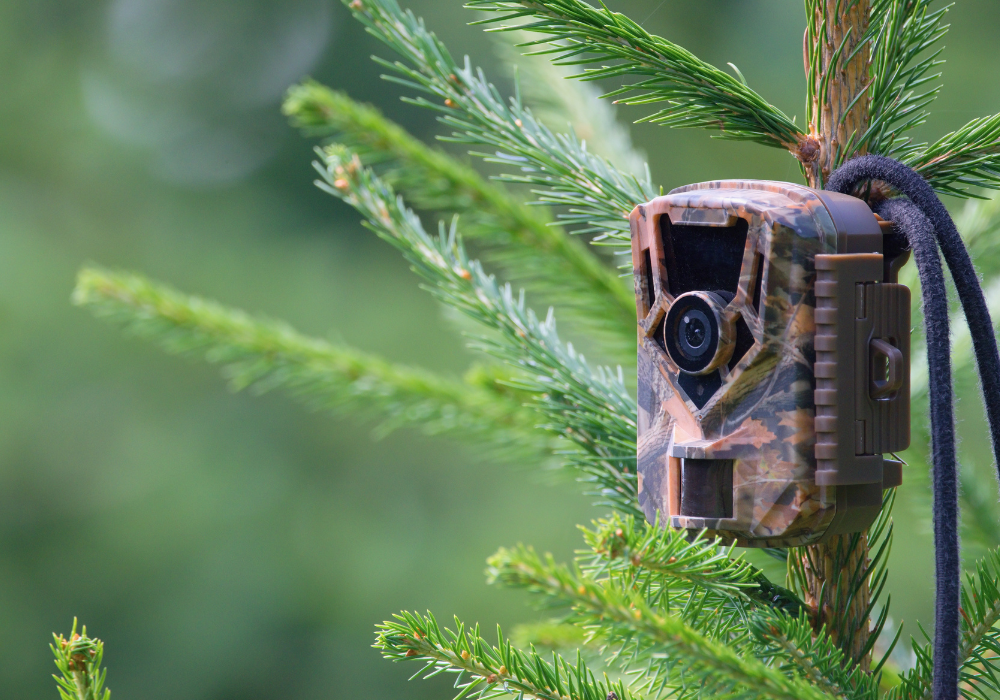
Instead of letting outdated cameras gather dust, conservationists are salvaging their lenses and sensors to create motion-triggered wildlife cameras. These DIY devices can be deployed deep in forests or remote savannas, capturing images of elusive animals without disturbing their habitats.
By repurposing consumer tech, researchers cut costs and reduce waste, making it possible to monitor more areas on tighter budgets. The images help track population changes, migration patterns, and even spot previously undocumented species. What once snapped vacation photos is now providing critical insights into the health and behavior of vulnerable wildlife populations worldwide.
2. Cracked Smartphones Are Turning Into Animal GPS Collars
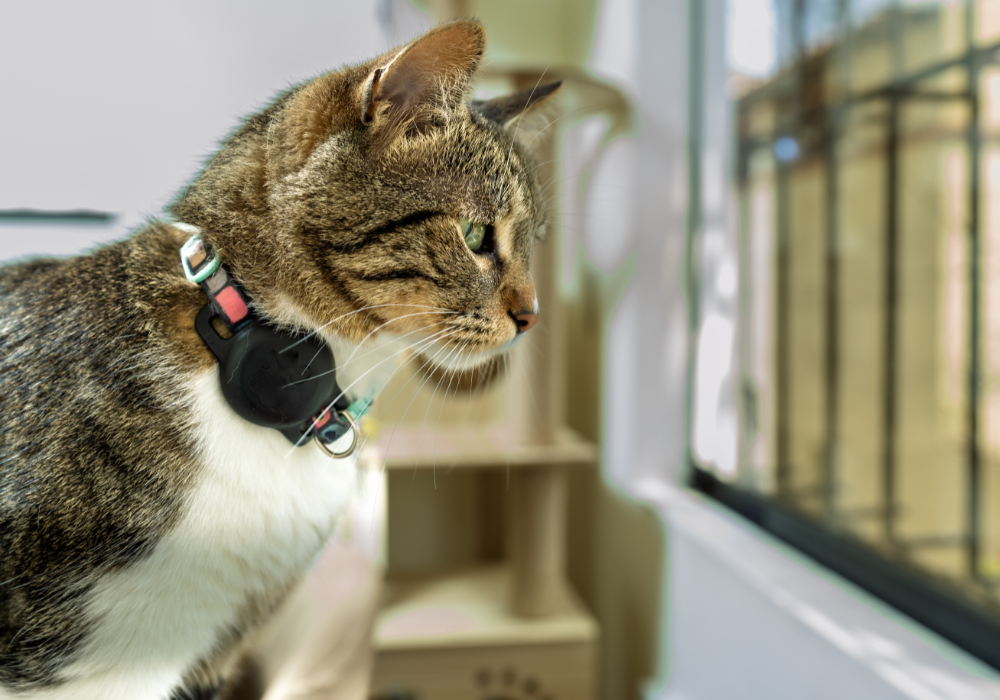
Smartphones are full of high-tech components that can still be incredibly useful long after their screens crack or batteries fade. Engineers are reclaiming GPS chips and accelerometers from old devices to build tracking collars for animals such as wolves, elephants, and sea turtles. These collars send location data to researchers in real time, offering valuable information about migration routes and territory ranges.
Because the parts come from discarded phones, they’re cheaper and easier to source than brand-new components, allowing conservation teams to track more animals without breaking the bank—or the planet.
3. Your Retired Laptop Could Be Listening for Rare Birdsong

Laptop microphones and sound cards, once destined for the recycling pile, are being refitted into acoustic monitoring devices. These gadgets record animal calls, bird songs, or even the underwater clicks of dolphins. The data helps scientists monitor species health, track seasonal changes, and detect the presence of rare or endangered animals in an area.
In some cases, these acoustic sensors have even revealed previously unknown breeding grounds. By turning yesterday’s office tech into sensitive listening stations, researchers are creating a low-cost, low-waste way to hear nature’s signals before they fade away.
4. Grounded Drones Are Diving Deep to Track Marine Life
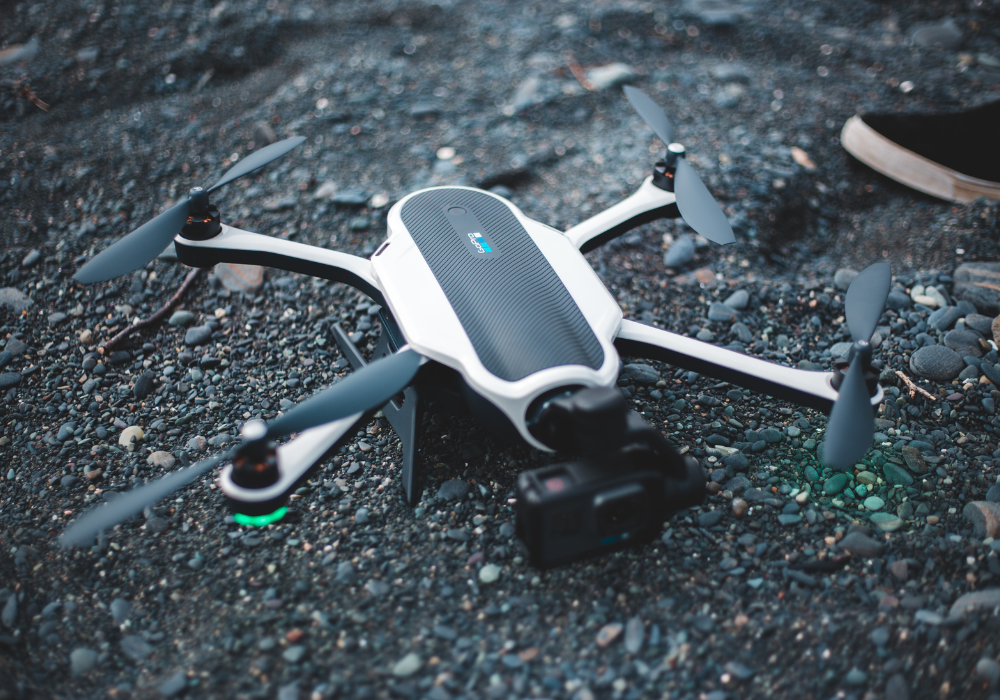
Drones that no longer fly often have waterproof housings, GPS units, and high-resolution cameras—perfect for marine monitoring. Conservationists are salvaging these parts to create underwater tracking devices for tagging sharks, sea turtles, and other marine life.
The trackers log location, depth, and temperature, giving scientists a detailed view of migration patterns and habitat preferences. This information is critical for protecting breeding areas and migration corridors. It’s proof that even grounded drones can still take flight—this time, under the waves, in service of conservation science.
5. Broken Solar Panels Are Powering Wildlife Research Off the Grid
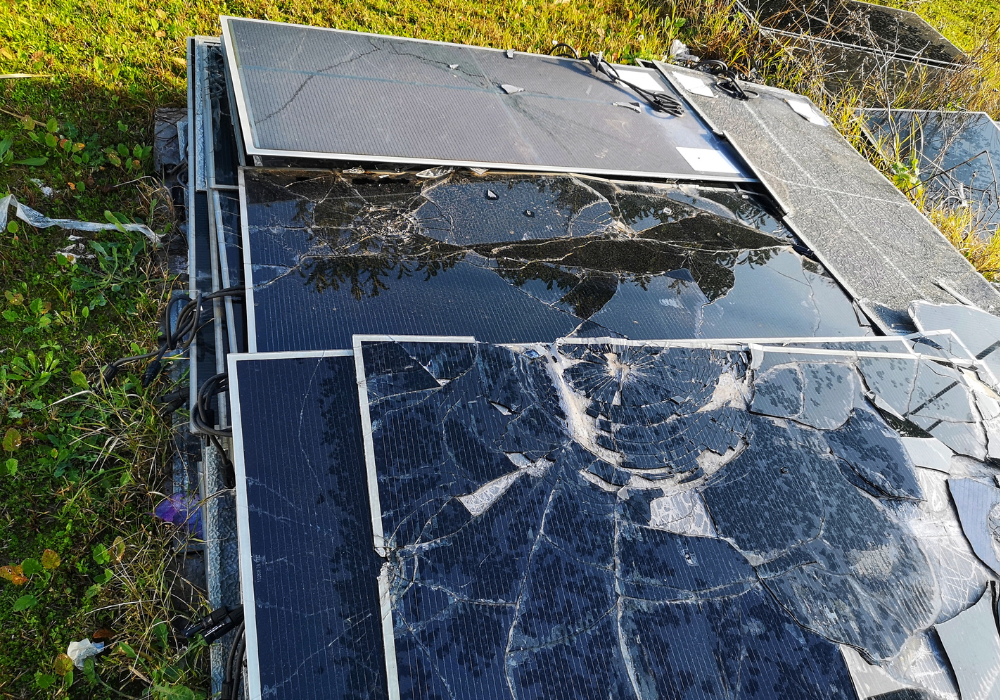
Old or damaged solar panels, stripped from rooftops or outdated installations, are finding a second life powering field equipment in remote areas. Conservation teams use these repurposed panels to keep sensors, cameras, and GPS trackers running without the need for disposable batteries.
This sustainable power source is especially valuable in isolated regions where replacing batteries would be costly or logistically difficult. By harnessing energy from panels that would otherwise be scrapped, researchers are reducing e-waste while making long-term wildlife monitoring more practical and environmentally friendly.
6. Retired Security Systems Are Catching Animals on the Move

Obsolete home or business security systems are treasure troves for motion-sensing technology. Conservationists are repurposing these sensors to detect animal movement in the field, triggering cameras or activating data loggers when a creature passes by. This approach saves money and makes use of durable, weather-resistant hardware that would otherwise be discarded.
From tracking elusive snow leopards in the mountains to monitoring nesting sites in wetlands, these recycled motion detectors help capture rare moments in nature without relying on expensive, specialized gear.
7. Discarded Weather Stations Are Becoming Habitat Guardians
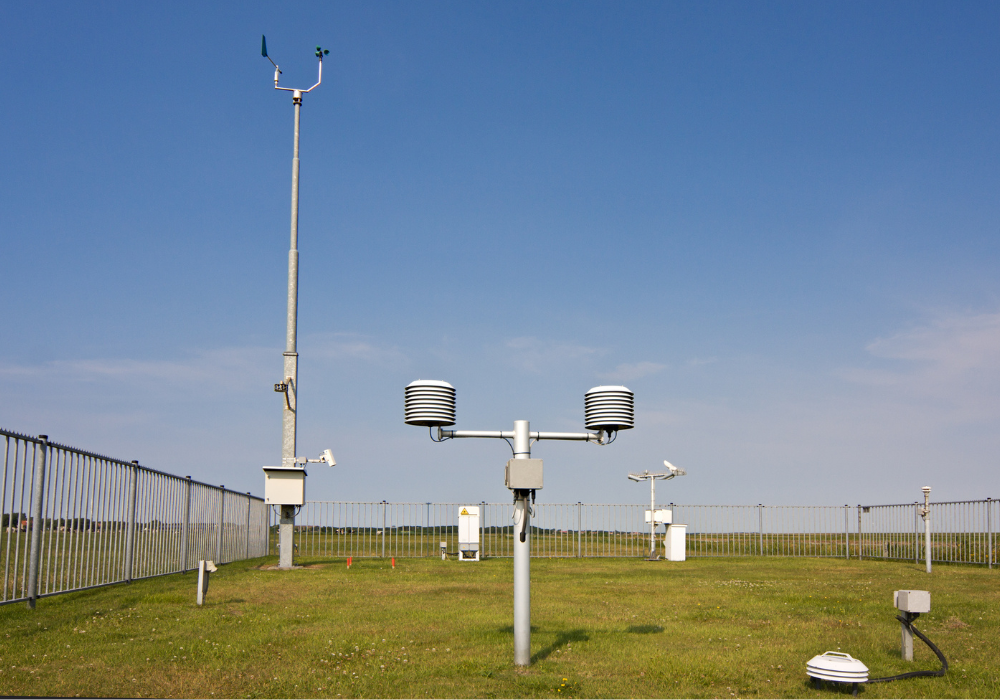
When weather stations are upgraded or decommissioned, their temperature, humidity, and pressure sensors often remain in working condition. Conservationists are reclaiming these parts to monitor environmental conditions in habitats critical to endangered species.
By tracking microclimate changes, researchers can better understand how shifts in temperature or rainfall affect wildlife behavior and survival rates. This repurposing also gives scientists affordable, scalable tools for climate-related conservation work—bridging the gap between weather data and species protection.
8. Outdated Camcorders Are Filming Animal Life Like Never Before

Camcorders may have fallen out of fashion, but their lenses are perfect for high-quality wildlife camera traps. Technicians are salvaging lenses from outdated video cameras and pairing them with modern low-power processors to build traps that can run for months in the wild.
These devices capture both still images and video, offering a richer view of animal behavior. Because the core optics are recycled, the cost is a fraction of that for new gear, making it easier to deploy more cameras in critical habitats.
9. Obsolete Radios Are Helping Scientists Track Elusive Species
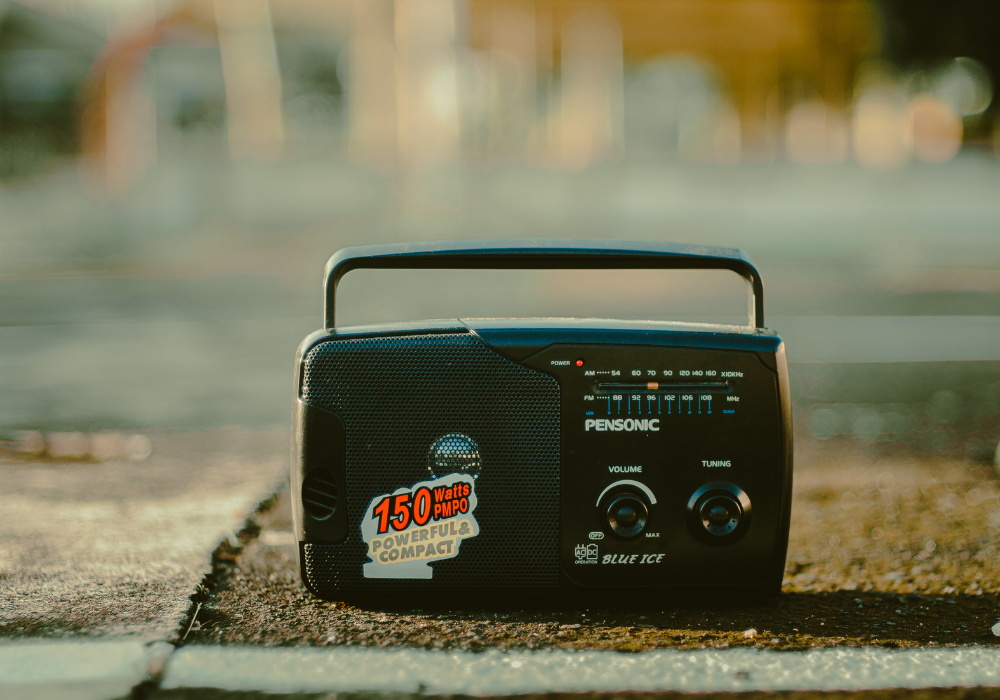
Two-way radios and older communication systems often contain transmitters that can be modified for tracking wildlife. Researchers use them to follow birds, reptiles, and small mammals across large areas without relying solely on GPS. The transmitters send signals to receiving stations, creating a map of an animal’s movements over time.
Reusing this older tech keeps valuable components out of landfills and provides a reliable, low-cost alternative for tracking projects in regions where satellite coverage is limited or prohibitively expensive.
10. Scrap Drone Parts Are Flying Again for Conservation
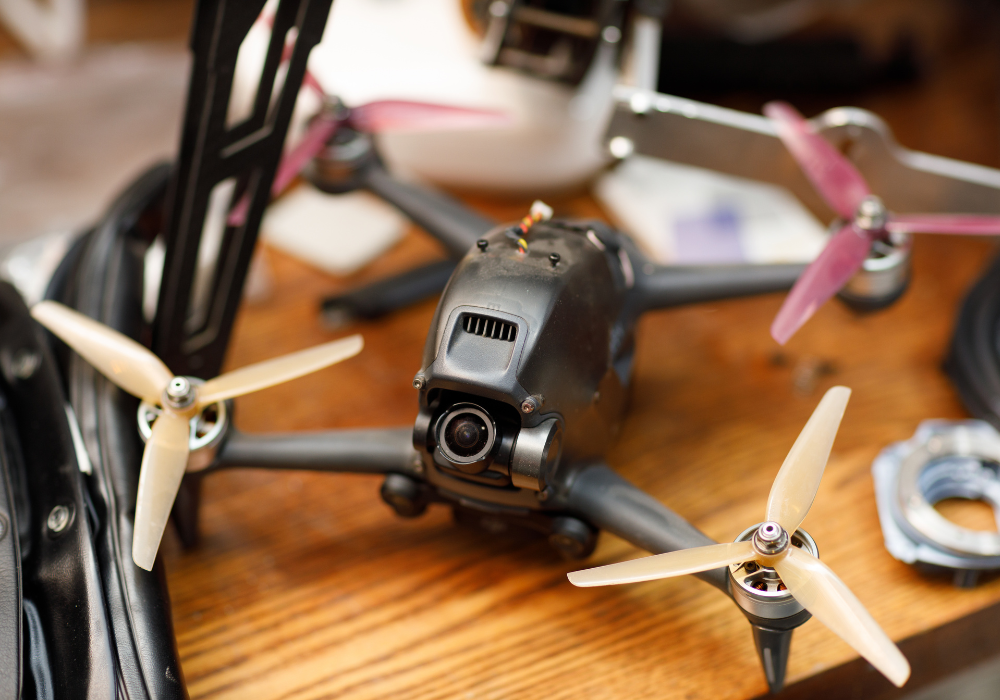
Even when individual drones are damaged beyond repair, their surviving parts—motors, frames, batteries, cameras—can be combined into functional new units. Conservation teams are assembling these Franken-drones to survey forests, count wildlife populations, or check on hard-to-reach nesting sites.
The aerial perspective allows scientists to cover more ground in less time, often without disturbing sensitive species. By rebuilding from spare parts, they avoid the high cost of new drones while giving discarded tech a chance to contribute to protecting the planet’s biodiversity.