
From church rituals to rowdy feasts, medieval Christmas looked very different than today.

Christmas in the Middle Ages looked very different from the modern holiday most people recognize today. It was not centered on gift exchanges, decorated trees, or a single day of celebration. Instead, Christmas was part of a long religious season shaped by church teachings, local traditions, and the realities of medieval life, where survival through winter was never guaranteed.
For most people, Christmas blended solemn religious observance with moments of release, excess, and community bonding. How it was celebrated depended on geography, social class, and the century in question.
What survives in historical records shows a holiday that mixed faith, food, hierarchy, and occasional chaos, offering a rare break from the strict routines of medieval society.
Click through to step back in time to a Medieval Christmas celebration.
1. Christmas was part of a longer religious season, not a single day

In the Middle Ages, Christmas did not stand alone on December 25. It was embedded within a broader religious calendar that began with Advent and continued through the Twelve Days of Christmas, ending with Epiphany in early January.
Advent was often marked by fasting and restraint, especially in earlier medieval periods. Christmas Day signaled the start of celebration rather than its conclusion, with feasting, worship, and gatherings stretching over many days.
Follow us and access great exclusive content every day
2. Church services defined the meaning of Christmas
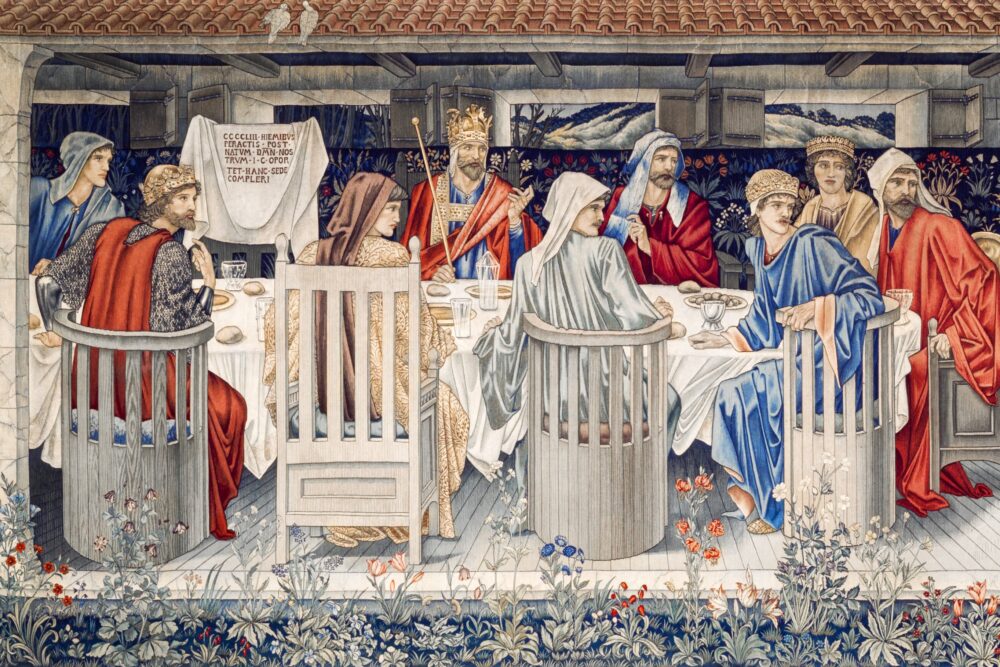
Religious observance sat at the heart of medieval Christmas. Attending church was expected, and special masses marked the birth of Christ, often beginning with midnight services on Christmas Eve.
Churches were illuminated with candles and decorated with greenery. These rituals reinforced Christmas as a communal, spiritual event rather than a private family celebration, uniting entire towns around shared beliefs.
3. Feasting was one of the year’s biggest social events

After weeks of limited diets, Christmas feasts were a highlight of medieval life. Wealthy households served multiple courses of meat, pies, bread, and spiced dishes, while poorer families prepared the best food they could manage.
Feasting was about more than eating. It reinforced social bonds, displayed generosity, and affirmed status within the community. Sharing food helped strengthen ties during a harsh and uncertain season.
Follow us and access great exclusive content every day
4. Work slowed and social rules relaxed
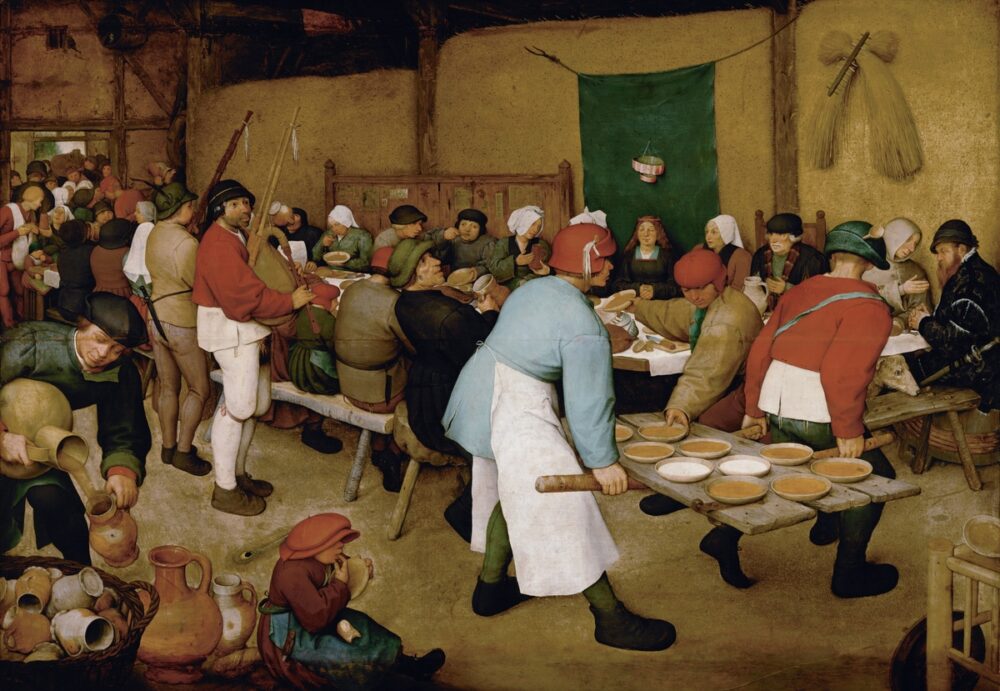
Christmas offered a rare pause in the demanding rhythm of medieval labor. Agricultural work slowed in winter, and many trades paused or reduced activity during the holiday season.
Social hierarchies also softened temporarily. Servants might dine with masters, games replaced formal behavior, and everyday discipline eased. These brief changes helped release tension in an otherwise rigid social structure.
5. Rowdy celebrations and the Feast of Fools challenged authority
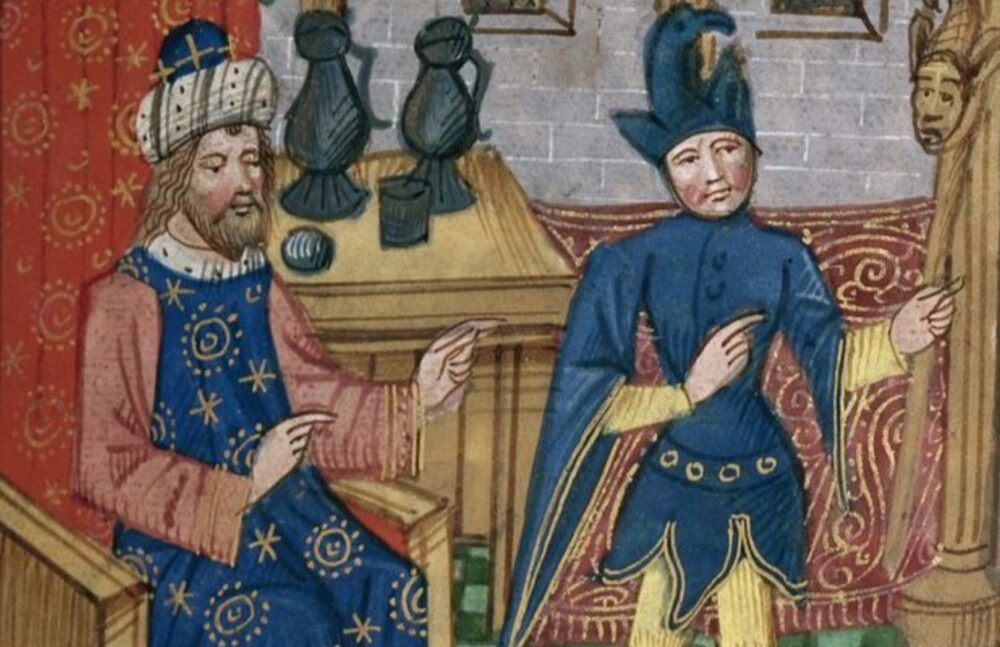
One of the most striking features of medieval Christmas was the presence of deliberately chaotic celebrations. In some regions, events like the Feast of Fools allowed lower-ranking clergy or townspeople to parody religious ceremonies, wear masks or costumes, and mock authority figures.
Church leaders repeatedly tried to suppress these practices, arguing they undermined religious order. Despite this, the celebrations persisted for centuries. Historians believe they served a social purpose, providing a controlled outlet for frustration and reinforcing authority by temporarily turning it upside down.
These events remind us that medieval Christmas was not always solemn. It could be noisy, irreverent, and uncomfortable for those in power, reflecting a broader tradition of sanctioned disorder during the darkest time of the year.
6. Gift-giving existed, but it was limited and symbolic
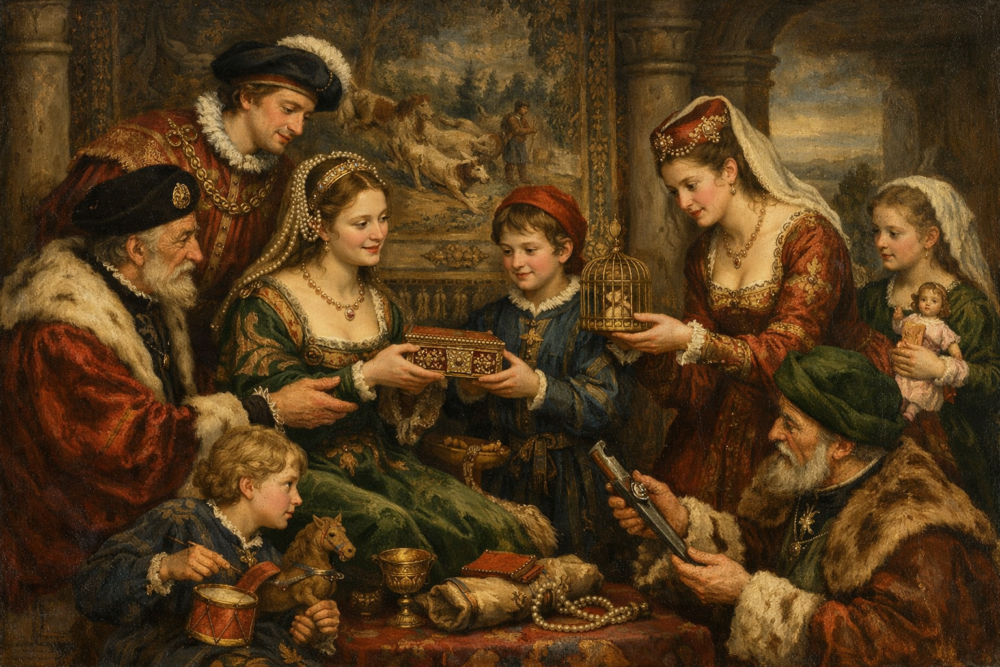
Gift-giving played a much smaller role than it does today. When gifts were exchanged, they were often practical or symbolic rather than personal surprises.
Lords might distribute food, clothing, or coins to dependents. Religious gifts, such as candles or donations to churches, were common. Lavish personal gifts were largely reserved for royalty and elite households.
Follow us and access great exclusive content every day
7. Music, carols, and storytelling brought people together
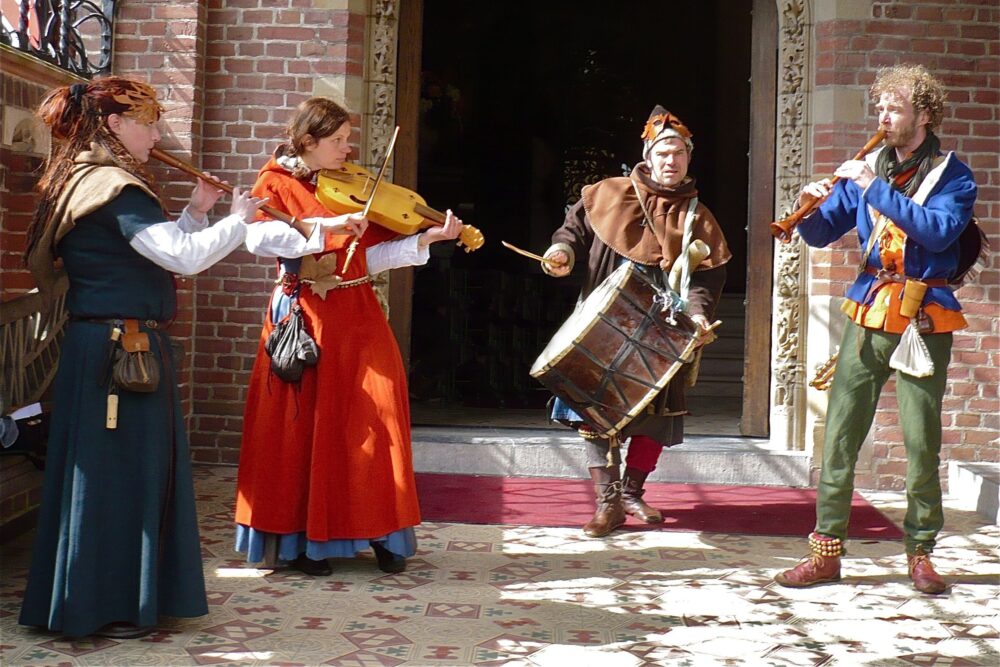
Music was central to medieval Christmas celebrations. Early carols were often communal songs performed in public spaces, combining religious themes with local language and humor.
Storytelling and performances also played an important role. Mystery plays dramatized biblical stories, especially the Nativity, making religious narratives accessible to largely illiterate populations.
8. Decorations were simple and rooted in nature
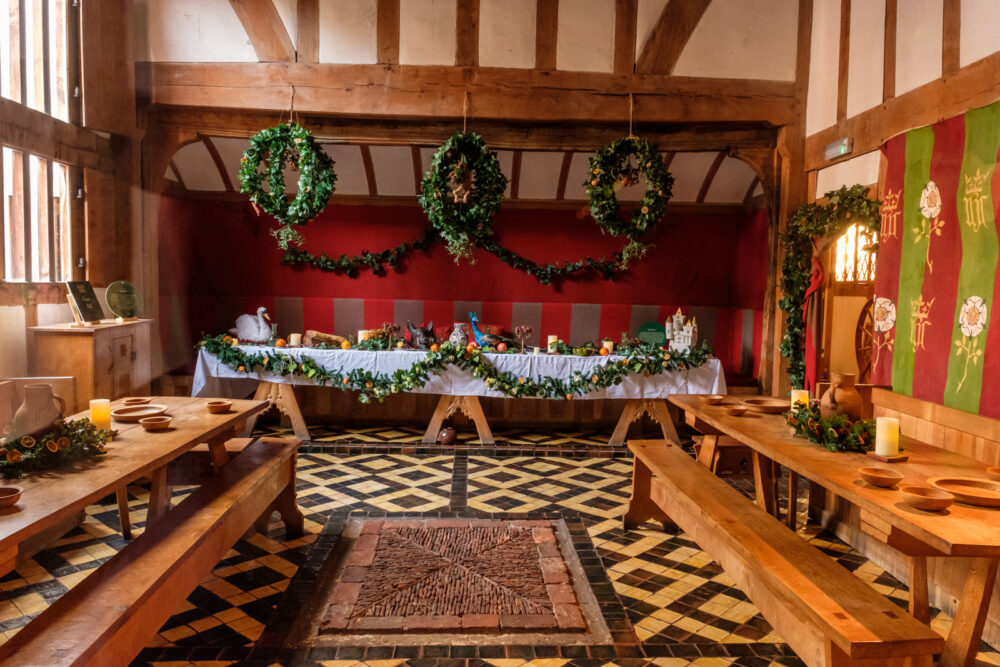
Medieval decorations relied on natural materials. Evergreen branches, holly, ivy, and candles brightened homes and churches during the darkest days of winter.
These decorations blended Christian symbolism with older seasonal customs, emphasizing continuity of life and hope during cold, difficult months.
Follow us and access great exclusive content every day
9. Christmas celebrations varied widely by region and class
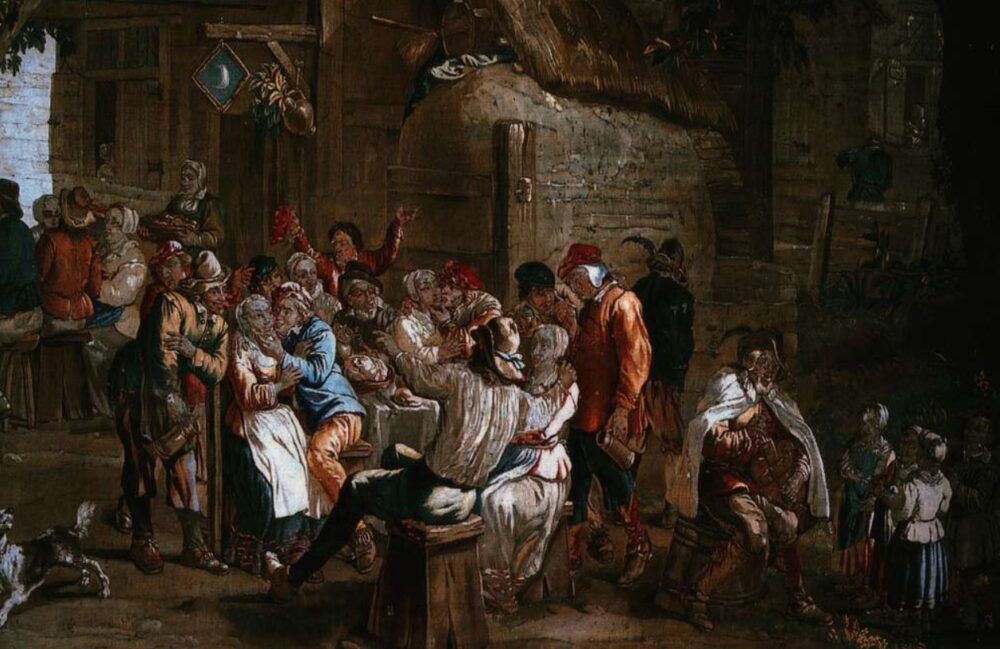
There was no single medieval Christmas experience. Wealthy nobles enjoyed extended feasts and entertainment, while peasants marked the season more modestly.
Regional customs also differed across Europe. Climate, local traditions, and political influences shaped how Christmas was observed, making it a diverse and evolving holiday.
10. Medieval Christmas shaped traditions that still exist today
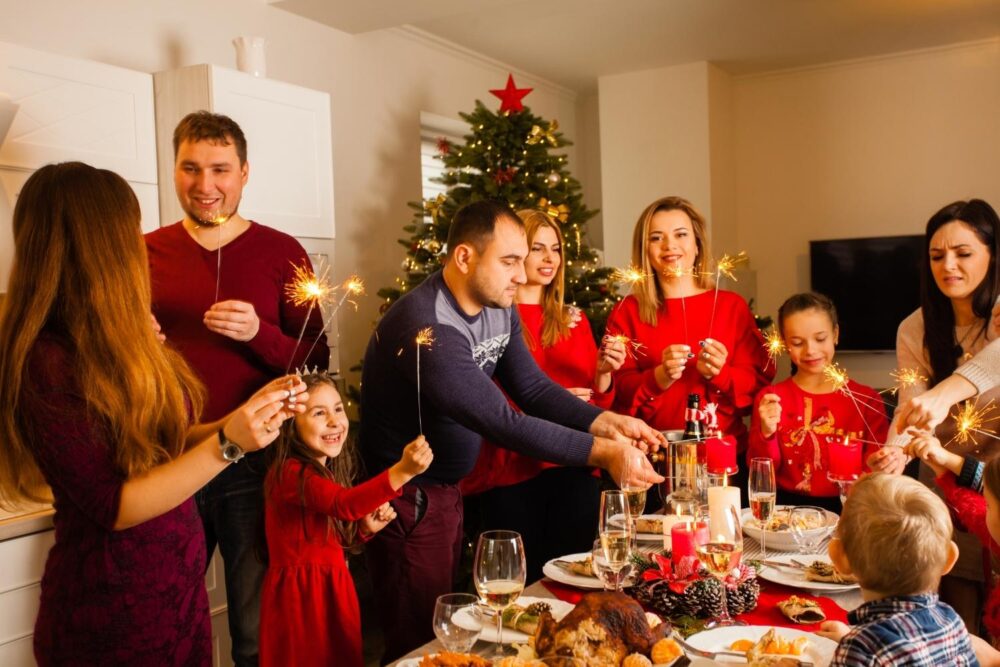
Many modern Christmas traditions have roots in medieval practices, including extended celebrations, communal feasting, caroling, and seasonal decorations.
While the holiday has changed dramatically, medieval Christmas reveals how people used faith, ritual, and celebration to endure winter and strengthen community. It was less about perfection and more about survival, meaning, and shared experience.