
Earth’s most violent events have left marks that still shape our world today.
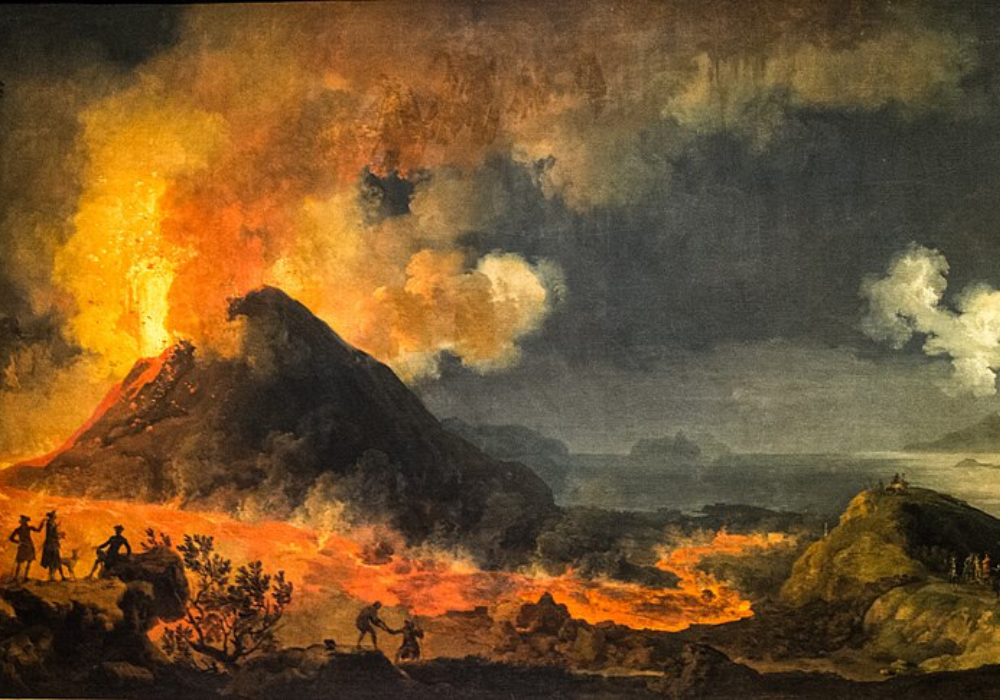
Natural disasters have altered the trajectory of human history by reshaping landscapes, disrupting civilizations, and influencing cultural evolution. From earthquakes that forced cities to relocate to volcanic eruptions transforming entire regions, these geological and meteorological events reveal much about human resilience. Drawing on expert sources like USGS and NOAA, this exploration highlights how understanding past disasters informs modern approaches to disaster preparedness and societal adaptation.
1. Earthquakes that reshaped ancient cities and altered settlement patterns.
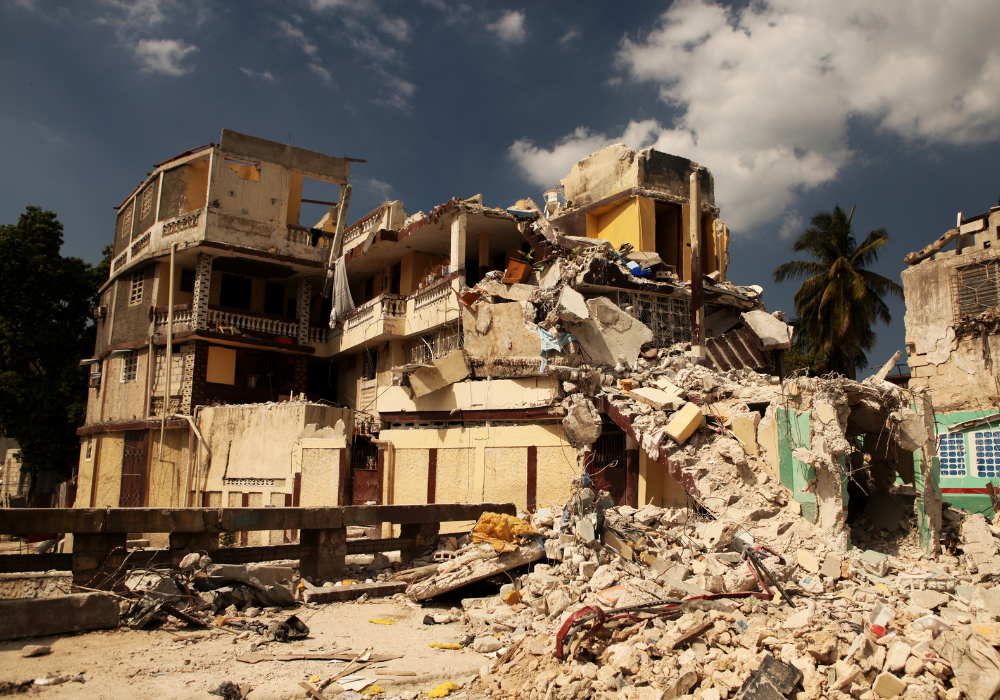
Vibrations deep within the earth’s crust occasionally unleash devastating earthquakes that can raze cities. Ancient societies felt their wrath, forcing shifts from longstanding settlements to safer grounds. Ancient Egypt’s Kahun fell, changing labor and social structures with cracks in a timeworn foundation.
The destruction influenced urban planning across civilizations. As earthquake survivors rebuilt, they incorporated insights into city design to minimize future risks. This seismic wisdom, like in Aristotle’s observations, persists in modern engineering, urging planners to anchor growth in observance of past tremors.
2. Volcanic eruptions that transformed landscapes and influenced civilizations.
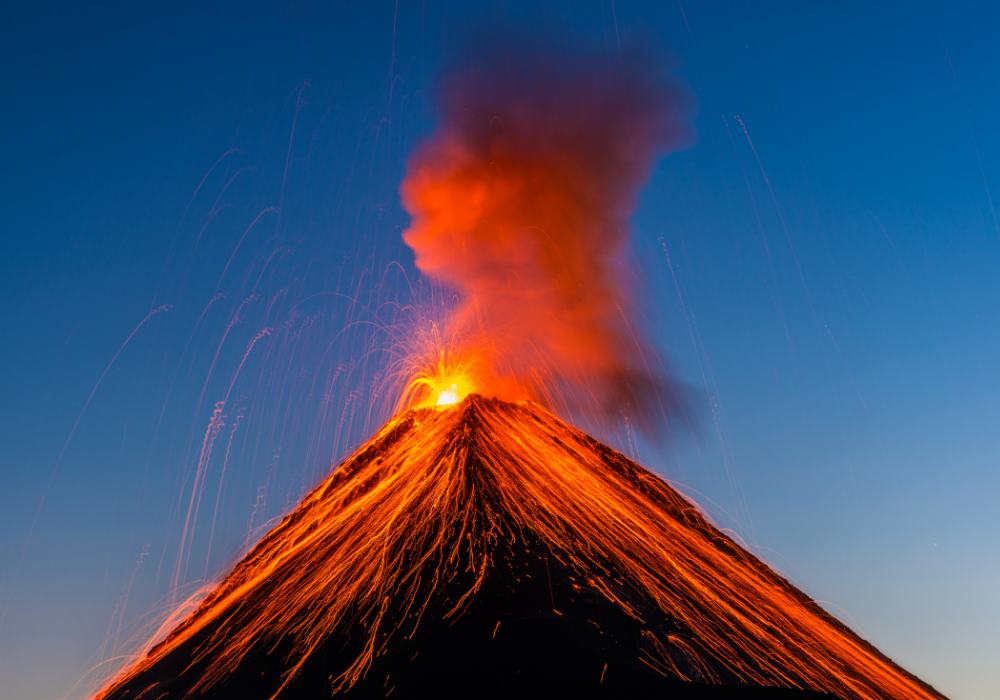
Volcanic eruptions have remarkable power to transform both landscapes and societies. You’ll find the historical ash layers of Thera, whose cataclysm forever changed Mediterranean civilizations. Erupting with force, it resculpted islands and disrupted maritime economies reliant on abundant sea routes.
Communities around volcanic sites often adapted, learning new agricultural and architectural techniques from these fertile but precarious locations. New soil conditions post-eruption fertilized crops, illustrating how disaster could also bear opportunity. Over centuries, human resilience harmonized with the rugged beauty of these landscapes.
3. Tsunamis that swept through coastal regions with devastating impact.
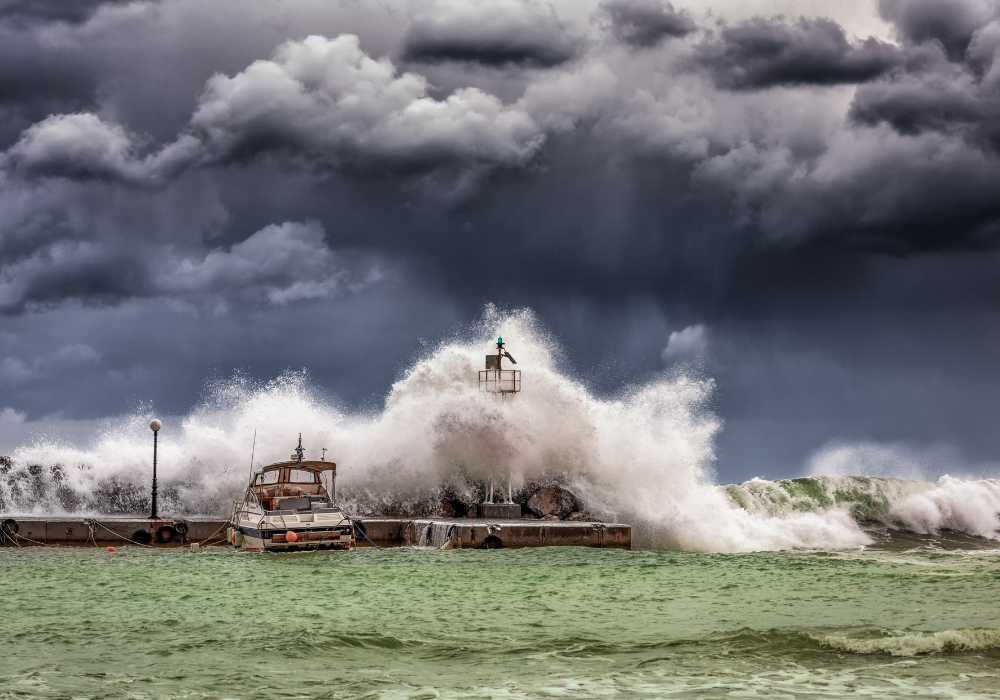
Tsunamis, immense waves born of oceanic tremors or landslides, have long devastated vulnerable coastal regions. The Indian Ocean tsunami of 2004 raced ashore with terrible velocity, impacting countless lives and economies. Entire coastal settlements disappeared beneath the roaring advance.
In historical chronicles, tsunamis reshape entire coastlines and societies. Ancient Greek cities, faced with such events, moved locations, transforming trade and communication hubs in response. Recognizing these threats, communities now utilize warning systems to guide swift evacuations, attempting to mitigate unpredictable watery assaults.
4. Floods that created fertile deltas and shifted agricultural practices.
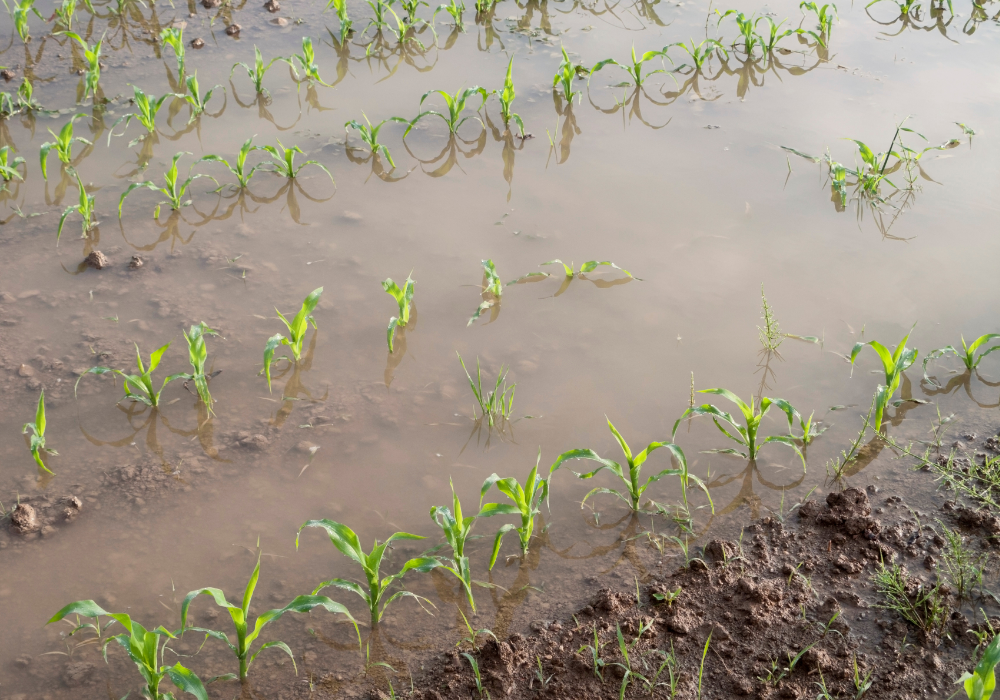
Rivers overflowing their banks create vast floods that can reshape entire landscapes, leaving organic sediment that enriches agriculture. The Nile’s historical floods birthed fertile deltas, sustaining Egyptian civilization for thousands of years with their life-giving silt.
Floods also disrupt established patterns, demanding adaptive agricultural techniques. Globally, humans have learned to manage such risks, constructing levees and developing crop rotation to reduce damage. The persistent presence of floods embedded lessons within cultural practices, guiding today’s sustainable farming innovations.
5. Hurricanes that disrupted trade routes and reshaped coastal defenses.
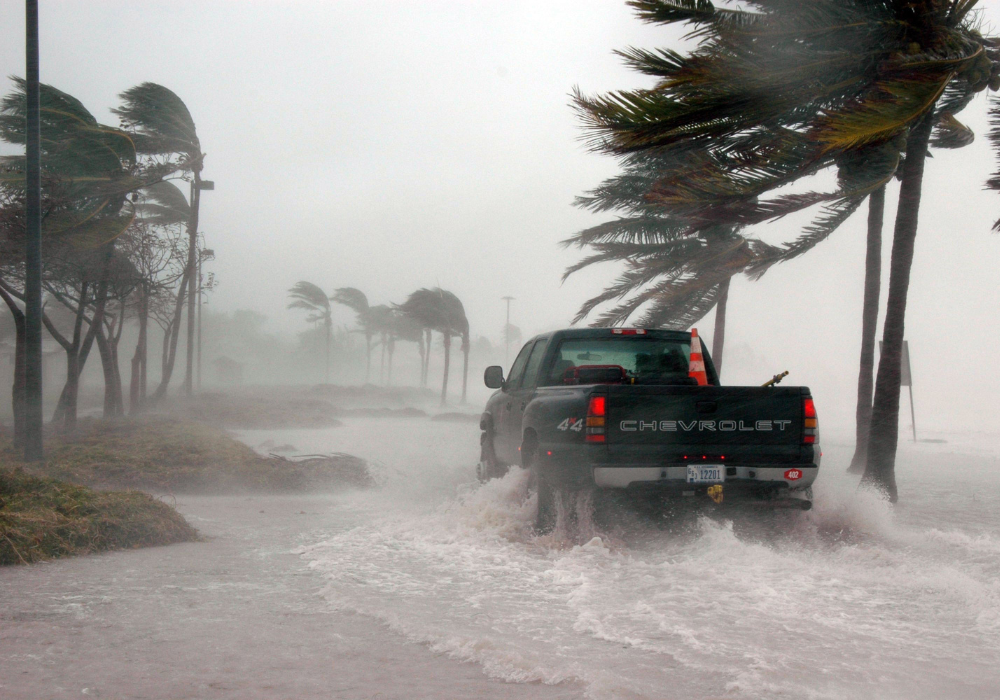
Hurricanes, formidable storms driven by warm ocean winds, have historically battered trade routes and settlements. The twisting force of Hurricane Katrina altered New Orleans and reshaped global awareness of coastal vulnerabilities, ripping through old defenses like obsolete threads.
Before modern meteorology, these tempests dictated strategic coastal fortification plans, impacting commerce and military strongholds. With hurricanes’ seasonal arrivals, societies endeavored to safeguard lives and commerce, drafting blueprints for future architectures designed to withstand ferocious gales.
6. Droughts that contributed to societal decline and migration movements.
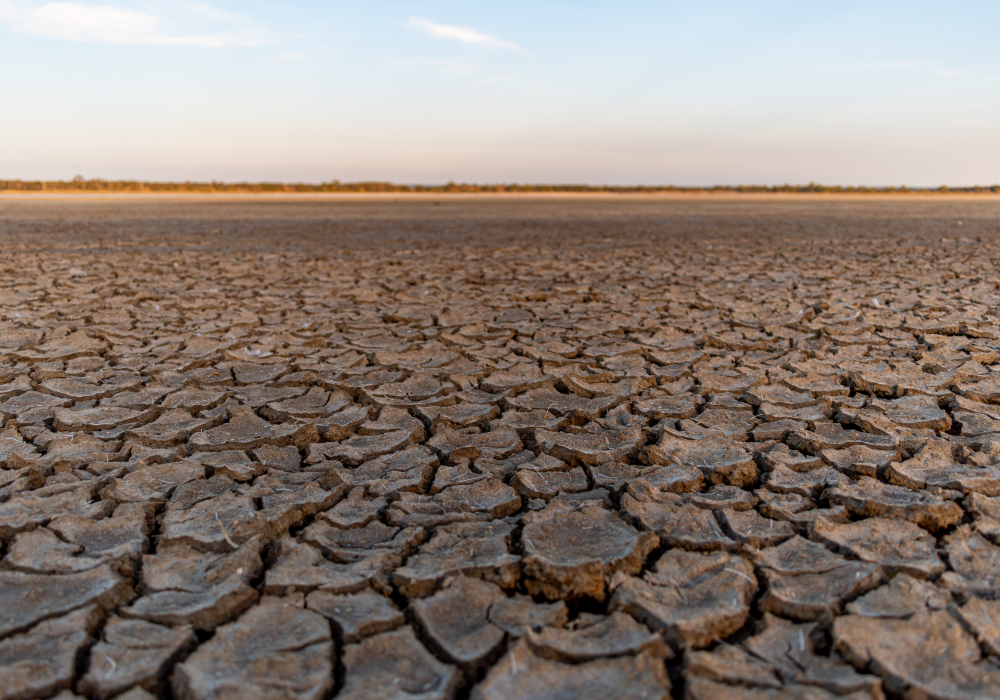
Periods of prolonged drought drain resources and strain societies, pushing populations toward collapse or migration. Mesopotamian civilizations, once thriving between rivers, declined under sustained droughts desiccating their essential waterways. When the land parchingly withholds rain, settlements fracture.
In response, communities historically adapted by developing water conservation strategies. Societies unable to cope with water scarcity eventually dispersed, diffusing cultural and technological innovations along migratory paths. Past droughts fuel modern understanding of climate resilience and resource management.
7. Wildfires that led to changes in land use and community planning.
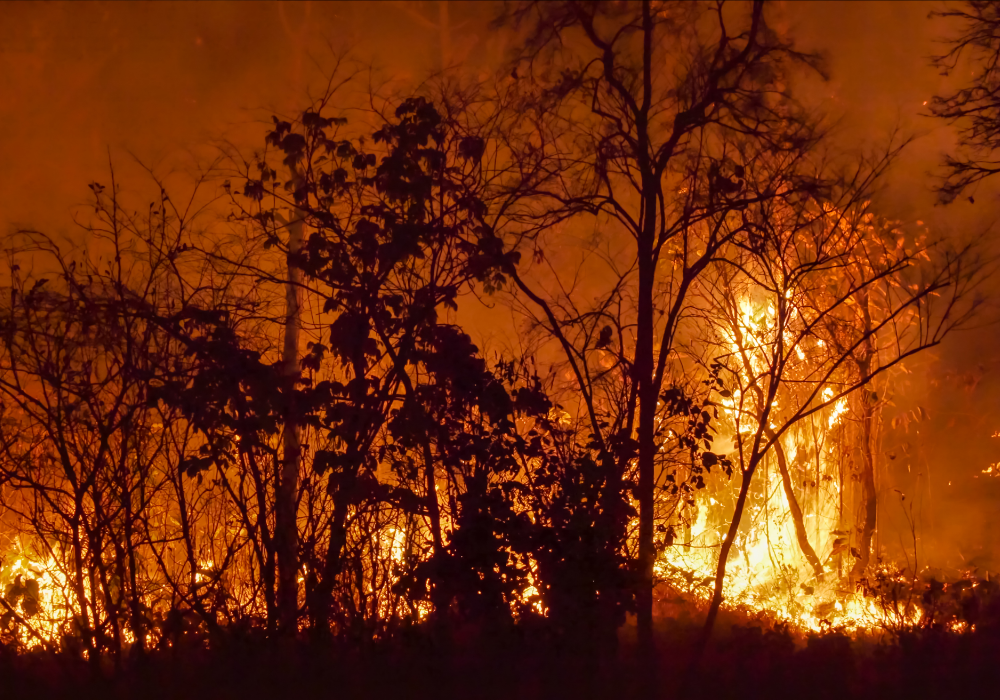
Wildfires, unpredictable yet transformative, can raze vast areas, wiping sapling groves and wooden structures alike in their path. The charred remnants of ancient wildfires left oaks blackened but enriched landscapes with nutrients, fostering renewed ecological cycles post-fire.
Communities historically altered their resource use following wildfires, realizing new land management practices. Fire break designs and controlled burns debuted through necessity, guiding humanity’s interaction with flammable terrains. This understanding fuels today’s proactive land management, embracing fire as both a destructive and regenerative force.
8. Tornadoes that caused significant destruction and influenced building codes.
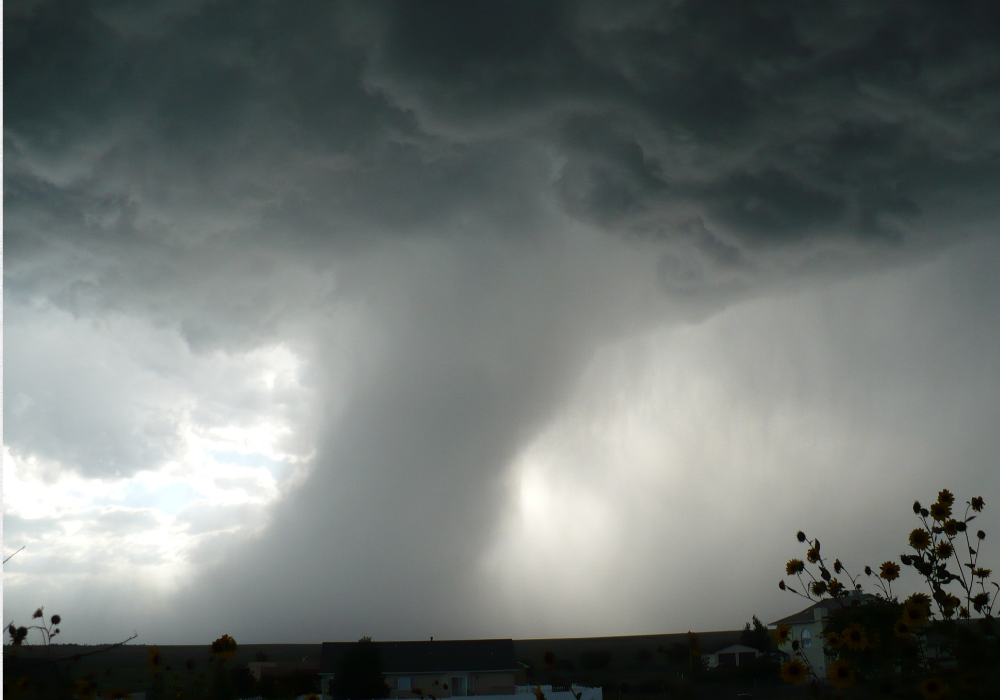
The ferocity of tornadoes wreak damage across towns and plains. The Great Natchez Tornado of 1840 devastated much of its namesake, influencing public perceptions of storm preparedness and response. Such swirling winds reveal the power contained in these violent atmospheric anomalies.
In wake of destruction, building codes evolved, mirroring nature’s unpredictability. Communities adaptively construct resistant structures, learning from past damages to better withstand the torrents. Recognition emphasizes proactive planning, fostering safety through enhanced architectural resilience.
9. Avalanches that altered mountain communities and travel routes.
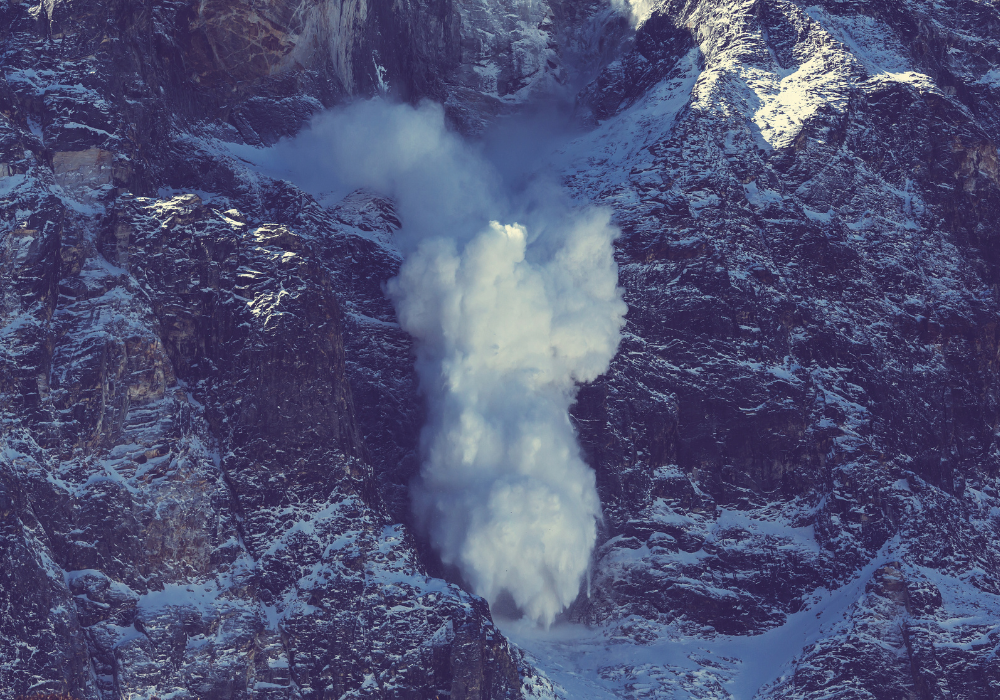
Avalanches unleash cascading snow that can obliterate mountain pathways and traditional travel routes. In Europe’s Alps, communities learned hard lessons from their relentless force, adjusting travel scripture and settlement patterns in answer to perpetual winter threats.
This relentless snow reshapes human interactions with mountainous terrains, prompting strategic relocations and engineering endeavors. Avalanche safety designs, such as barriers and diversion mounds, emerged to safeguard life’s precarious existence atop slippery slopes. These innovations reveal humanity’s ongoing dialogue with nature’s raw power.
10. Ice ages that affected human migration and environmental adaptation.

Ice ages brought Earth’s climates beneath chilling blankets, affecting human migration on a geological scale. The deep freeze fostered migrations like those across Beringia, as ancestors pursued seasonal wildlife over expansive icy pathways. Glacial sculpting formed new habitats and ecosystems.
As ice receded, humanity adapted to ecosystems anew, forging tools and strategies aligned with temperamental elements. This adaptation across millennia fortifies modern understanding of environmental resilience, marking humanity’s capacity to thrive even amid pervasive change over extended epochs.
11. Landslides that transformed terrains and affected ancient infrastructure.
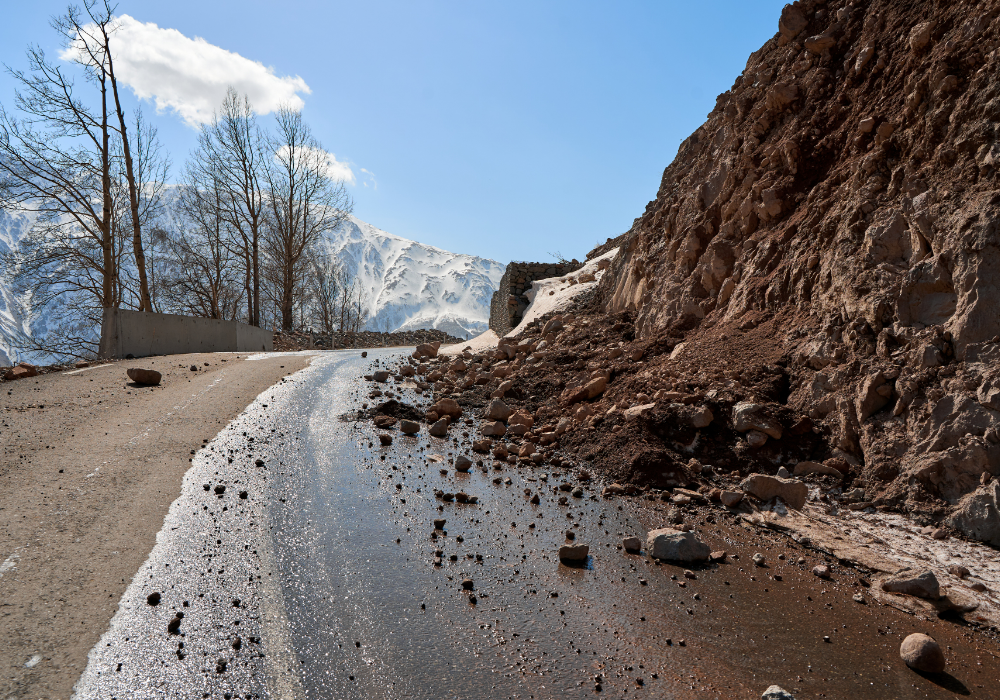
Landslides transform landscapes with unexpected, forceful shifts. In Peru, the Yungay landslide erased its path, displacing communities and dissolving human works into the terrain. Such events challenge human occupation of earthy thresholds with unpredictable soils shifting underfoot.
The aftermath often spurs reconsiderations of ancient construction practices, driving modern engineering efforts devoted to slope stability and risk assessment. Landslides shape civil engineering methodologies, informing the strategic planning necessary for thriving in harmonious equilibrium with Earth’s capricious surfaces.