
Hidden sensors deep in the jungle are picking up sounds humans can’t—revealing threats long before they strike.

Illegal poaching is one of the biggest dangers facing wildlife today, especially in remote forests where rangers can’t monitor every corner. But a new breakthrough in AI listening technology is giving conservation teams a powerful new tool. Scientists are deploying hidden acoustic sensors that can pick up the faintest sounds—gunshots, chainsaws, motorbikes, and other noises linked to illegal activity. The system analyzes sound instantly and alerts rangers within seconds. This real-time detection could transform how wildlife is protected, especially in areas where poachers often strike unseen.
1. AI Listening Sensors Detect Threats Humans Often Miss
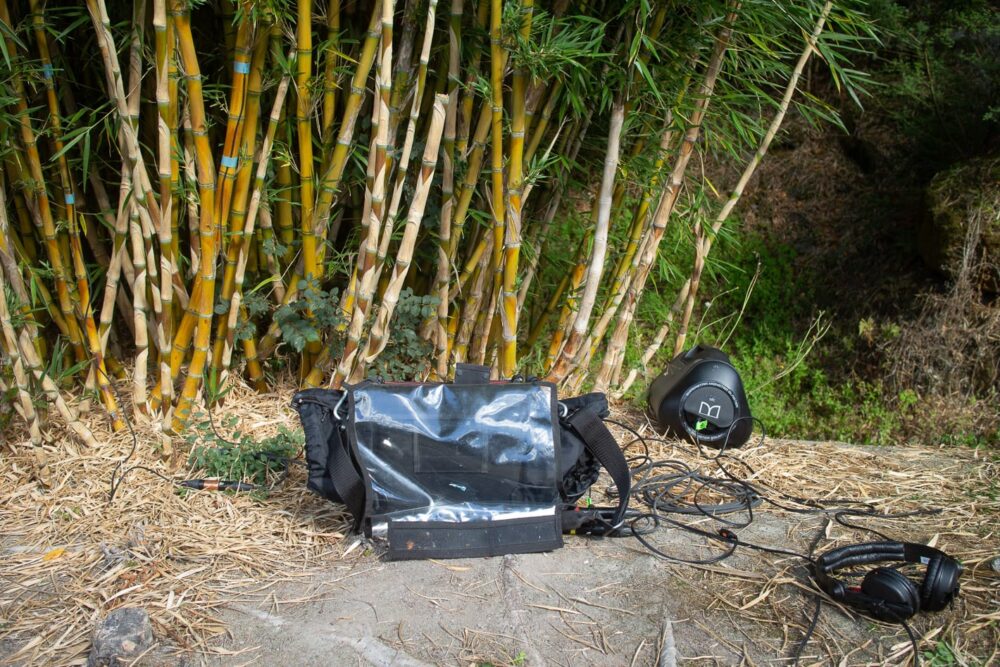
These devices are designed to capture a wide range of sounds that would normally go unnoticed by people, especially in dense forests where noise travels unpredictably. The system can recognize gunshots, chainsaws, vehicle engines, and other signals associated with poaching. It listens constantly and doesn’t tire or lose focus the way humans can.
Once a suspicious sound is detected, the AI identifies it within seconds. The speed and precision of this analysis give rangers detailed, immediate insight into where potential threats are happening, even miles away.
2. Real-Time Alerts Allow Rangers to Respond Faster

Once the AI classifies a dangerous sound, it sends an alert directly to rangers through connected systems. These alerts can include the type of sound detected and its GPS location. Instead of waiting for physical evidence or delayed reports, rangers can mobilize instantly.
This rapid response capability is a major shift from traditional patrol methods. Early intervention not only helps stop poachers before they harm wildlife but also increases the chances of catching offenders in the act. It turns passive monitoring into active, targeted protection.
3. The Devices Are Hidden Throughout the Forest Canopy
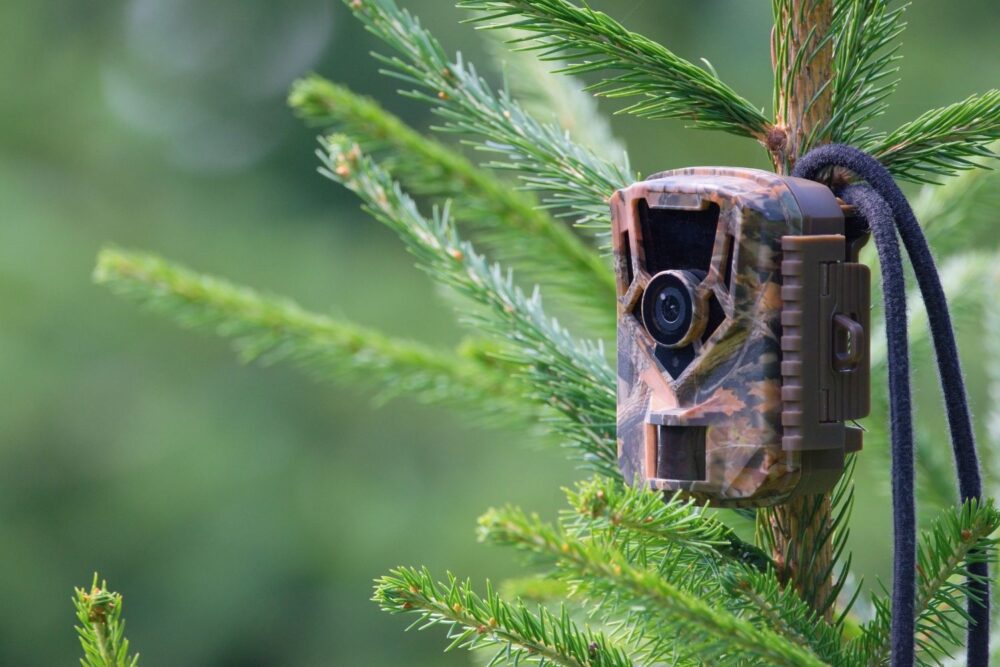
To be effective, the sensors must be difficult for poachers to spot or disable. That’s why they are mounted high in trees, blending into the forest canopy. From above, they can monitor large areas while remaining out of reach from those trying to avoid detection.
Their elevated placement also improves sound capture. Higher positions reduce interference from ground-level obstacles and allow the sensors to cover much greater distances. This strategic design makes them a quiet but powerful presence across vulnerable habitats.
4. The System Can Also Detect Illegal Logging Activity
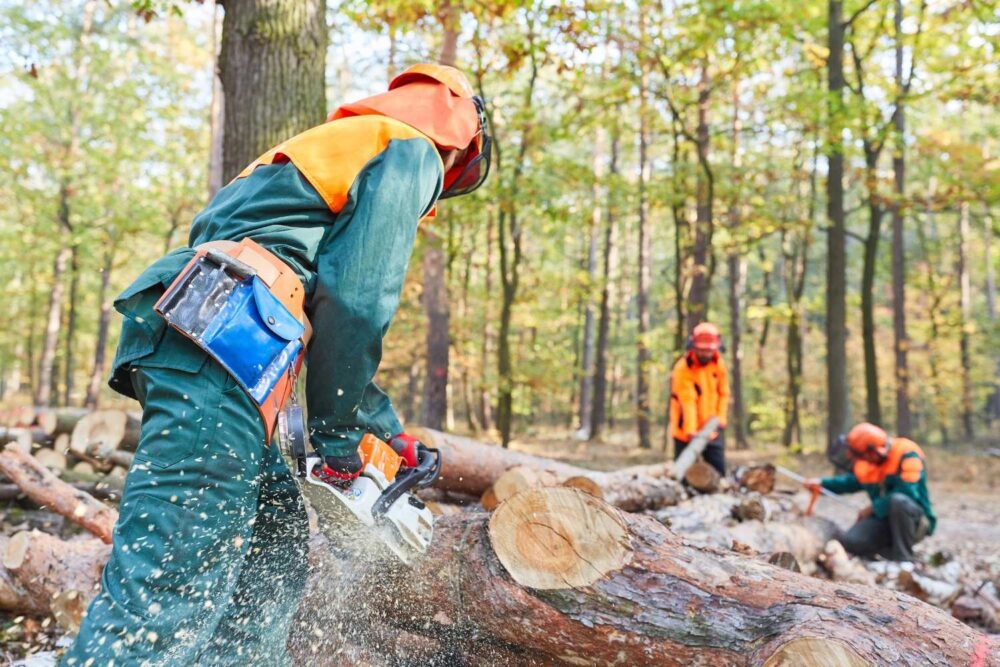
While gunshots are a major focus, the AI can also identify the sounds of chainsaws—one of the clearest indicators of illegal logging. This dual use makes the technology valuable for both wildlife protection and forest conservation. Logging often occurs in remote areas where enforcement is difficult.
When the system detects chainsaw noise, it alerts conservation teams immediately. This helps authorities respond quickly, preventing further damage and discouraging illegal operations. Protecting the forest indirectly helps wildlife too, since many species depend on intact habitats for survival.
5. AI Dramatically Expands How Much Territory Rangers Can Cover
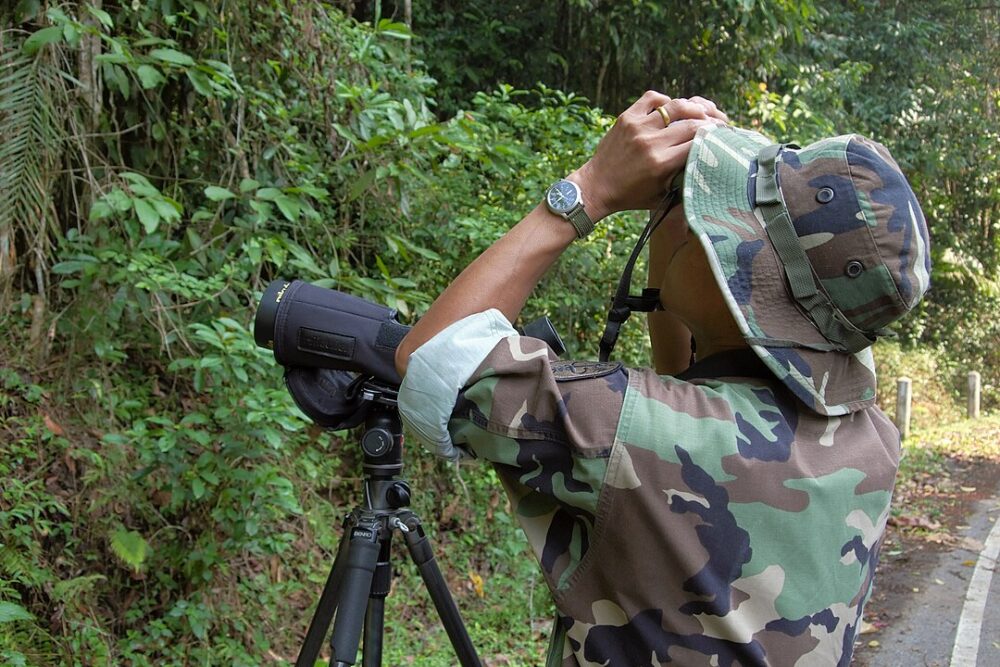
Traditional patrols rely on humans physically walking or driving through vast areas, which limits how much ground can be covered—and when. The new AI listening network changes that by creating a continuous monitoring system that never sleeps. It essentially gives rangers “ears” in places they can’t always reach.
Because each sensor monitors a wide radius, even a small number of devices can extend surveillance across huge landscapes. This increased reach strengthens protection programs without requiring significantly more staff or resources, making it ideal for underfunded conservation teams.
6. The System Works Even in Harsh, Remote Conditions

Many wildlife reserves are located in rugged terrain with extreme heat, humidity, or heavy rainfall. The AI listening devices are built to withstand these conditions. Their durability means they can remain active for long periods without constant maintenance.
This reliability is essential because poachers often operate during early morning hours, late at night, or in bad weather—times when traditional patrols may struggle. With AI sensors running continuously, the forest remains monitored around the clock, regardless of conditions or visibility.
7. Poachers Often Rely on Stealth—But the Forest Now Listens Back

Poachers try to avoid detection by moving quietly, operating at night, or targeting areas far from ranger posts. But the AI system makes it harder for illegal activity to stay hidden. Even small, distant sounds can be recognized and analyzed.
This reduces the advantage poachers once had. Their presence is no longer dependent on someone spotting them visually. The forest itself, through these sensors, becomes an active participant in protecting wildlife, reducing the opportunities for illegal hunting to go unnoticed.
8. Conservation Groups Are Already Seeing Encouraging Results

Early deployments of this technology have shown promising outcomes. Rangers have been able to reach areas of concern more quickly, and detection accuracy has been high. These improvements help prevent harm and act as a strong deterrent to would-be poachers.
The ability to intervene earlier also increases the chances of gathering evidence or identifying illegal operations before they escalate. Conservation teams say this technology is already shifting the balance in favor of wildlife by making surveillance more reliable and proactive.
9. Instant Detection Helps Protect Endangered Species

Many endangered animals—such as elephants, rhinos, and big cats—are targeted for their horns, tusks, or skins. Because they often live in remote regions, poachers take advantage of the limited monitoring. AI listening devices provide an added layer of protection for these vulnerable species.
The quicker response times can prevent injuries or deaths that would otherwise go unnoticed for hours or even days. By reducing the time between detection and intervention, the technology gives endangered animals a far better chance of survival.
10. The Technology Can Strengthen Anti-Poaching Strategies Worldwide

Although the current focus is in specific conservation areas, the system can be replicated across many global hotspots. Countries battling poaching can deploy similar networks, adapting the sensors to different forests, savannas, or wildlife corridors.
This creates the potential for a coordinated, worldwide strategy. As more regions adopt AI listening systems, illegal hunters will face increasing difficulty operating undetected. Over time, the shared use of technology could transform international wildlife protection.
11. AI Listening Tools Offer Hope for the Future of Conservation

Poaching has long been a devastating challenge, but tools like these show that technology may finally put rangers a step ahead. By making forests safer and improving the speed of intervention, AI listening systems represent a promising new direction in conservation.
They also highlight how innovation, science, and field expertise can work together to protect threatened species. As the technology expands and improves, conservationists hope it will help create safer environments where wildlife can recover and thrive.