
What scientists learned from shark eyes that function despite damage and extreme darkness.

For centuries, Greenland sharks have lived in the dark, icy depths of the Arctic, surviving far longer than almost any other vertebrate on Earth. Their extreme longevity has made them biological curiosities, but scientists are now paying close attention to one unexpected feature: their eyes.
New research published in Nature Communications focuses on how these sharks sense light despite living in near-total darkness and carrying parasites on their eyes. The findings challenge long-held assumptions about what damaged or aging eyes can still do.
By studying how Greenland shark eyes function under extreme conditions, researchers believe they may uncover clues that could one day help protect or preserve human vision as it ages.
1. Why Greenland Shark Eyes Fascinated Scientists
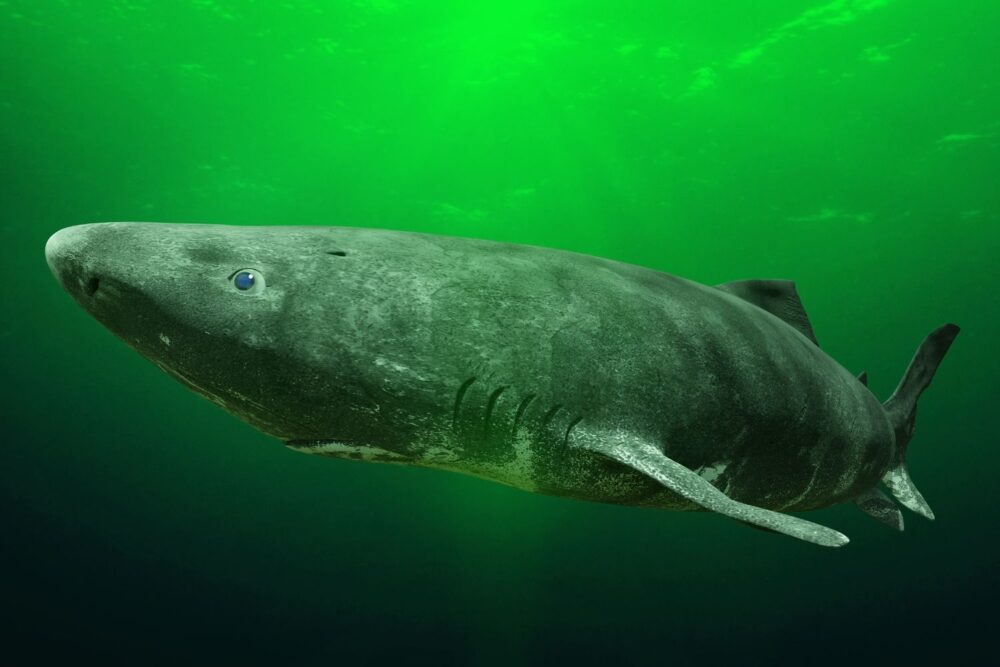
Greenland sharks live for centuries in deep, murky waters where sunlight barely penetrates. For a long time, scientists assumed vision played little role in their survival. Their eyes often appear clouded or damaged, reinforcing the idea that sight was unimportant.
But closer study revealed something surprising. Despite appearances, these sharks still respond to light, suggesting their eyes retain functionality even when traditional vision seems compromised.
2. The Parasite That Changed How Researchers Looked at Vision
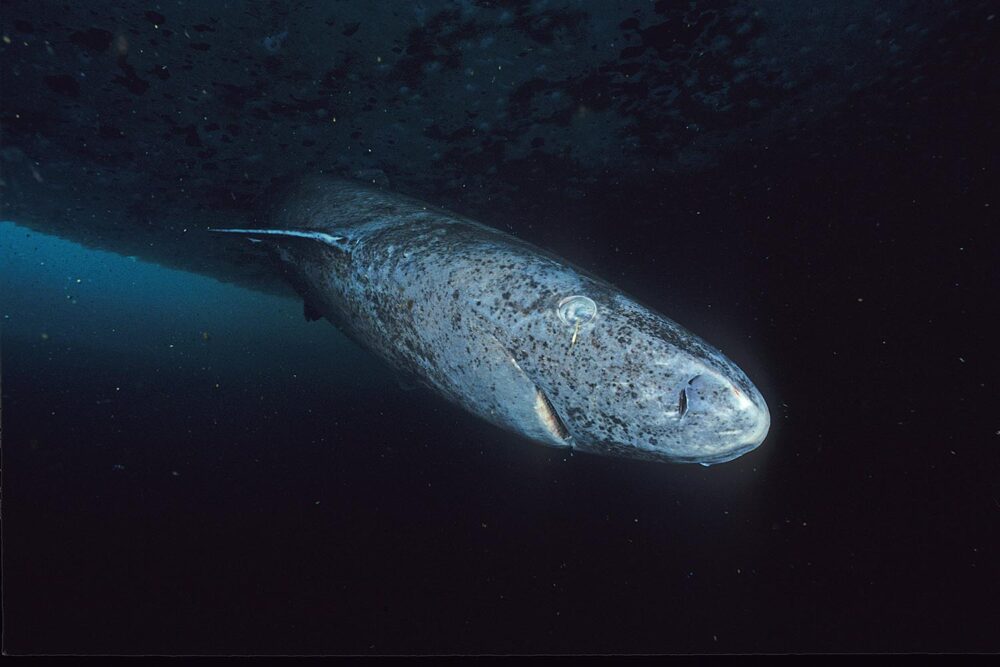
Many Greenland sharks host a copepod parasite that attaches directly to the surface of the eye. At first glance, this looks like it would make vision nearly impossible. For decades, it reinforced the belief that the sharks were effectively blind.
However, researchers noticed behavior that didn’t match blindness. Sharks still reacted to changes in light, pushing scientists to reconsider how vision works when eyes are damaged but not destroyed.
3. Seeing Without Sharp Images

The research suggests Greenland sharks don’t rely on detailed images the way humans do. Instead, their eyes appear specialized for detecting light intensity rather than forming clear pictures.
That ability is critical in deep water, where even small changes in light can signal movement, prey, or surface conditions. It shows that vision doesn’t have to be sharp to be useful. This reframes eyesight as a spectrum of abilities rather than a single all-or-nothing sense.
4. Why Light Detection Still Matters in the Deep
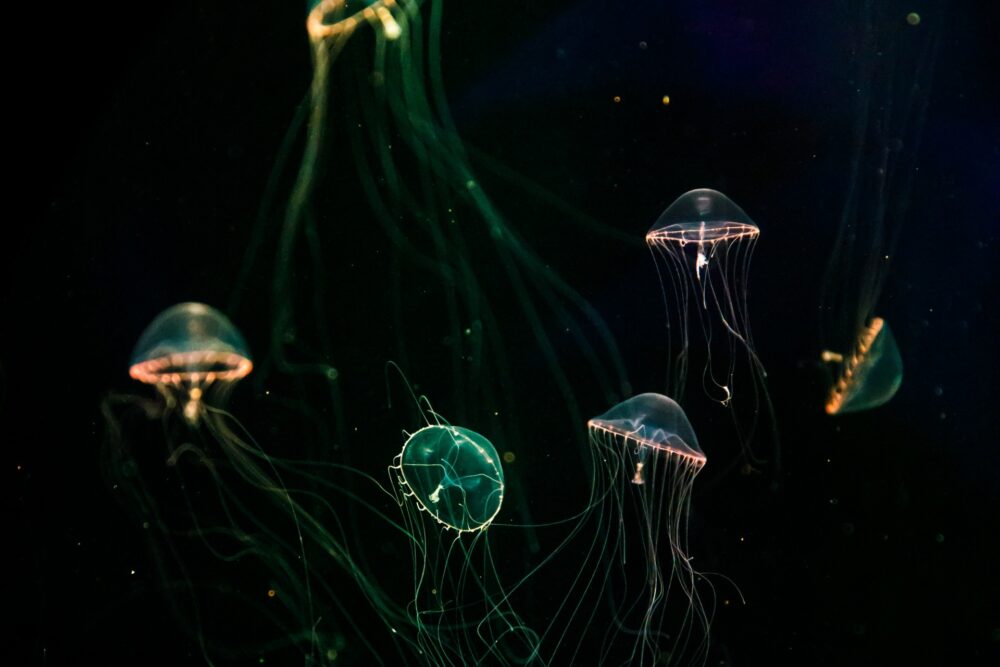
Even in the deep ocean, light carries information. Faint glows from the surface, bioluminescent organisms, or seasonal changes can all be detected. Greenland sharks seem tuned to notice these subtle cues.
This challenges the idea that eyes must be perfect to remain functional. Instead, partial vision may still offer enough information to guide behavior and survival. In environments like the deep sea, that limited information can be the difference between reacting and drifting blindly.
5. What This Reveals About Eye Damage and Aging

Human eyes often lose clarity with age or disease, but that doesn’t always mean vision is gone. Greenland shark eyes show that sensory systems can remain useful even when visibly compromised.
Researchers see parallels between these sharks and aging human eyes, especially when it comes to adapting to reduced clarity while preserving essential light sensitivity. This suggests that maintaining partial function may be more important than restoring perfection.
6. Why This Research Matters for Human Vision
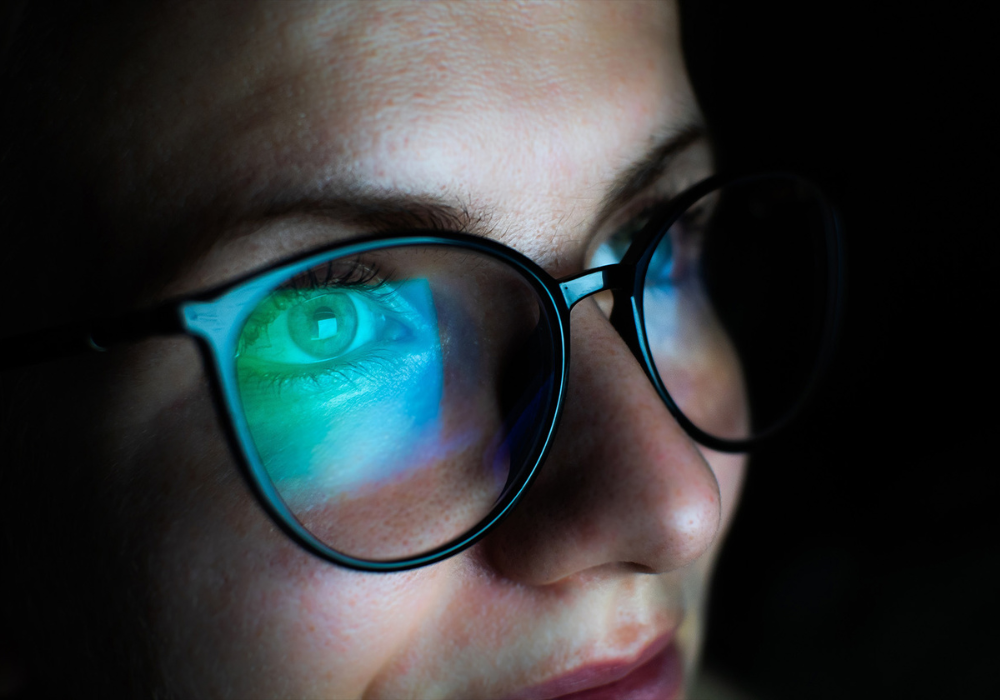
Scientists studying Greenland shark eyes are especially interested in how light-sensitive cells continue working despite damage, parasites, and centuries of use. The sharks’ eyes appear to prioritize detecting brightness and movement over sharp detail, allowing them to function in extreme conditions.
That insight matters for humans because many age-related eye conditions don’t eliminate all vision at once. Instead, they reduce clarity while leaving light perception intact. Understanding how these systems stay active could guide new approaches to preserving sight.
Rather than focusing only on restoring perfect vision, future treatments might aim to protect or enhance remaining light sensitivity, improving quality of life even when damage can’t be reversed.
7. The Role of the Retina in Low-Light Survival

The shark retina appears adapted to extreme darkness, with structures that favor sensitivity over resolution. This allows the eye to gather as much light as possible from the environment.
Studying these adaptations helps scientists understand how retinas can remain functional even when conditions or age reduce overall performance. It also highlights which retinal features are most critical to preserve when vision begins to decline.
8. What Makes Greenland Sharks So Valuable to Science
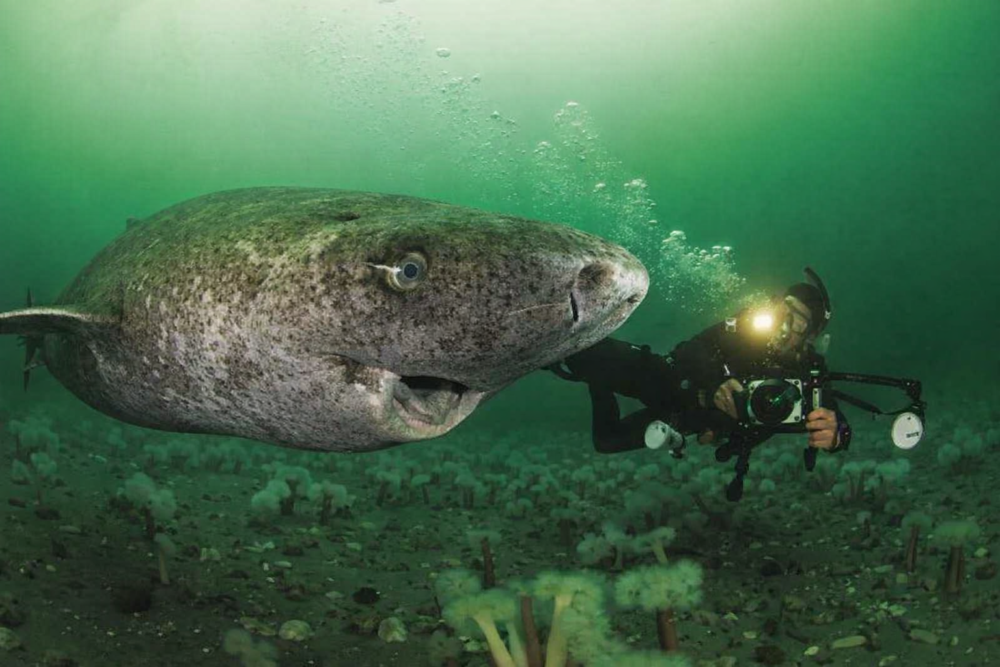
Their incredible lifespan offers a rare opportunity to study how biological systems endure over centuries. Most animals don’t live long enough to show how tissues age at such extreme scales.
Greenland sharks provide a living model for long-term resilience, including how sensory systems cope with damage rather than failing entirely. That endurance makes them uniquely valuable for aging research.
9. Why This Research Isn’t About Copying Shark Eyes
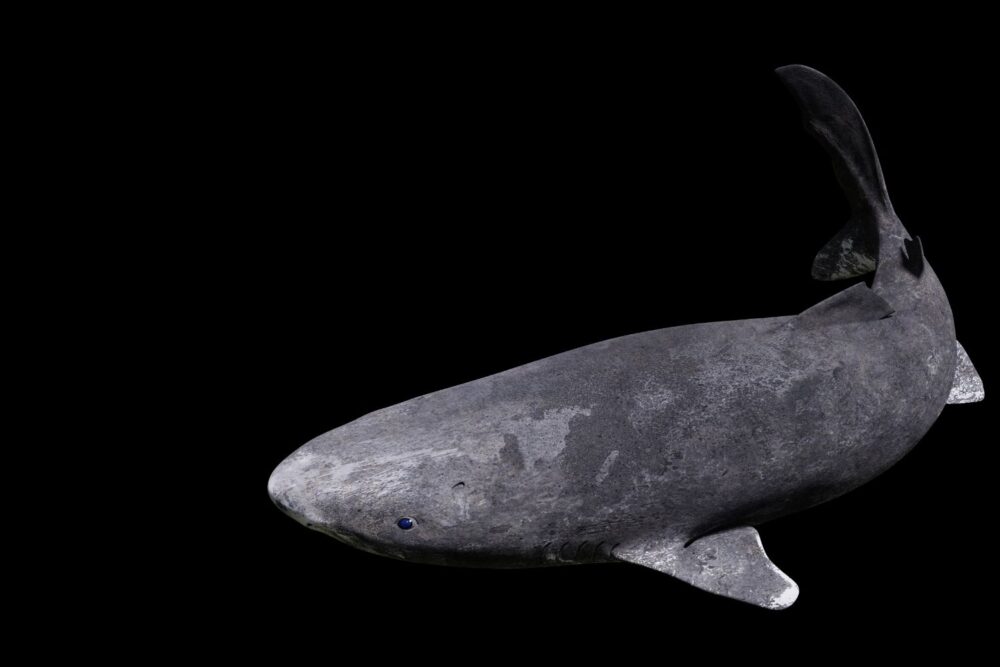
Scientists aren’t trying to give humans shark-like vision. Instead, they’re studying principles of resilience, adaptation, and prioritization within the eye.
Understanding which functions persist and why could help researchers design therapies that protect critical vision abilities even when full restoration isn’t possible. The goal is learning from nature, not replicating it.
10. How This Fits Into a Bigger Picture of Eye Health

This work adds to growing research showing that vision loss isn’t always all-or-nothing. Partial function can still provide meaningful information to the brain.
By reframing how scientists think about “usable vision,” studies like this open new directions for treating degenerative eye conditions. It encourages approaches that value what remains, not just what’s lost.
11. Why an Arctic Shark Could Shape Future Medicine
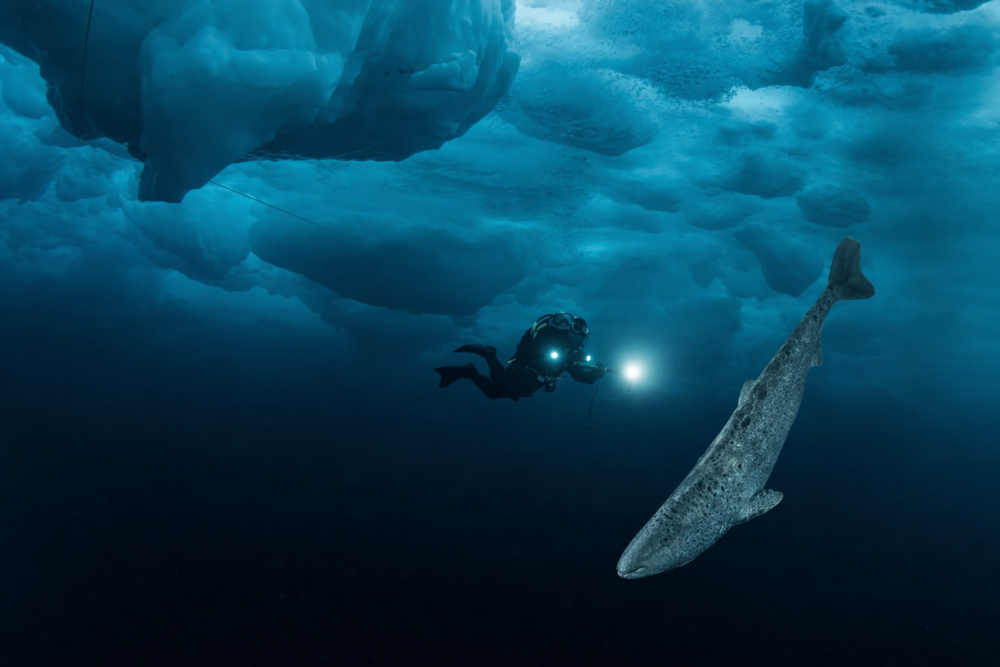
At first glance, a parasite-covered shark living in darkness seems irrelevant to human health. But biology often hides its best lessons in extreme environments.
By learning how Greenland shark eyes keep working against the odds, scientists may uncover strategies that help human eyes do the same, even as they age. Sometimes the most unlikely species offer the clearest insights into our own biology.