
Why age shapes what Americans expect from diversity equity and inclusion.
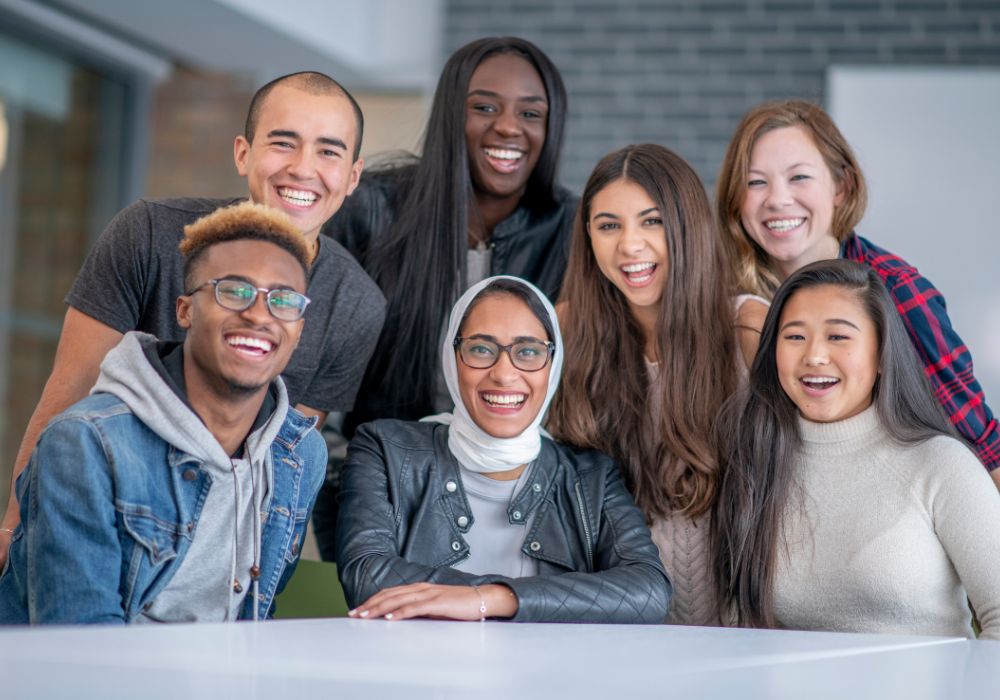
Diversity, equity, and inclusion are often discussed as shared values, but surveys suggest Americans don’t all mean the same thing when they talk about DEI. While younger and older generations broadly agree that inclusion matters, they differ sharply in how they define it and where they expect change to happen.
In the United States, about 30 percent of Gen Z say DEI is important, a higher share than the national average, but their understanding of DEI goes well beyond traditional ideas of representation. Younger adults are more likely to connect DEI to workplace culture, mental health, disability access, language inclusion, and gender identity.
Older generations often focus on fairness, opportunity, and equal treatment, shaped by the social and political contexts they grew up in. Understanding how each generation defines DEI helps explain why conversations about it can feel aligned in intent but divided in practice.
Click through to see where your views align with each generation.
1. Every generation says DEI matters but not for the same reasons

Across age groups, surveys show broad agreement that diversity, equity, and inclusion are important. What changes is the meaning behind that agreement. For some generations, DEI is about fairness and equal opportunity.
For others, it’s about visibility, belonging, and structural support. Researchers say this shared language but different interpretation is why DEI conversations often feel confusing or tense. People may agree on the goal while picturing very different outcomes.
Follow us and access great exclusive content every day
2. Older generations often focus on fairness and equal treatment
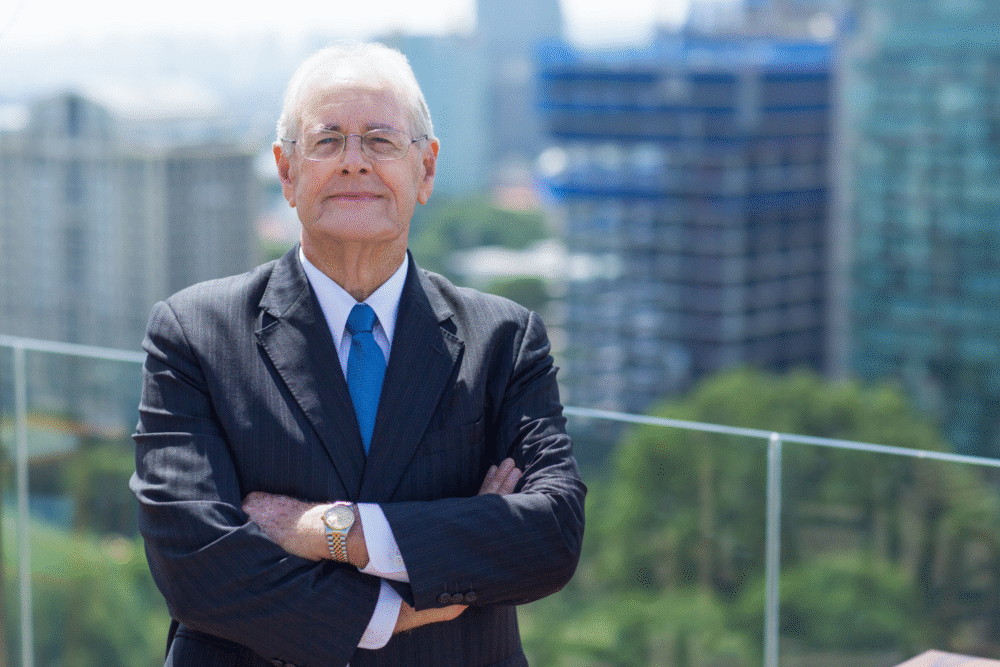
For many Boomers and Gen Xers, DEI is closely tied to ideas of equal rights and nondiscrimination. This perspective grew out of civil rights movements and workplace battles over access and opportunity.
Inclusion often means making sure rules are the same for everyone. Researchers say this framework emphasizes stability and consistency, reflecting the social struggles that defined earlier decades.
3. Millennials bridge values and workplace culture

Millennials tend to sit between older and younger generations in how they define DEI. Surveys suggest they care about fairness but also place growing importance on workplace culture and representation. Many entered the workforce during economic disruption and rising conversations about identity.
As a result, their view of DEI often blends equal opportunity with expectations around belonging, flexibility, and psychological safety at work.
Follow us and access great exclusive content every day
4. Gen Z views DEI through a broader and more nuanced lens

Gen Z approaches DEI with a wider definition than previous generations. Surveys show they are more likely to associate it with workplace initiatives, inclusive policies, and everyday experiences rather than abstract principles alone.
For Gen Z, DEI isn’t just about who gets hired, but about who feels supported once they are there. Researchers say this reflects growing up in more diverse classrooms and online spaces.
5. Mental health is part of how Gen Z defines inclusion

Unlike older generations, Gen Z is more likely to link DEI with mental health awareness and support. They see emotional wellbeing as connected to equity and access. This includes reducing stigma, offering accommodations, and acknowledging different needs.
Researchers say this marks a shift from viewing mental health as a private issue to seeing it as a shared responsibility within institutions.
Follow us and access great exclusive content every day
6. Disability and accessibility play a larger role for younger adults
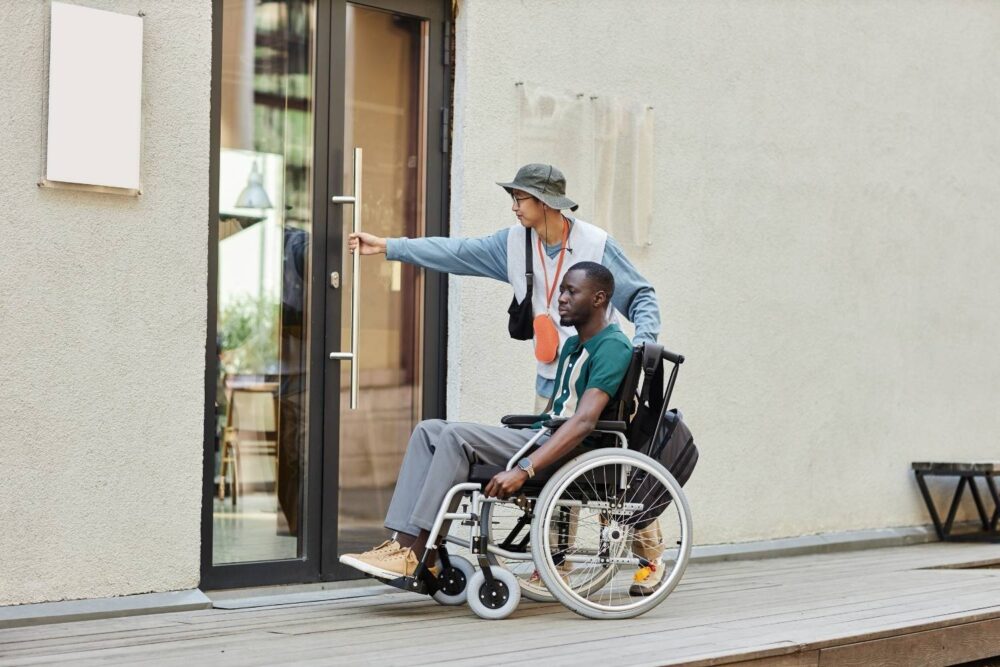
Gen Z surveys show higher concern for disability representation and accessibility. This includes physical access, digital usability, and workplace accommodations.
Younger adults are more likely to see accessibility as a core part of inclusion rather than a special consideration. Researchers say this reflects greater visibility of disability conversations in schools, media, and online communities.
7. Language and cultural inclusion matter more to younger generations

Younger Americans are more likely to associate DEI with language diversity and cultural expression. This includes translation access, multilingual communication, and respect for cultural differences.
Older generations may see these issues as secondary, but Gen Z often views them as essential for participation and belonging. Researchers say globalization and online connectivity have influenced this perspective.
Follow us and access great exclusive content every day
8. Gender identity is a key dividing line across generations

One of the clearest generational differences involves gender identity. Gen Z is significantly more likely than older generations to say non-binary and gender-fluid people are underrepresented.
They also expect institutions and brands to acknowledge and reflect that diversity. Older generations are less likely to include gender identity in their definition of DEI, which researchers say contributes to cultural tension around the topic.
9. Gen Z expects brands to actively reflect inclusion

Surveys suggest Gen Z places strong expectations on brands, not just workplaces or governments. They want companies to reflect diversity in messaging, products, and leadership. Inclusion, from this perspective, is something people should see and experience, not just hear about.
Researchers say this expectation reflects Gen Z’s consumer habits and their skepticism toward performative statements without action.
Follow us and access great exclusive content every day
10. Older generations often separate values from institutions

Boomers and Gen Xers are more likely to separate personal beliefs from corporate or institutional responsibility. They may support inclusion in principle but feel uncomfortable with overt messaging or mandates.
Researchers say this difference helps explain why DEI initiatives can feel polarizing even when values overlap. The disagreement is often about method, not intent.
11. These differences reflect when each generation came of age

Social scientists say generational views on DEI are shaped by historical context. Older generations experienced fights for legal equality. Millennials navigated cultural shifts in workplaces. Gen Z grew up amid digital activism and rapid social change.
Each cohort carries those experiences into how they define inclusion today. Understanding this context helps explain why perspectives diverge without assuming bad faith.
Follow us and access great exclusive content every day
12. Why understanding these definitions matters now

As workplaces, brands, and institutions navigate DEI conversations, generational differences matter more than ever. Initiatives that resonate with one group may alienate another if definitions aren’t clear.
Researchers say successful approaches will require recognizing that DEI is not a single concept but a collection of expectations shaped by age, experience, and culture. Bridging those gaps starts with understanding how each generation defines the goal.