
Rising temperatures and extreme weather are creating health risks for dogs, cats, and other animals that owners need to recognize.

If your dog seems more tired during summer walks or your cat has been sneezing more than usual, climate change might be the unexpected culprit behind these health issues. Veterinarians across the country are reporting dramatic increases in heat-related illnesses, respiratory problems, and infectious diseases in pets that directly correlate with rising temperatures and changing weather patterns.
Dr. Sarah Mitchell, a veterinary epidemiologist at UC Davis, notes that emergency vet visits for heat stroke in dogs have increased by 70% over the past decade, while tick-borne diseases are appearing in regions where they were never seen before.
1. Heat stroke in pets is becoming alarmingly common as summer temperatures keep breaking records.

Dogs and cats can’t regulate their body temperature the way humans do—they primarily cool down through panting and sweating through their paw pads, which makes them much more vulnerable to overheating. With summer temperatures regularly hitting record highs, veterinarians are seeing a surge in heat stroke cases that can cause organ failure, brain damage, and even death if not treated immediately.
Flat-faced breeds like bulldogs, pugs, and Persian cats are especially at risk because their shortened airways make it even harder for them to cool down effectively. Even a 10-minute car ride or walk on hot pavement can be enough to trigger heat stroke in vulnerable pets.
2. Ticks and fleas are thriving in warmer climates and spreading dangerous diseases to new areas.
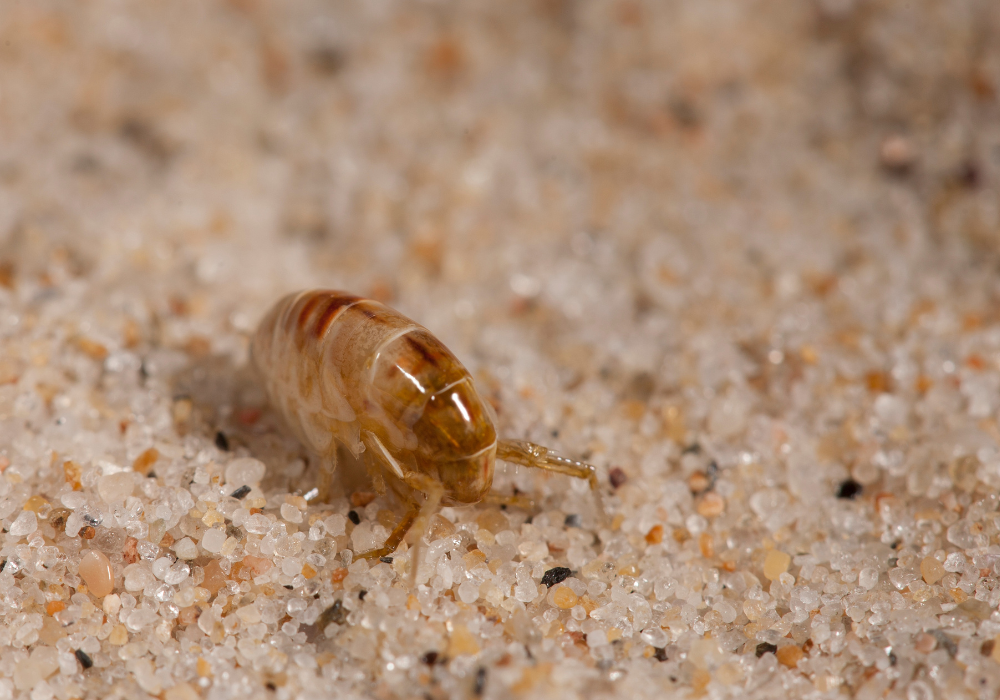
Warmer winters mean that ticks and fleas no longer die off during cold months like they used to, allowing their populations to explode and spread into regions where pets were previously safe from tick-borne diseases. Lyme disease, Rocky Mountain spotted fever, and other tick-transmitted illnesses are now showing up in areas that never had these problems before.
Flea infestations are lasting year-round instead of being seasonal, making it much harder for pet owners to control these parasites. Veterinarians are now recommending year-round parasite prevention even in northern climates where it was previously only needed during warmer months.
3. Allergy seasons are getting longer and more intense, making pets miserable for months instead of weeks.
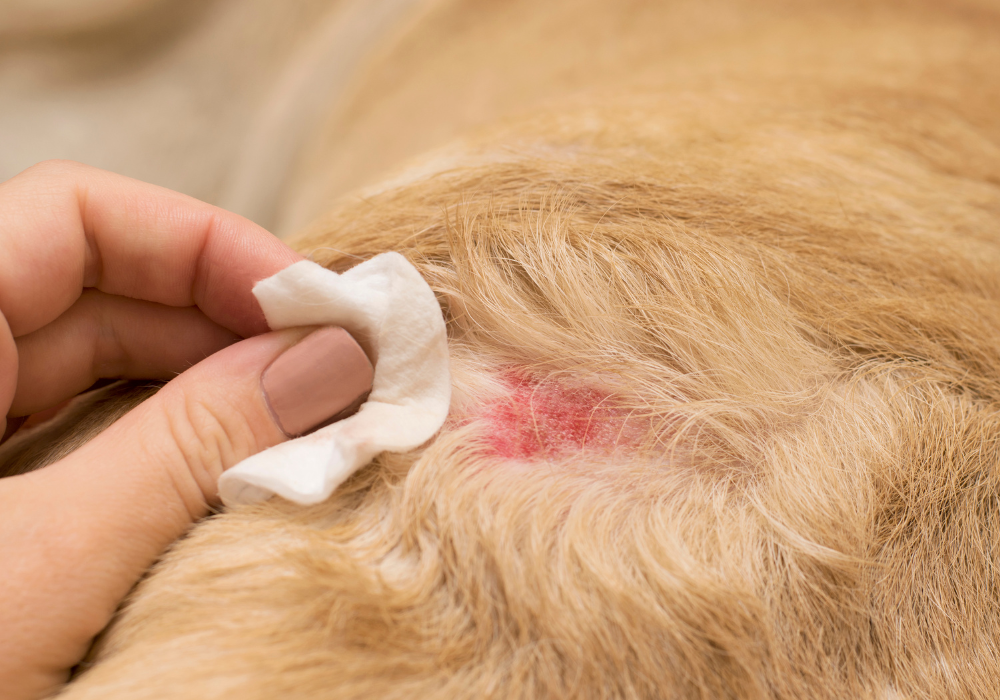
Just like humans, pets suffer from environmental allergies that are getting worse as plants release pollen for longer periods due to warmer temperatures and changing precipitation patterns. Dogs and cats are experiencing itchy skin, watery eyes, and respiratory symptoms that persist well into fall and even winter in some areas.
The increased CO₂ levels in the atmosphere are actually making plants produce more potent allergens, which means even pets who never had allergy problems before are starting to develop them. Veterinarians are prescribing allergy medications and treatments much more frequently, and for longer periods throughout the year.
4. Air pollution from wildfires is causing serious respiratory problems in pets across the country.

As climate change fuels more frequent and intense wildfires, pets are breathing in dangerous levels of smoke and particulate matter that can cause everything from minor coughing to serious lung damage. Dogs and cats have more sensitive respiratory systems than humans, so they often show symptoms of smoke exposure before their owners even notice the air quality problem.
Pets with existing conditions like asthma or heart disease are particularly vulnerable and may need emergency veterinary care during wildfire events. Even pets living hundreds of miles from active fires can be affected when wind carries smoke across vast distances.
5. Extreme weather events are causing anxiety and behavioral problems in sensitive animals.

More frequent thunderstorms, hurricanes, and other severe weather events are taking a psychological toll on pets who are naturally sensitive to barometric pressure changes and loud noises. Veterinarians are seeing increases in anxiety-related behaviors, destructive tendencies, and stress-induced health problems in pets who experience repeated exposure to extreme weather.
Some animals develop storm phobias that persist long after the weather passes, requiring behavioral therapy and sometimes medication to manage. The unpredictable nature of climate-related weather patterns means pets are experiencing stress triggers more frequently than ever before.
6. Vector-borne diseases are spreading as mosquitoes and other disease carriers expand their range.
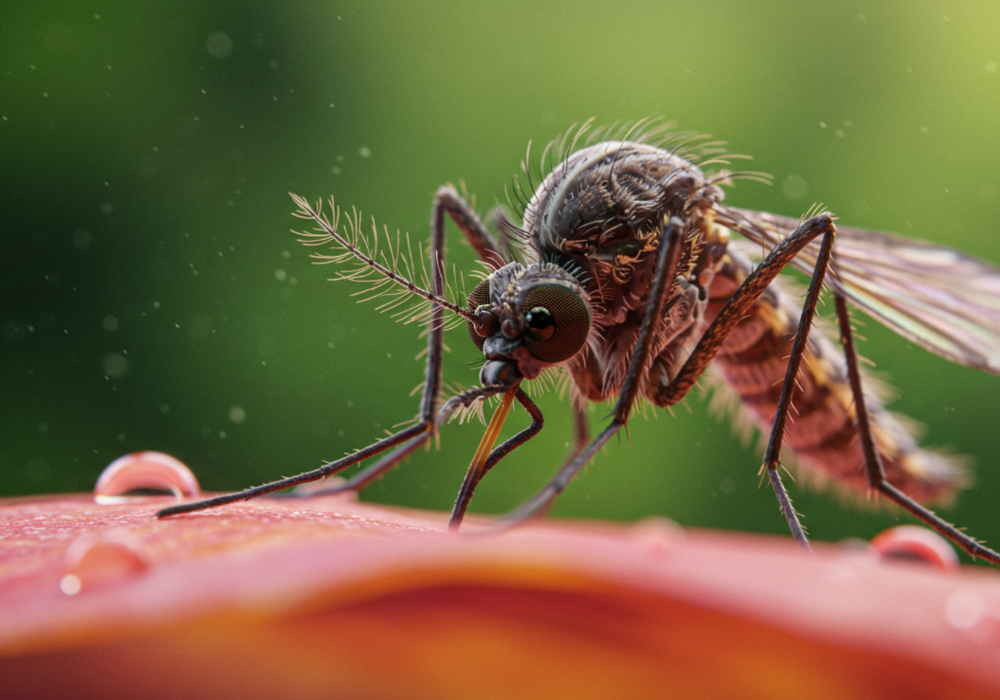
Warmer temperatures and changing rainfall patterns are creating ideal breeding conditions for mosquitoes, allowing them to survive in areas and seasons where they previously couldn’t. This expansion is bringing diseases like heartworm into regions where pets were historically safe from these parasites.
West Nile virus, Eastern equine encephalitis, and other mosquito-transmitted diseases are appearing in new geographic areas, catching pet owners and veterinarians off guard. Year-round heartworm prevention is now recommended in most parts of the country, whereas it used to be seasonal in many northern states.
7. Food and water sources are becoming contaminated more frequently during extreme weather events.

Heavy rainfall and flooding events are washing contaminants into water sources and spoiling pet food supplies more often than in the past. Pets drinking from puddles, streams, or even outdoor water bowls can be exposed to bacteria, parasites, and toxic algae blooms that thrive in warmer water temperatures.
Extreme heat is also causing pet food to spoil faster and creating conditions where harmful bacteria can multiply in food and water bowls left outside. Pet owners need to be more vigilant about providing fresh, clean water and properly storing pet food to prevent illness.
8. Temperature swings are stressing pet immune systems and making them more susceptible to illness.

Rapid changes between hot and cold weather put stress on pet immune systems, making them more vulnerable to infections and other health problems. Unlike gradual seasonal changes that pets can adapt to over time, the sudden temperature swings becoming more common with climate change don’t give animals’ bodies time to adjust properly.
This immune system stress can trigger flare-ups of chronic conditions like arthritis, skin allergies, and digestive problems. Older pets and those with existing health conditions are particularly vulnerable to these temperature-related immune system challenges.
9. Outdoor exercise routines are becoming dangerous during increasingly frequent heat waves.

The traditional dog walk schedule that worked for decades is now potentially dangerous during summer months as heat waves become more intense and frequent. Pavement temperatures can reach 150°F on hot days, causing severe burns to pet paw pads within seconds of contact.
Exercise-induced heat stroke is becoming more common as pet owners struggle to find safe times for outdoor activities during extended periods of extreme heat. Veterinarians are advising major changes to exercise routines, including early morning or late evening walks, indoor activities, and constant monitoring for signs of overheating.
10. Climate-related stress is affecting pet reproduction and overall health in subtle but important ways.

Chronic exposure to climate stressors like heat, poor air quality, and extreme weather is affecting pets’ reproductive health, immune function, and overall wellbeing in ways that may not be immediately obvious. Female pets may experience irregular heat cycles or fertility problems, while both male and female animals may show decreased energy, appetite changes, and increased susceptibility to infections.
These subtle health impacts can accumulate over time, potentially shortening pets’ lifespans and reducing their quality of life. Regular veterinary checkups are becoming even more important as vets learn to recognize and treat these climate-related health effects in beloved family pets.