
Rising heat, disasters, and uncertainty are fueling anxiety—therapists share ways to protect your mental health.

Climate change isn’t just reshaping the planet—it’s reshaping our minds. The American Psychological Association describes “eco-anxiety” as a chronic fear of environmental doom, and that fear is spreading fast. According to a recent APA survey, two-thirds of American adults report experiencing at least some level of anxiety or worry about climate change.
Therapists warn that this stress can spill into daily life, fueling sleepless nights, constant worry, and even depression. The good news is that experts are offering ways to cope, so the climate crisis doesn’t take over your mental health.
1. Uncertainty about the future is fueling constant worry
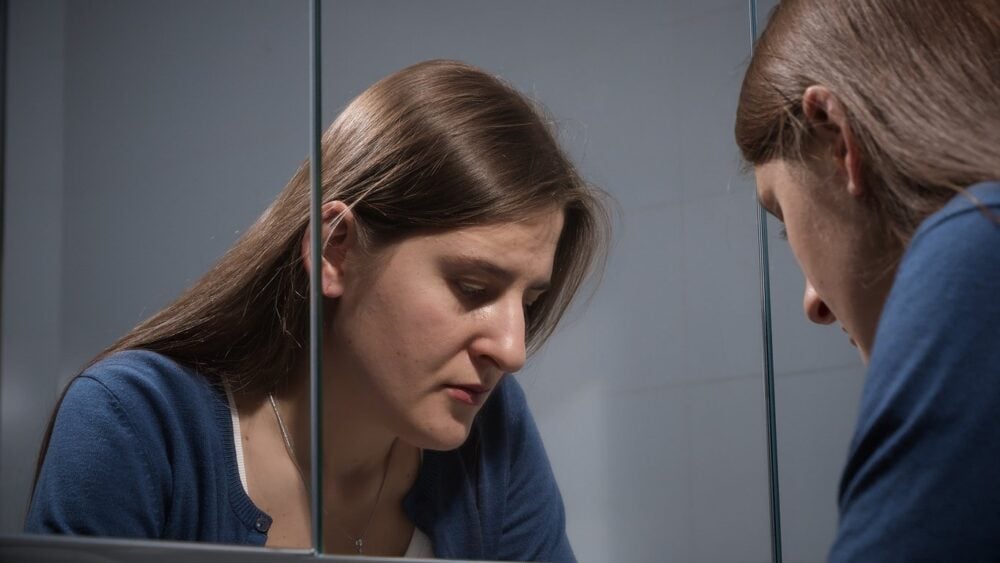
One of the heaviest mental burdens of climate change is the unknown. People wonder if their hometowns will still exist in 30 years, whether food will remain affordable, or if their children will inherit a livable planet. This uncertainty creates a constant, low-level stress that can be hard to shake.
Unanswered questions drain energy more than bad news itself. The mind races through possible outcomes, leaving people exhausted by “what ifs.” Mindfulness, grounding routines, and structured planning can slow the cycle, helping people regain a sense of calm even in the face of an uncertain future.
2. Younger generations are carrying the heaviest burden

Teens and young adults are reporting the highest levels of eco-anxiety. Many describe feeling robbed of a stable future, knowing they’ll live longest with the consequences of today’s choices. The uncertainty about jobs, housing, and safety only magnifies the pressure.
Older adults often recall progress on environmental issues, but younger people are immersed in constant alarming forecasts. Recognizing this generational gap is key. When families and communities validate those fears instead of dismissing them, young people feel less isolated and more supported in coping with their climate concerns.
3. Extreme weather is triggering trauma and stress

Hurricanes, floods, wildfires, and heatwaves aren’t just environmental events—they’re traumatic experiences. Survivors often report symptoms similar to post-traumatic stress disorder, including flashbacks, hypervigilance, and anxiety long after the disaster ends.
First responders, outdoor workers, and residents in disaster-prone areas face repeated exposure, which increases the chances of long-lasting trauma. Addressing climate impacts now means not only rebuilding infrastructure but also providing access to mental health support for those who endure these terrifying events again and again.
4. The constant news cycle is fueling daily anxiety

Scrolling through climate headlines can feel overwhelming. Reports of melting glaciers, record heat, or wildlife collapse arrive daily, leaving many people stuck in a cycle of fear. Instead of motivating change, constant bad news often paralyzes people with hopelessness.
Small changes can interrupt this spiral. Setting time limits on news consumption, focusing on constructive stories, or even taking “climate news breaks” are strategies experts recommend. By protecting mental health in this way, people can stay informed without drowning in a wave of negativity.
5. Feelings of guilt are adding to the pressure

Many people internalize guilt over their own contributions to climate change. From driving to flying to eating meat, daily choices can feel like constant failures in the fight for the planet. This guilt can build into shame and self-criticism.
Reframing that guilt as motivation helps reduce the sting. No one individual can solve climate change, but small, intentional choices—combined with collective action—restore a sense of control. Shifting from blame to empowerment allows people to participate in solutions without carrying crushing personal responsibility.
6. Climate stress is worsening sleep problems

For many, climate worries follow them to bed. Sleepless nights filled with fear about the future are becoming common, especially among young adults. Lack of rest then worsens anxiety, creating a vicious cycle that leaves people even more depleted.
Simple evening routines can help restore calm. Writing thoughts in a journal, practicing breathing exercises, or disconnecting from news before bed can all reduce racing thoughts. Restful sleep isn’t just physical recovery—it strengthens the mind against the daily weight of climate anxiety.
7. Communities are experiencing collective grief

Entire communities affected by rising seas, wildfires, or drought often describe a deep sense of loss. It’s not just homes that disappear—it’s landscapes, traditions, and ways of life. This grief is powerful and widespread, even among those who haven’t directly experienced disaster.
Gathering to share that grief can make a difference. Community ceremonies, cultural practices, or even informal support groups allow people to mourn what’s vanishing together. Collective acknowledgment provides strength and meaning, turning shared pain into shared resilience.
8. Eco-anxiety is fueling activism—but also burnout
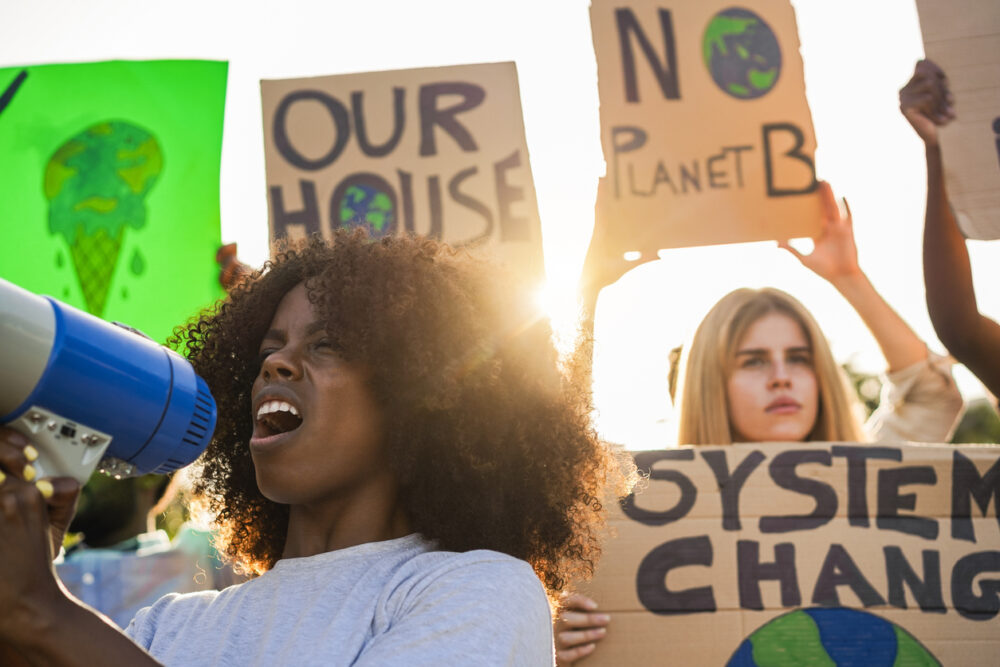
For some, climate stress translates into action. Protests, advocacy, and grassroots organizing have grown worldwide, fueled by fear and frustration. Activism can empower people, providing community and a sense of purpose.
The risk comes when action never pauses. Fighting a relentless battle without rest leads to exhaustion and despair. Experts recommend balancing activism with self-care, reminding people that movements are marathons, not sprints. Sustainability applies to human energy as much as it does to the planet.
9. Children are asking harder questions about the future

Parents are noticing their kids asking about climate change earlier and more often. Questions like “Will our house be safe?” or “Will there be animals when I grow up?” reveal how deeply the issue touches younger minds.
Honest but age-appropriate conversations help children feel safe. Avoiding the topic can heighten fear, but simple explanations paired with reassurance foster trust. When adults model calm and constructive responses, kids learn to process fear without being overwhelmed by it.
10. Climate change is deepening existing inequalities
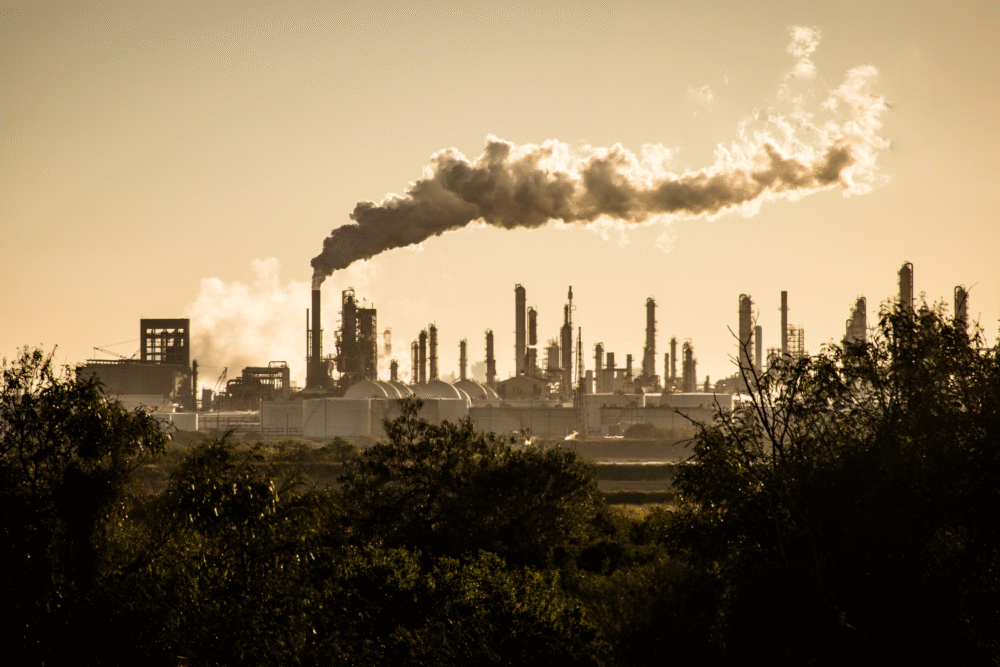
Marginalized groups often face greater climate stress. Communities already struggling with poverty, discrimination, or limited resources are hit hardest by disasters, compounding trauma and anxiety. For workers with little job security, even small disruptions cause outsized stress.
Support has to be tailored. Recognizing that climate anxiety intersects with inequality ensures that solutions aren’t one-size-fits-all. Providing equitable access to mental health resources means the most vulnerable aren’t left behind in coping with this global challenge.
11. Therapists are building climate-focused practices

A growing number of counselors now specialize in “climate-aware therapy,” designed specifically to address eco-anxiety. These sessions provide tools for coping with fear, guilt, and grief tied to climate change.
The rise of this field reflects how mainstream the issue has become. Just as trauma-informed care reshaped counseling decades ago, climate-aware therapy is quickly gaining traction. More people are finding that their concerns are not only valid but also supported by professionals trained to help.
12. Coping strategies are focused on reclaiming agency

Action, even on a small scale, restores a sense of control. Joining community sustainability projects, planting trees, or shifting consumption habits are ways to reconnect with agency. These steps may feel modest, but they anchor people in possibility.
The cumulative effect matters. By focusing on manageable actions instead of overwhelming problems, individuals can move from powerless to proactive. That shift in perspective helps ease anxiety and builds resilience against the fear of climate change.
13. Building resilience is key for the future

Experts agree that climate change will continue shaping mental health for decades to come. The challenge isn’t to erase fear, but to prepare minds and communities to withstand it.
Resilience doesn’t mean denial—it means strength. Accepting reality while building skills to adapt emotionally ensures that fear doesn’t overwhelm. By focusing on resilience, people can move forward with greater stability, even as the climate crisis intensifies around them.