
Ancient societies adapted to extreme climate shifts—strategies that hold surprising lessons for today.
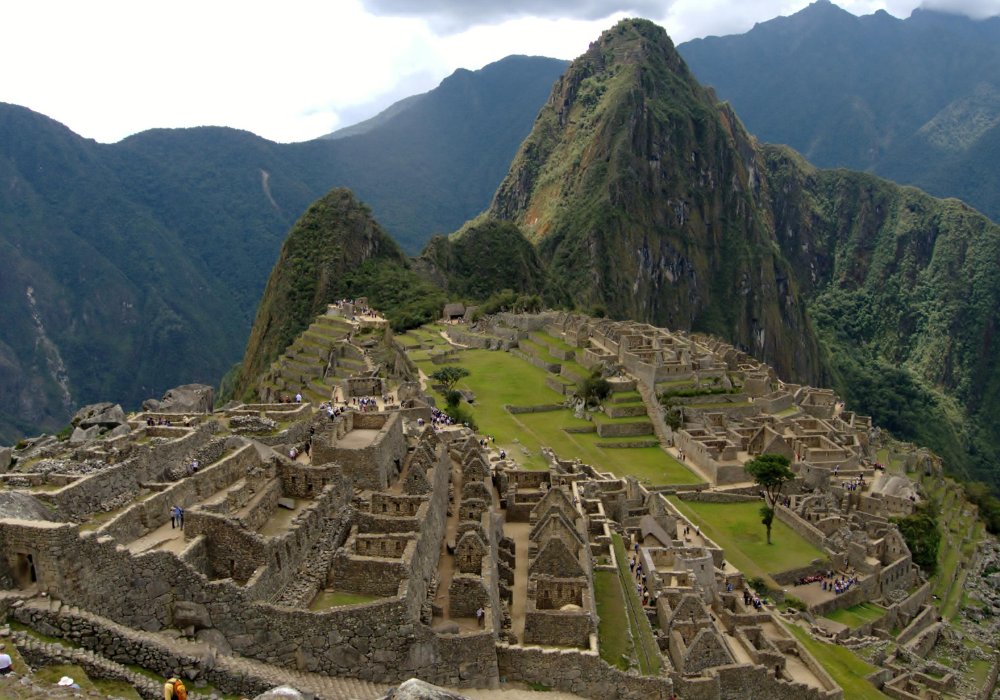
Long before modern technology, ancient cultures around the world survived dramatic climate swings—extreme droughts, violent floods, rapid cooling events, and shifting coastlines. Archaeologists say these societies relied on innovative strategies that helped them endure environmental change for centuries, and many of those ideas remain surprisingly relevant today. As modern climate challenges intensify, experts are revisiting ancient engineering, food systems, and community planning to understand how past civilizations adapted in ways that could strengthen our resilience in the decades ahead.
1. They Survived Ancient Megadroughts—Using Strategies We’re Only Now Rediscovering

Civilizations in the Middle East, the Andes, and the American Southwest endured centuries-long droughts using techniques like water harvesting, underground cisterns, and precision irrigation. These systems kept entire societies functioning even when rainfall nearly disappeared.
Today, as droughts intensify worldwide, researchers say many of these ancient systems outperform modern infrastructure. Their low-tech, low-energy designs show how communities can thrive with limited water—a lesson increasingly relevant in places facing severe shortages.
2. Indigenous Fire Techniques Prevented Catastrophic Blazes for Centuries
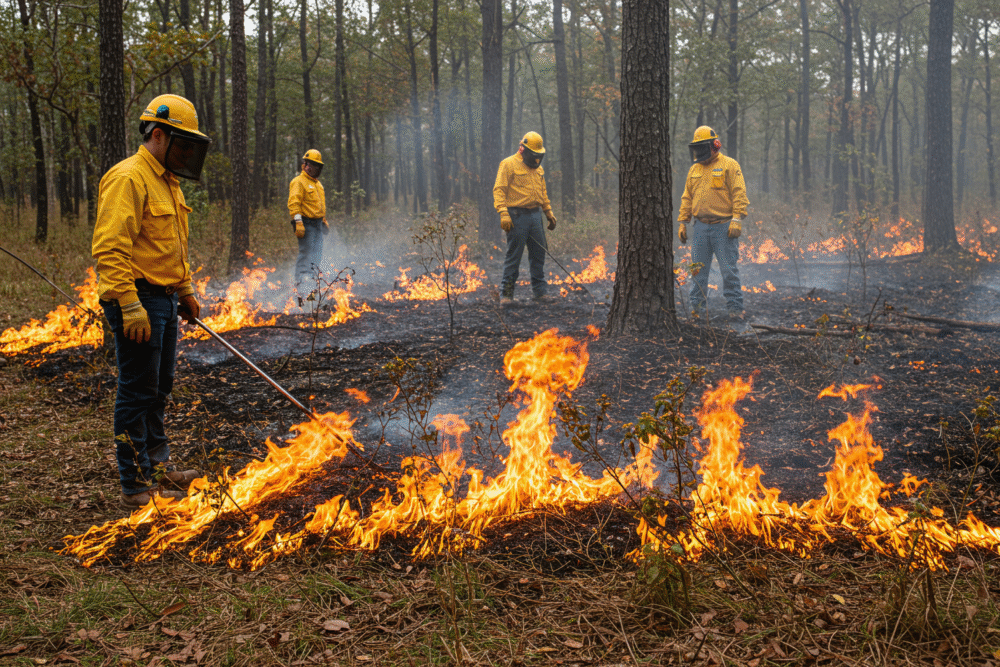
Long before modern firefighting, Indigenous communities used deliberate low-intensity burns to clear brush, protect forests, and stop massive wildfires from forming. Modern science now confirms that these practices kept ecosystems healthier and far more fire-resistant.
As megafires surge across the globe, fire experts are urging governments to restore these time-tested methods. Ancient fire stewardship may be one of the most effective tools we have to reduce wildfire destruction in the coming decades.
3. Ancient Architects Built Homes That Stayed Cool Without Electricity

Civilizations in hot climates mastered passive cooling long before air conditioning existed. From thick adobe walls to wind towers and underground chambers, these structures kept temperatures livable even during extreme heat.
Architects say these designs outperform many modern buildings during heatwaves—while using zero energy. As global temperatures rise, engineers are turning back to ancient blueprints for solutions that reduce power demand and keep homes comfortable naturally.
4. Crop Diversity Saved Ancient Farmers From Famine

Ancient cultures rarely depended on a single crop. They planted dozens—sometimes hundreds—of varieties adapted to different soils, elevations, and weather patterns. This diversity protected them when drought, pests, or disease struck.
Today’s industrial farming, dominated by monocultures, is far more fragile. Researchers warn that ancient-style crop diversity could help stabilize global food supplies as climate pressures intensify.
5. Terraced Landscapes Stopped Landslides and Preserved Fertile Soil

Terracing, perfected by civilizations like the Inca and early Chinese dynasties, controlled erosion, slowed runoff, and protected crops during heavy rain. These engineered landscapes remain some of the most sustainable agricultural systems ever built.
With today’s storms becoming more extreme, experts say reviving terracing and similar earth-shaping strategies could protect modern farms from soil loss and climate-driven disasters.
6. Ancient Coastal Peoples Adapted Quickly to Rising Seas

Archaeological records show that ancient coastal communities routinely relocated or rebuilt as sea levels rose or storms intensified. Instead of fighting the water, they moved with it—adjusting settlements, food systems, and trade routes.
As modern coastlines erode, experts say these flexible strategies hold important lessons. Many communities today may need to consider similar adaptive migration, especially in regions most threatened by sea-level rise.
7. Underground Water Storage Created Lifelines During Extreme Heat

From underground cisterns to carved stepwells, ancient societies stored seasonal water in cool, shaded structures that reduced evaporation and kept supplies stable even during scorching heat.
These decentralized systems offered safety during droughts and heatwaves—conditions now becoming more common globally. Many engineers believe reviving underground storage could strengthen modern water security.
8. Massive Trade Networks Spread Risk Across Climate Zones

Ancient civilizations used trade to manage climate stress, linking mountains, deserts, and coastlines into resilient resource networks. When one region faced drought or crop failure, others provided essential supplies.
Modern economies depend heavily on centralized supply chains that can fail quickly during extreme weather. Experts say ancient multi-zone trade strategies could inspire more resilient systems today.
9. Indigenous Knowledge Predicted Weather Shifts Long Before Modern Tools

For thousands of years, Indigenous communities used environmental cues—plants blooming early, cloud shapes, animal behavior—to forecast storms, droughts, or seasonal changes. Many of these indicators remain reliable today.
Meteorologists increasingly recognize the value of combining traditional ecological knowledge with scientific forecasting to help communities anticipate extreme weather more effectively.
10. Shared Resource Systems Prevented Overuse During Hard Times

Many ancient societies used communal management for water, grazing land, and forests. These collective rules prevented overuse and helped communities survive when drought or scarcity hit.
Modern resource systems are often more fragmented, creating conflict or overconsumption during shortages. Experts say ancient cooperative models could support more sustainable and equitable climate adaptation.
11. History Shows What Happens When Civilizations Fail to Adapt

Archaeology reveals that societies that ignored climate stress—like the Classic Maya or Norse Greenland colonies—eventually collapsed when food systems, water supplies, or social structures failed. Their stories offer stark warnings about the cost of inaction.
Researchers say the difference today is knowledge: we can see the warning signs earlier and have more tools to respond. But adaptation is still essential—and ancient successes and failures offer powerful lessons.