
The surprising true story of a dressed-up squirrel who helped boost morale during WWII.

During World War II, Americans on the home front found comfort and motivation in all kinds of unexpected places. One of the most unusual was a gray squirrel named Tommy Tucker. Far from being just a novelty pet, Tommy became a national symbol of wartime morale, appearing in newspapers, posing for photos, and even helping promote war bond drives.
Dressed in custom-made outfits and accompanied by his owner, Tommy toured public events and captured the public’s imagination at a time when optimism was in short supply. His story reflects how deeply Americans leaned into shared symbols, humor, and warmth to cope with the pressures of war.
What began as a simple relationship between a man and a rescued squirrel turned into one of the strangest and most heartwarming chapters of the WWII home front.
Click through and learn more about Tommy Tucker’s antics.
1. Tommy Tucker started as a rescued baby squirrel
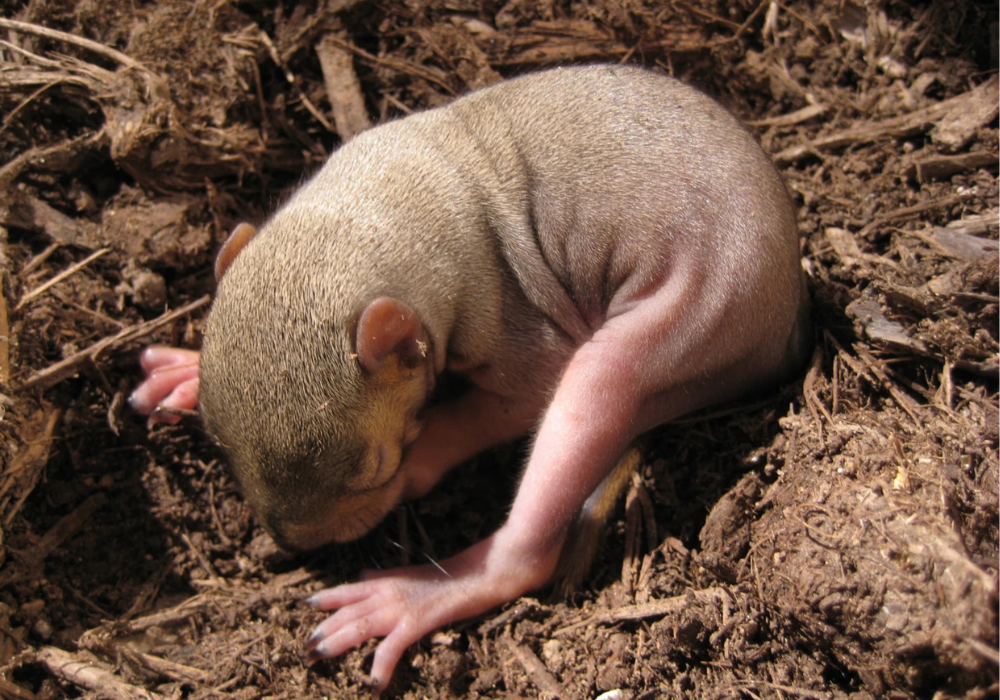
Tommy Tucker’s story began when he was rescued as an orphaned baby squirrel in the early 1940s. His owner, J. J. McIntyre, cared for him at home and gradually realized the squirrel had an unusually calm temperament.
Unlike most wild squirrels, Tommy tolerated handling and social interaction. This made it possible for him to appear comfortably in public settings. What started as basic animal care soon became something much larger.
Follow us and access great exclusive content every day
2. Dressing Tommy began as a novelty but quickly caught attention
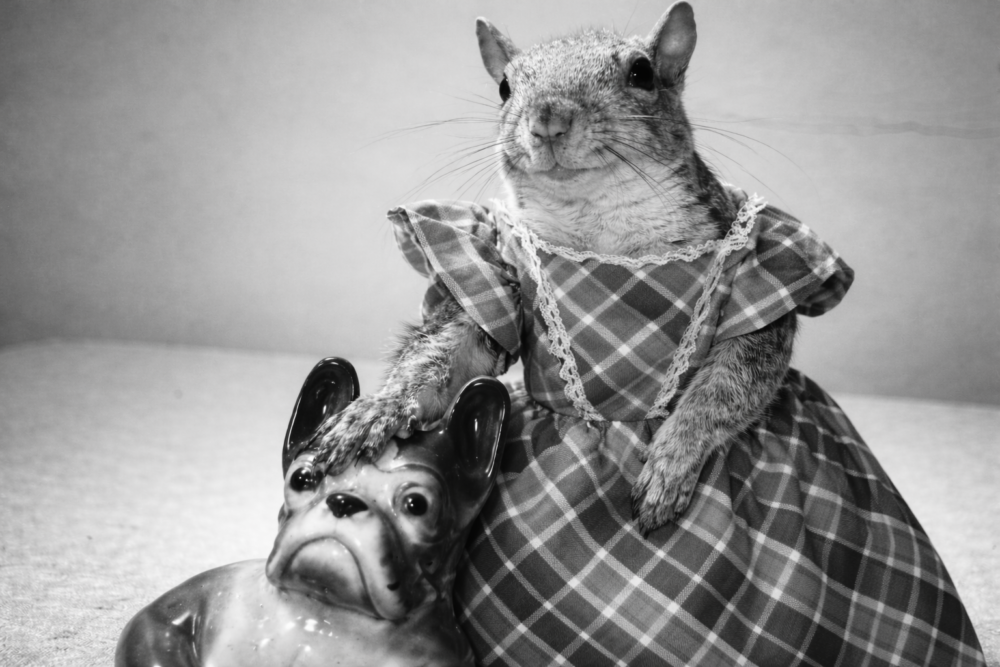
At some point, McIntyre began dressing Tommy in tiny handmade outfits. The clothes were playful, well-fitted, and often reflected current events or patriotic themes.
Photos of the squirrel dressed like a little person quickly drew attention. Newspapers began publishing images, and the public found the idea charming and amusing. In a time filled with grim headlines, Tommy offered a rare moment of lightness.
3. America embraced Tommy during a stressful wartime period

World War II placed enormous emotional strain on families across the country. With loved ones overseas and daily news dominated by casualties and rationing, people craved uplifting stories. Tommy’s appearances offered a harmless distraction and a reminder of normalcy.
His popularity grew not because he was important in a military sense, but because he helped people feel better. That emotional role mattered more than it might seem.
4. Tommy became part of war bond promotion efforts

As his fame spread, Tommy was invited to appear at war bond events and public gatherings. He posed for photographs meant to encourage Americans to support the war financially. While he did not directly sell bonds, his presence drew crowds and attention.
Organizers understood that familiar and friendly symbols could motivate people to participate. Tommy became part of a broader strategy to keep morale high and engagement strong.
Follow us and access great exclusive content every day
5. Newspapers helped turn Tommy into a national figure

Media coverage played a major role in Tommy Tucker’s rise. Newspapers across the country ran stories and photos highlighting his outfits and public appearances. These stories often framed him as a mascot of sorts for the home front.
Because mass media was more centralized at the time, a story like Tommy’s could spread quickly. Before long, he was recognizable far beyond his local community.
6. His outfits reflected patriotism and everyday life
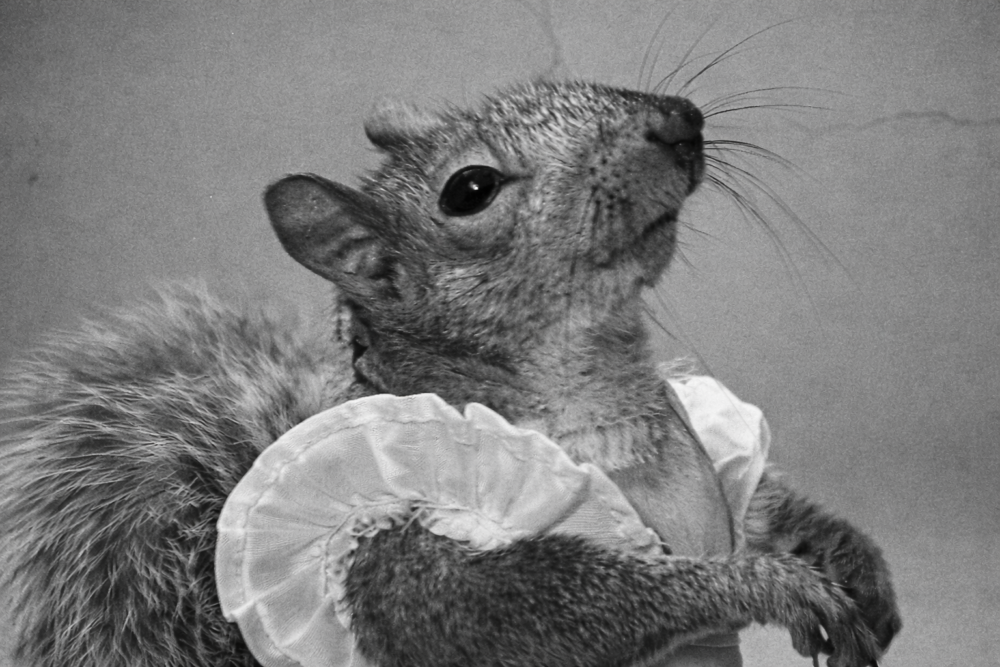
Tommy’s clothing was not random. Many outfits reflected wartime themes, including military-style uniforms, patriotic colors, and everyday workwear. This helped people see him as part of the collective effort rather than a gimmick.
The care put into his presentation made him feel relatable and intentional. Each appearance reinforced the idea that everyone, in their own way, was contributing.
7. Tommy symbolized morale more than propaganda

While Tommy appeared in promotional settings, his role was more emotional than political. He did not deliver messages or slogans. Instead, he offered a sense of warmth and shared humor.
Historians often note that morale symbols work best when they feel organic. Tommy succeeded because people genuinely enjoyed him, not because they were told to.
Follow us and access great exclusive content every day
8. His fame reflected how Americans connected during the war
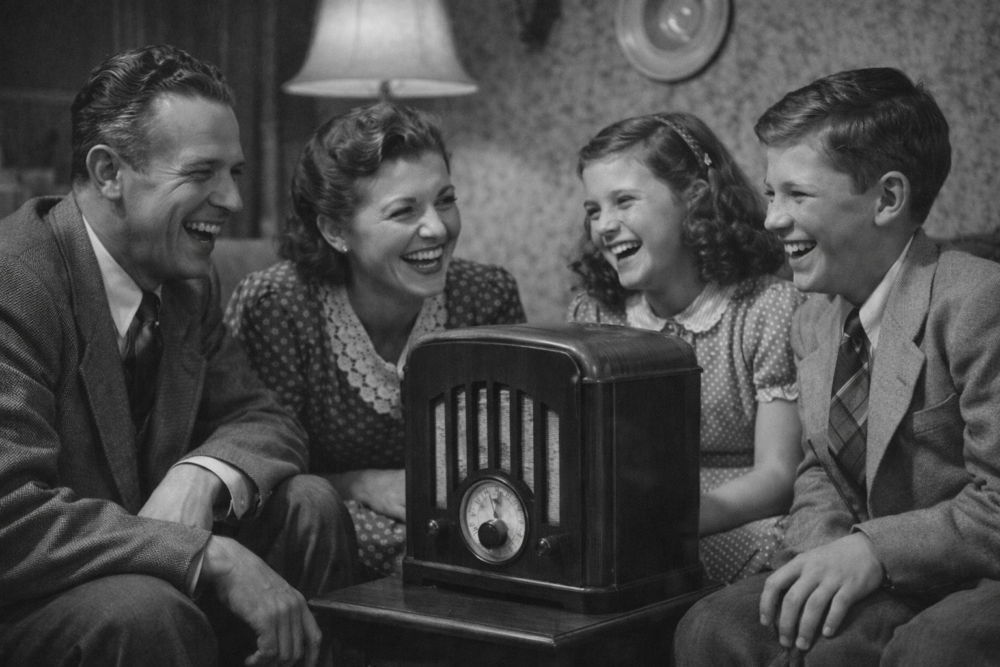
Tommy’s popularity highlights how Americans connected with stories during WWII. In an era without social media, shared newspaper stories created a sense of national community. People across the country could smile at the same image.
Tommy became a small but meaningful thread in that shared experience. His story shows how even minor figures can carry cultural weight.
9. Not everyone viewed the phenomenon the same way
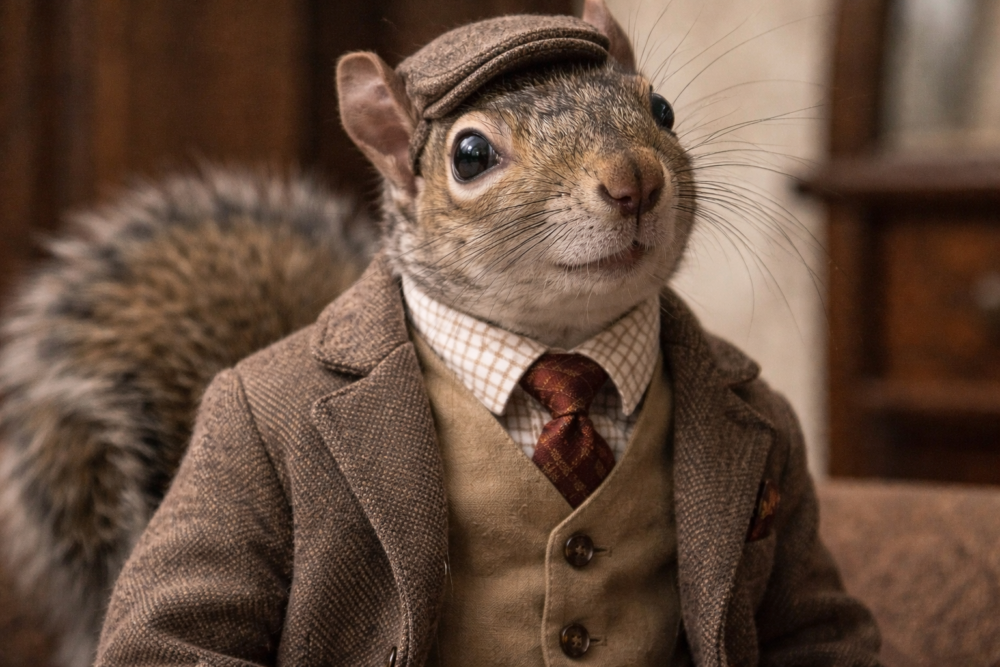
As with many public figures, opinions varied. Some people saw Tommy as pure entertainment, while others questioned the ethics of dressing a wild animal. These concerns were less prominent at the time but are often discussed today.
Looking back, Tommy’s story reflects changing attitudes toward animals and public spectacle. Understanding that context helps place his fame in its era.
Follow us and access great exclusive content every day
10. Tommy’s story faded as the war ended
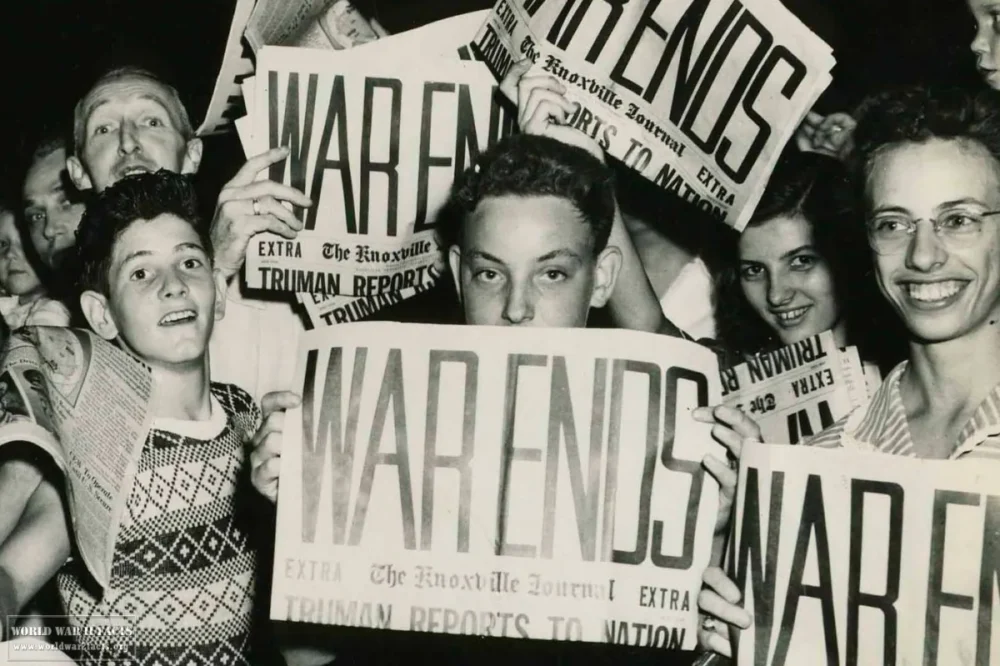
After World War II, public attention shifted. The need for morale symbols declined, and Tommy’s appearances became less frequent. Like many wartime figures, his fame was tied closely to a specific moment in history.
Once that moment passed, so did widespread media interest. Still, the impact he had during the war remained significant.
11. Why Tommy Tucker still matters today

Today, Tommy Tucker’s story offers insight into how societies cope during crisis. It shows how humor, novelty, and shared symbols can help people endure uncertainty.
His legacy is not about spectacle, but about connection. In remembering Tommy, we’re reminded that even the smallest stories can play a role in shaping collective resilience during difficult times.