
Illegal logging, unchecked trade routes, and new road expansion could accelerate Amazon destruction, experts warn.
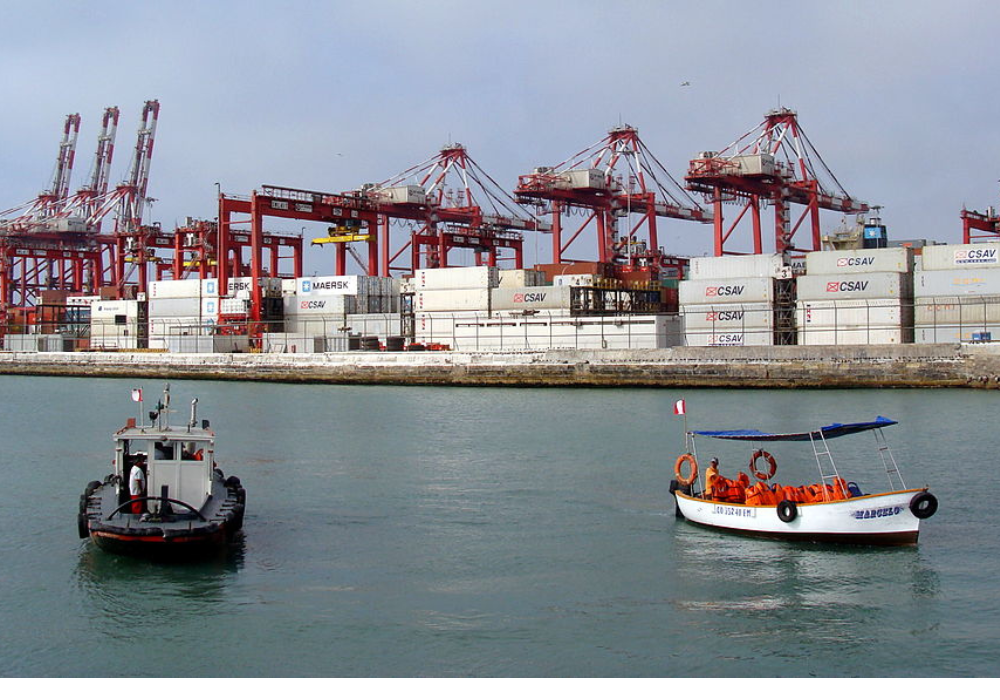
A massive new deep-water port rising on Peru’s Pacific coast is raising urgent alarms among environmental experts. The China-backed Chancay port is expected to reshape trade across South America, offering a faster route for shipping goods to Asia. But scientists say the project could also accelerate deforestation deep inside the Amazon. New roads, expanded transport corridors, and increased demand for timber and minerals may push development deeper into vulnerable rainforest regions already struggling with illegal logging.
1. A Mega-Port That Could Change South America’s Map
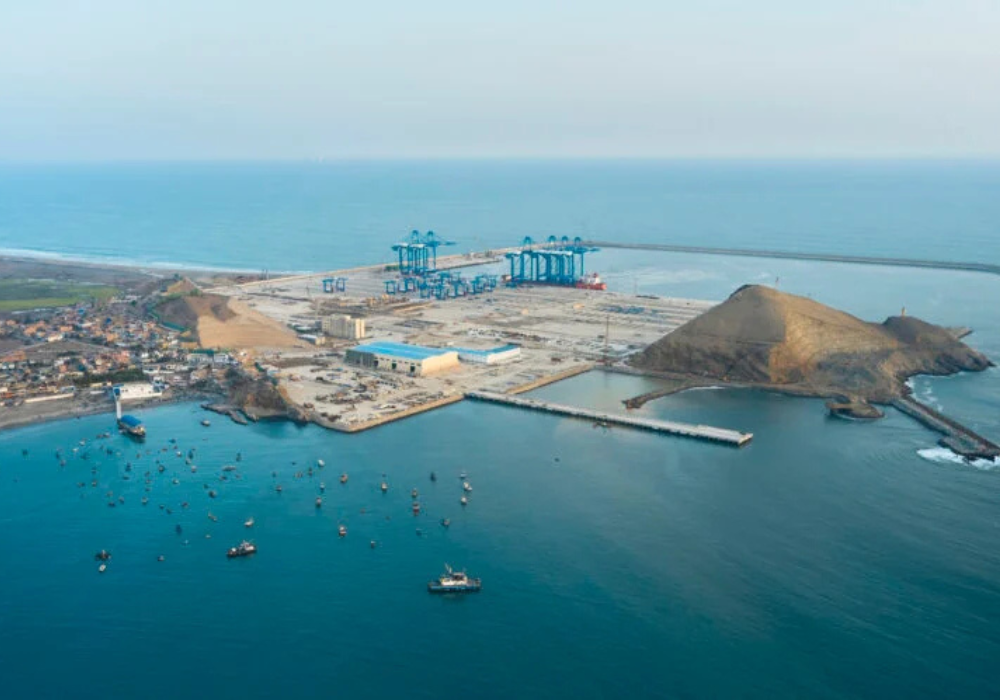
The Chancay port is being built as one of the largest cargo hubs on the continent, designed to handle huge volumes of exports from Peru and neighboring countries. Backed heavily by Chinese investment, the port promises faster trade routes and major economic benefits.
But environmental researchers caution that a project of this scale has consequences far beyond the coastline. By creating stronger links between inland regions and global markets, the port could unintentionally intensify pressure on Amazon resources.
2. New Roads Connecting to the Port May Spark Rapid Deforestation
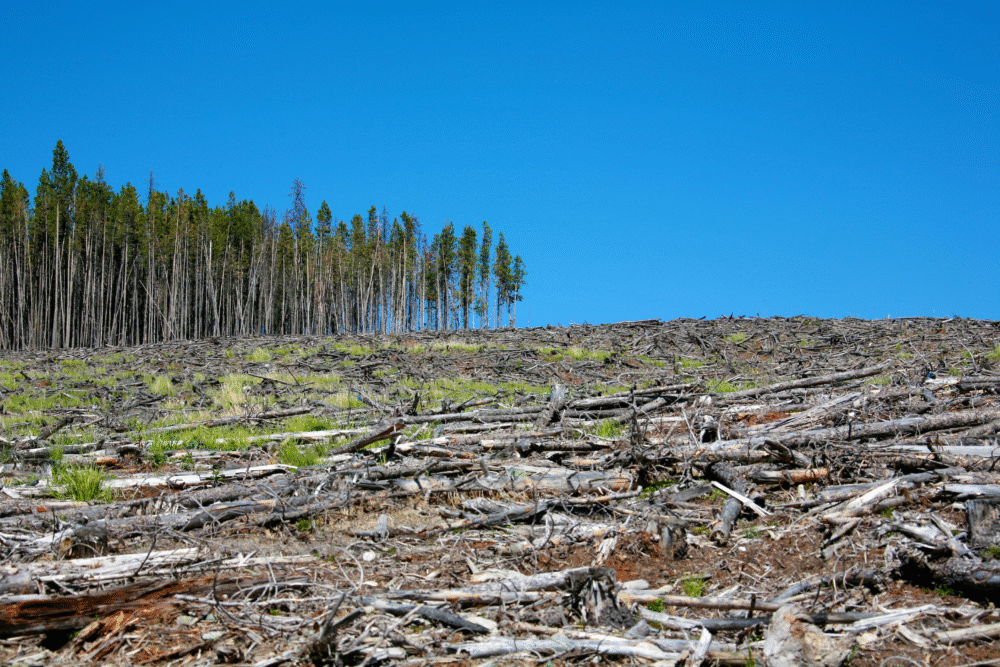
One of the biggest concerns is the surge of new and unregulated road construction expected as trade ramps up. In Peru, roads are historically the leading driver of deforestation, opening previously remote areas to loggers, miners, and land grabbers.
Once a road is built, forest clearing usually follows. Scientists warn that the transportation networks feeding into the port could create a domino effect, turning intact rainforest into fragmented landscapes within just a few years.
3. Illegal Logging Could Become Even Harder to Control
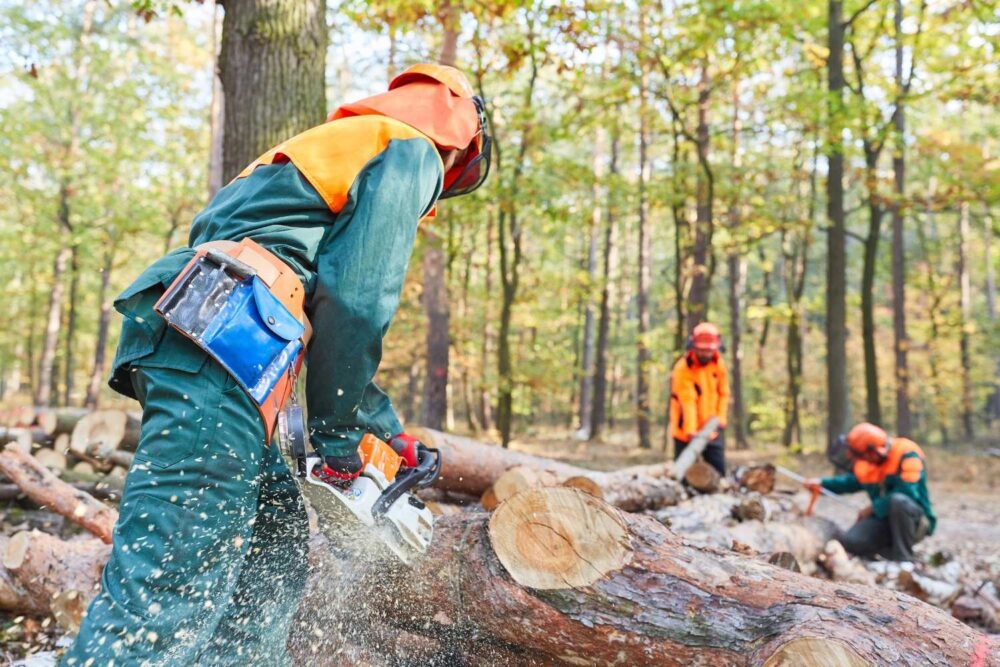
Peru already battles widespread illegal logging, and the port may offer traffickers a faster path to foreign markets. Tropical hardwoods remain in high demand globally, and improved shipping capacity could make remote areas more profitable to exploit.
Experts fear that without strong oversight, illegal timber could blend seamlessly into legitimate export streams. Once mixed in with legal shipments, these products become extremely difficult to trace, adding pressure to endangered Amazon tree species.
4. A Lack of Environmental Safeguards Raises Red Flags
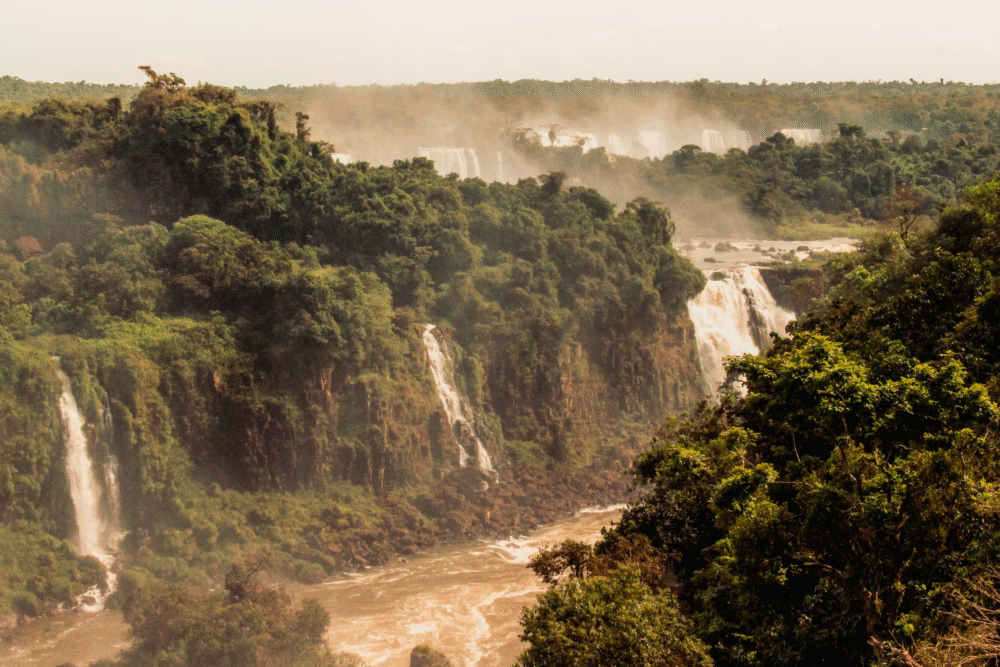
Environmental groups warn that Peru has yet to outline a clear plan for protecting rainforest areas as the port expands. There are no publicly detailed strategies for monitoring road growth, preventing resource trafficking, or managing new development fronts.
This absence of safeguards concerns scientists who say major infrastructure projects typically require robust environmental planning. Without it, the Amazon could suffer long-term and irreversible damage.
5. China’s Role Adds to Concerns About Resource Demand
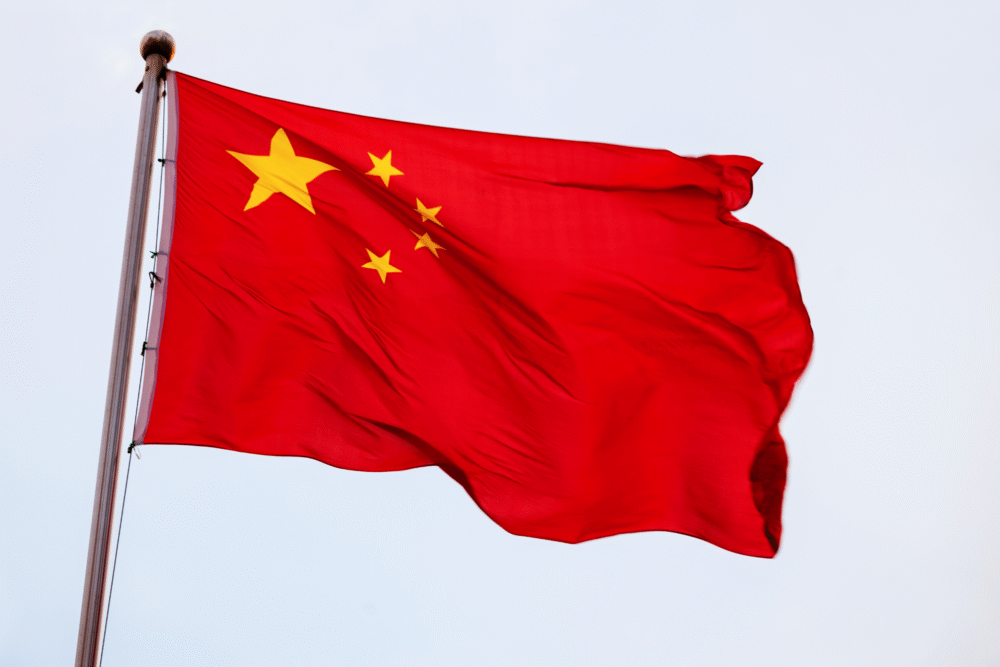
China is a major buyer of Amazon-region exports, including copper, hardwoods, and agricultural products. With Chinese companies leading construction and operation of the port, some researchers worry that the project will intensify extraction in the rainforest.
While there is no direct evidence that the port is intended to drive deforestation, increased global demand often leads to increased pressure on vulnerable ecosystems. Faster, cheaper transport routes may encourage operators to reach deeper into the forest.
6. Indigenous Lands Could Face New Threats
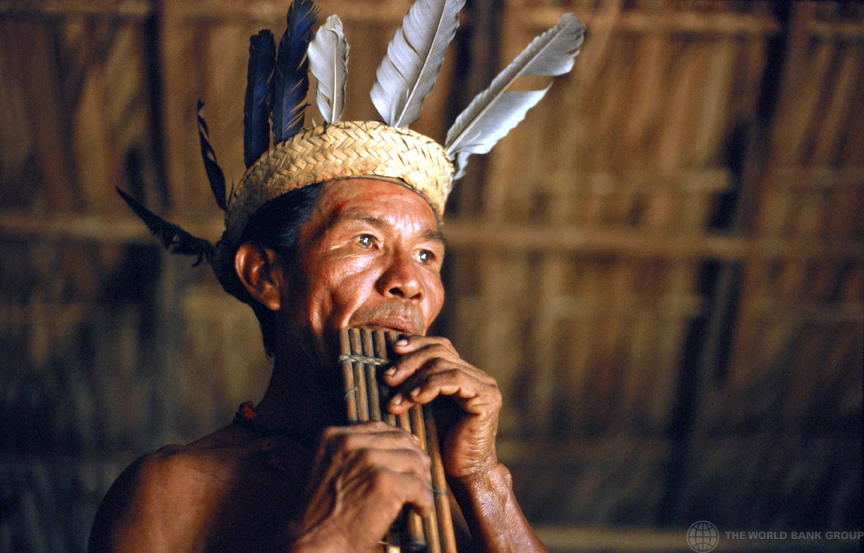
Many of the areas at risk lie near or within Indigenous territories. As new roads cut through the forest, communities fear increased encounters with settlers, illegal loggers, and criminal groups known to operate in remote regions.
Indigenous leaders have long warned that infrastructure development often brings land invasions and conflict. They also express concern about cultural disruption and the loss of hunting, fishing, and gathering areas essential to traditional life.
7. Expansion Could Fuel More Mining in Fragile Areas
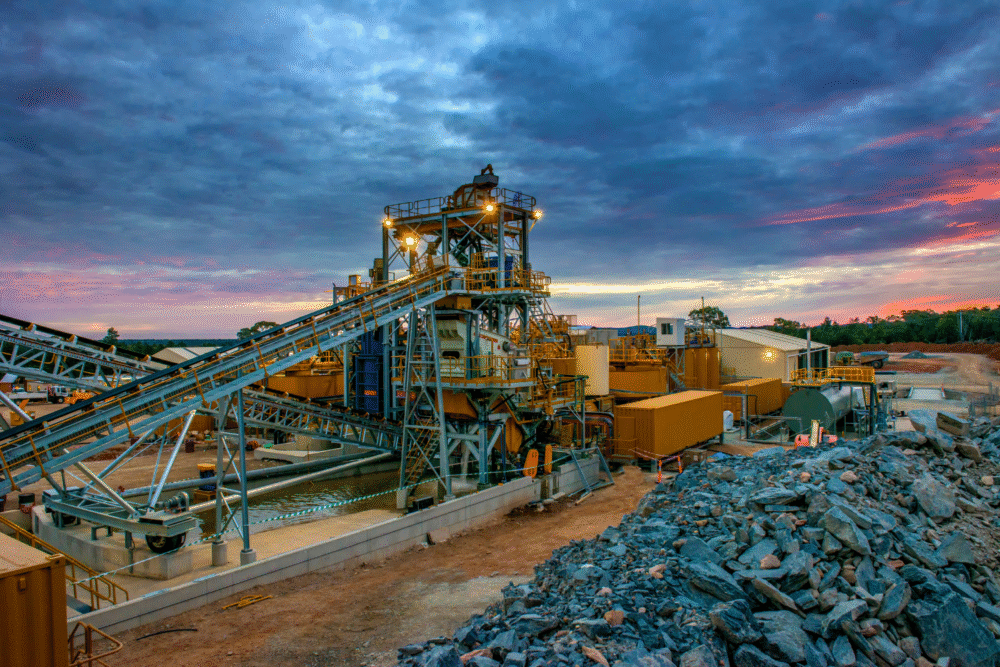
Peru is one of the world’s top copper producers, and mineral exports are expected to surge once the port is fully operational. This raises concerns that mining activity will expand along transport corridors leading from the Andes through the Amazon.
Mining frequently drives deforestation, pollutes waterways, and disrupts wildlife habitats. With streamlined export routes, companies may pursue new exploration zones that were previously too remote or expensive to access.
8. Wildlife Habitat Could Be Fragmented at a Massive Scale
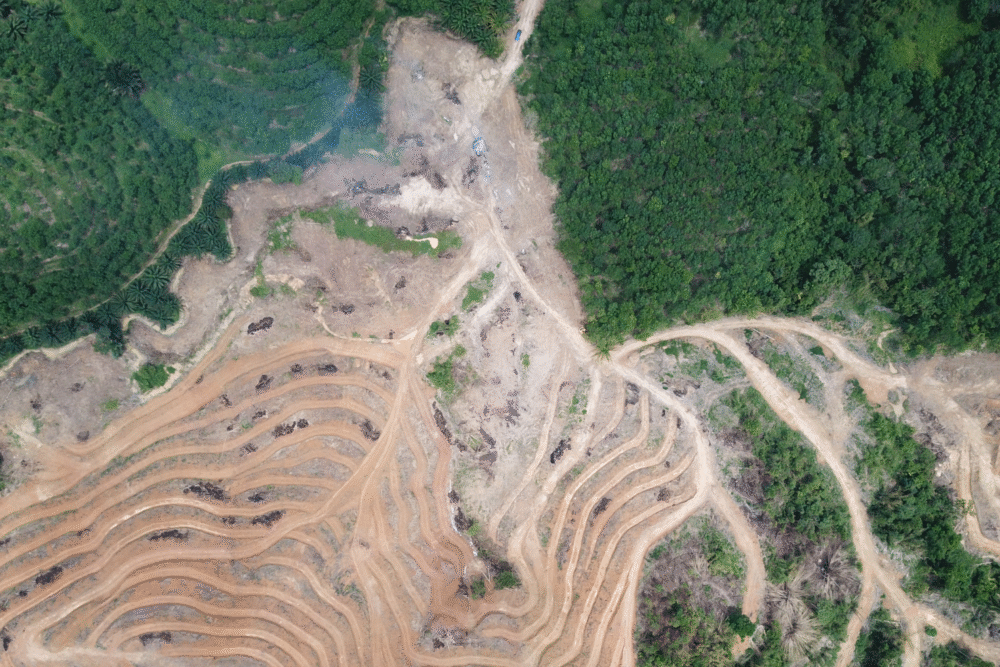
Roads, shipping routes, and settlement expansion often break continuous rainforest into isolated patches. This threatens species ranging from jaguars to rare birds that rely on uninterrupted habitat for migration and hunting.
Scientists warn that habitat fragmentation can trigger steep population declines, even in regions that initially appear untouched. Over time, isolated wildlife groups become more vulnerable to disease, poaching, and genetic bottlenecks.
9. Increased River and Road Traffic Adds Pollution Risks
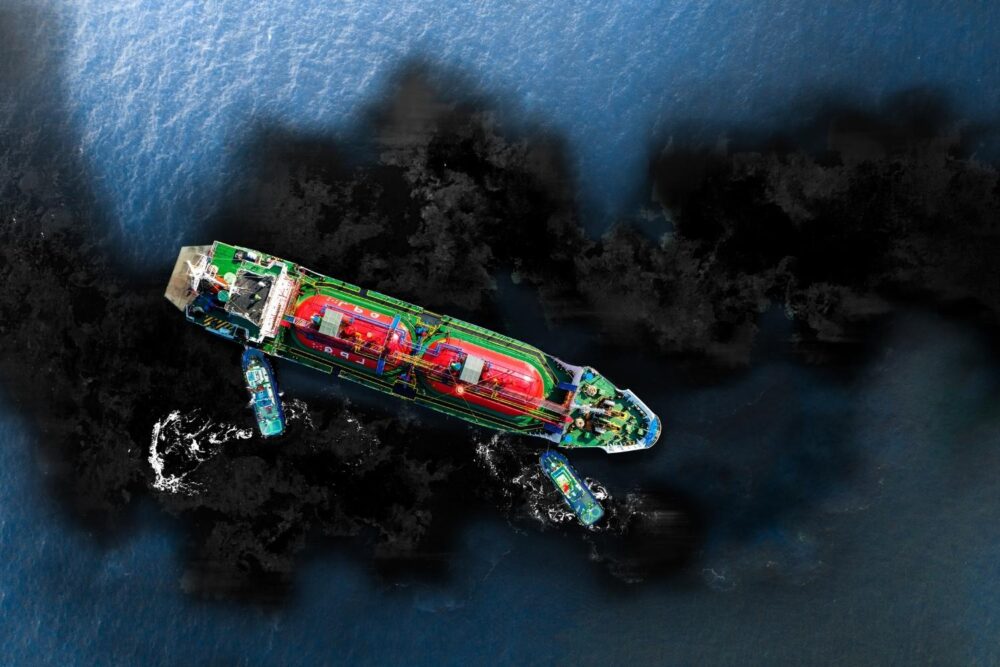
More trade means more ships, trucks, and heavy equipment traveling through sensitive ecosystems. Increased traffic brings noise pollution, diesel emissions, and the risk of chemical spills from cargo or fuel.
These impacts add stress to forest areas already coping with deforestation and climate change. Once roads and transport hubs are established, pollution tends to spread farther into remote zones that previously saw little industrial activity.
10. Conservationists Warn the Amazon Is Already Near a Breaking Point

Scientists say the Amazon is approaching a “tipping point,” where deforestation and heat could push parts of the forest into large-scale dieback. Infrastructure projects that accelerate land clearing could push the region closer to this dangerous threshold.
Because the Amazon plays a crucial role in regulating global climate, changes in Peru could have far-reaching consequences. Every new development front increases the risk of pushing the rainforest toward irreversible decline.
11. Experts Say Strong Regulation Could Reduce the Damage

Despite the risks, researchers emphasize that the port’s impact is not predetermined. With strict enforcement, clear environmental policies, and community involvement, Peru could manage trade growth while protecting the forest.
Strengthening monitoring systems, regulating new roads, and empowering Indigenous groups would make a significant difference. The port may still bring economic benefits—but only if environmental protections keep pace with development.