
Scientists say a global blackout could unravel modern life faster than any other man-made disaster.

Electricity powers nearly every function of modern civilization—from hospitals and transportation to communication and finance. But experts warn that the global power grid, a vast network connecting billions of people, is far more fragile than most realize. A single cascading failure caused by a cyberattack, solar storm, or infrastructure breakdown could disable critical systems within hours. Without power, water stops flowing, food distribution halts, and digital communication disappears. Scientists say such an event could unravel modern life faster than any previous crisis—and humanity is dangerously unprepared.
1. The World’s Power Grid Is Deeply Interconnected

Modern electrical grids link nations, continents, and industries through vast transmission networks. While this connectivity makes energy distribution efficient, it also creates shared vulnerability.
A failure in one region can trigger chain reactions across others, especially when demand peaks. The 2003 North American blackout, caused by a software glitch, left 50 million people without power. Experts note that today’s grids are even more interconnected, meaning a single failure could propagate globally with little warning.
2. A Solar Storm Could Wipe Out Satellites and Circuits
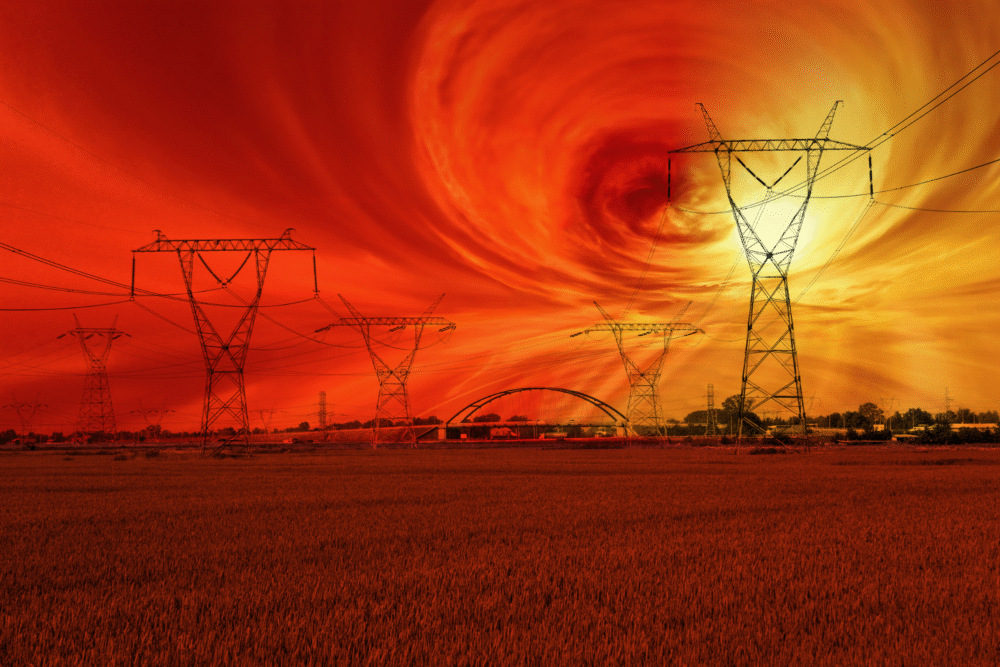
The sun occasionally releases massive bursts of charged particles called coronal mass ejections. When directed toward Earth, these can overload power lines and disable satellites.
The last major event, the 1859 Carrington Event, sparked fires in telegraph systems worldwide. Scientists warn that a similar storm today could destroy transformers, GPS systems, and internet infrastructure within hours. Recovery could take months or even years, plunging entire nations into darkness.
3. Cyberattacks Pose an Increasing Threat

Governments and cybersecurity experts have documented hundreds of cyber intrusions targeting energy grids. In 2015, hackers linked to Russian intelligence cut power to parts of Ukraine, leaving hundreds of thousands without electricity.
As grid systems become more digitized, their vulnerability grows. A coordinated cyberattack could simultaneously disable multiple regional grids, disrupting hospitals, airports, and communication networks before defenses could respond. Analysts say cyberwarfare is now one of the most realistic triggers for a global blackout.
4. Aging Infrastructure Makes Grids Vulnerable
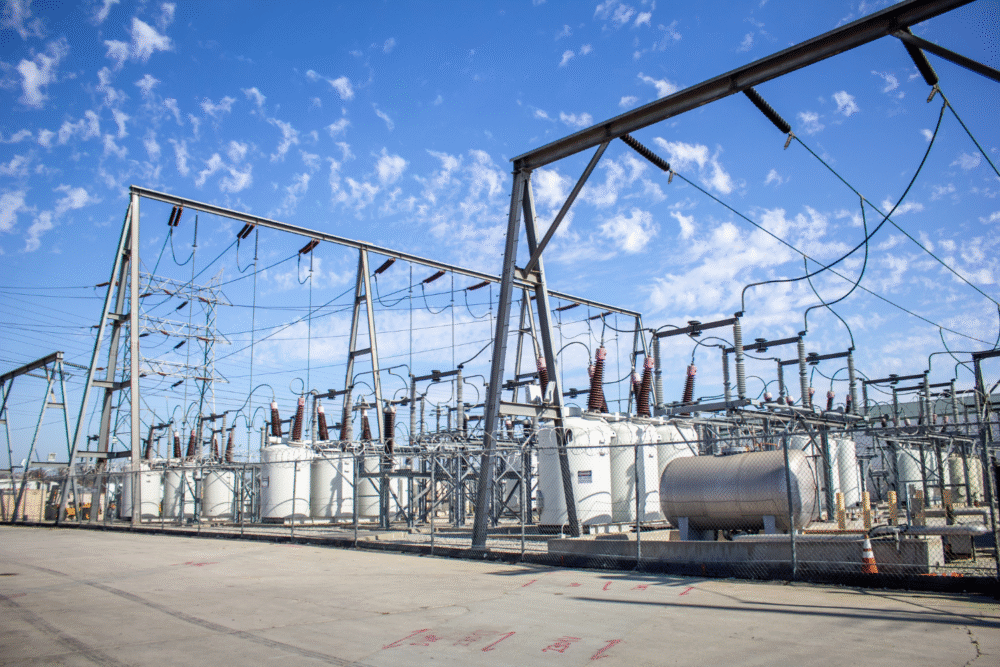
Much of the world’s electrical infrastructure was built decades ago, never intended to handle today’s demand. In the U.S. and Europe, many transformers and substations are over 40 years old.
This aging equipment is prone to failure, and replacement parts are scarce. If multiple transformers failed simultaneously—whether from overload, sabotage, or natural causes—restoring power could take weeks. Energy analysts call this a “quiet crisis” that governments have largely ignored despite repeated warnings.
5. A Blackout Would Cripple Water and Food Systems

Electricity powers the pumps and treatment plants that supply clean water to billions. Without it, water pressure drops within hours, and filtration stops entirely. Grocery stores and refrigerated warehouses lose cooling almost immediately.
Within days, food supplies would spoil, and clean water would run out. The World Bank estimates that modern cities hold only about three days of food reserves. Experts say this interdependence—between energy, food, and water—makes the power grid the true foundation of civilization’s stability.
6. Hospitals and Medical Systems Would Fail Quickly

Hospitals rely heavily on continuous electricity for life support, surgical equipment, and data systems. Backup generators can only run for limited periods—often 24 to 72 hours—before fuel shortages occur.
Once those reserves are gone, patients on ventilators, dialysis, or refrigeration-dependent medications face life-threatening risks. During regional blackouts, mortality rates rise sharply within days. A global or long-term outage would overwhelm emergency services, transforming hospitals from sanctuaries into triage centers.
7. Financial Systems Would Collapse Within Hours

Global banking and trading networks operate on instantaneous digital transactions. Without electricity, ATMs, credit systems, and stock exchanges would halt immediately.
Analysts estimate that even a week-long outage could erase trillions from the global economy. Electronic records, currency transfers, and payroll systems would all freeze. In the absence of digital access, economies could revert temporarily to barter or cash-based systems—if cash were still available.
8. Communication Networks Would Go Silent
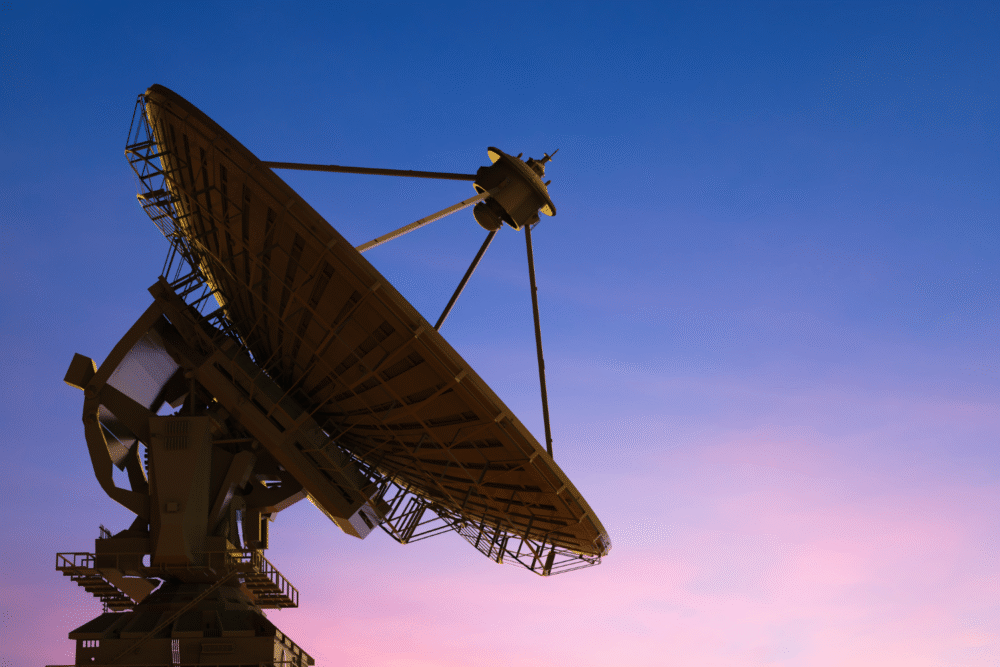
Cell towers, internet servers, and satellite links all depend on electricity. Once backup power fails, communication ceases. This would cut off coordination between governments, militaries, and aid organizations.
Experts say this communication vacuum is what turns blackouts into humanitarian disasters. Without reliable updates, panic spreads faster than accurate information. During the 2003 blackout, misinformation led to traffic gridlock and accidents across multiple states—on a scale that would be exponentially worse in a global failure.
9. Transportation Systems Would Grind to a Halt

Trains, subways, and air traffic control all rely on continuous power and digital communication. Fuel pumps would stop working, grounding planes and immobilizing vehicles.
Ports and logistics hubs would be unable to load or unload shipments, cutting off supply chains for food, medicine, and fuel. Within days, major cities would face shortages not from destruction—but from paralysis. Analysts warn that recovery would take months, as every transportation sector depends on a functioning grid.
10. Civil Unrest Could Spread Faster Than Relief

History shows that large-scale blackouts often lead to panic and looting when supplies run low. Without communication or visible government response, fear quickly turns into unrest.
Researchers studying past crises say trust in institutions erodes rapidly during prolonged outages. Local communities become isolated, and competition for scarce resources intensifies. Governments worldwide conduct emergency planning exercises for such scenarios—but few are prepared for a sustained, global event.
11. Recovery Could Take Years, Not Weeks

Rebuilding a collapsed grid would require replacing thousands of high-voltage transformers and miles of transmission lines. Many of these components are custom-built and take months to manufacture.
In a global-scale outage, factories themselves would lack power to produce replacements. Energy experts warn that even partial restoration could take years. The cascading effects—economic collapse, loss of healthcare, and widespread famine—could push modern civilization back decades.