
Experts say climate shifts will redefine daily life—from jobs and travel to what ends up on our plates.

Climate change is influencing more than just the environment; it is reshaping how we work, travel, and eat. From the rise of remote work reducing commuting emissions to the growing appeal of plant-based diets lowering carbon footprints, these shifts reflect a broader move toward sustainability. Understanding these intertwined trends helps individuals and businesses make informed decisions that support environmental goals, drawing on insights from authoritative sources like NOAA and the EPA.
1. Remote work becomes more common as companies adapt to sustainability goals.

Businesses are increasingly adopting remote work policies to meet sustainability benchmarks. Reducing the need for daily commutes, remote work decreases traffic congestion and minimizes emissions substantially. For instance, a technology startup in Seattle embraces this model, saving both energy and office space.
Fewer commuting hours mean less stress for employees and clearer city air. With new collaboration technologies emerging, people connect more efficiently from diverse locations. This approach not only contributes to long-term sustainability efforts but also fosters flexible working environments that can adapt swiftly to changing needs.
2. Electric vehicles gain popularity as charging infrastructure expands steadily.

Electric vehicles are swiftly becoming a practical choice as charging stations multiply. Charging infrastructure spreads through urban streets like lifelines, encouraging more people to consider electric driving as a viable alternative. These vehicles help cut down on the reliance on fossil fuels.
Stakeholders continue investing in infrastructure, making road trips in electric cars a feasible option. Strategically placed stations ease concerns about running out of charge during a journey. The increasing popularity reflects a commitment to cleaner air and energy conservation, edging closer to wider environmental goals.
3. Plant-based diets rise in popularity to reduce carbon footprints naturally.

As awareness grows regarding meat’s environmental impact, plant-based diets gain traction. Foods like chickpeas and quinoa feature prominently on restaurant menus, reducing carbon outputs linked to livestock farming. People enjoy these flavorful choices while supporting a more sustainable planet.
Shifting to plant-based options can boost personal health and environmental conservation simultaneously. Agricultural diversity increases, encouraging farmers to explore new crop varieties. These dietary changes illustrate an intersection of personal choice and global responsibility, fostering a more inclusive food system.
4. Green building designs prioritize energy efficiency and healthy indoor environments.
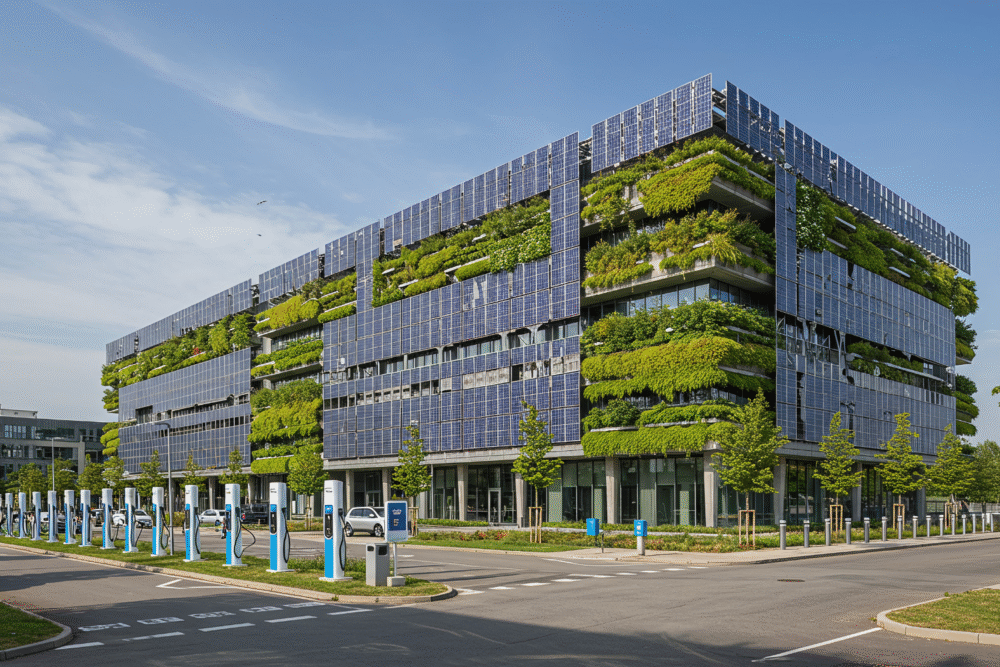
Green building designs are reshaping urban architecture. Architects increasingly prioritize energy efficiency by integrating materials like solar panels and enhancing natural lighting in office complexes. Such buildings lower energy consumption, creating eco-friendly urban landscapes.
Healthy indoor environments improve with these sustainable elements, fostering better air quality and reduced energy costs. The focus extends beyond aesthetics, influencing daily office experiences profoundly. As major cities evolve, these thoughtful designs represent a commitment to responsible resource use.
5. Climate-conscious travel opts for slower, more immersive cultural experiences.

Climate trends encourage travelers to engage more thoughtfully with destinations. Slow travel, emphasizing extended stays and cultural immersion, reduces carbon footprints compared to frequent flights. This approach transforms tourism from hurried transactions to meaningful exchanges.
Experiencing a place intimately nurtures appreciation and supports local economies sustainably. Travelers might spend several weeks exploring local crafts or participating in community events. Choosing eco-conscious travel pathways reflects an increasing shift towards mindful exploration and responsible tourism.
6. Urban farming initiatives bring fresh produce closer to city residents.
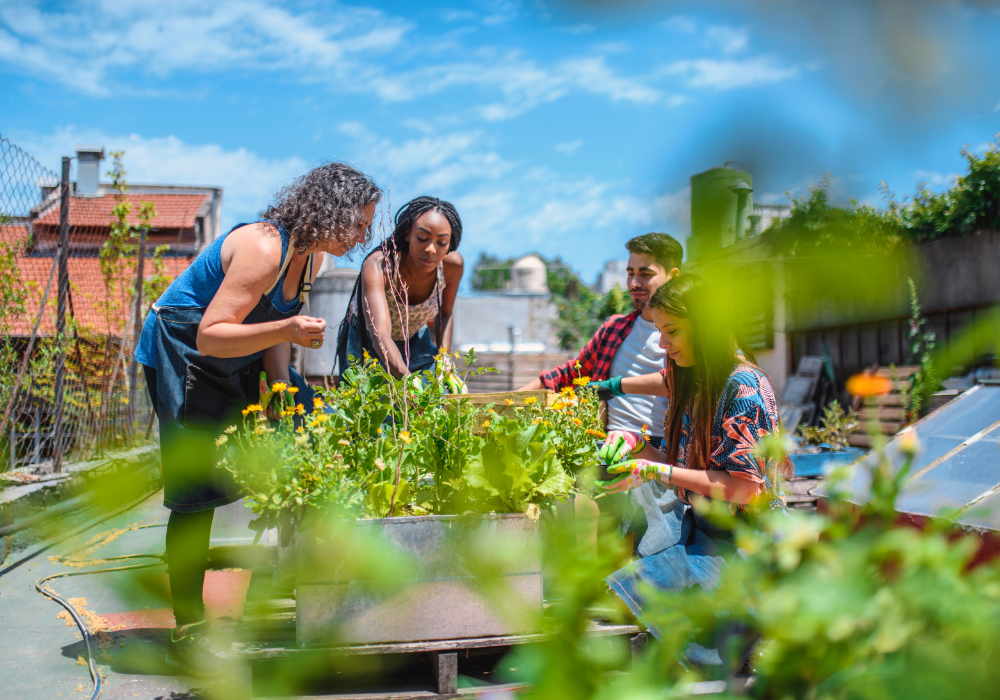
City environments increasingly support urban farming initiatives, bringing produce closer to urbanites. Rooftops and community gardens flourish with vibrant greens, reducing the distance food travels. People relish fresh, locally grown fruits and vegetables directly from nearby gardens, cultivating a community bond.
This closeness encourages residents to participate in cultivating, strengthening connections to food origins. Urban farming not only supplies fresh products but also revitalizes neighborhoods, promoting community resilience. Sustainable food sources become relatable, nurturing a grassroots connection with urban landscapes.
7. Renewable energy sources lead the shift away from fossil fuels globally.

Renewable energy sources are leading a critical shift away from fossil fuel dependence. Wind, solar, and hydropower are becoming integral to energy grids worldwide. These cleaner alternatives are integrated seamlessly into city infrastructures, promoting sustainable urban development.
The adoption of these sources sharpens focus on reducing carbon emissions and mitigating climate effects. With advancements in technology, renewable energies continually become more accessible and efficient. This transformative movement reflects a collective embrace of greener practices for a healthier future.
8. Supply chains evolve to emphasize transparency and ethical environmental practices.

Supply chains are transforming to meet demands for ethical and transparent practices. Companies strive to show environmental responsibility by ensuring sustainable sourcing and reducing waste. Transparency builds trust with consumers seeking commitment to ethical standards.
Refined logistics lead to streamlined operations, supporting sustainability at every stage. As these practices embed deeper into business models, organizations face new accountability standards. The evolution highlights the importance of integrating core values with market needs, fostering a culture of conscious production.
9. Digital meetings reduce business travel, lowering corporate carbon emissions.

Digital meetings are reshaping how businesses navigate interactions, drastically cutting the need for corporate travel. Video conferencing allows employees to connect globally without leaving their desks, maintaining productive communication across continents.
By lessening air travel, companies significantly reduce carbon emissions, aligning with eco-friendly goals. This shift not only supports environmental sustainability but provides flexible work arrangements. The virtual connection, once just a convenience, now embodies a strategic approach to responsible business operations.
10. Water conservation technologies become standard in workplaces and homes alike.

Water conservation principles are redefining environments at home and work. Technologies like low-flow faucets and smart irrigation systems are becoming commonplace, minimizing water wastage effectively. Wide adoption ensures sustainable consumption without sacrificing modern living conveniences.
Conservation technologies streamline resource use, supporting greener building compliance effortlessly. As awareness grows, water-saving devices become integral to daily routines, normalizing efficient usage. This shift represents a substantial stride towards ensuring water availability and ecological balance globally.
11. Circular economy models influence consumer habits toward reuse and recycling.

Circular economy models are strategically shifting consumer behavior towards reuse and recycling. Products designed with end-of-life recovery in mind invite consumers to engage in sustainable practices. A coffee cup, crafted from recycled materials, represents circularity in everyday usage.
Consumers recognize the long-term benefits of reducing waste and resource cycling. This model encourages industries to innovate responsively, harnessing creativity for ecological balance. The shift breeds awareness that continuously revitalizes communal habits, fostering environmental stewardship at the core.