
Arrests reveal how reused tickets, insider help, and simple shortcuts drained millions from a cultural icon.

The Louvre is so famous that just getting through the doors can feel like a victory. That nonstop demand is exactly what made the world’s most visited museum vulnerable to a sprawling ticket fraud scheme that investigators say siphoned off about $12 million over nearly a decade. What looked like routine guided tours were allegedly part of a carefully repeated trick.
Authorities say tour guides reused tickets, split groups to avoid fees, and relied on insider cooperation to keep visitors flowing smoothly past checkpoints. By the time the museum filed a complaint in late 2024, the operation had grown large enough to involve arrests, seized cash, and sweeping changes to how tickets are checked.
1. The Louvre’s crowds created the perfect conditions
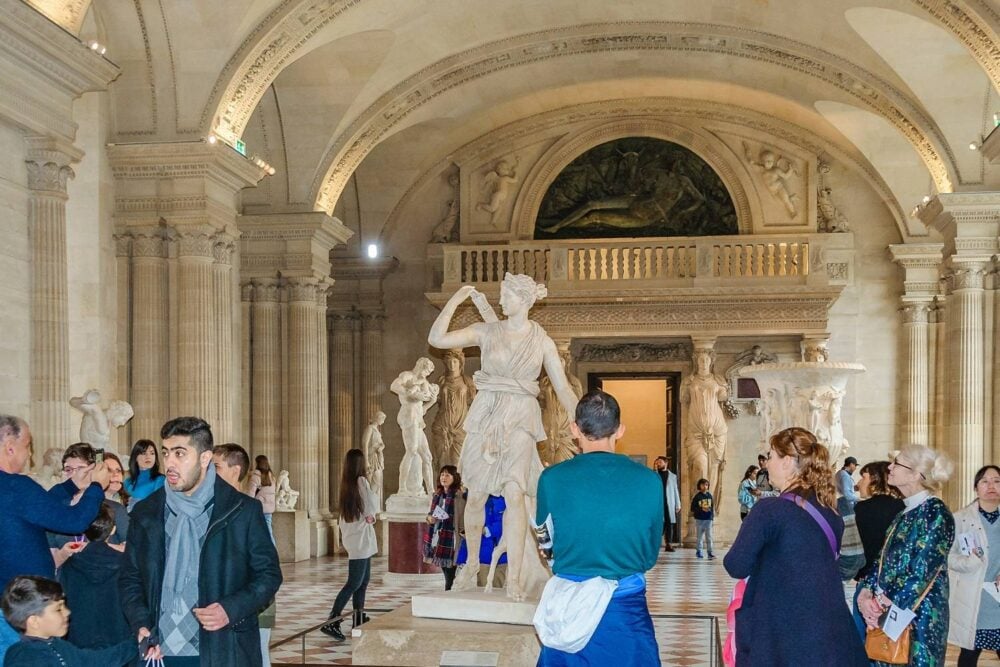
With millions of visitors each year, the Louvre depends on speed and efficiency. Long lines, packed entry points, and constant movement leave little room for hesitation, which can make subtle irregularities easy to miss.
Investigators say the alleged scheme exploited that pressure. When staff are focused on keeping crowds moving, a confident guide and a valid-looking ticket can pass through without raising alarms, especially if it happens dozens of times a day.
2. A quiet suspicion turned into a major case

The investigation did not begin with a dramatic tip. Museum officials reportedly noticed patterns that felt off, such as tickets appearing more than once or groups moving through checkpoints unusually smoothly.
Those observations led the Louvre to alert authorities in December 2024. Once investigators dug deeper, what seemed like isolated irregularities began to look like an organized system rather than random mistakes.
3. Reusing tickets was the core of the scheme

At the heart of the case is a simple allegation: tickets meant for single use were allegedly scanned and reused for multiple visitors. Each extra entry represented revenue the museum never received.
Because the ticket itself looked legitimate, the scam did not rely on fake documents or hacking systems. It relied on repetition, timing, and confidence, which made it difficult to spot without close tracking.
4. Splitting tour groups helped avoid extra fees
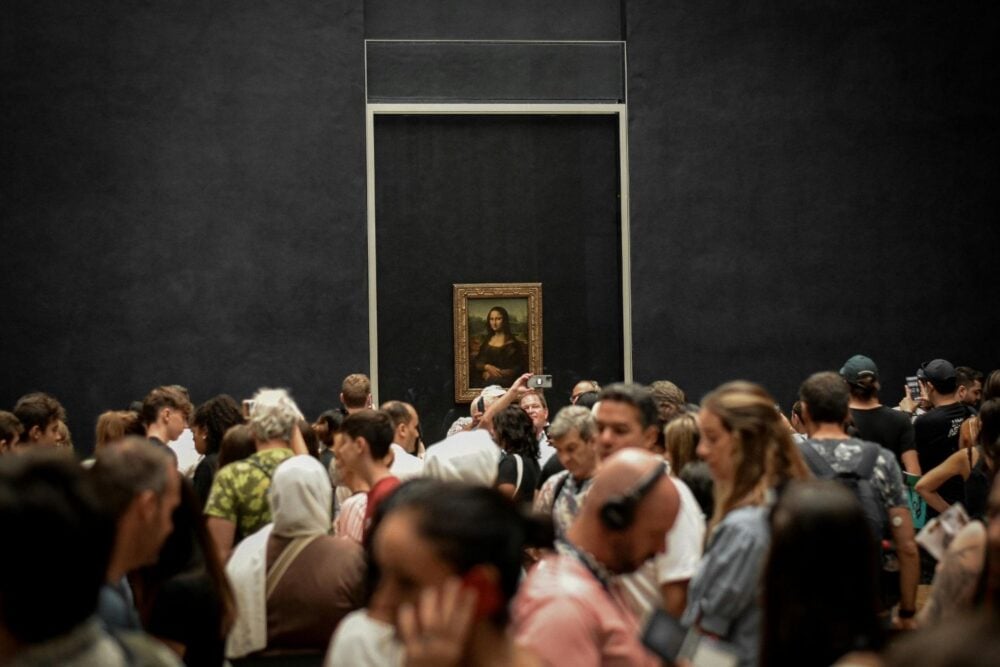
Investigators also say guides broke large tour groups into smaller clusters. On paper, that made the visits look like ordinary guests rather than organized tours that might trigger higher fees or stricter oversight.
Over time, avoiding those charges added up. Combined with reused tickets, the strategy turned small per-visitor savings into millions of dollars in losses.
5. Insider help made the system harder to detect
Prosecutors allege that bribed employees played a role, allowing the scheme to operate for years. Even a small number of compromised insiders can create a reliable pathway through busy checkpoints.
Two Louvre employees are among those suspected. The allegation highlights how fraud often depends less on technology and more on trust placed in people doing routine jobs.
6. Authorities say it ran for nearly a decade

According to investigators, the scheme may have operated for around ten years. At its peak, suspects allegedly guided as many as 20 groups per day through the museum.
That scale explains how a modest trick could become so costly. It did not require one massive theft, only steady repetition in a place where visitor numbers never slow.
7. The money trail revealed a larger operation

When arrests were made, authorities reportedly seized large sums of cash, bank funds, vehicles, and access to safe deposit boxes. That haul suggested the profits were being stored and moved deliberately.
Investigators also suspect some proceeds were invested in real estate, indicating the scheme’s organizers treated it as a long-term business rather than a temporary hustle.
8. The scam may not have stopped at one landmark

Prosecutors believe the same methods may have been used at other major attractions, including the Palace of Versailles. Tour guides often work across multiple sites, making it easy for successful tricks to spread.
If confirmed, that would suggest the issue was not unique to one museum, but tied to how crowded cultural sites manage access and oversight.
9. Serious charges followed the arrests

Nine people were arrested, and prosecutors filed charges that include organized fraud, corruption, forged documents, and money laundering. These are not minor offenses tied to a few free entries.
The scope of the charges reflects how authorities view the case: as a coordinated operation that depended on planning, cooperation, and repeated abuse of trust.
10. The Louvre is tightening ticket controls
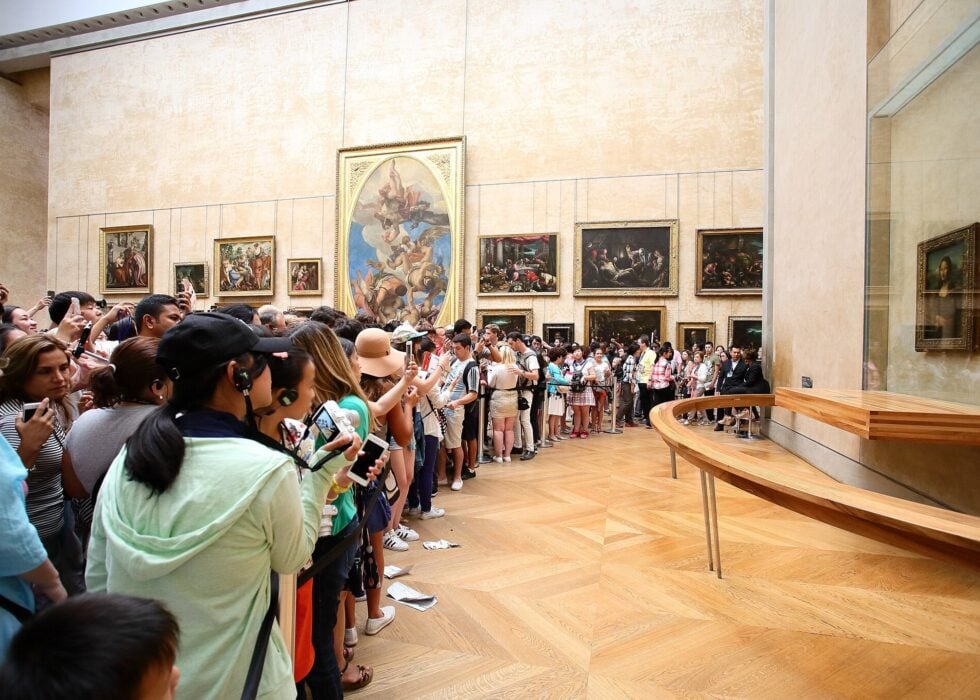
In response, the museum has begun tightening how tickets are validated. One key change limits how many times a ticket can be scanned inside the building.
That adjustment directly targets the alleged reuse strategy. While it may slightly slow movement, it closes a loophole that allowed the fraud to thrive unnoticed.
11. Ticket scarcity helped fuel the problem
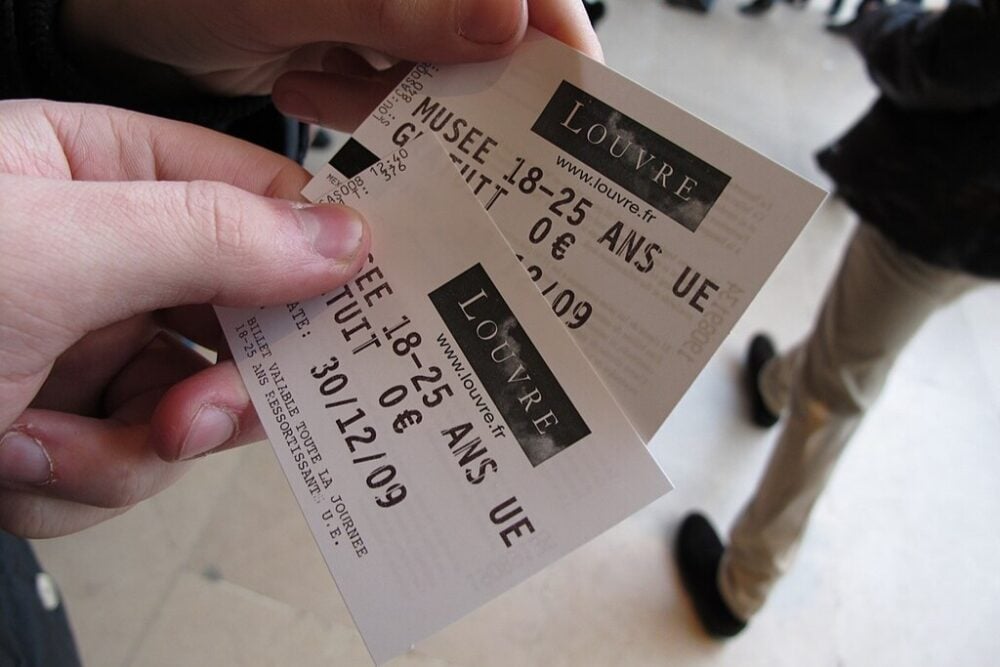
The Louvre sells most tickets online and limits daily visitors, which can make entry feel scarce. Scarcity often attracts scammers who promise shortcuts.
When visitors are desperate to get in, they may trust unofficial guides or deals that seem legitimate. That environment creates fertile ground for organized fraud.
12. The lesson for visitors and institutions alike

For travelers, the takeaway is simple: buy tickets through official channels and be cautious of offers that promise easy access. Shortcuts often come with hidden costs.
For museums, the case is a reminder that modern tourism requires constant monitoring and adaptation. The art inside the Louvre may be timeless, but protecting access to it requires systems that can keep up with crowds, money, and human ingenuity.