
Fossils reveal how this early human species spread across Asia long before modern humans appeared.
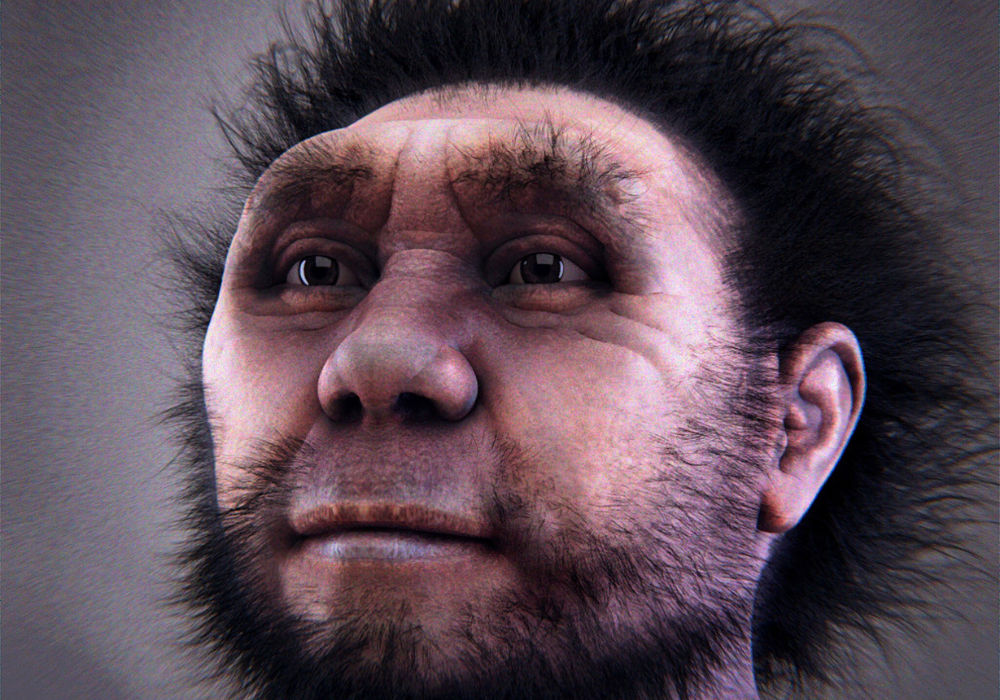
Long before Homo sapiens spread across the globe, another human species made history by leaving Africa first. That species was Homo erectus, an early human relative that appeared nearly two million years ago and survived for more than a million years.
Fossil evidence shows Homo erectus traveled vast distances, adapting to new climates, landscapes, and challenges along the way. By studying bones, tools, and ancient sites, scientists have pieced together how this species became humanity’s first great migrant.
1. Who Homo Erectus Was
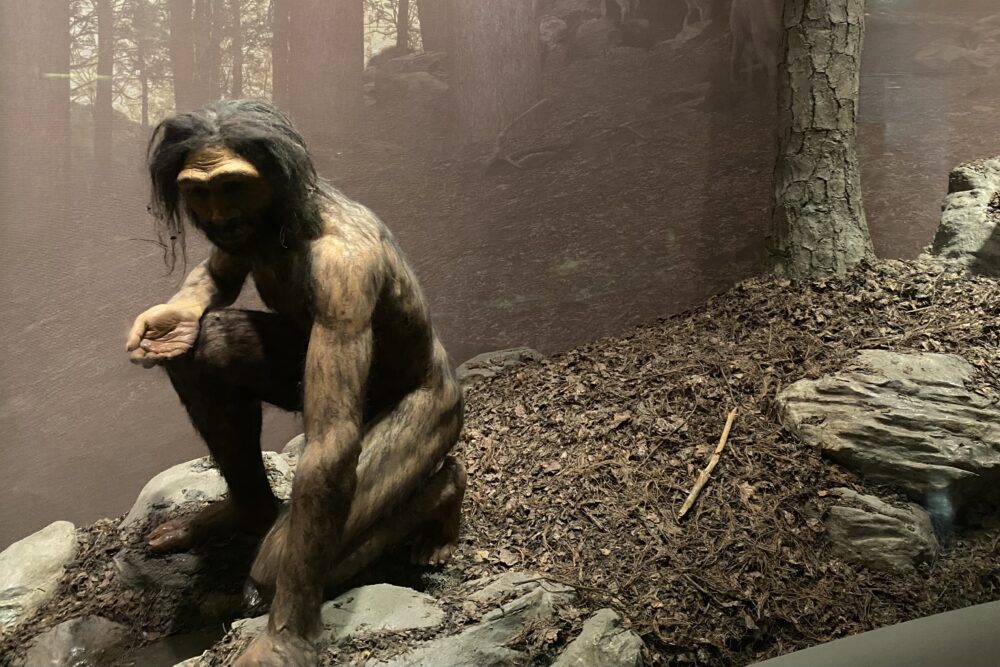
Homo erectus was an early human species that lived from about 1.9 million to roughly 110,000 years ago. It had a larger body and brain than earlier hominins, along with long legs suited for walking long distances.
These traits made Homo erectus especially well adapted for travel and exploration, setting it apart from earlier species that stayed closer to Africa’s environments.
2. When Homo erectus First Appeared
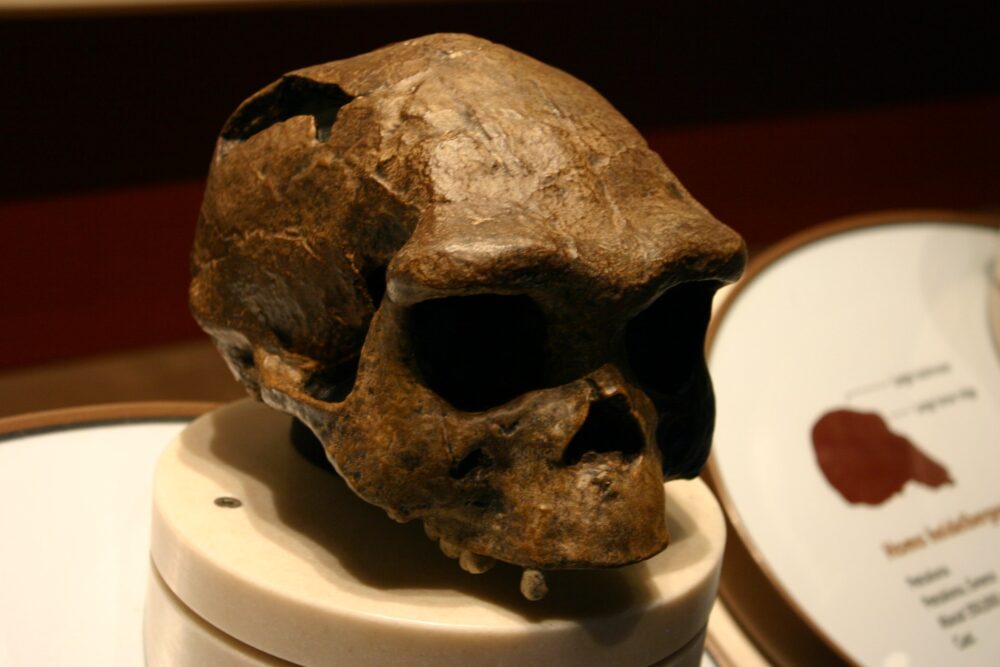
The earliest Homo erectus fossils come from Africa and date back nearly two million years. This period marked a major turning point in human evolution.
Around this time, climates were changing, grasslands were expanding, and early humans were adapting to more open environments, which may have encouraged wider movement.
3. The First Journey Out of Africa
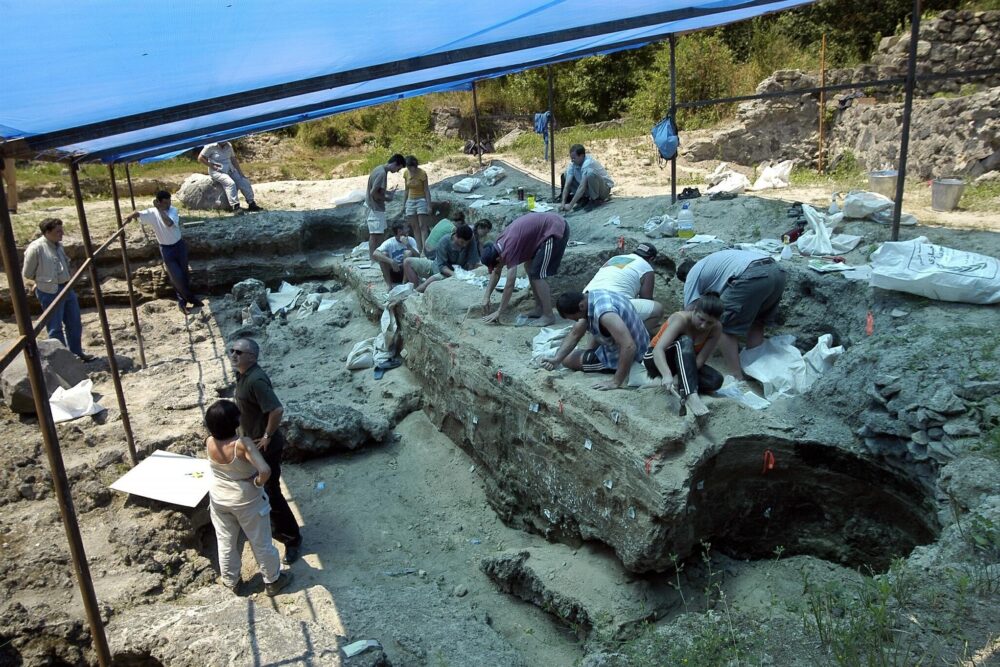
Fossils found in Georgia, at a site called Dmanisi, show that Homo erectus left Africa by at least 1.8 million years ago. These remains are the oldest known evidence of humans outside Africa.
The discovery reshaped scientific thinking, proving that early humans began migrating far earlier than once believed.
4. How Far Homo erectus Traveled

After leaving Africa, Homo erectus spread across much of Asia. Fossils have been found in places including China and Indonesia, thousands of miles from Africa.
This wide distribution shows that Homo erectus was highly adaptable, capable of surviving in very different climates and landscapes.
5. What Homo erectus Looked Like

Homo erectus had a more modern body shape than earlier hominins, with a taller stature and proportions similar to modern humans. Its skull was long and low, with a prominent brow ridge.
These physical traits suggest it was built for endurance walking and possibly running, useful skills for migration and hunting.
6. Tools That Helped Them Spread
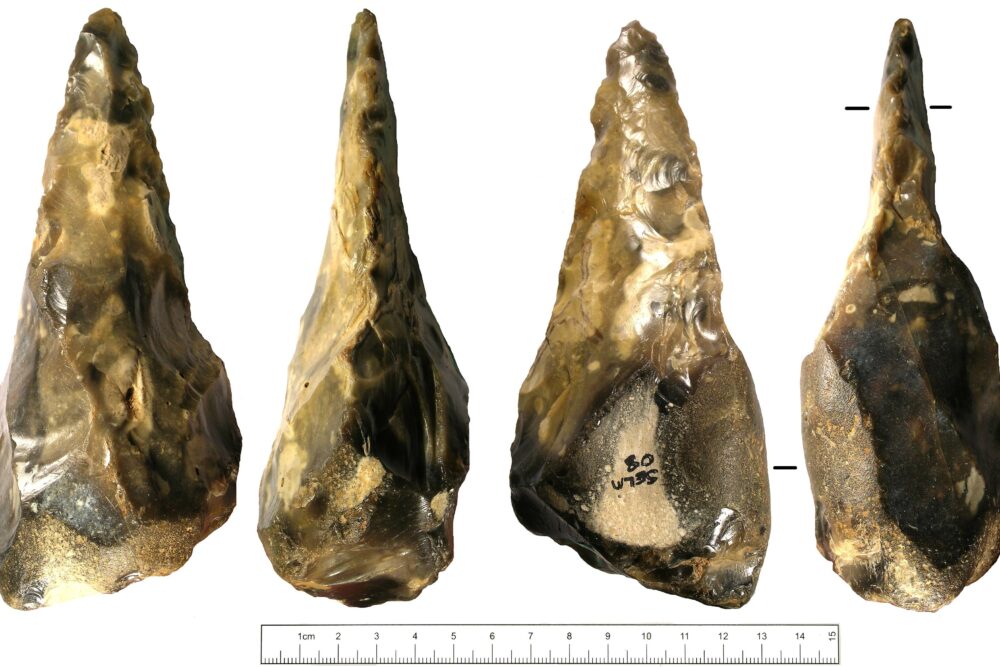
Homo erectus made stone tools known as Acheulean hand axes. These tools were more advanced and versatile than earlier technologies.
Having reliable cutting and chopping tools likely helped Homo erectus process food more efficiently and survive in unfamiliar environments.
7. Evidence They Controlled Fire
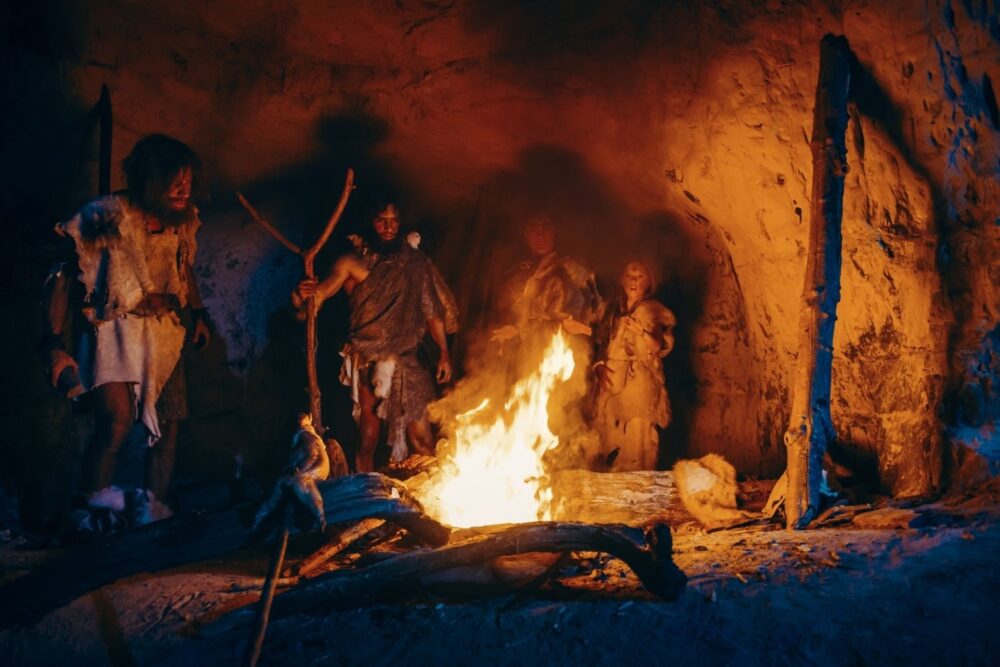
Many researchers believe Homo erectus was among the first human species to control fire. Evidence from several sites suggests they used fire for cooking, warmth, and protection.
Fire would have made it easier to survive colder climates and extract more energy from food, supporting long-distance travel.
8. What They Ate Along the Way

Homo erectus had a flexible diet that included plants, meat, and possibly cooked foods. This dietary adaptability helped them survive in diverse regions.
Being able to exploit different food sources reduced reliance on any single environment, a key advantage for a migrating species.
9. How Homo erectus Lived
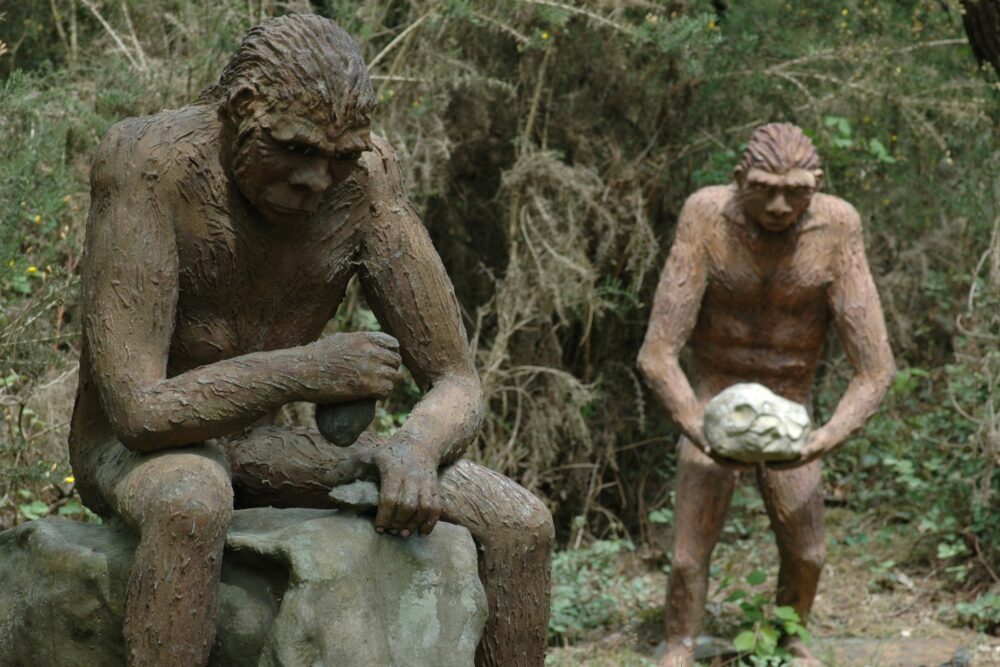
Archaeological sites suggest Homo erectus lived in small social groups. Cooperation likely played an important role in hunting, toolmaking, and child-rearing.
Social behavior would have helped groups survive dangerous journeys and unfamiliar landscapes as they expanded their range.
10. Why Homo Erectus Lasted So Long

Homo erectus survived longer than most other early human species. Its success likely came from a combination of mobility, intelligence, and adaptability.
Few hominins were as geographically widespread or long-lived, making Homo erectus one of the most successful species in human evolution.
11. How Homo Erectus Shaped Later Humans
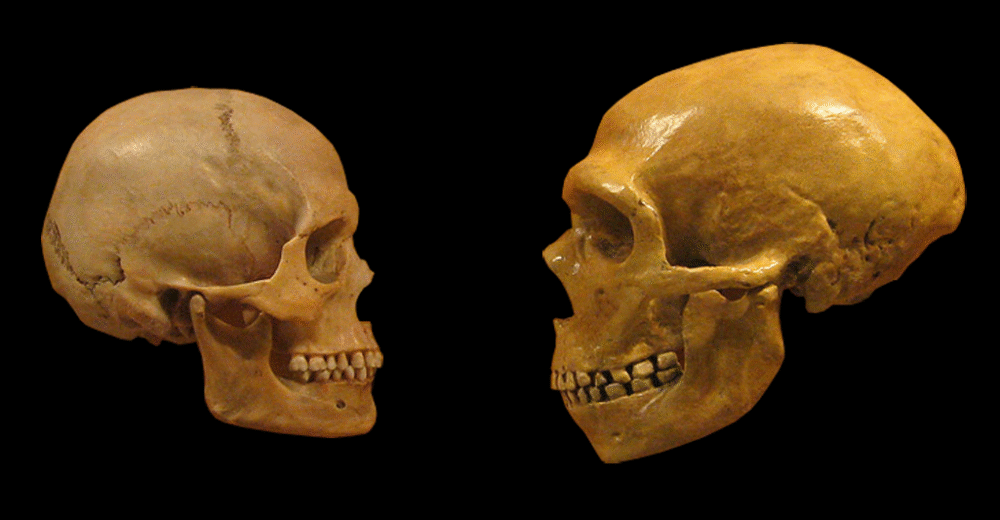
Many scientists see Homo erectus as a key ancestor of later human species, including Homo sapiens. Its body plan, tool use, and migration patterns set the stage for what came next.
By being the first to leave Africa, Homo erectus opened pathways that modern humans would later follow, reshaping the story of humanity forever.