
Surprising stories, overlooked heroes, and forgotten twists reveal a far more complex Revolution than most remember.
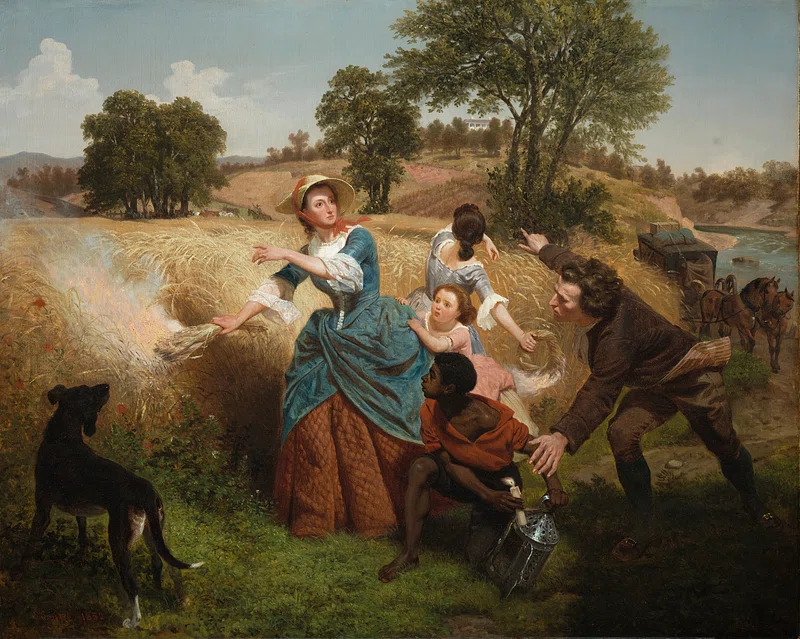
The American Revolution is often taught as a straightforward tale of freedom, patriotism, and heroic battles—but the real story is far more complicated. Historians say many pivotal moments, hidden alliances, bold spies, and unexpected struggles rarely make it into school textbooks. From covert operations and internal divisions to overlooked groups who shaped the war’s outcome, the Revolution was filled with surprises that changed the course of history. These lesser-known details reveal a deeper, more fascinating side of America’s founding conflict.
1. A Secret Spy Ring Helped Washington Outsmart the British
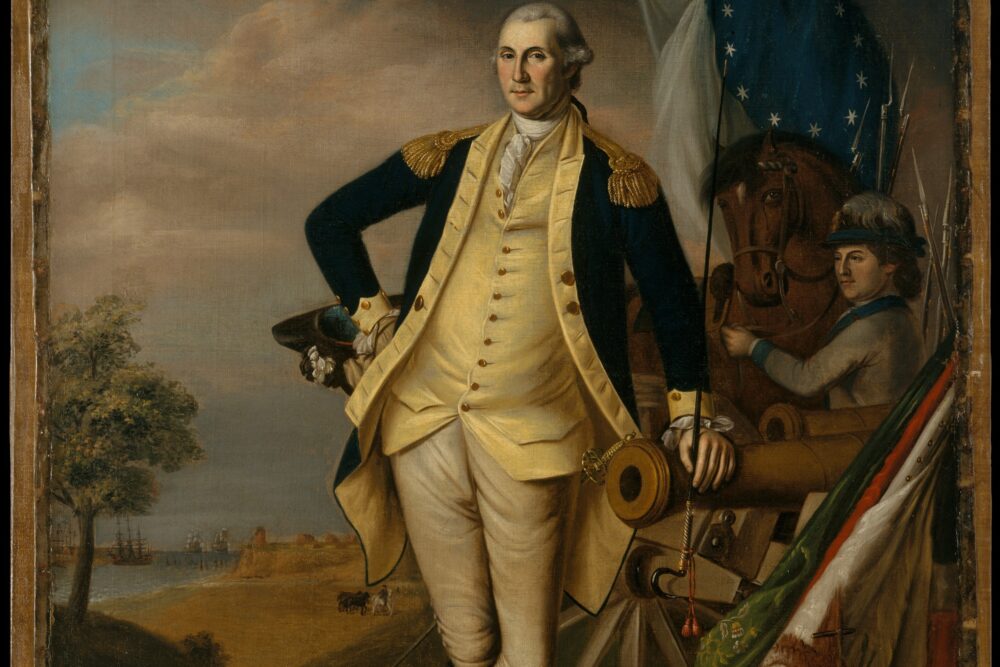
The Culper Spy Ring, formed in 1778, gathered intelligence from inside British-occupied New York City. They used coded letters, invisible ink, and secret drop sites to send information to George Washington. Their reports exposed British troop movements and even uncovered plots against American forces.
Historians credit the ring with helping prevent several major defeats. Despite their impact, the identities of several members remained unknown for more than a century—one reason their contributions rarely appear in traditional classroom histories.
2. Not All Colonists Supported Independence—Many Fought Against It

School lessons often portray the colonies as united, but nearly one-third of colonists remained loyal to Britain. These Loyalists included wealthy merchants, Indigenous groups aligned for strategic reasons, enslaved people who sought freedom through British lines, and families who preferred stability over revolution.
The split led to violence, property seizures, and deep divisions that continued long after the war. Understanding these internal conflicts shows that the Revolution was not just a war against an empire—it was also a civil war within the colonies themselves.
3. Enslaved People Played a Major Role on Both Sides
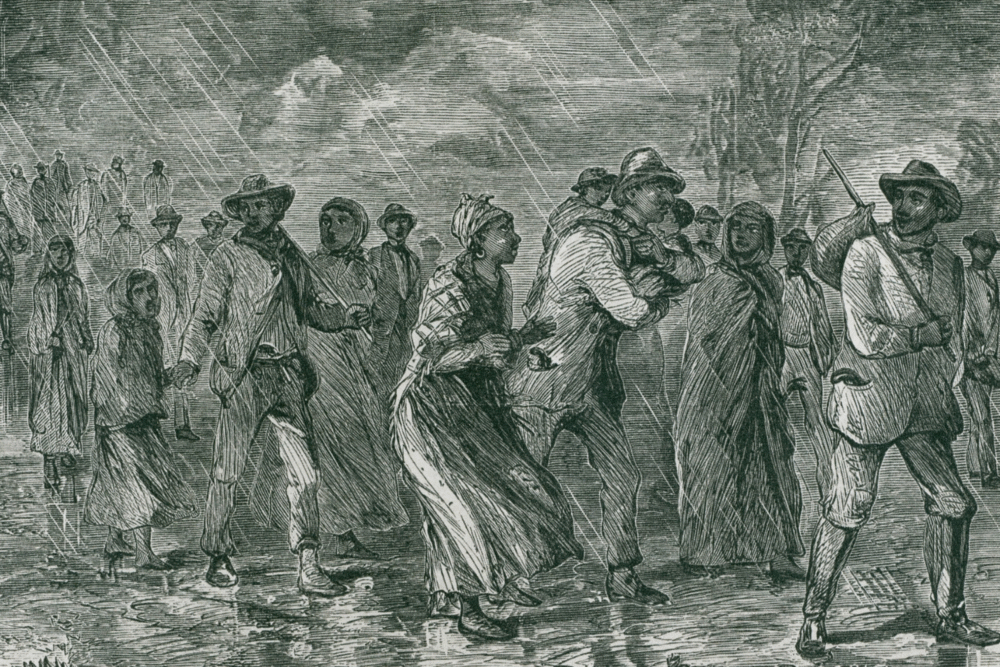
Tens of thousands of enslaved people sought freedom by joining whichever side offered the best chance. The British promised emancipation to those who escaped Patriot owners and served the Crown, leading thousands to flee to British lines. Others fought for the Continental Army when allowed by individual states.
Their choices shaped military manpower, intelligence networks, and postwar migration. Many who served the British were later evacuated to Nova Scotia, the Caribbean, or Sierra Leone. Their stories reveal how the Revolution intersected with the struggle for freedom long before slavery ended.
4. Native Nations Strategically Navigated the Conflict

Indigenous nations were not passive observers. The Mohawk, Seneca, and other Haudenosaunee nations supported the British, hoping to protect homelands from colonial expansion. Meanwhile, groups like the Oneida supported the Revolution, creating divisions within long-standing alliances.
These choices had lasting consequences. Many Indigenous nations suffered land loss after the war, regardless of which side they supported. Their involvement is often simplified in textbooks, but it played a critical role in the war’s geography, diplomacy, and long-term impact.
5. Women Ran Businesses, Managed Farms, and Spied for the Cause
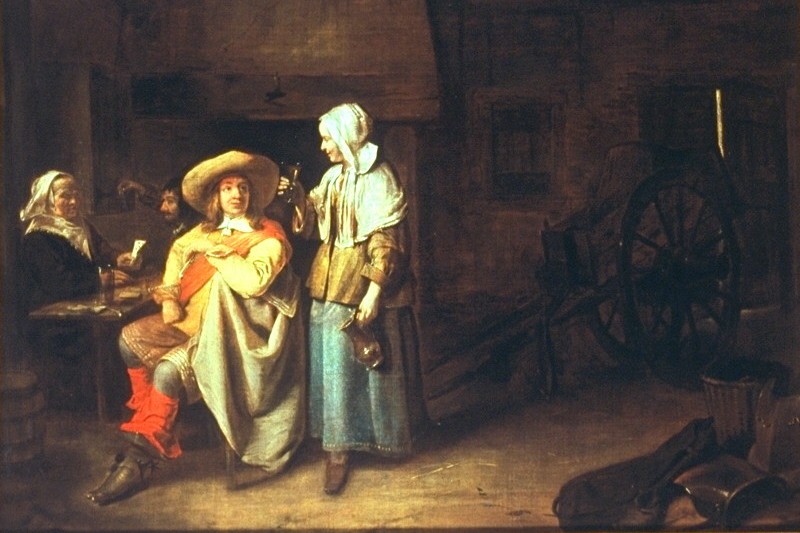
Women’s contributions extended far beyond supporting households. Many managed farms, shops, and family finances while men served in the war. Some women—like Agent 355, who may have operated within the Culper Ring—served as covert informants. Others delivered messages, smuggled supplies, or acted as couriers between military lines.
Though often omitted from early histories, these actions were essential to sustaining the war effort. Their expanded responsibilities laid groundwork for later debates about women’s rights in the new nation.
6. The Revolution Nearly Collapsed Due to Lack of Supplies
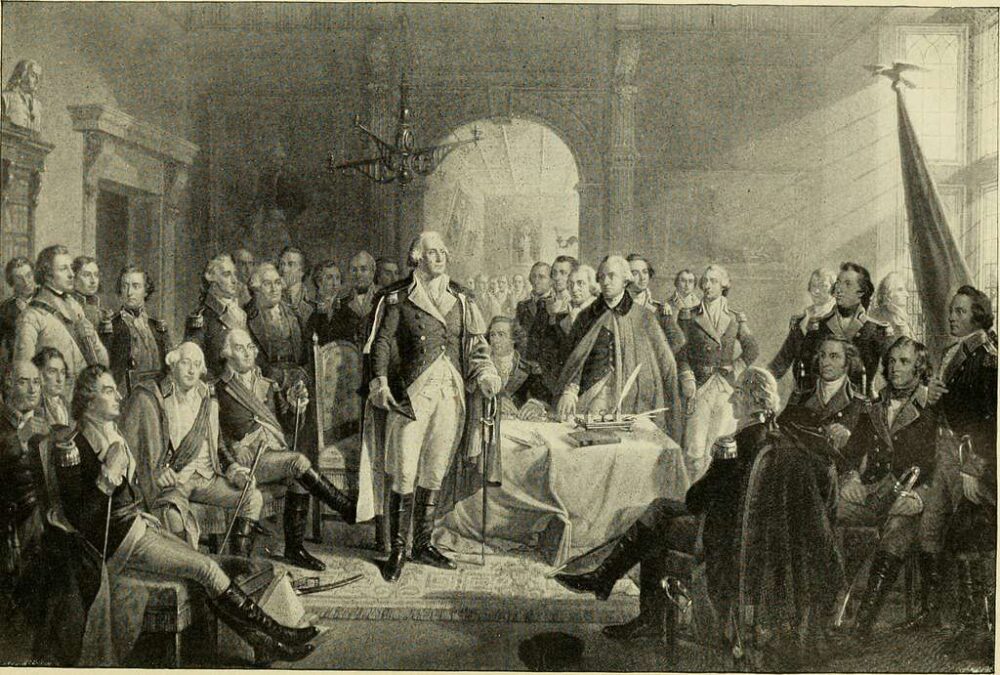
The Continental Army often faced shortages of food, clothing, ammunition, and money. At Valley Forge, soldiers endured freezing temperatures, inadequate shelter, and scarce rations. Supply failures came from weak colonial coordination, limited manufacturing, and inflation that made purchases nearly impossible.
Despite the hardships, the army reorganized under Baron von Steuben’s training program, improving discipline and battlefield tactics. These struggles show that the Revolution’s outcome was never guaranteed—and depended as much on endurance and organization as on battlefield victories.
7. France’s Support Was Crucial—and Not Just on the Battlefield

While most students learn about French military aid, the full extent of support was far greater. France provided money, uniforms, weapons, naval strength, and secret shipments of gunpowder even before the alliance became public in 1778. French naval victories, especially at Chesapeake Bay, directly enabled the American triumph at Yorktown.
Without these resources, many historians agree the Revolution would likely have failed. Yet the broader diplomatic and financial partnership often receives far less attention in school narratives.
8. Prison Ships in New York Were Among the War’s Deadliest Sites
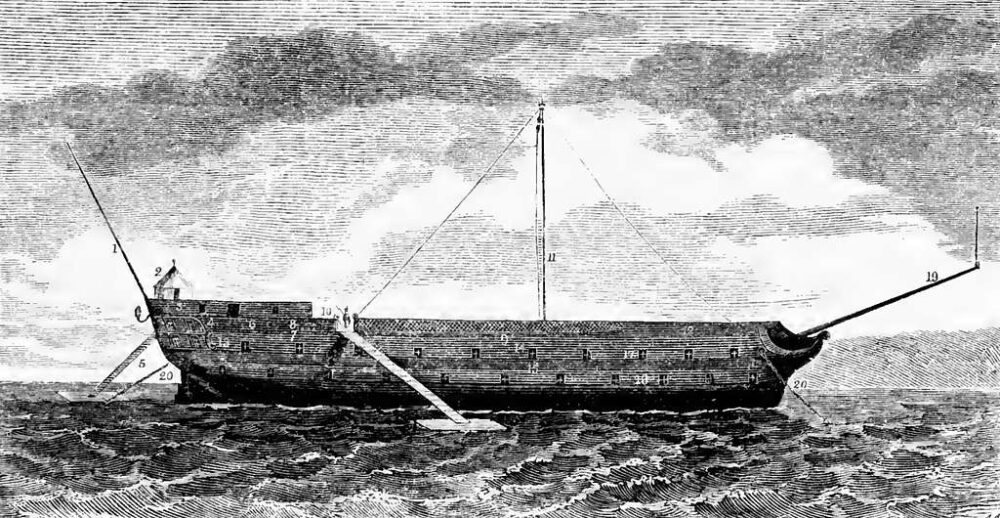
Thousands of American prisoners died aboard British prison ships anchored in New York Harbor, especially the notorious HMS Jersey. Overcrowded conditions, disease, starvation, and poor ventilation led to far higher death rates than many battlefields.
Survivor accounts describe extreme suffering, yet these floating prisons rarely receive the focus that major battles do. Their story reveals a darker side of the war and underscores the immense human cost beyond the well-known military campaigns.
9. The Revolution Spread Far Beyond the Thirteen Colonies
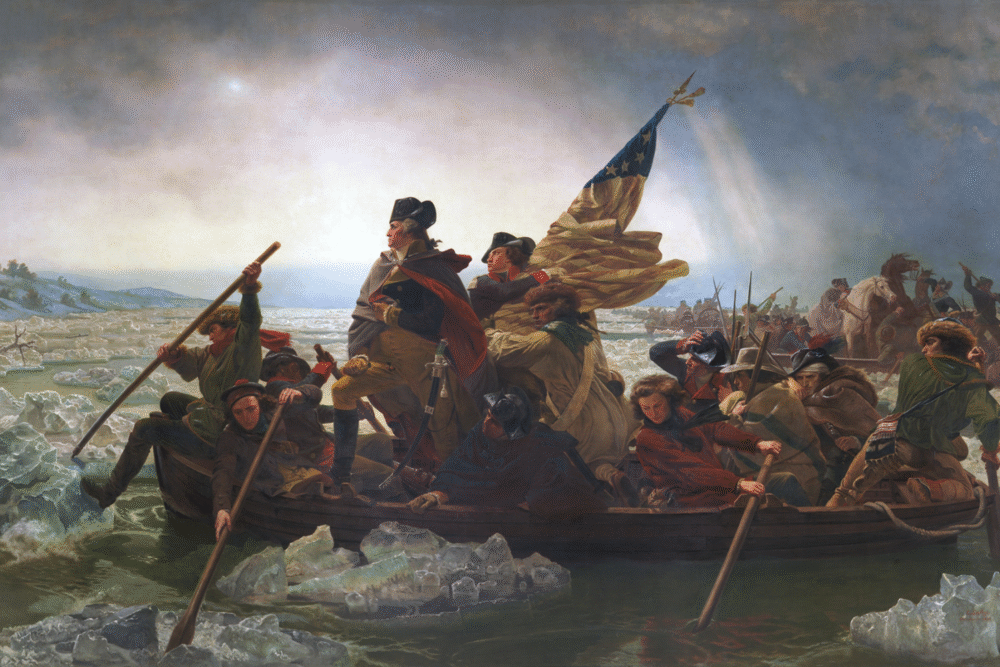
Fighting extended into Florida, the Caribbean, and the western frontier. Spain, an ally of France—though not officially of the United States—captured British forts along the Gulf Coast, weakening Britain’s position. Battles in the Ohio Valley shaped control of lands that later became part of the expanding United States.
These distant campaigns influenced diplomacy and territorial outcomes, yet they often fall outside the traditional school focus on New England and the Mid-Atlantic.
10. African American Soldiers Served in Large Numbers Despite Barriers
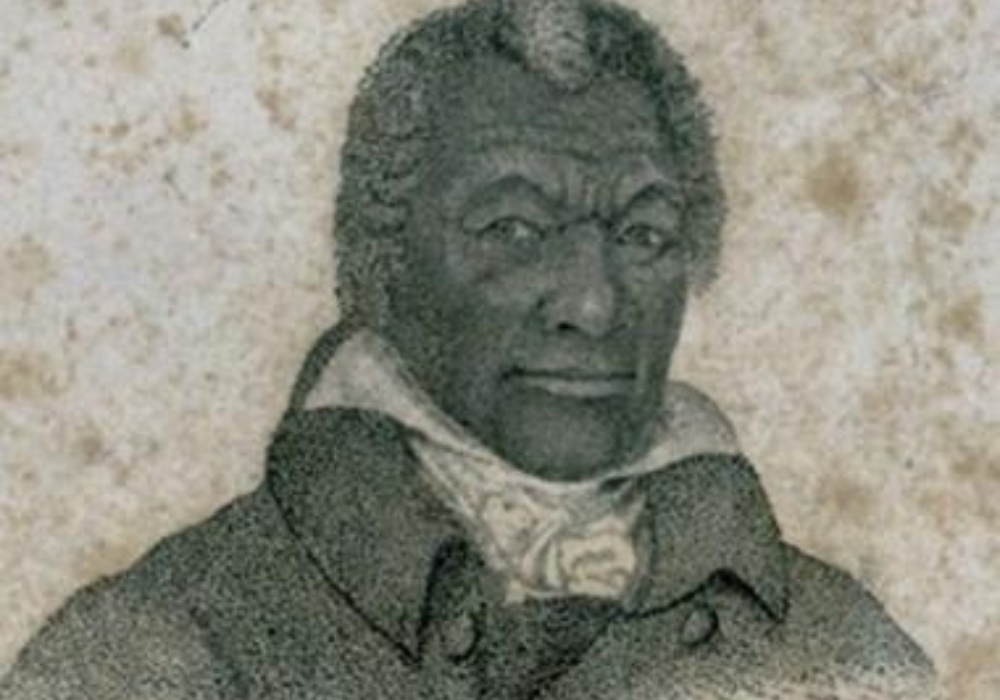
By the end of the war, thousands of free and enslaved Black soldiers had fought for the Continental Army. Units like the 1st Rhode Island Regiment included many Black troops who saw direct combat. Their service challenged racial assumptions of the era and influenced debates about citizenship in the new Republic.
Yet textbooks have historically minimized their contributions. Modern scholarship has brought more visibility to these soldiers and the complex choices they faced during the conflict.
11. The Founders Disagreed Sharply About the Future of the Nation
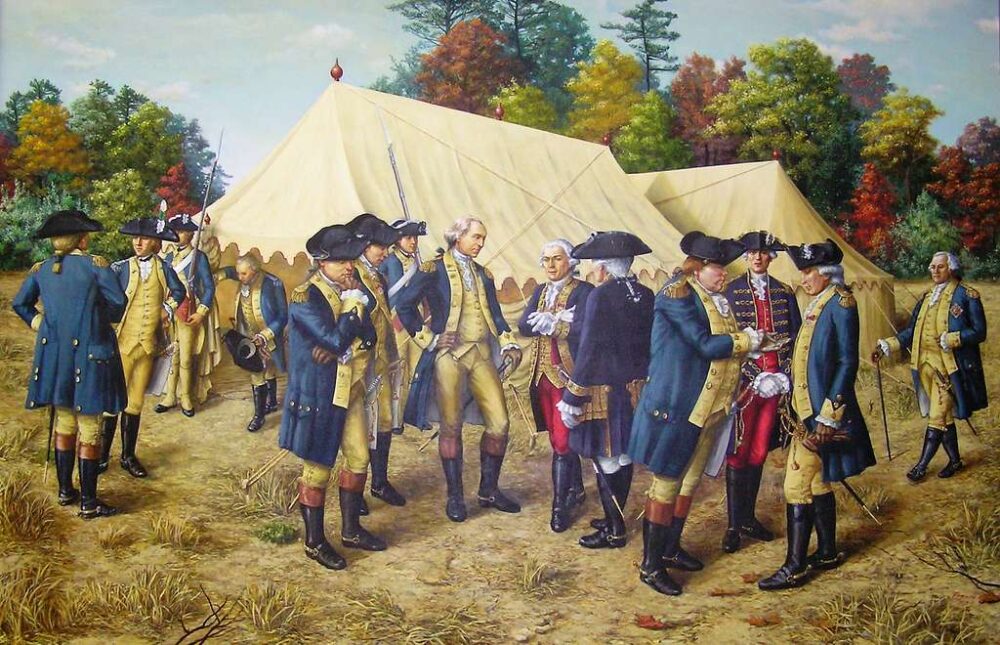
The unity shown during the Revolution masked deep disagreements about government power, state sovereignty, taxation, and individual rights. These tensions reappeared immediately after the war, shaping the Articles of Confederation, the Constitutional Convention, and the Bill of Rights.
Understanding these early conflicts helps explain why forming a stable government proved difficult. The Revolution didn’t end political debates—it ignited them, setting the stage for the challenges of building a new nation from the ground up.