
Doctors are sounding the alarm as rising global temperatures put millions of outdoor workers at kidney risk.

A new wave of research reveals that extreme heat exposure is causing a silent but growing epidemic of chronic kidney disease among outdoor workers. From Central America’s sugarcane fields to construction sites across the southern United States, doctors are seeing alarming rates of kidney damage linked to heat stress and dehydration. Scientists warn that as global temperatures rise, millions more laborers could face permanent health consequences — making this one of climate change’s most urgent human impacts.
1. Doctors Are Seeing a Surge of Kidney Damage Among Heat-Exposed Workers

Across the globe, physicians are reporting an alarming rise in chronic kidney disease among people who work long hours in high temperatures. The trend is especially visible in agricultural and construction laborers who often lack access to shade, cooling, or clean water.
Medical researchers say this emerging condition, sometimes called CKD of nontraditional causes, is directly linked to heat stress and repeated dehydration—factors that damage kidney tissues over time and can lead to organ failure if left untreated.
2. Central America Became Ground Zero for a Mysterious Epidemic
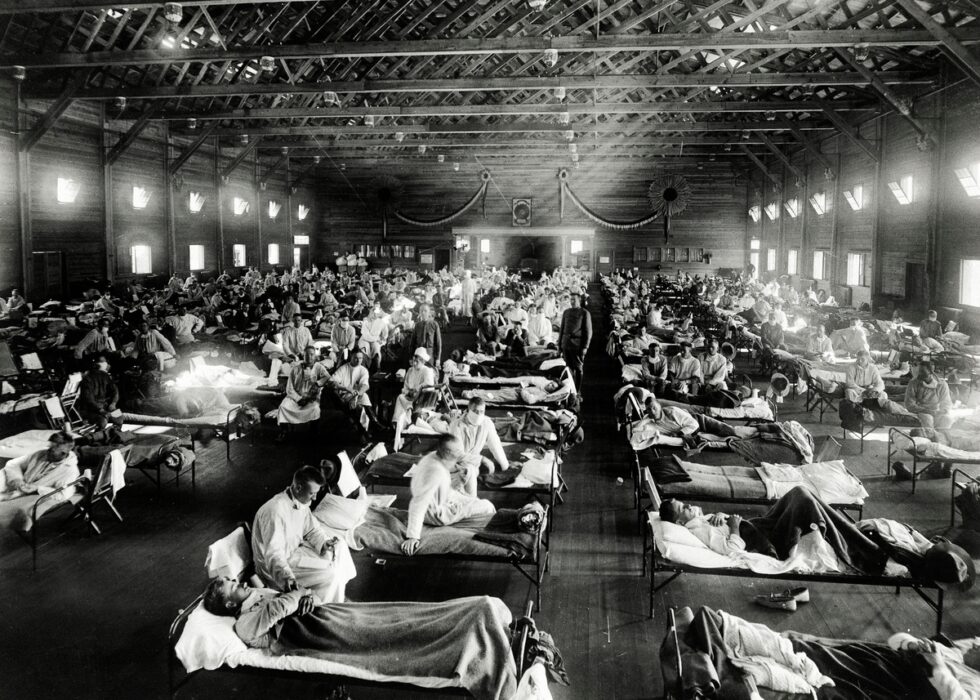
The first major outbreaks were documented among sugarcane workers in El Salvador and Nicaragua more than two decades ago. Thousands of men in their 20s and 30s began dying of kidney failure, often without the common risk factors of diabetes or hypertension.
Scientists eventually traced the illness to prolonged heat exposure and severe dehydration from grueling field work. The findings helped redefine how occupational and environmental stressors can cause organ damage previously attributed only to lifestyle or genetics.
3. Researchers Are Now Finding Cases in the United States

Once thought to be confined to tropical regions, heat-related kidney disease is now being detected among outdoor workers in the southern United States. Cases have appeared in California’s Central Valley, Texas, and Florida—areas where heat waves are growing longer and more intense.
Studies funded by the National Institute for Occupational Safety and Health confirm that even mild but repeated dehydration episodes can elevate kidney injury markers. Experts warn that as climate extremes worsen, U.S. cases could multiply dramatically in coming decades.
4. How Heat Stress Slowly Destroys the Kidneys

When the body overheats, blood flow shifts away from the kidneys to help regulate temperature. Over time, this deprives the organs of oxygen and damages delicate filtering structures. Repeated cycles of dehydration and exertion compound the injury.
Doctors explain that symptoms may remain hidden for years until irreversible scarring and kidney failure occur. This slow, silent process makes the disease difficult to detect early—and leaves many laborers unaware they’re in danger until it’s too late for treatment.
5. Climate Change Is Making Work More Dangerous Than Ever
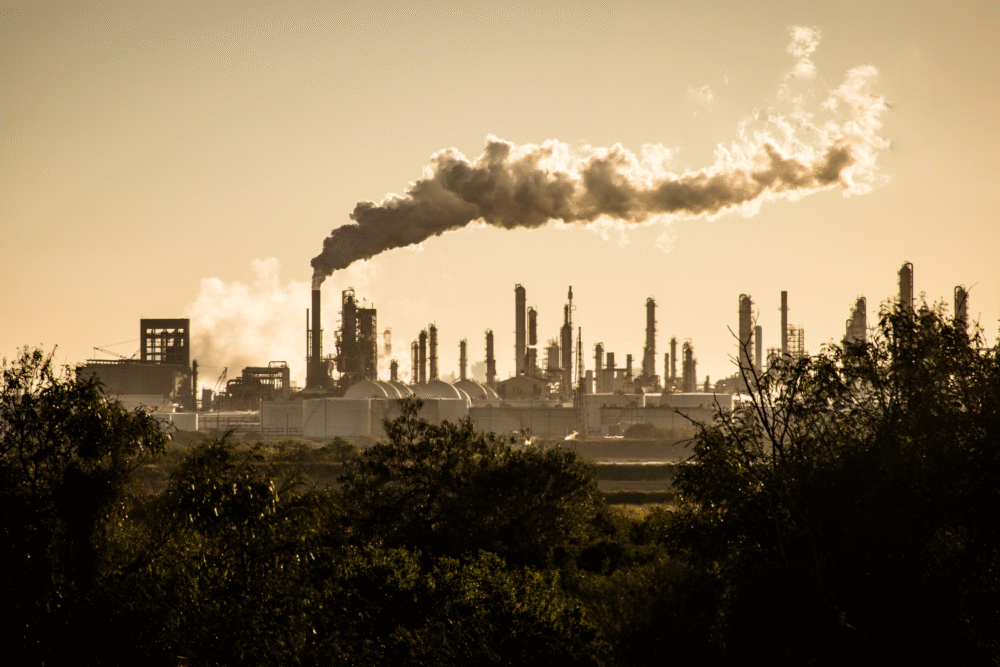
Rising global temperatures are dramatically increasing the number of “unsafe workdays” each year. In parts of Central America, heat indices now exceed safe thresholds for outdoor labor during most daylight hours. Similar conditions are spreading across the American South and Asia.
Researchers estimate that hundreds of millions of workers already endure heat stress levels considered unsafe by international labor standards. Without adaptation measures, climate change could turn outdoor labor into one of the world’s most hazardous occupations.
6. Hydration Alone Isn’t Always Enough to Prevent Damage

Although frequent water breaks help, scientists say hydration cannot fully protect workers exposed to relentless heat and humidity. High metabolic strain, lack of rest periods, and electrolyte loss all contribute to kidney injury, even among those who drink regularly.
New studies suggest that rest cycles, shade, and access to cool environments are essential for preventing cumulative harm. Occupational safety experts argue that regulations must go beyond hydration campaigns to address the deeper physiological risks of chronic heat exposure.
7. Low-Wage Workers Bear the Greatest Risk

The burden of heat-related kidney disease falls disproportionately on those least able to protect themselves—farmworkers, construction crews, and factory laborers earning low wages. Many are migrants or contract workers who lack health coverage or legal protections.
Advocates note that economic pressure often forces workers to remain on the job despite dangerous heat. In some regions, missing a shift means losing a week’s pay. This creates a vicious cycle where the poorest workers face the highest risk of irreversible kidney damage.
8. Scientists Warn the Epidemic Is Vastly Underreported

Chronic kidney disease linked to heat exposure often goes undiagnosed because many affected workers live far from hospitals or lack access to routine blood tests. Mortality data in rural areas are incomplete, masking the full scale of the crisis.
Epidemiologists believe tens of thousands of cases across Latin America, South Asia, and Africa remain uncounted. Without improved monitoring, they say the true human cost of climate-related kidney disease may never be fully recognized or addressed by public health systems.
9. Efforts to Protect Workers Are Slowly Emerging
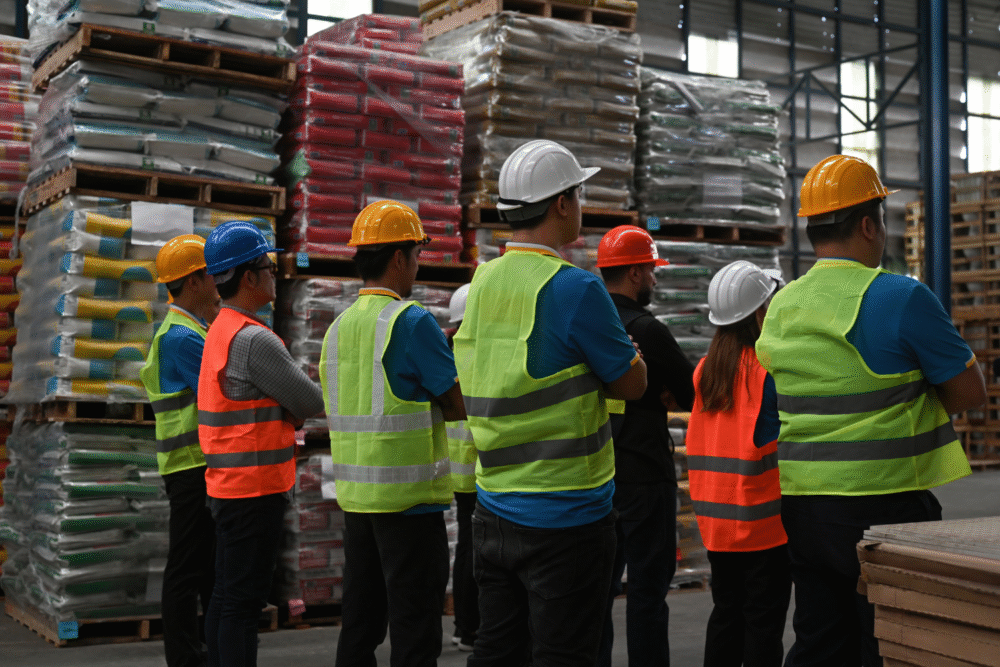
Some employers and governments have begun implementing heat safety standards that mandate shaded rest areas, hydration schedules, and reduced work hours during peak heat. El Salvador and Nicaragua have launched national programs to monitor workers’ kidney function.
In the U.S., California and Oregon have enacted workplace heat protection laws, and the Occupational Safety and Health Administration is considering a national standard. Experts stress, however, that enforcement remains inconsistent and protections rarely extend to informal labor sectors.
10. Scientists Say the Crisis Reflects Climate Change’s Human Toll

Researchers studying this epidemic see it as one of the clearest examples of how climate change directly harms human health—particularly for those doing the world’s most physically demanding work. The kidneys, they note, are simply not designed to endure prolonged heat stress.
As global temperatures rise, millions more could face the same fate as the sugarcane workers of Central America. Scientists say preventing this crisis will require not only medical interventions but also stronger labor rights and global action on climate change itself.