
New projections suggest heart disease and stroke could hit far more young women by 2050.

Heart disease still gets framed as something that happens later in life, but new projections suggest young women could be hit much earlier than most people expect. Researchers looking at national trends say cardiovascular disease may become far more common in women over the next few decades, driven by rising rates of high blood pressure, obesity, and diabetes.
That doesn’t mean your future is fixed. It does mean prevention can’t wait until “someday.” The earlier women and girls build heart-healthy habits and get risk factors treated, the better the odds of dodging problems that might otherwise show up in their 30s, 40s, and beyond.
1. The projection that should stop young women in their tracks

New forecasts suggest nearly one in three women ages 22 to 44 could have some form of cardiovascular disease by 2050. That’s a jarring shift for an age group that often assumes heart problems are decades away, not right around the corner.
The point isn’t to panic. It’s to notice how early risk can stack up. When blood pressure, weight, and blood sugar drift in the wrong direction in your 20s and 30s, the body has less runway. Catching small changes early gives you more options, more time, and often simpler fixes.
2. It’s not just “heart disease” but a whole family of conditions

When experts say cardiovascular disease, they’re bundling several problems together, including coronary disease, stroke, heart failure, and atrial fibrillation. Some are sudden emergencies, others are slow-building conditions that quietly chip away at health for years.
That’s why the forecasts feel unsettling. Even modest increases across multiple categories can mean millions more women managing chronic issues. The encouraging part is that many of these conditions share the same drivers, like blood pressure, blood sugar, and inflammation. When you improve one risk factor, you often improve several outcomes at once, which is empowering.
3. High blood pressure is the early warning light
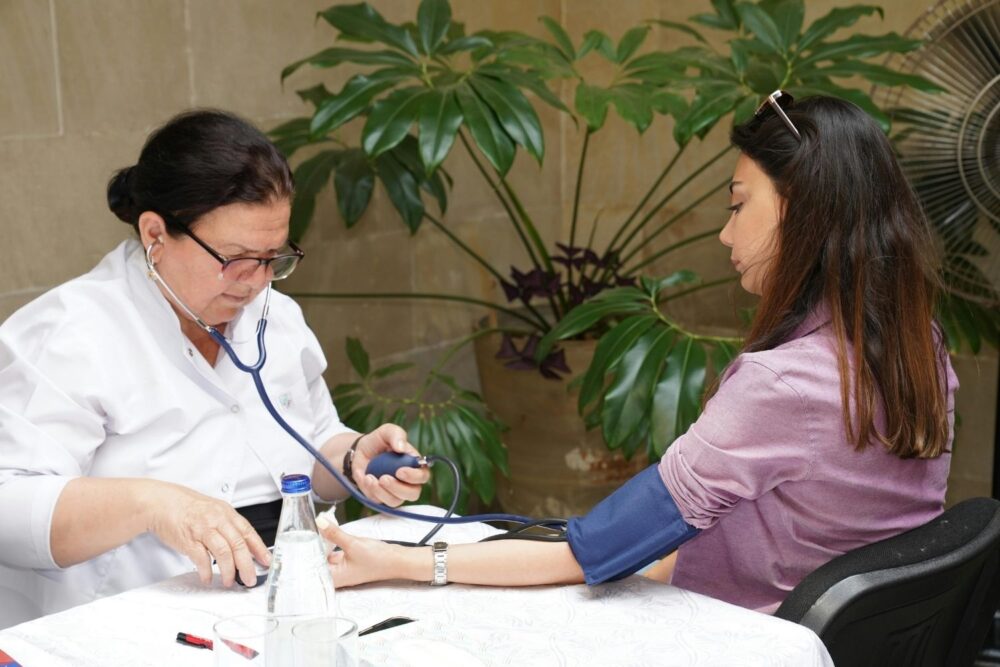
Projections show high blood pressure may become even more common in women by 2050, and it often shows up with no obvious symptoms. You can feel totally fine while your arteries and heart are under extra strain day after day.
Think of blood pressure as an early warning light, not a verdict. A simple cuff reading can flag risk years before a crisis. If your numbers are creeping up, small changes like less sodium, more movement, better sleep, and the right medication when needed can lower risk fast and keep it lower.
4. Weight and blood sugar are rising together

Forecasts also point to increases in obesity and diabetes among women by 2050, and those trends often travel together. Extra weight can raise blood pressure and inflammation, while higher blood sugar can damage blood vessels and nerves over time.
The frustrating part is that these shifts can happen gradually, so they feel normal until they don’t. The helpful part is that modest, sustainable changes can move the needle. Even a small reduction in weight or A1C can lower risk, especially when started early and kept consistent. Think steady, not extreme, and you’ll be more likely to stick with it.
5. Why young women are not “protected” the way we assume

There’s a stubborn myth that young women don’t need to worry about their hearts. But risk factors can start in childhood and build through the teen years, college, pregnancies, and early careers, long before anyone calls it “heart disease.”
Hormones may offer some protection for some people, but they don’t cancel out high blood pressure, diabetes, smoking, or chronic stress. Life transitions can also hide risk because symptoms get blamed on being busy or tired. Treat heart health like dental care: regular check-ins, quick course corrections, and no waiting for pain to start.
6. Pregnancy can act like a heart health stress test

Pregnancy puts the cardiovascular system under real strain, and complications can reveal underlying risk. Conditions like gestational diabetes or high blood pressure in pregnancy aren’t just short-term hurdles. They can be a preview of future heart disease and stroke risk.
This is where follow-up matters. If you had complications, ask what your long-term plan should be and what numbers to watch. Monitoring blood pressure, lipids, and blood sugar after pregnancy and in the years that follow can help you catch problems early, when intervention is simplest and most effective. Bring it up at annual visits so it doesn’t get forgotten.
7. Symptoms in women can look different and get missed

Women can feel classic chest pressure, but they may also experience nausea, shortness of breath, jaw or back pain, extreme fatigue, or a vague sense that something is “off.” Those differences can lead to delays in seeking care and delays in diagnosis.
If a symptom is new, intense, or scary, trust yourself and get evaluated. And if you feel dismissed, it’s okay to be persistent or get a second opinion. Clear details help: when it started, what triggers it, what relieves it, and how it’s different from your normal. That specificity can save time.
8. Stress, sleep, and mental load are part of the risk story

The forecasts focus on medical risk factors, but day-to-day stress and poor sleep can quietly fuel them. Chronic stress can raise blood pressure and make healthy routines harder to maintain. Sleep deprivation can worsen appetite signals, insulin sensitivity, and recovery from exercise.
This isn’t about blaming people for being overwhelmed. It’s about recognizing that prevention isn’t only diet and workouts. Building routines that support sleep, stress relief, and social connection can protect the heart indirectly by making the basics easier to sustain. Even small changes, like a consistent bedtime or daily walk break, can add up.
9. A personal prevention plan beats generic advice

Heart advice gets repeated so often it can sound like background noise. The more useful approach is personal: know your blood pressure, cholesterol, blood sugar, weight trend, and family history, then pick the one or two changes that will matter most for you right now.
If your blood pressure is the issue, focus there first. If your A1C is climbing, build around that with food, movement, and follow-up labs. And if your numbers are fine, keep them that way with maintenance habits. Prevention works best when it feels targeted, not like a total life overhaul.
10. The earlier you start, the more powerful the payoff

One reason the projections are concerning is that cardiovascular disease is a life-course problem. Risk factors that start young can lead to heart issues earlier, which then raises the odds of complications later, including repeat events and heart failure.
The flip side is hopeful. Starting earlier gives you more time for small habits to compound, and it can delay or prevent disease entirely. Think of it as investing, not dieting. Consistent walking, strength training, blood pressure control, and not smoking may not feel dramatic day to day, but the payoff can be huge.
11. What doctors want young women to do right now

If there’s a takeaway, it’s this: don’t wait for middle age to start paying attention. Get your blood pressure checked regularly, ask about cholesterol and blood sugar testing, and take postpartum and perimenopause changes seriously instead of brushing them off.
Then focus on the basics that move risk the most: stay active, prioritize sleep, eat in a way you can keep doing, and get help for stress and smoking. If you need medication, taking it consistently is also prevention. Small steps now can change what 2050 looks like for you.