
A simple coding experiment exposed a major robot vacuum security flaw, revealing access to thousands of devices worldwide.
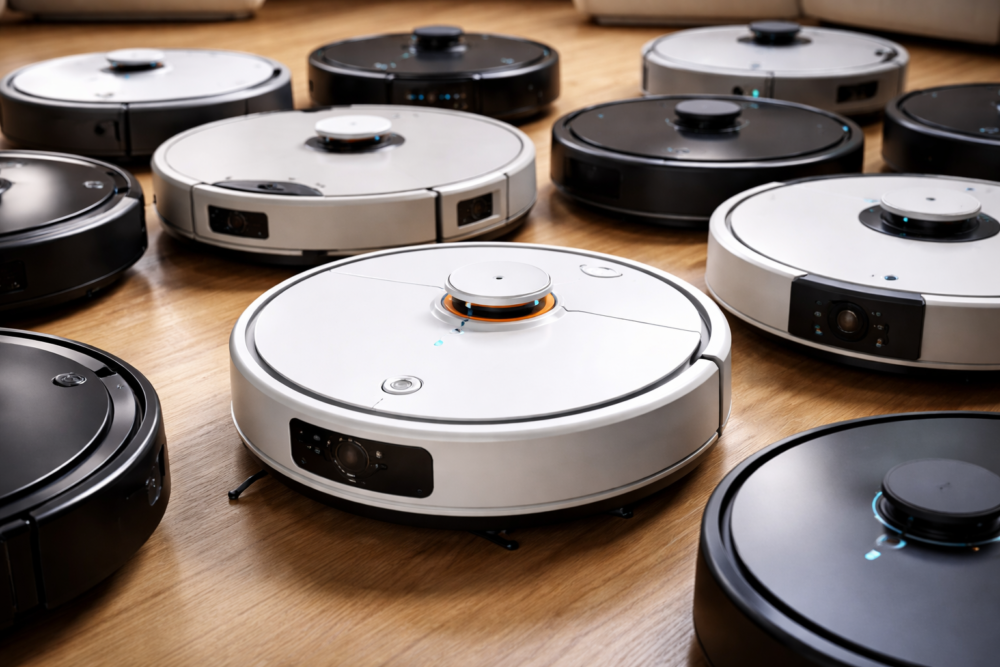
A hobby coder set out to do something harmless: control his robot vacuum with a game controller. Instead, he stumbled into a startling discovery that revealed how easily thousands of connected vacuums could be accessed through a single security weakness. What began as a personal tech project quickly became a lesson in how fragile smart home security can be.
The incident showed that modern robot vacuums are no longer just cleaners. With cameras, microphones, and detailed home maps, they quietly collect sensitive information. When protections fail, those everyday devices can become unexpected windows into people’s private lives.
1. It started as a fun side project at home

The coder was experimenting with a custom app to remotely steer his robot vacuum using a gaming controller. It was meant to be a playful challenge, combining curiosity and basic programming skills.
While testing how the app communicated with the vacuum’s cloud service, something unusual appeared. Instead of connecting only to his own device, the system began returning data from many others, signaling a much deeper issue than a simple bug.
2. One digital key unlocked thousands of machines
To control a smart device, apps rely on authentication tokens that are supposed to grant access to a single account. In this case, that safeguard failed.
The token the coder extracted worked far too broadly. With it, his app could interact with thousands of robot vacuums around the world, revealing that the server was not properly separating users or devices from one another.
3. Modern robot vacuums collect sensitive data
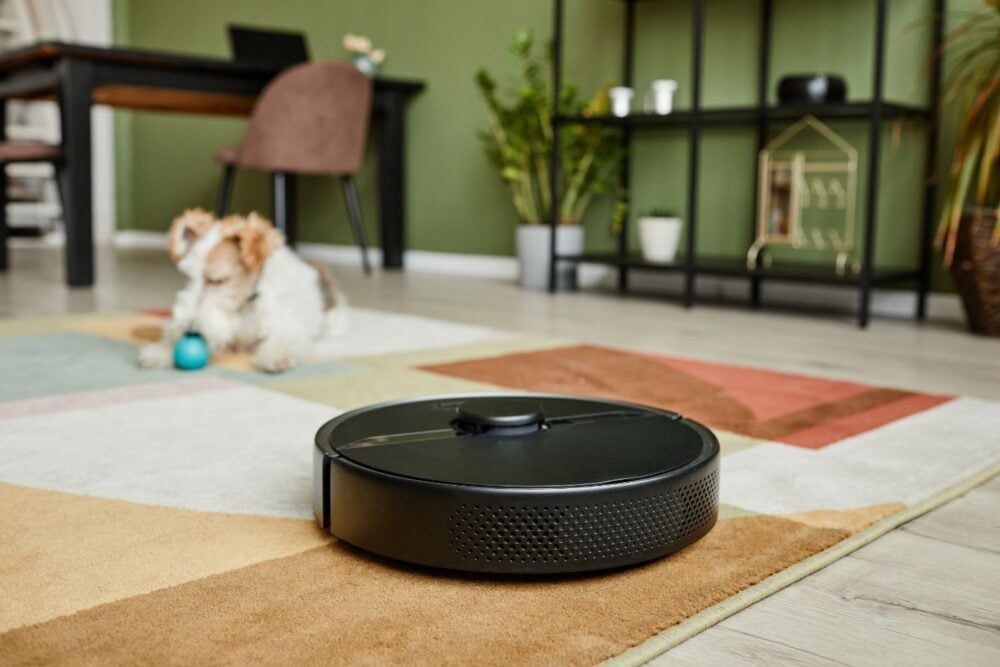
Today’s robot vacuums rely on cameras, microphones, and sensors to navigate efficiently. They map rooms, track movement, and sometimes allow live video viewing through companion apps.
That functionality is convenient, but it also means these devices hold sensitive data. Floor plans, camera views, and audio snippets can paint a surprisingly detailed picture of life inside a home.
4. This was a privacy risk, not just a tech glitch
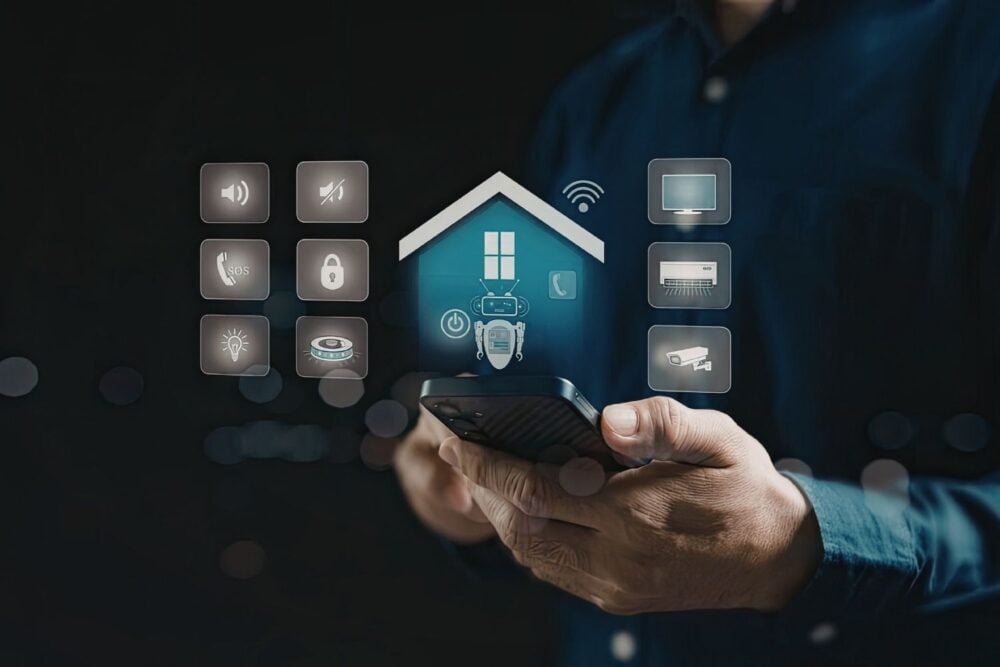
The exposed information was not limited to cleaning schedules or battery levels. It included access to live feeds and internal device data that should never be visible to outsiders.
If someone with malicious intent had found the same weakness, they could have silently observed homes or gathered personal information. The scale of the exposure is what made this discovery so alarming.
5. The coder chose disclosure instead of exploitation

Rather than abusing the access, the coder stopped testing once he understood the scope of the problem. He documented what he found and reported it responsibly.
That decision likely prevented serious harm. It also highlights how much depends on chance when it comes to discovering security flaws, and how different the outcome could have been with a less ethical finder.
6. The company moved quickly to close the gap
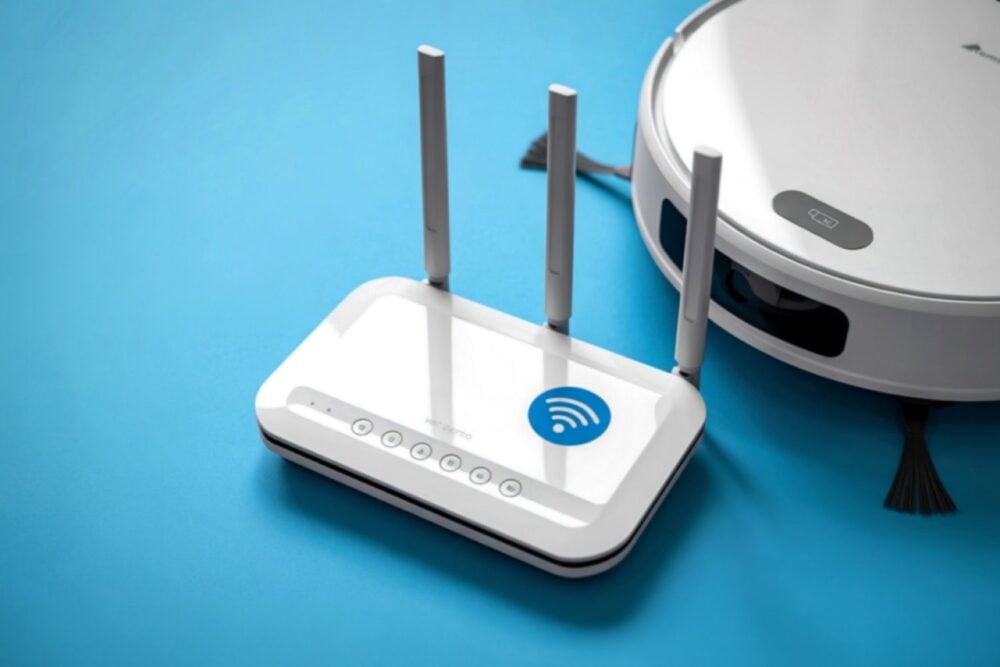
Once notified, the manufacturer issued software updates designed to limit access and correct the faulty authentication behavior. Devices were patched automatically through the cloud.
While the immediate risk was reduced, the incident raised questions about how such a broad vulnerability made it into a consumer product in the first place.
7. Smart home devices share similar weaknesses
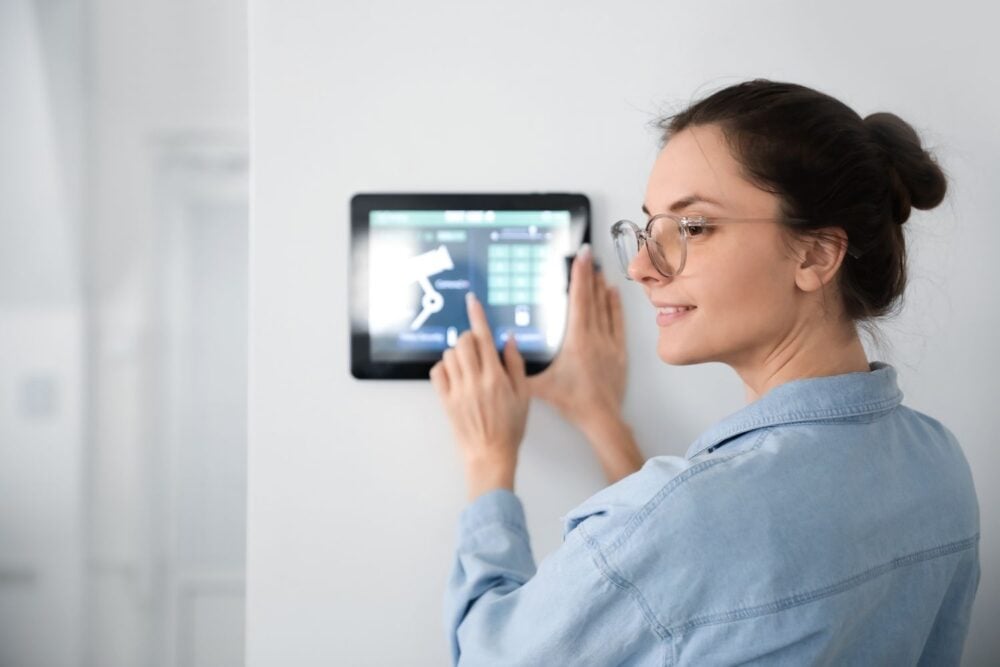
Robot vacuums are not unique. Many connected home devices rely on cloud servers to function, from cameras to doorbells to thermostats.
When backend security is weak, attackers do not need to break into individual homes. They only need to find a flaw in the system that manages all the devices at once.
8. Home maps are more revealing than people realize

Vacuum-generated maps can show room layouts, entry points, and patterns of movement. Over time, they can reveal when people are home and how they use their space.
That information is valuable, not just to advertisers, but also to criminals. Protecting it should be treated as seriously as protecting passwords or financial data.
9. AI tools make probing systems easier
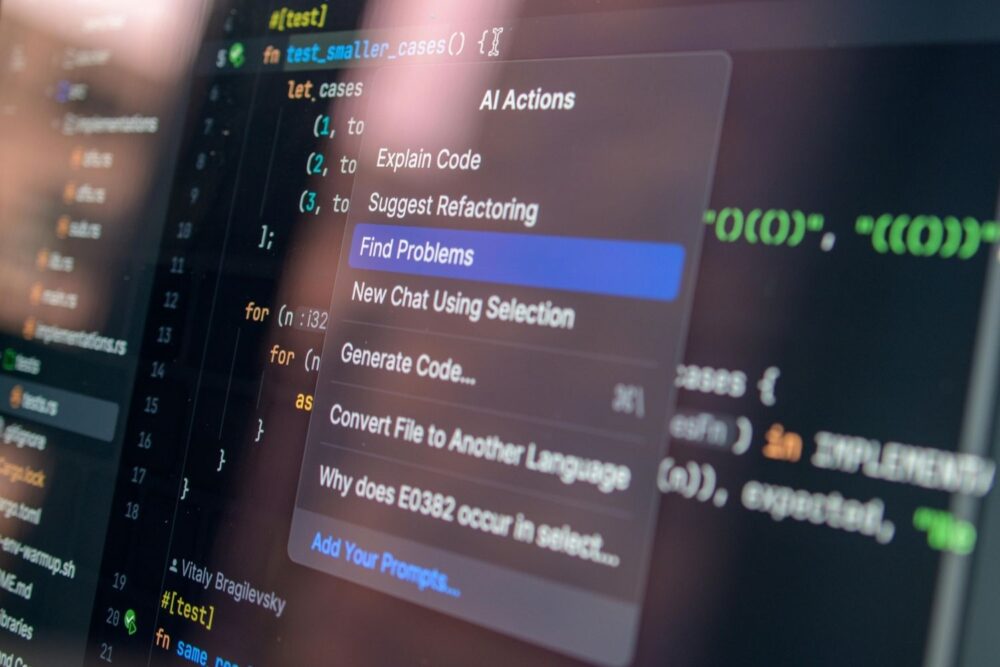
The coder used AI-assisted tools to help build his app faster. That same accessibility lowers the barrier for others to experiment with connected devices.
As coding becomes easier for more people, security flaws that once required expert skills to uncover may become easier to find, increasing both innovation and risk.
10. Users can take small but important steps
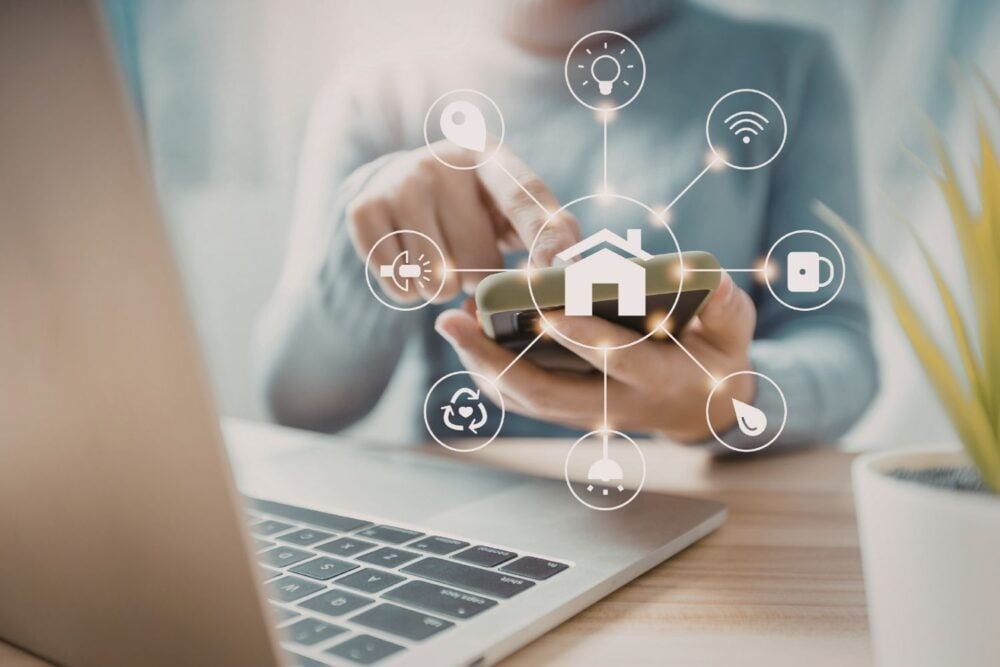
Keeping smart devices updated is one of the most effective protections available. Automatic updates help close known vulnerabilities quickly.
Users can also review app permissions, disable features they do not need, and avoid placing connected devices in sensitive areas when possible.
11. The bigger lesson is about trust and design
This episode shows how much trust consumers place in everyday technology without thinking about what sits behind it. A robot vacuum feels harmless, until it is connected to a global network.
As smart devices become more common, security cannot be an afterthought. The future of connected homes depends on building systems that assume mistakes will happen and limit the damage when they do.