
The women who rewrote rock history, shattered limits, and proved greatness has no gender.
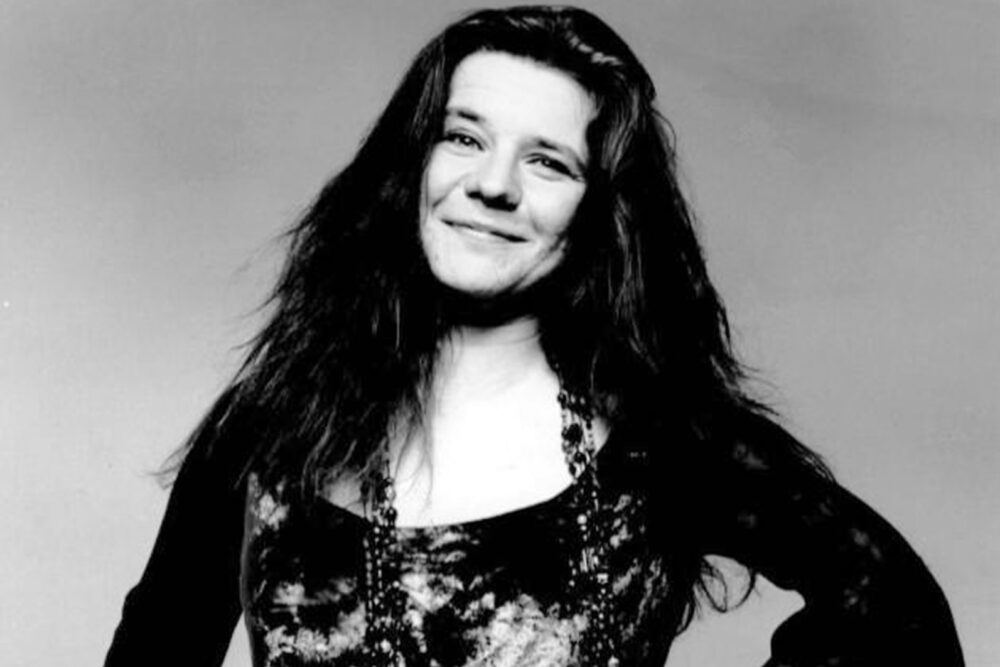
For decades, rock music was treated like a boys’ club, but the truth has always been louder than that. Some of the most unforgettable voices, boldest performers, and most influential artists in rock history were women who refused to play small. They pushed boundaries, challenged expectations, and helped shape entire eras of music along the way. This isn’t just about hit songs or chart success. It’s about impact, influence, and staying power. These women didn’t just earn respect; they changed rock forever.
1. Janis Joplin proved vulnerability could be just as explosive as volume
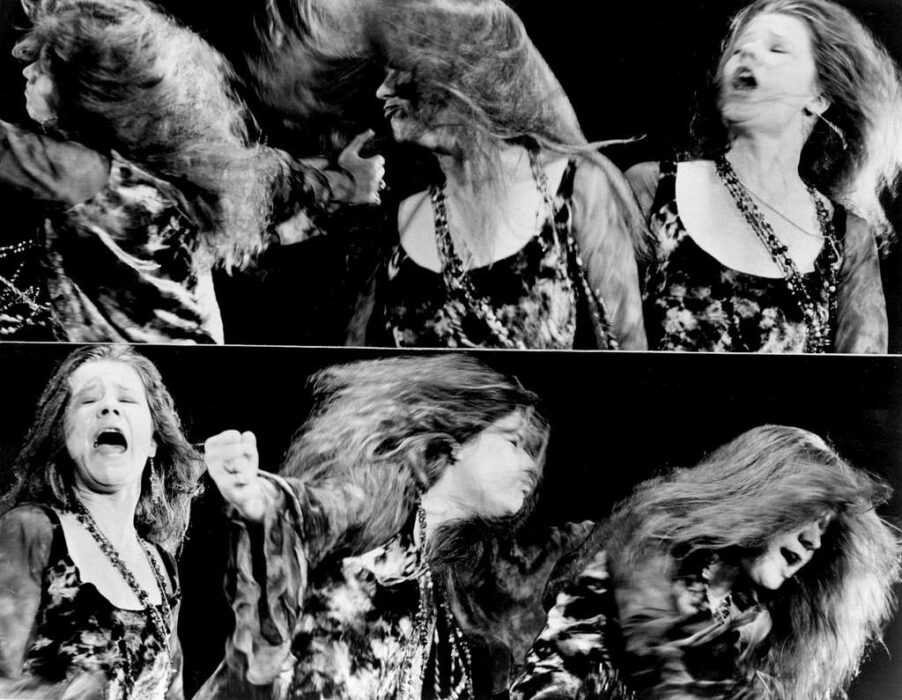
Janis Joplin didn’t smooth out her voice or hide her pain, and that honesty became her signature. Her singing felt raw, urgent, and emotionally exposed, which made every performance feel personal and unpredictable. Tracks like “Piece of My Heart” and “Cry Baby” sounded lived in, not rehearsed, and that authenticity resonated deeply with audiences.
She helped redefine what a rock frontwoman could look and sound like during a male-dominated era. Joplin proved that emotional truth could be louder than technical perfection. Long after her short career ended, her fearless approach continues to influence singers who value feeling over polish.
2. Stevie Nicks brought mysticism, storytelling, and staying power to rock
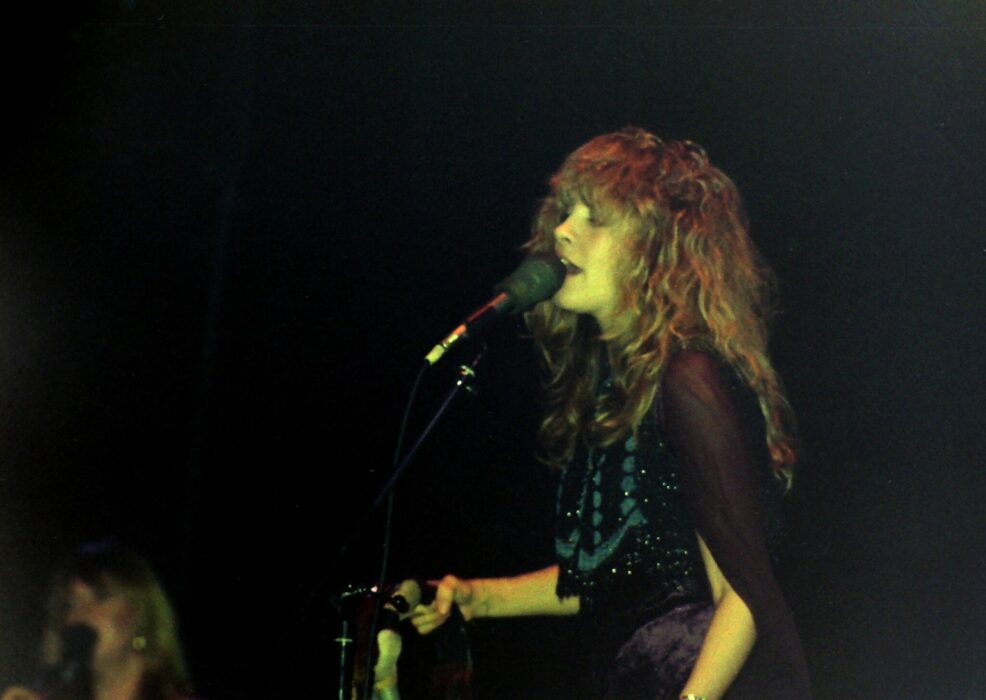
Stevie Nicks blended poetic lyrics, a haunting voice, and a distinctive visual identity that made her instantly recognizable. With Fleetwood Mac and as a solo artist, she helped define the sound of 1970s and 1980s rock while maintaining her own creative voice. Songs like “Rhiannon” and “Dreams” balanced vulnerability with strength in a way few artists could replicate.
What truly sets Nicks apart is her longevity and influence across generations. She remained relevant long after many of her peers faded, inspiring artists from multiple genres. Her ability to evolve without losing her mystique cemented her place among rock’s greatest icons.
3. Tina Turner redefined what it meant to command a rock stage
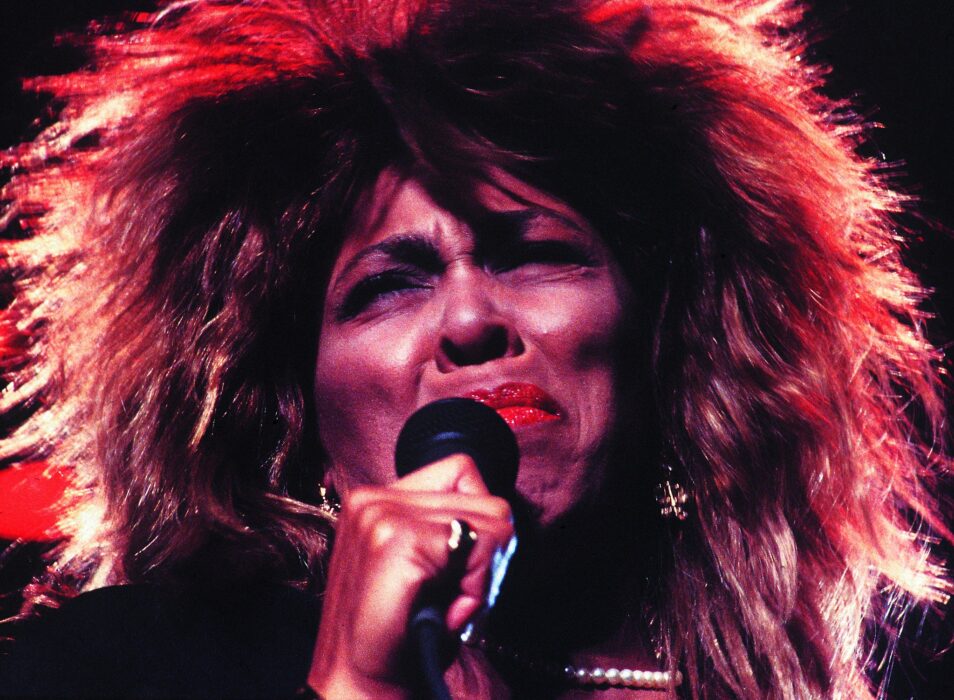
Tina Turner didn’t just sing rock music — she embodied it through sheer physical presence and intensity. Her performances were electric, blending stamina, confidence, and raw emotion into something unforgettable. Songs like “Proud Mary” and “What’s Love Got to Do with It” showcased her range while proving she could dominate any stage she stepped onto.
Her personal story added even more weight to her legacy. Turner rebuilt her career on her own terms, becoming a symbol of resilience and reinvention. Few performers have matched her combination of power, charisma, and endurance in rock history.
4. Joan Jett showed that stripped-down rebellion could still rule rock
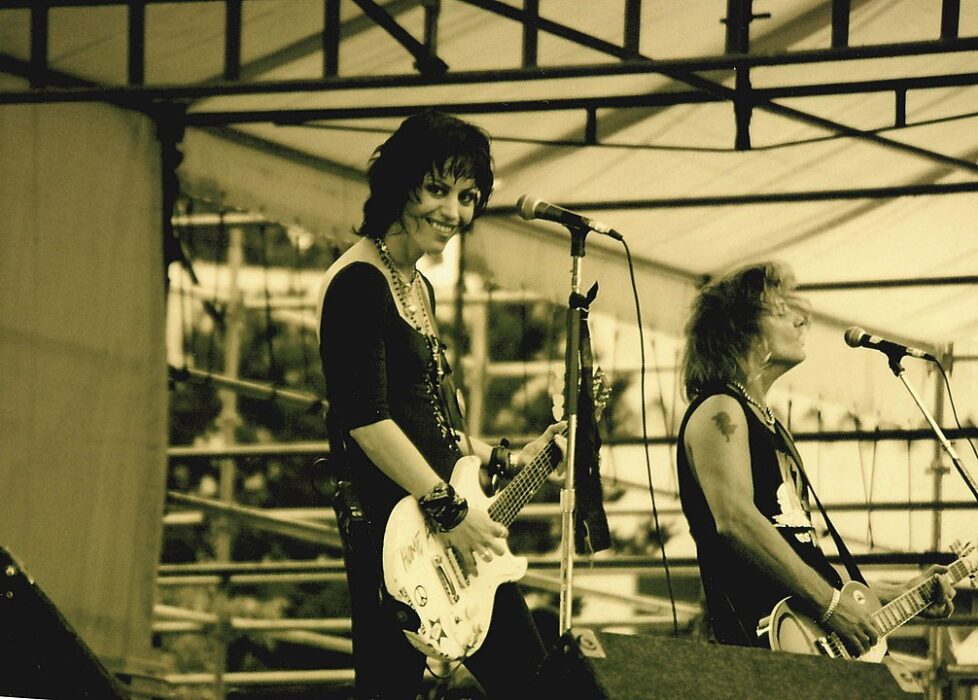
Joan Jett brought punk attitude and rock simplicity back to the forefront when excess threatened to take over. With The Runaways and later Joan Jett & the Blackhearts, she delivered hard-hitting songs that didn’t rely on flash or gimmicks. “I Love Rock ’n’ Roll” became an anthem precisely because it felt direct and unapologetic.
Beyond the music, Jett carved out space for women who didn’t fit industry expectations. She proved that toughness and authenticity mattered more than image. Her influence is still visible in modern rock artists who value edge over polish.
5. Patti Smith fused poetry and rock into something entirely new
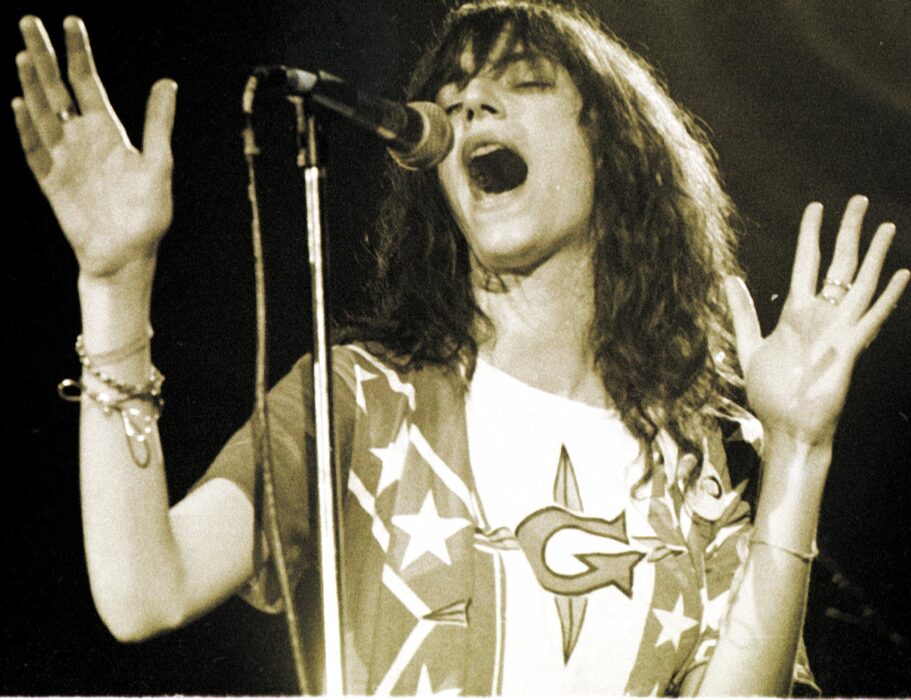
Patti Smith blurred the line between spoken word, punk, and rock in a way that reshaped the genre’s possibilities. Her debut album Horses challenged traditional song structures and lyrical themes, introducing literary depth into rock music. Smith’s performances felt intellectual and confrontational at the same time, which was rare in mainstream rock.
She gave artists permission to be unconventional and unapologetically themselves. Smith’s influence extends far beyond her chart success, shaping punk, alternative, and indie rock movements. Her legacy lies in expanding what rock music could say and how it could say it.
6. Debbie Harry proved cool, confidence, and crossover appeal could coexist
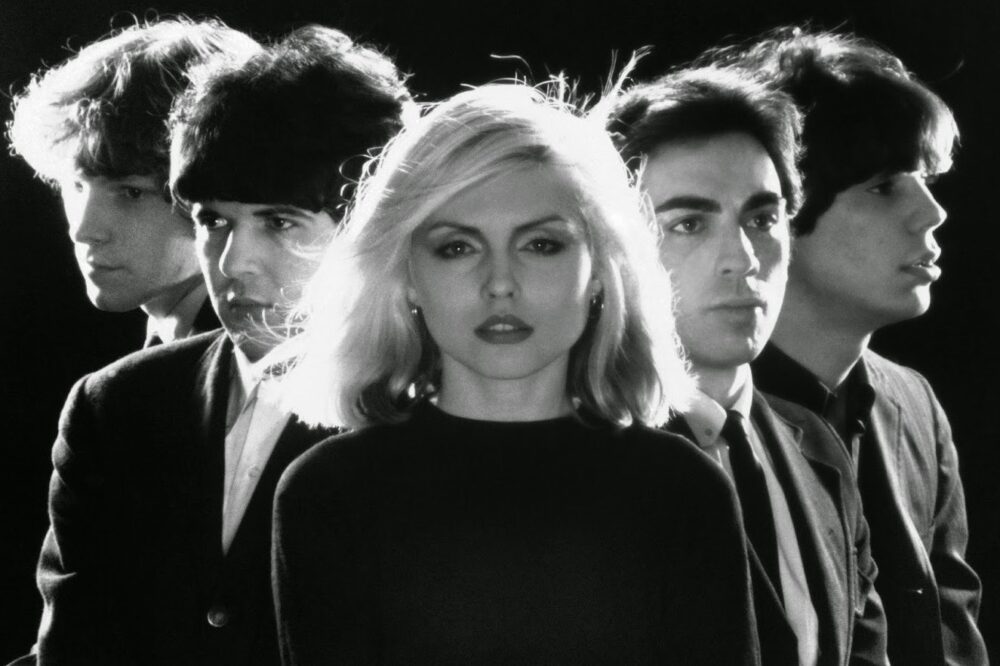
Debbie Harry helped Blondie bridge punk, rock, and pop without losing credibility. Her detached vocal style and sharp image made her one of the most recognizable faces of the late 1970s and early 1980s. Songs like “Heart of Glass” and “Call Me” dominated charts while still feeling innovative.
Harry’s influence came from her ability to adapt while staying authentic. She challenged narrow definitions of what a rock frontwoman should be, blending style with substance. Her lasting appeal proves that accessibility and artistic integrity don’t have to be opposites.
7. Ann Wilson delivered powerhouse vocals that rivaled any male rock singer

Ann Wilson’s voice stood out in an era defined by vocal bravado and excess. As the lead singer of Heart, she brought both softness and thunder to songs like “Barracuda” and “Crazy on You.” Her range and control allowed the band to move effortlessly between hard rock and ballads.
Wilson consistently earned respect in a genre that often sidelined women. She proved that technical excellence and emotional delivery could coexist. Decades later, her vocals remain a benchmark for rock singers of any gender.
8. Grace Slick brought sharp intellect and counterculture fire to rock
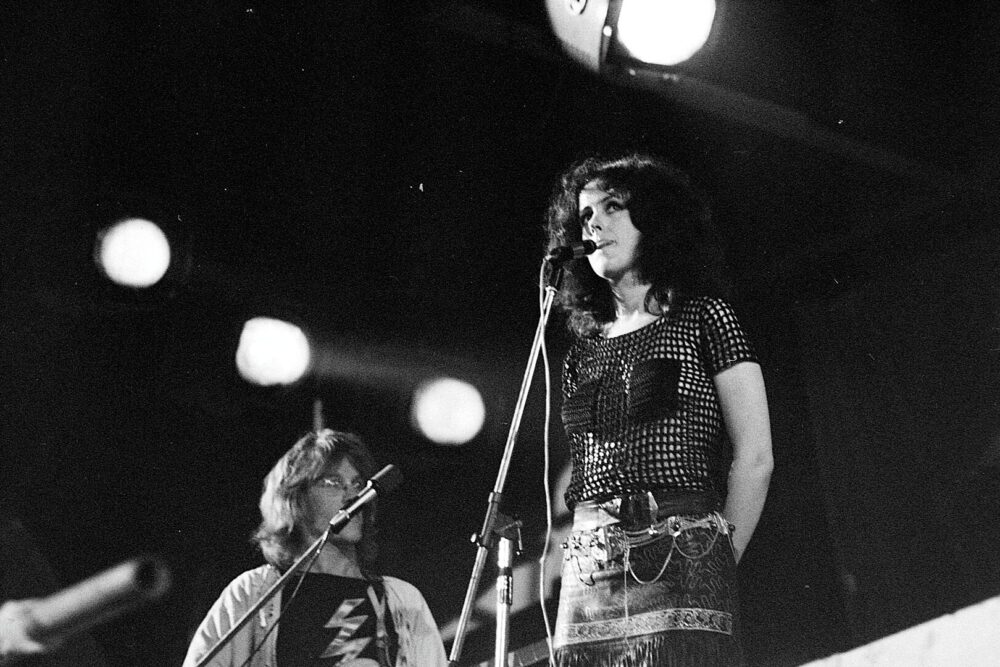
Grace Slick’s commanding presence helped define the sound of the psychedelic era. With Jefferson Airplane, she delivered iconic performances on songs like “White Rabbit” and “Somebody to Love.” Her voice carried authority and clarity that cut through the chaos of the late 1960s rock scene.
Slick was also unafraid to challenge social norms and political expectations. She embodied the spirit of experimentation and rebellion that defined her era. Her influence lives on in artists who combine sharp lyrics with fearless expression.
9. Chrissie Hynde blended toughness and vulnerability into a timeless rock voice
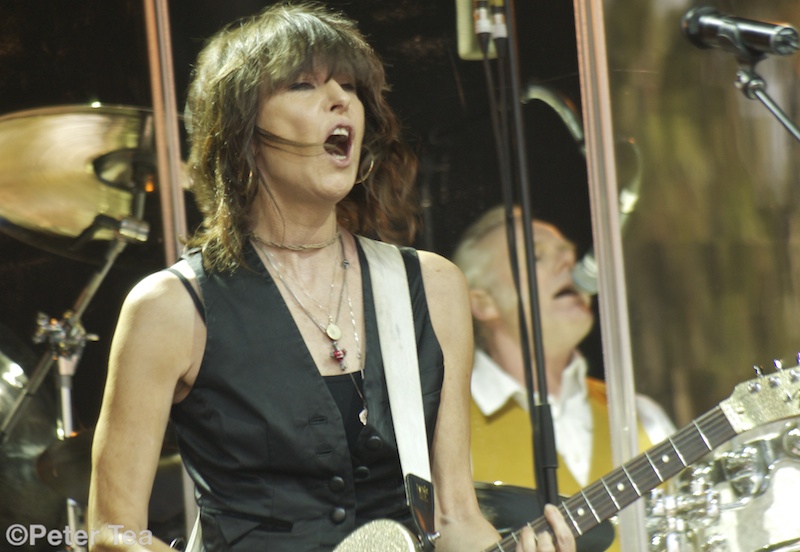
Chrissie Hynde brought emotional complexity to rock without sacrificing edge. As the leader of The Pretenders, she wrote songs that balanced toughness with introspection, including “Brass in Pocket” and “Back on the Chain Gang.” Her voice carried both defiance and intimacy, often within the same song.
Hynde’s songwriting set her apart as much as her vocals. She maintained creative control in an industry that often discouraged it. Her work continues to resonate because it feels honest, grounded, and emotionally precise.
10. Pat Benatar proved technical brilliance and toughness could thrive in rock

Pat Benatar combined vocal precision with undeniable rock grit at a time when female rock singers were still fighting for credibility. Trained in classical singing, she brought control, range, and power to songs like “Heartbreaker,” “Hit Me With Your Best Shot,” and “Love Is a Battlefield.” Her voice could cut through hard guitar riffs without ever losing clarity or emotion.
Benatar didn’t just score hits — she reshaped expectations. She proved women could front hard rock bands without softening their sound or image. Her success opened doors for countless rock singers who followed, making her influence both musical and cultural.
11. Courtney Love forced raw honesty back into rock’s spotlight

Courtney Love brought unfiltered emotion and confrontation to 1990s alternative rock. With Hole, she delivered songs like “Doll Parts” and “Celebrity Skin” that balanced vulnerability with aggression. Her performances rejected polish in favor of emotional truth, resonating with a generation craving authenticity.
Love challenged expectations about how women should behave in rock spaces. She embraced messiness, anger, and contradiction without apology. Her impact can be seen in later artists who prioritize emotional honesty over approval or perfection.