
Venice officials bar Greta Thunberg after a dye-filled climate protest halted movement on the Grand Canal.
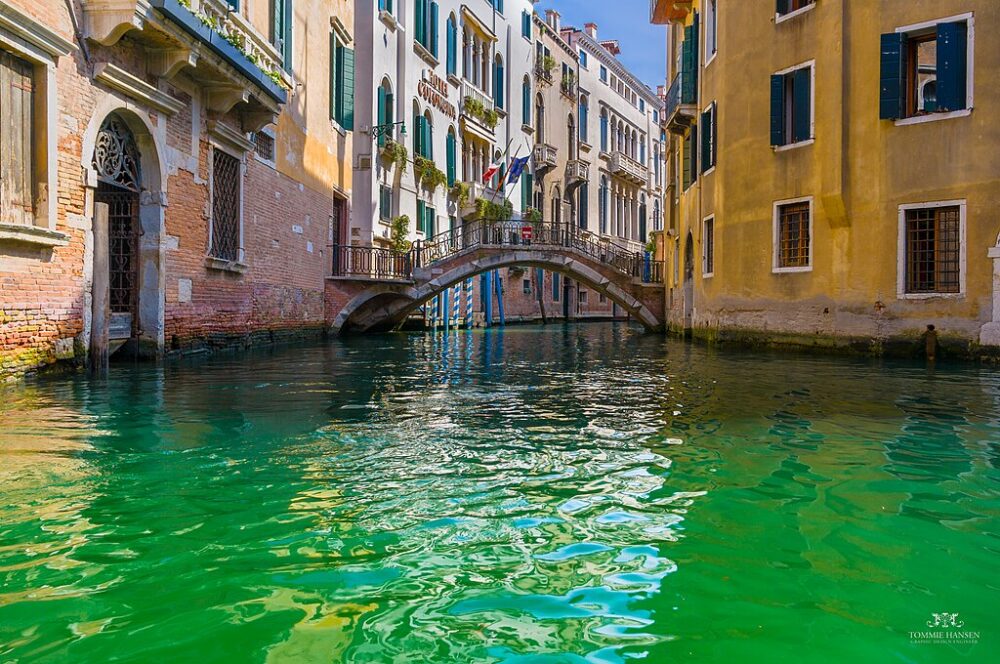
Venice officials have banned climate activist Greta Thunberg from entering the city for three years after a high-profile demonstration turned the Grand Canal bright green. The protest, carried out by activists using a fluorescent, biodegradable dye, stopped boat traffic and prompted an immediate police response. Authorities say Thunberg helped organize the action, which they argue created public safety risks on one of the world’s busiest waterways. The ban has sparked debate across Italy over climate activism, public order, and how far cities can go to restrict disruptive protests.
1. Activists Dyed the Grand Canal Green During the Protest
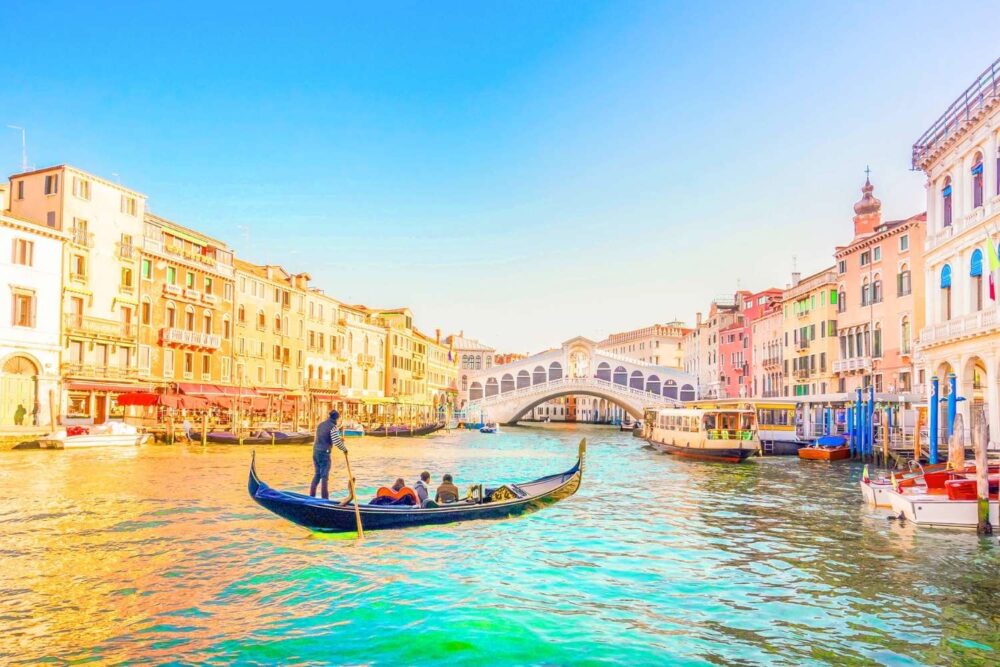
Demonstrators poured a biodegradable fluorescent dye into the Grand Canal, turning the water a vivid green and drawing instant attention from residents, tourists, and authorities. The act was meant to highlight Venice’s vulnerability to rising seas and worsening storm surges linked to climate change. The striking color created a dramatic visual impact that spread quickly online.
Officials said the unexpected dye release caused confusion and concern before tests confirmed the substance posed no environmental threat. The surprise nature of the act contributed to heightened scrutiny of those involved.
2. Thunberg Was Identified as a Leader of the Demonstration

Authorities say Greta Thunberg played a key role in organizing the protest and was present when the dye was released. Her high-profile involvement made the action one of the most widely reported climate demonstrations in Venice in recent years. Officials argued that her leadership placed additional responsibility on her for the disruption.
Because of her visibility and influence, city leaders determined she should face the same consequences as other primary organizers. This led to the decision to ban her from entering Venice for three years.
3. Venice Officials Issued an Immediate Citywide Ban
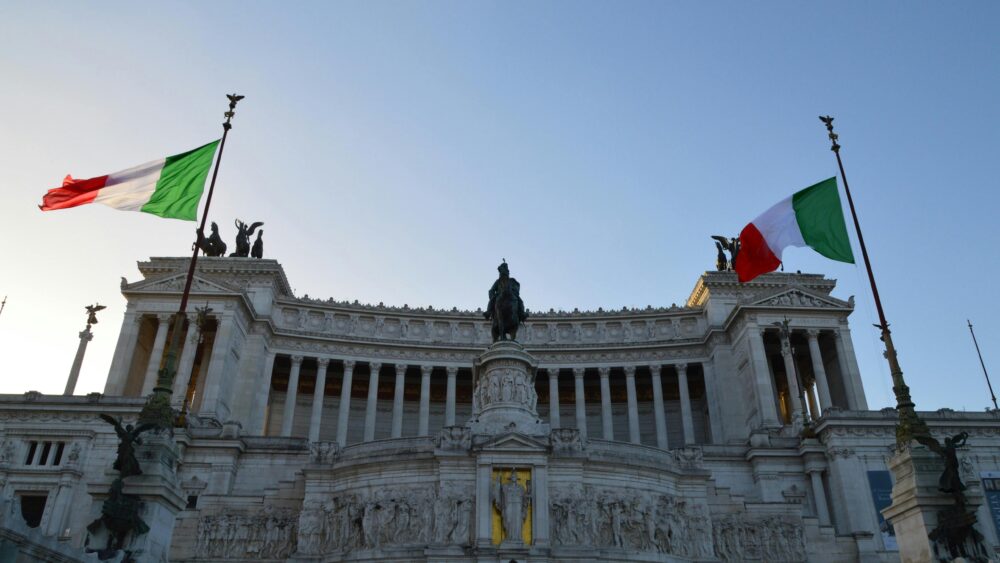
Following the incident, Venice authorities enacted a three-year ban preventing Thunberg from entering the city or its surrounding islands. Officials said the protest interfered with normal canal traffic and risked public safety. They emphasized that Venice’s waterways function as streets, making any obstruction a significant issue.
The ban is an administrative measure rather than a criminal penalty. However, it prevents Thunberg from visiting or participating in any future demonstrations within the municipality during the ban period.
4. Police Say the Dye Caused Boat Traffic to Halt
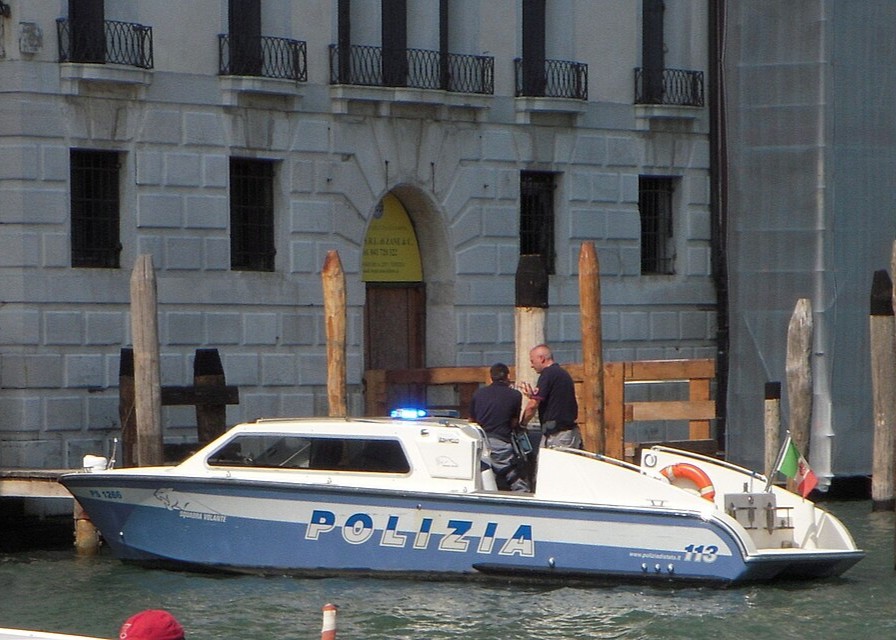
The bright green dye release caused several water taxis, gondolas, and transport vessels to stop or reroute as police assessed the situation. Authorities temporarily suspended transit in the affected area until environmental teams confirmed the dye was safe. The pause in movement created delays for both residents and visitors.
Officials said the disruption underscored the potential dangers of unexpected actions in narrow waterways. They argued that even harmless substances can cause confusion when released without warning.
5. The Dye Was Biodegradable and Posed No Environmental Risk

After the water changed color, environmental teams quickly tested the substance. They determined it was fluorescein, a biodegradable dye commonly used in water flow studies. The dye is nontoxic and dissolves without harming marine life, making it a popular choice for symbolic demonstrations.
Even so, officials criticized the unannounced release. They said the protest created unnecessary alarm and required emergency resources to ensure the canal remained safe for public use.
6. Multiple Activists Received Bans and Possible Legal Action
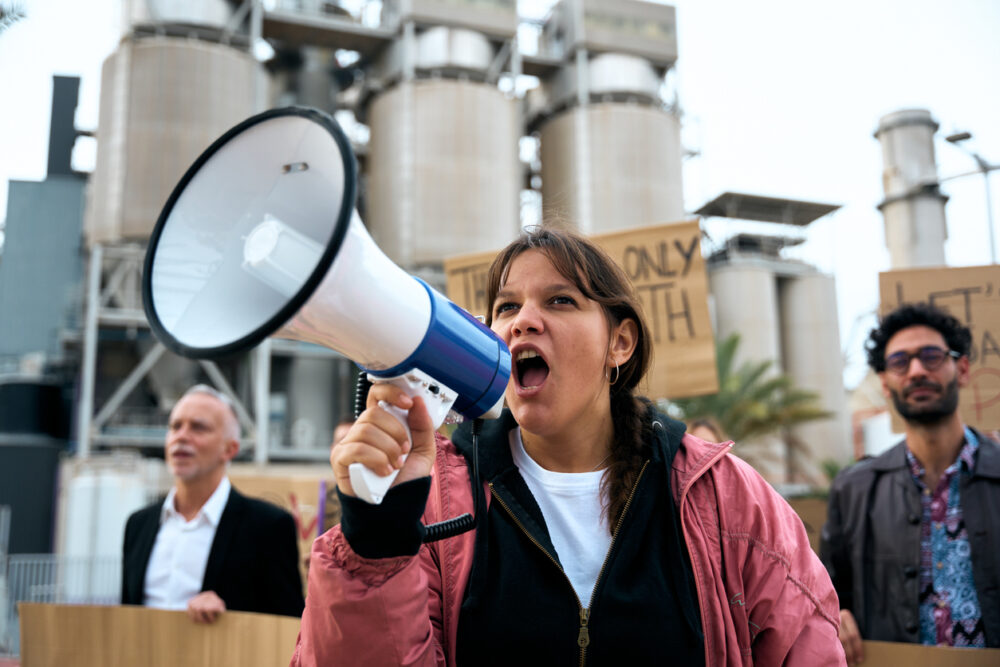
Thunberg was not the only participant facing consequences. Several activists who helped coordinate the dye release also received bans from Venice. Authorities are reviewing whether additional administrative or legal measures may apply under local protest and maritime regulations.
The broad response suggests Venice intends to enforce strict limits on demonstrations that disrupt waterways. Officials say the city must protect residents and maintain safe navigation in congested canals.
7. Venice Has Strict Rules for Waterway Demonstrations
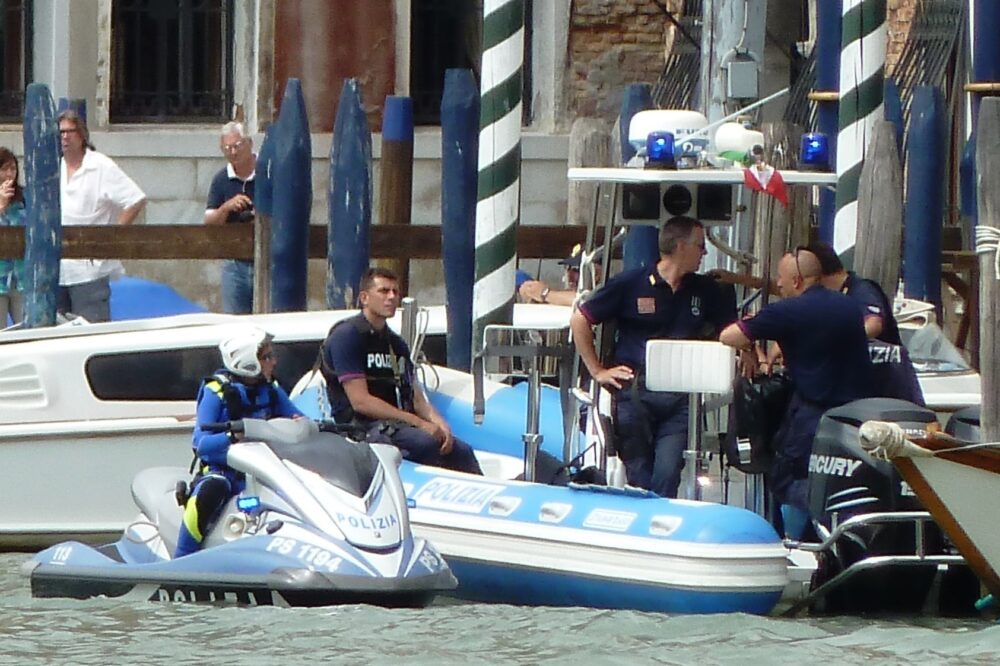
Because Venice relies on its canals as functional streets, the city has tighter rules for demonstrations on the water than for land-based protests. Officials say any action that interferes with boat movement risks collisions, delays, and confusion. They maintain that climate activism must not compromise the city’s unique and fragile transportation system.
The dye protest, which halted traffic and required emergency testing, was viewed as a breach of these standards. This is why the response was stronger than for typical land demonstrations.
8. Critics Say the Ban Goes Too Far
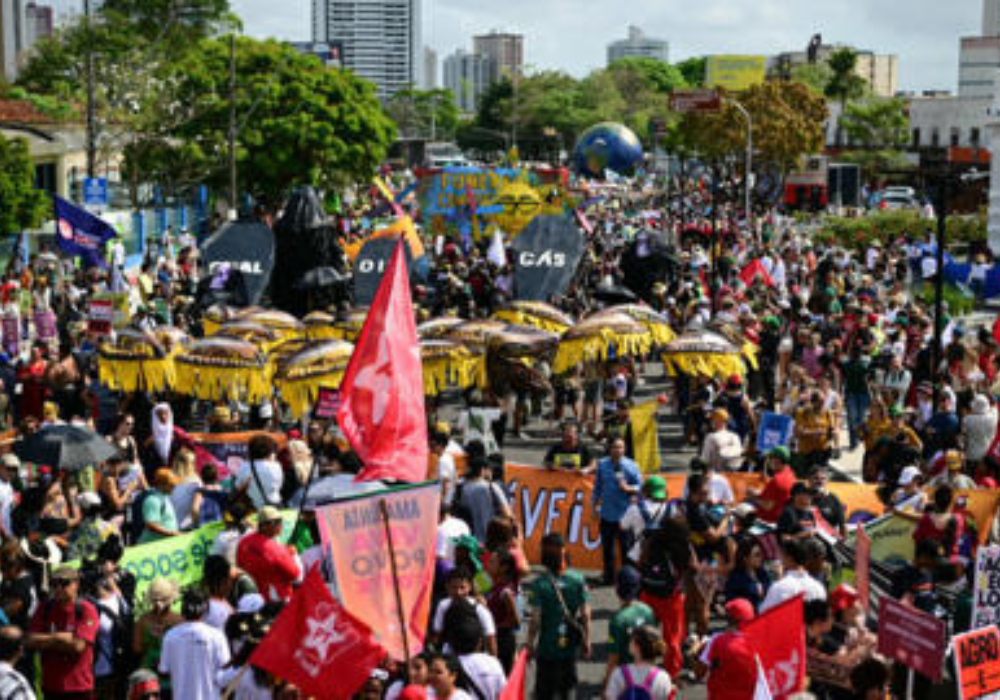
Some activists and supporters argue that the ban is excessive and targets Thunberg because of her global profile. They say the demonstration was peaceful, used safe materials, and highlighted real climate risks facing Venice. Supporters contend that restricting entry over a symbolic action sets a concerning precedent.
The debate reflects growing tensions across Europe as governments weigh public order against increasingly visible climate protests. Venice’s decision has quickly become part of that broader discussion.
9. Supporters Say the Protest Raised Necessary Awareness

Those backing the activists argue that the dramatic green canal succeeded in drawing international attention to Venice’s climate challenges. Rising sea levels and increasingly powerful storms threaten the city’s long-term survival. Supporters believe the protest sparked important conversation and that visibility outweighs temporary disruption.
They say climate activism often requires bold methods to reach people who may otherwise overlook environmental issues. This reasoning is central to the movement’s growing global presence.
10. Thunberg Has Not Issued a Public Response
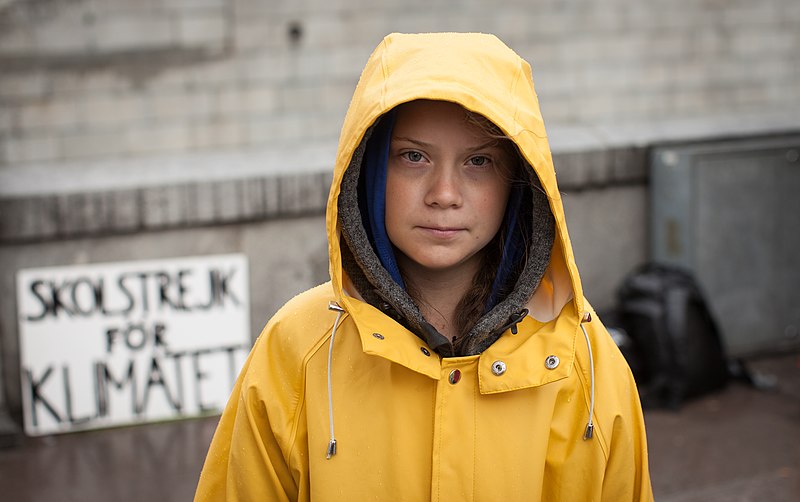
As of the latest reporting, Greta Thunberg has not released a public statement regarding her ban. She frequently faces legal or administrative consequences for protests across Europe, and observers are waiting to see how she will address the Venice decision.
Her silence has fueled speculation about whether she plans to challenge the ban or shift her future activism to other cities. The situation remains fluid as supporters and critics react online.
11. The Incident Highlights Venice’s Climate Vulnerability
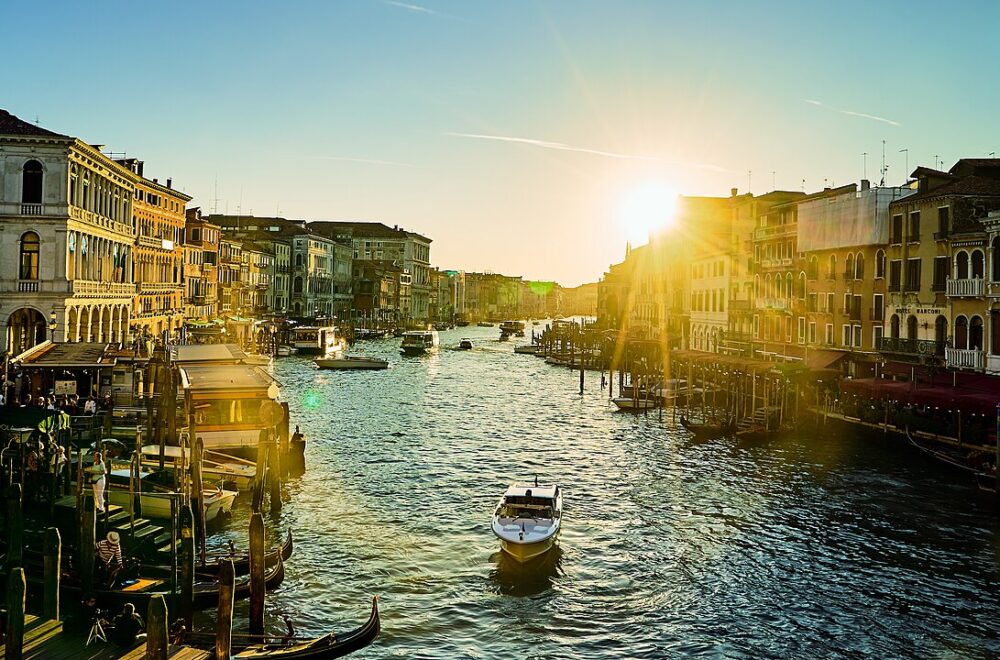
The protest and subsequent ban have drawn renewed attention to Venice’s ongoing climate struggle. The city faces frequent flooding, sinking foundations, and long-term sea-level rise. Activists argue that these issues justify bold demonstrations designed to draw global focus to the crisis.
Officials counter that the city’s fragile infrastructure requires balancing safety with activism. The tension reflects broader challenges for coastal cities grappling with climate threats while managing growing political pressure from environmental groups.