
Whether you’re vegan or just veggie-curious, these international meals are flavorful and unforgettable.
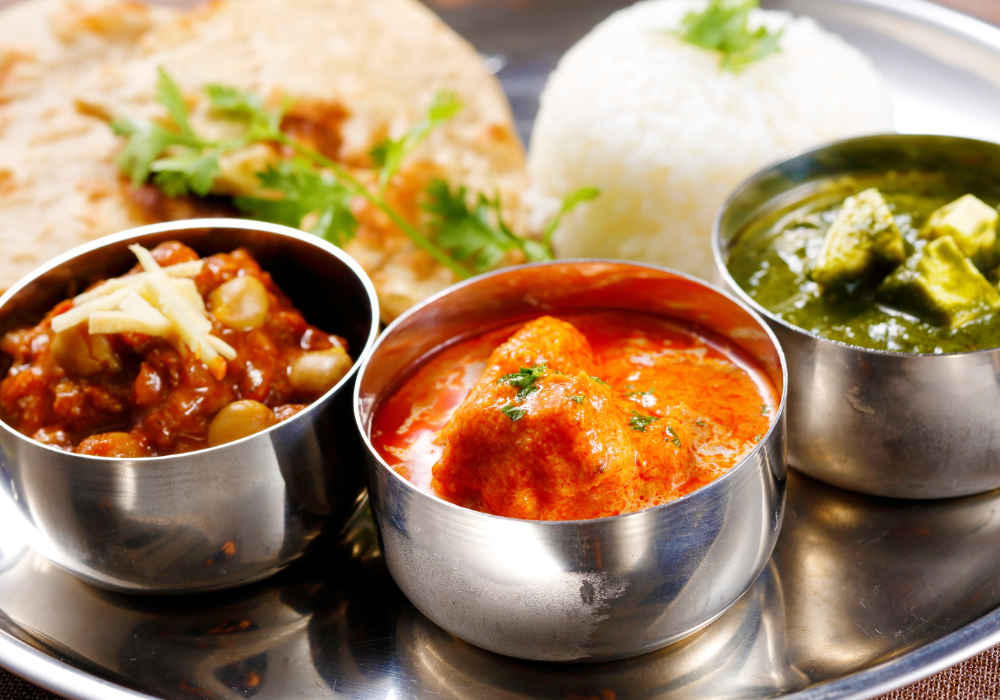
Around the world, entire culinary traditions have embraced plants not out of trendiness but necessity, culture, and innovation. These time-honored cuisines have mastered the art of making vegetables, grains, legumes, and spices the stars of the table—no meat required. Food lovers seeking bold flavor, nourishment, and sustainability are turning to these global dishes that go far beyond basic salads or faux meats.
Whether it’s the rich lentil stews of Ethiopia or the fragrant curries of India, plant-based cooking has always had a place at the heart of the world’s food heritage. As more people reduce meat consumption for health and climate reasons, these cuisines are earning newfound respect and admiration. Their delicious offerings prove you don’t have to sacrifice taste or tradition to eat consciously.
1. Indian cuisine makes plants taste like indulgence with its masterful use of spices.
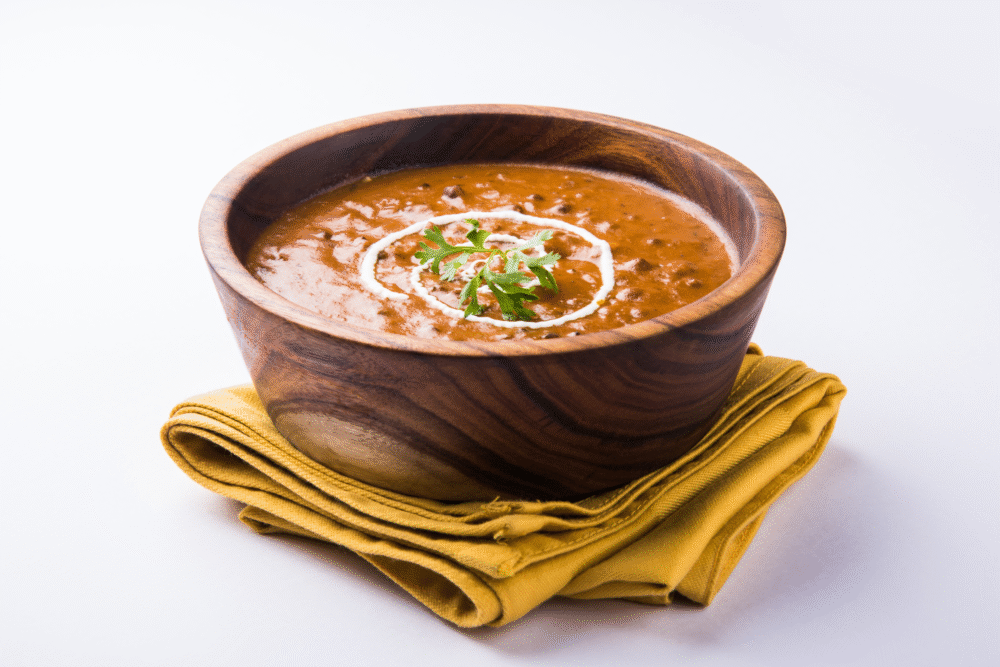
Indian cuisine’s long vegetarian tradition isn’t just about excluding meat—it’s about amplifying flavor. From creamy dal makhani to spicy chana masala, Indian kitchens showcase how layering spices like cumin, turmeric, coriander, and garam masala can elevate lentils, legumes, and vegetables into deeply satisfying meals. Rich sauces, pickled condiments, and fresh herbs give these dishes complexity that rivals anything meat-based.
Many Indian households already lean vegetarian due to religious or cultural values, so the recipes are built to make plant ingredients shine. Add the use of ghee or coconut milk, and you’ve got dishes with soul-warming depth. Whether it’s street-side dosas or a homemade thali, India’s plant-based options are vibrant, aromatic, and utterly filling—no meat required to impress your taste buds.
2. Ethiopian cuisine transforms lentils and greens into bold, communal feasts.
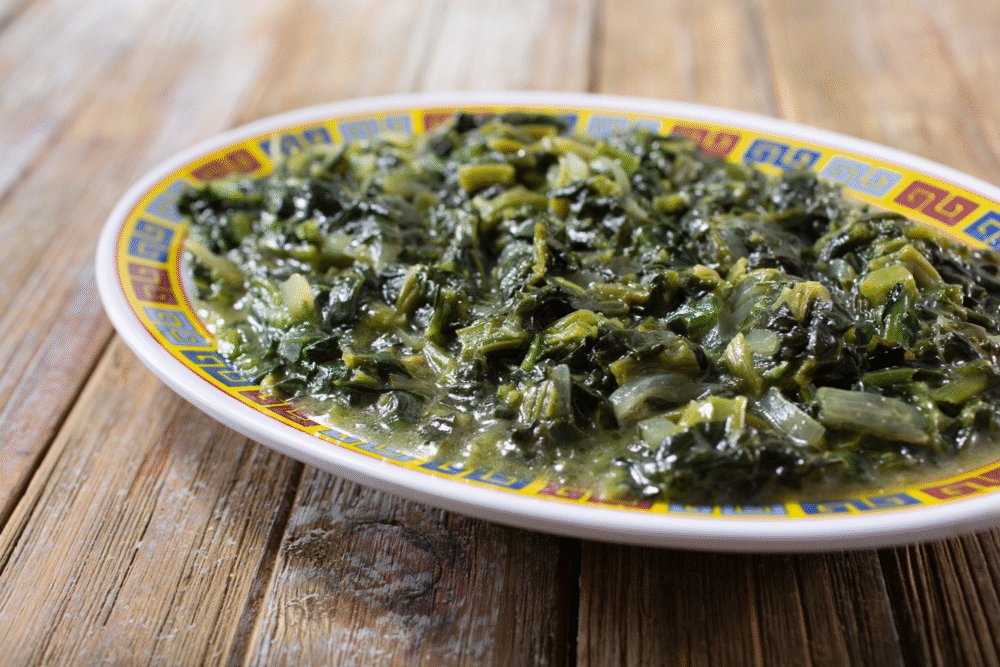
In Ethiopia, the plant-based diet is embedded in both faith and culture. Orthodox Christian fasting periods mean no meat, dairy, or eggs for much of the year, inspiring deeply satisfying vegetarian fare. Central to the cuisine is injera, a tangy sourdough flatbread made from teff, which acts as both plate and utensil. Dishes like misir wot (spiced red lentils) and gomen (garlicky collard greens) are simmered with berbere spice, garlic, and onions to create flavor-packed stews that pair perfectly with injera’s sponge-like texture.
Eating is a shared experience, emphasizing connection as much as nutrition. Despite being vegan-friendly, Ethiopian meals feel hearty and luxurious, with enough spice and substance to make meat seem unnecessary.
3. Thai cuisine balances sweet, sour, and spicy in colorful plant-based dishes.

Thai food is a sensory celebration—and its plant-based offerings are no exception. Dishes like green papaya salad (som tum), tofu green curry, and stir-fried vegetables with holy basil demonstrate the cuisine’s knack for balancing bold flavors. Coconut milk adds creaminess, lime juice provides zing, and chili delivers heat—all enhancing fresh produce and aromatic herbs. While fish sauce is a common ingredient, many Thai dishes can be easily adapted or are already vegetarian.
Markets across Thailand serve up delicious meatless options like vegetable spring rolls, noodle soups, and jackfruit curry. With texture, flavor, and freshness front and center, Thai cuisine proves that plants can feel indulgent, exciting, and deeply satisfying in every bite.
4. Middle Eastern cuisine celebrates legumes, grains, and herbs with unmatched elegance.

With ancient roots and a tradition of meatless mezze, Middle Eastern cuisine offers a wealth of vegetarian delights. Staples like hummus, baba ghanoush, tabbouleh, and falafel showcase how chickpeas, eggplants, bulgur, and herbs can form rich, flavorful foundations. Spices like za’atar, sumac, and cumin add depth, while olive oil and lemon juice provide brightness and richness. Many meals are built around shared platters, promoting variety and abundance without relying on meat.
From Lebanese mujadara (lentils with caramelized onions) to Persian herb stews and Palestinian maqluba, plant-based options are plentiful and rooted in history. This cuisine proves that wholesome ingredients can be both luxurious and comforting with the right preparation and attention to flavor.
5. Japanese cuisine uses umami to elevate even the simplest vegetables.

In Japan, restraint meets intention—and vegetables are never an afterthought. Dashi (made from kombu and mushrooms), miso, and fermented soy provide deep umami flavor without relying on animal products. Dishes like nasu dengaku (miso-glazed eggplant), seaweed salads, agedashi tofu, and simmered root vegetables show how attention to texture and subtle seasoning can create harmony on the plate.
The Buddhist shojin ryori tradition, practiced in temples, is entirely vegan and centers on seasonal, balanced meals that nourish the body and spirit. With precise technique and a reverence for nature’s simplicity, Japanese cuisine transforms humble produce into an elevated and mindful dining experience.
6. Italian cuisine proves comfort food doesn’t need meat to be delicious.

While Italian food may bring images of prosciutto and Bolognese to mind, many of its most beloved dishes are naturally plant-based. Think pasta aglio e olio, caponata, ribollita, or margherita pizza. Italians excel at using olive oil, tomatoes, beans, and fresh herbs to create rich, comforting flavors from simple ingredients. Regional specialties like Sicilian eggplant pasta or Tuscan bean stew celebrate the bounty of the land.
The Mediterranean lifestyle—centered on balance, seasonal eating, and shared meals—lends itself perfectly to plant-based eating. Italian cooking shows that rustic, soul-satisfying meals don’t need meat to feel indulgent and memorable.
7. Vietnamese cuisine keeps things light, fresh, and full of flavor.
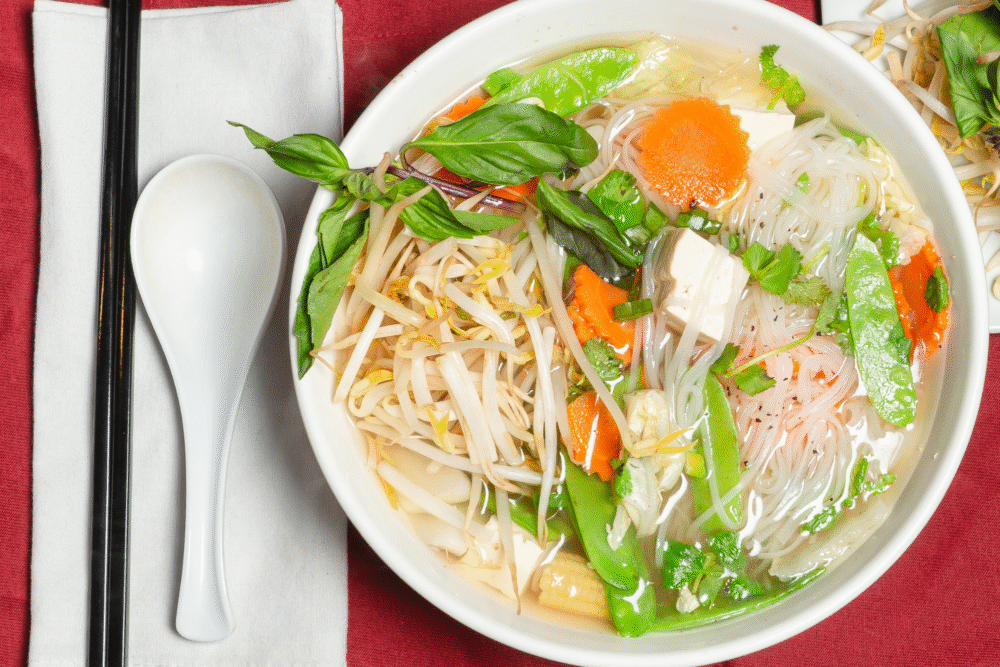
Vietnamese cooking is rooted in balance and freshness, making it an ideal plant-based powerhouse. With herbs like mint, cilantro, and Thai basil, dishes pop with aroma and brightness. Tofu is widely used and respected as a key protein source, appearing in soups, rolls, and stir-fries. Vegetarian pho, stuffed rice rolls (banh cuon chay), and crispy tofu with lemongrass are just a few standouts.
Nuoc cham dipping sauce can be adapted without fish sauce, keeping the tangy and sweet elements intact. With light broths, crunchy vegetables, and fragrant accents, Vietnamese cuisine offers meatless dishes that feel energizing, refreshing, and deeply satisfying.
8. Caribbean cuisine spices up plant-based eating with tropical flair.
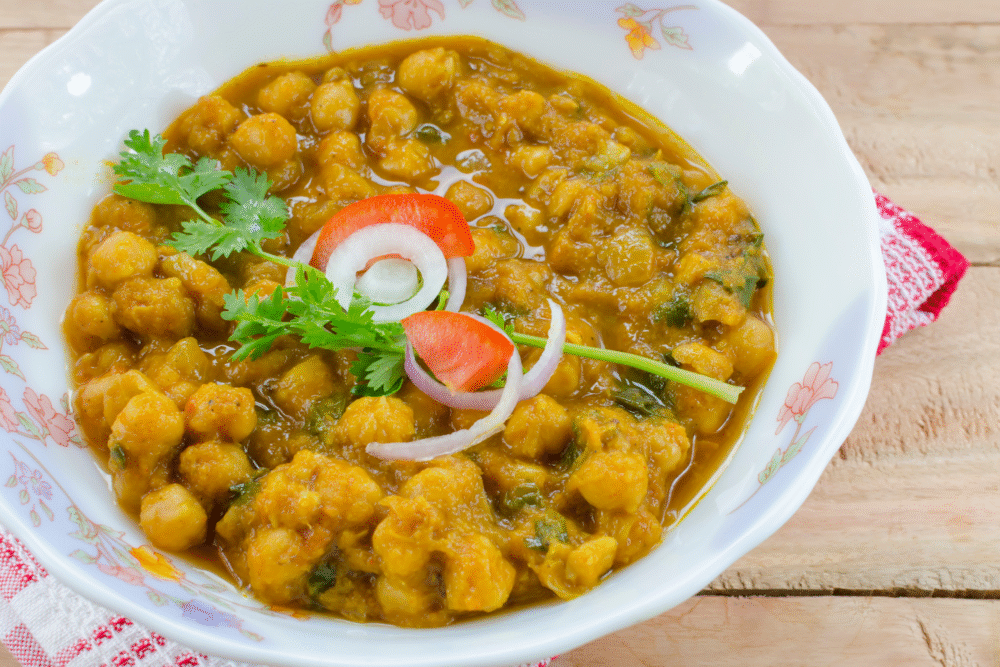
The Caribbean’s vibrant food culture makes use of fruits, root vegetables, and legumes in bold, flavorful ways. Rastafarian Ital cooking, in particular, emphasizes purity and plant-based ingredients. Dishes like curried chickpeas, callaloo, stewed lentils, and roasted breadfruit pack a punch with scotch bonnet peppers, thyme, and coconut milk.
Ackee (Jamaica’s national fruit) is often paired with vegetables for a rich, scrambled egg–like texture. The use of bold seasoning, tropical produce, and hearty cooking techniques makes Caribbean vegetarian cuisine feel festive and filling. These dishes burst with life—and never feel like they’re missing something.
9. Korean cuisine layers fermented, spicy, and savory for plant-based complexity.

Korean food brings the funk—in the best way. With a foundation of fermentation, spice, and rice, plant-based options in Korean cuisine are rich and satisfying. Kimchi (made vegan by skipping fish sauce), japchae (sweet potato noodles), bibimbap with vegetables, and soybean paste stew highlight how umami and heat can transform vegetables and tofu. Side dishes, or banchan, offer variety and color with pickled radishes, seasoned spinach, and sesame-laced greens.
Even without meat, Korean meals feel abundant and deeply flavorful thanks to gochujang, doenjang, and toasted sesame oil. It’s a cuisine that proves how fermentation and spice can carry a meal far beyond expectations.
10. Greek cuisine brings soul-satisfying flavor with olive oil, herbs, and grains.

Greek food is rich in olive oil, lemon, and fresh herbs—an ideal combination for flavor-forward vegetarian dishes. Classics like spanakopita, gigantes (baked giant beans), dolmades, and fava (split pea dip) showcase the region’s deep love of legumes, grains, and greens. Ladera dishes, meaning “oily ones,” involve vegetables slow-cooked in olive oil, garlic, and tomato, turning humble ingredients into something luscious.
With influences from ancient traditions and a focus on seasonal produce, Greek cooking makes plant-based eating feel grounded, nourishing, and celebratory. There’s a warmth and earthiness to Greek meals that stays with you—proof that vegetables can absolutely anchor a satisfying and joyful cuisine.