
What researchers are learning about the causes, risks, and long-term effects.

More girls are showing early signs of puberty, sometimes as young as 8 or even younger, and it is leaving many families feeling caught off guard. Doctors have tracked a long-term shift toward earlier development, especially for breast development and first periods.
Researchers do not point to one single cause. Instead, they link the trend to a mix of factors like higher childhood body weight, stress, and possible exposure to hormone-disrupting chemicals, with patterns also shaped by environment and inequality.
Early puberty is not automatically dangerous, but it can raise real health and emotional risks. Knowing what is normal, what is early, and when to check in with a pediatrician can make the experience far less scary for kids and parents alike.
1. What “early puberty” actually means for girls

Puberty is a process, not one moment. For girls, early signs often include breast budding, body odor, or a growth spurt. Clinically, puberty that starts before age 8 is often considered precocious, though normal timing varies and some changes can be benign variants.
The key is the pattern. If changes appear very early, progress quickly, or come with rapid growth, it is worth documenting dates and symptoms. A pediatrician can help decide whether this looks like normal variation or needs evaluation.
2. The shift is real, but it does not look the same for everyone

Large studies and reviews have found that average pubertal timing has moved earlier over decades, with earlier breast development and a modest drop in average age at first period. The shift is not uniform across all groups, and differences show up by race, income, and environment.
That matters because earlier timing is often linked to broader conditions of childhood. Access to nutrition, exposure to chronic stress, and neighborhood factors can all influence development. Researchers increasingly frame early puberty as both a biological and a social story.
3. Body weight is one of the most consistent predictors
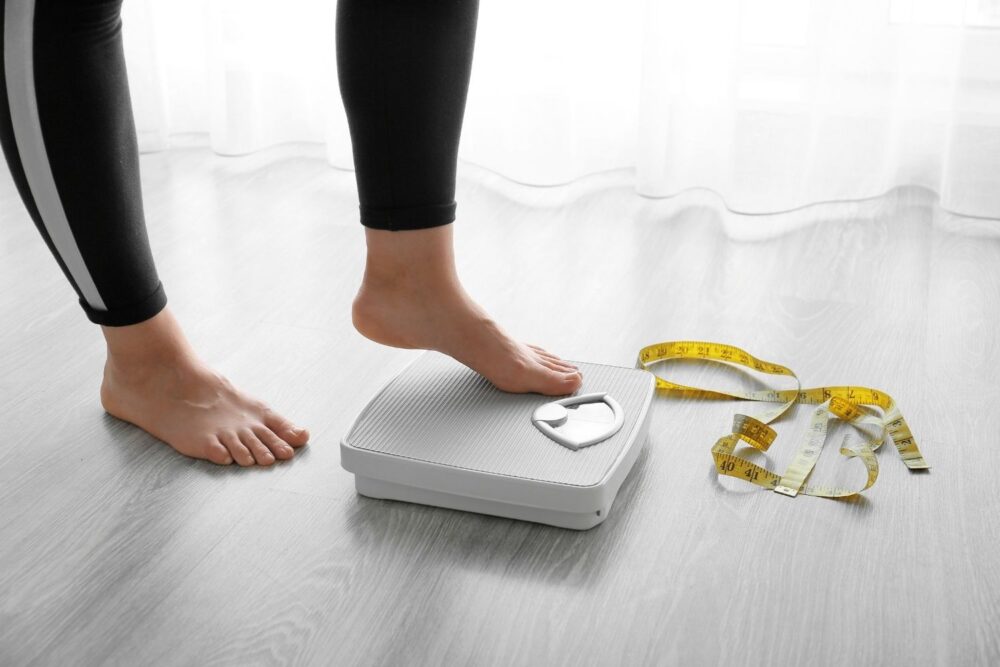
One of the strongest links researchers see is between higher childhood body fat and earlier puberty in girls. Fat tissue can influence hormones involved in puberty, and children with higher body mass index are more likely to start developing earlier.
This does not mean a parent “caused” it, and it does not mean weight is the only factor. Genetics still plays a major role. But weight is one piece that shows up again and again in studies, making it a focus for prevention and healthy habit support.
4. Stress may act like a biological accelerator

Chronic stress in childhood is associated with earlier pubertal timing in many studies. Researchers think long-term stress can influence hormone pathways that regulate development, especially when stress is sustained over years rather than days.
Stress is not just emotional. It can include sleep disruption, family instability, food insecurity, or living in unsafe environments. This is one reason early puberty is sometimes discussed alongside broader public health issues. Helping kids feel safe, supported, and well-rested may matter more than many people realize.
5. Scientists are still investigating chemicals that mimic hormones

Endocrine-disrupting chemicals are substances that can interfere with hormonal systems. Some studies link certain exposures to earlier pubertal markers in girls, though the evidence varies by chemical, dose, and timing of exposure.
This topic is complicated because real-world exposure is a mix of many chemicals, and families cannot control everything. Still, researchers often recommend common-sense steps like avoiding microwaving food in plastic, choosing fragrance-free products when possible, and washing hands before eating. These steps reduce exposure without turning daily life into a panic.
6. The risks are physical, but the emotional side can hit first

Girls who develop earlier than peers can feel singled out, especially when their bodies change before their social world is ready. Studies have linked earlier puberty to higher risks of anxiety and depression, and to feeling more pressure or unwanted attention at younger ages.
It is not just about hormones. It is also about mismatch, looking older while still feeling like a child. Supportive adults, clear explanations, and reassurance that they are not “weird” can reduce shame. Mental health check-ins can be just as important as medical ones.
7. Early puberty can change growth and adult height

Puberty involves a growth spurt, but it also triggers growth plates to mature and eventually close. When puberty starts early, the body may grow earlier, then stop growing sooner, which can reduce adult height.
This is one reason doctors watch the pace of puberty, not just the start. In some cases of true precocious puberty, specialists may discuss treatment that pauses pubertal progression. The decision depends on age, growth patterns, and underlying cause, and it is not automatically needed for every early-developing child.
8. Long-term health links include metabolic and cardiovascular risk

Research reviews associate earlier pubertal timing with higher risks later in life for obesity, type 2 diabetes, and cardiovascular problems. The pathway is not fully settled, but researchers think early hormonal changes can interact with weight gain and insulin regulation across adolescence.
These links are about risk, not destiny. Healthy sleep, regular movement, balanced nutrition, and mental well-being can buffer outcomes. The most practical takeaway is to treat early puberty as a signal to support long-term health habits, not as a life sentence.
9. Earlier periods can mean longer lifetime hormone exposure

When menstruation begins earlier, lifetime exposure to estrogen and related hormones can increase. Researchers have linked earlier menarche to a higher risk of certain hormone-related cancers, including breast cancer, though many factors affect risk overall.
This is not meant to frighten families. It is a population-level association, not a personal prediction. Still, it reinforces why pediatric care, healthy weight support, and later-life screening habits matter. Early puberty can be one more reason to take preventive health seriously over the long haul.
10. What parents can do right now that actually helps

Start with calm, age-appropriate conversations about body changes before they happen. Kids handle puberty better when it feels explained rather than secret. Stock simple supplies early, like deodorant or period products, so the first moment is not a crisis.
Then focus on basics that support hormone regulation: sleep, stress reduction, physical activity, and nutritious food. Also watch the pace of changes. If development seems very early, progresses quickly, or comes with headaches or vision changes, check in with a clinician sooner rather than later.
11. When to call the pediatrician and what to expect

If puberty signs begin before age 8, or if changes accelerate quickly, a pediatrician may recommend evaluation. That can include tracking growth, a physical exam, and sometimes blood tests or an X-ray to assess bone age. In some cases, referral to a pediatric endocrinologist is appropriate.
Many early changes turn out to be normal variants, and reassurance is common. When treatment is considered, it is usually for clearly early, progressive puberty with meaningful impacts on growth or well-being. The goal is to support the child, not to “fix” them.