
The planet is on fire, and young activists are done waiting for someone else to fix it.
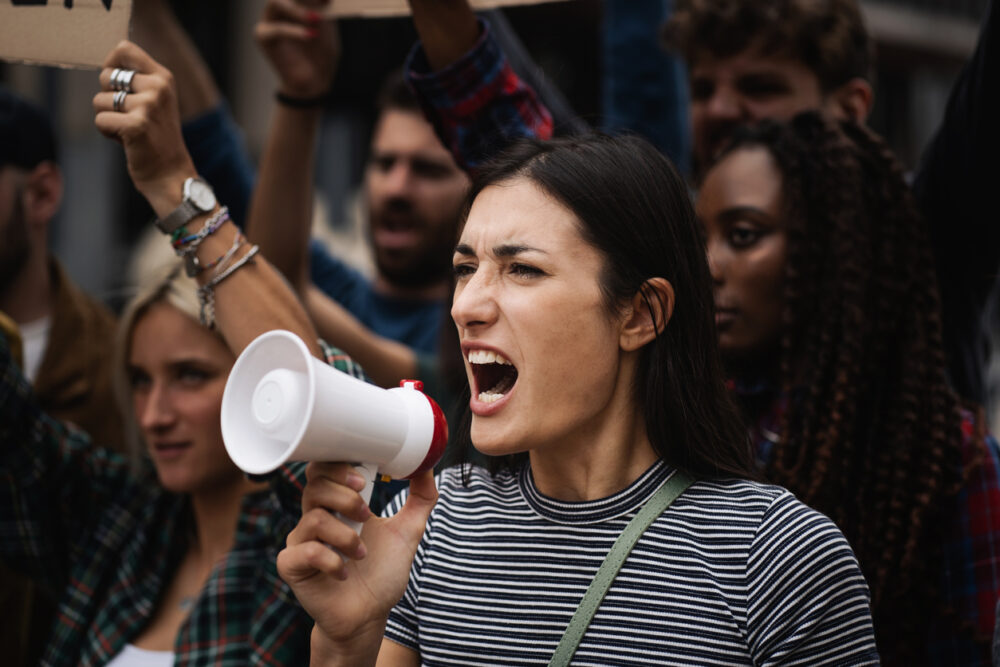
For years, older generations have argued over climate policies, economic trade-offs, and what’s realistic when it comes to saving the planet. Meanwhile, young people have watched the world get hotter, oceans rise, and corporations rake in profits while polluting the air we breathe. Now, they’re done with the talk and demanding action—on their terms.
These demands aren’t polite requests. They’re ultimatums. From punishing corporate polluters to forcing governments to cut ties with fossil fuels, today’s generation isn’t here to compromise. They know the science, they see the urgency, and they’re pushing for real, immediate change. Here’s what they want—and why they won’t take no for an answer.
1. Corporate polluters shouldn’t just pay fines—they should go to jail.

For too long, businesses have treated environmental destruction as just another cost of doing business. Dump toxic waste into a river? Pay a fine. Cause an oil spill? Write a check. This generation isn’t buying it. They want criminal charges for executives who knowingly pollute, because if poisoning people and wiping out ecosystems isn’t a crime, what is? Paying a fine doesn’t undo the damage—it just lets corporations keep doing it.
It’s not only about punishment—it’s about prevention. If CEOs knew they could face prison time for cutting corners and polluting on a massive scale, they might actually think twice before putting profit over people. As Reuters journalists Jonathan Stempel and Nicole Jao reported, Phillips 66 was indicted for violating the Clean Water Act after illegally dumping 790,000 gallons of industrial wastewater into Los Angeles County’s sewer system. This shows that corporations can and should be held accountable when they knowingly harm the environment, but cases like this need to become the norm—not the exception.
2. Governments need to stop handing out billions to fossil fuel companies.

Few things expose political hypocrisy like the way governments continue bankrolling fossil fuel companies while claiming to fight climate change. Every year, billions in taxpayer dollars go toward subsidizing oil, coal, and gas, keeping an industry alive that should already be obsolete. According to the International Monetary Fund’s Simon Black and his fellow researchers, global fossil fuel subsidies reached a record $7 trillion in 2022, amounting to 7.1% of the world’s GDP.
Activists are calling for an immediate end to these subsidies because there’s no justification for funding the same corporations driving the climate crisis. If an industry can’t survive without government handouts, maybe it shouldn’t exist at all. Instead, these funds should support clean energy projects, modern infrastructure, and climate adaptation efforts. Investing in solar, wind, and battery storage could fast-track the transition to a renewable-powered future.
3. Single-use plastics need to disappear for good.

Recycling is not the solution people were promised. The reality is that most plastic waste never gets recycled—it ends up clogging landfills, polluting oceans, or being dumped in developing nations. The OECD reports that only 9% of plastic waste is successfully recycled, while the majority is landfilled, incinerated, or leaks into the environment. Every year, plastic pollution kills marine life, disrupts ecosystems, and contaminates the food chain.
This movement isn’t about putting the burden on consumers—it’s about forcing industries to stop producing unnecessary plastic. Bans on excessive packaging, laws requiring businesses to fund waste recovery programs, and investments in compostable or reusable alternatives are necessary steps. If a product can’t be safely broken down or reused, it shouldn’t be manufactured in the first place. A future free from plastic pollution isn’t a fantasy—it’s an expectation.
4. Clean drinking water should never be a privilege.
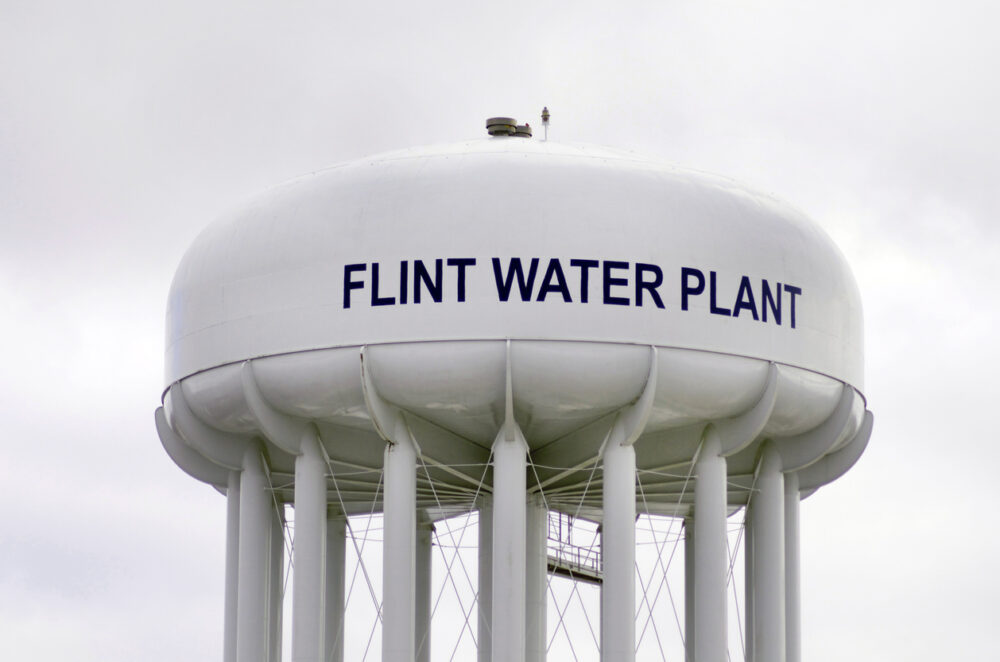
It’s 2025, and millions of people still lack access to safe drinking water. That’s a failure of leadership, not a lack of resources. From Flint, Michigan to communities devastated by industrial pollution, the ongoing water crisis has made one thing clear: access to clean water is a human right. Infrastructure overhauls are long overdue, and governments must prioritize repairing aging water systems, preventing contamination, and ensuring no one is forced to rely on bottled water to survive.
Corporate control over water access is another major concern. No company should profit while people struggle to secure this basic necessity. Strengthening water protections, ensuring public ownership of water sources, and enforcing stricter regulations on industries that pollute freshwater supplies must be part of the solution. The right to clean drinking water isn’t negotiable—and young activists won’t stop fighting until it’s guaranteed for everyone.
5. The richest people on the planet shouldn’t get a free pass on pollution.

Activists are tired of hearing that individuals should “do their part” while billionaires fly private jets to climate summits. If world leaders are serious about reducing emissions, they should start by holding the ultra-wealthy accountable. That means enacting luxury carbon taxes, restricting private air travel, and imposing heavy fines on excessive polluters.
Wealthy executives and industries responsible for the highest emissions should also face increased corporate tax rates. It’s absurd to ask everyday people to carry the burden of climate solutions while those most responsible for environmental destruction continue business as usual.
If rising temperatures, wildfires, and extreme weather are affecting millions, the wealthiest individuals and companies should be the first in line to fund solutions. Climate justice starts at the top.
6. The world can’t wait 30 more years to phase out fossil fuels.

Governments and corporations love talking about “energy transitions” and net-zero goals set for 2050. But young climate advocates aren’t interested in waiting decades for meaningful action. They want immediate investments in renewables, the rapid shutdown of coal plants, and an aggressive phase-out of oil and gas infrastructure.
Every delay means more carbon in the atmosphere, more extreme weather, and more lives at risk. A just transition is also key—workers in fossil fuel industries shouldn’t be abandoned. Training programs, job guarantees, and economic support must accompany the shift to clean energy. The planet doesn’t have time for a slow, drawn-out transition. The longer fossil fuels remain the dominant energy source, the harder it will be to undo the damage. This generation refuses to wait while politicians kick the can down the road.
7. Fast fashion brands need to stop treating the planet like a landfill.

The fashion industry churns out billions of cheap, disposable garments each year—many of which never even get worn before being discarded. Overproduction, worker exploitation, and massive textile waste have made fast fashion one of the world’s most polluting industries. Young activists are demanding stricter regulations to force brands to produce fewer, higher-quality clothes, pay fair wages, and take responsibility for what happens to their products after they’re sold.
Throwing the burden on consumers to “shop sustainably” isn’t the answer—big brands must be held accountable for their role in fueling waste. That includes bans on overproduction, mandatory recycling programs, and legal requirements to make clothing durable and repairable, not disposable. If fast fashion companies refuse to change, consumers are more than ready to boycott, expose their unethical practices, and push lawmakers to take action. The industry needs a complete reset.
8. Deforestation needs to be treated like the global emergency it is.
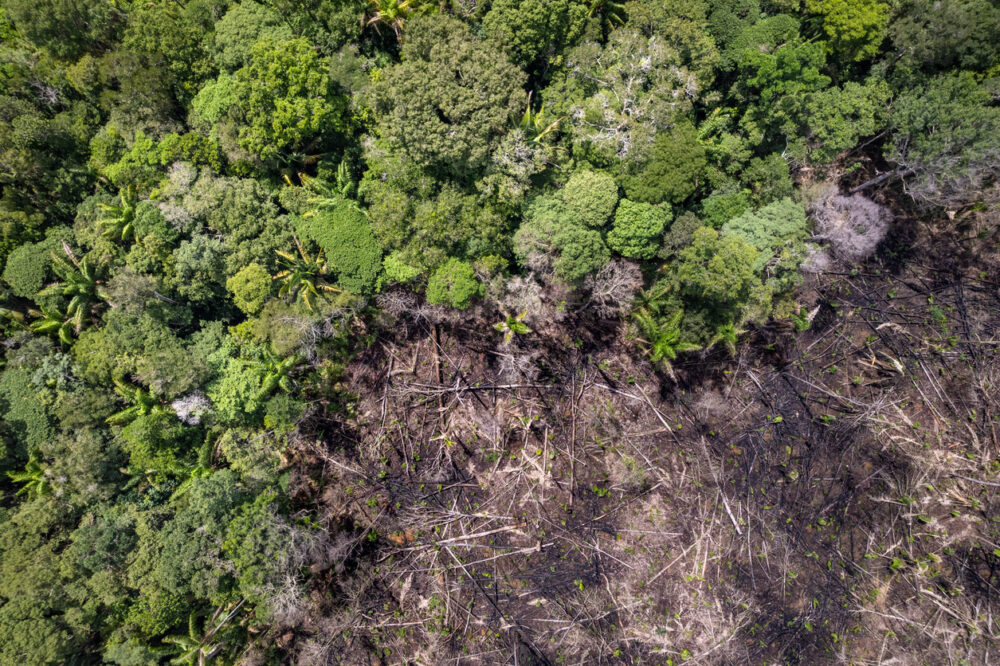
Forests aren’t just trees—they’re vital ecosystems, home to Indigenous communities, and one of the planet’s strongest defenses against climate change. Yet, corporations continue clear-cutting land for palm oil, cattle grazing, and industrial farming. Activists are demanding an immediate ban on deforestation for profit, along with stronger protections for Indigenous land rights to ensure local communities have control over their own territories.
The issue isn’t as simple as just planting new trees—mature forests must be preserved. Supply chains connected to deforestation should be shut down, preventing companies from destroying rainforests in one country and selling products in another.
Governments need to enact import bans, enforce strict land-use laws, and cut off funding to industries that profit from forest destruction. Protecting forests isn’t optional—it’s one of the most effective ways to fight climate change, and this generation refuses to let it be ignored.
9. Greenwashing should come with real legal consequences.
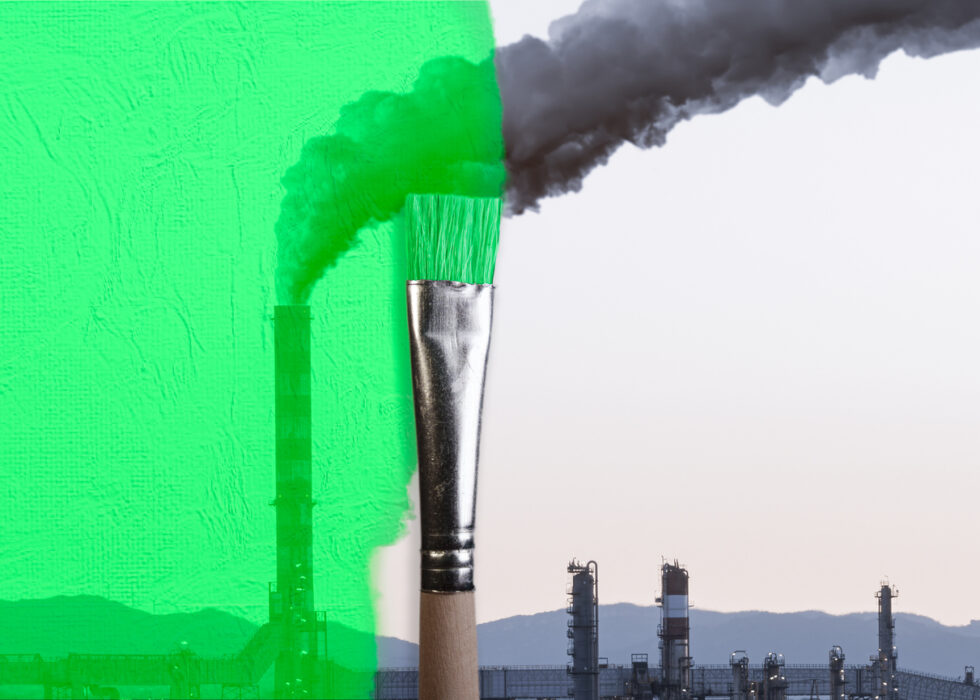
Companies love to slap “eco-friendly” labels on products, but too often, it’s nothing more than a marketing trick. Greenwashing—when brands falsely advertise sustainability while continuing harmful practices—has become a serious problem. Activists want strict laws that punish companies for misleading consumers with fake environmental claims, including heavy fines and mandatory third-party audits to prove whether a product is truly sustainable.
The public deserves transparency, not empty buzzwords. Labels like “biodegradable” and “compostable” should have clear, enforceable definitions to stop companies from using them in misleading ways. If businesses claim to be green, they should have to prove it with data, not just branding. Right now, greenwashing isn’t just deceptive—it’s delaying real climate action by giving people the illusion of progress. If corporations can’t back up their claims, they shouldn’t be allowed to make them.
10. Climate action needs to be led by the people, not corporations or politicians.
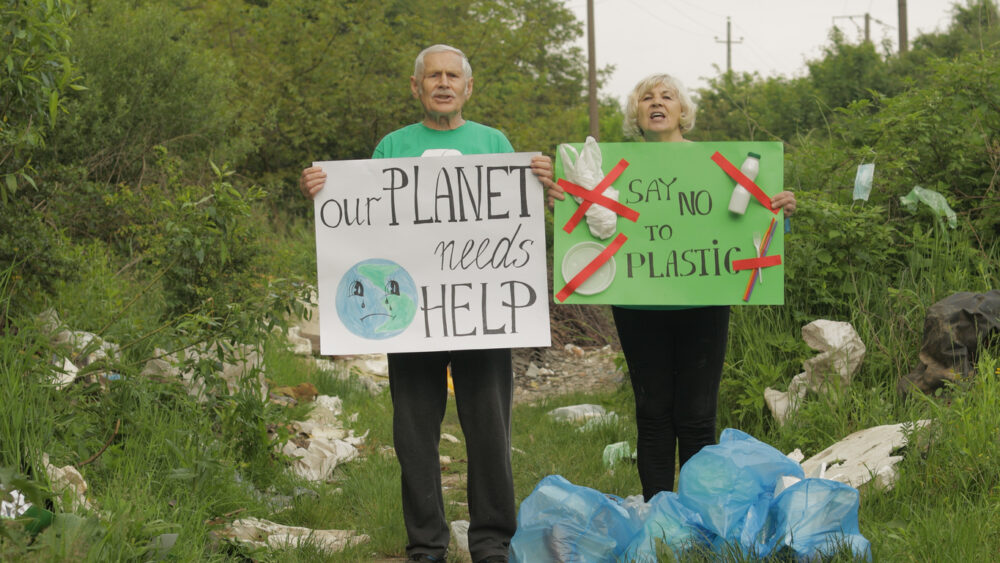
Young activists don’t trust billionaires or governments to solve the climate crisis—they’re demanding real, grassroots-led action. Instead of waiting for top-down solutions, they’re calling for community-owned renewable energy projects, local climate policies shaped by those most affected, and stronger protections for environmental activists who put themselves at risk fighting for change.
Decisions about the planet’s future shouldn’t be made behind closed doors by corporations and politicians with financial interests at stake. That’s why activists are pushing for greater public involvement in climate policy, funding for grassroots initiatives, and legal protections for climate protestors.
Those who will live with the consequences of climate change should have the biggest say in how it’s addressed. Waiting for billionaires and world leaders to act has failed—so now, the people are taking control.