
These tiny amphibians can’t beat the heat—and their collapse is triggering a domino effect.
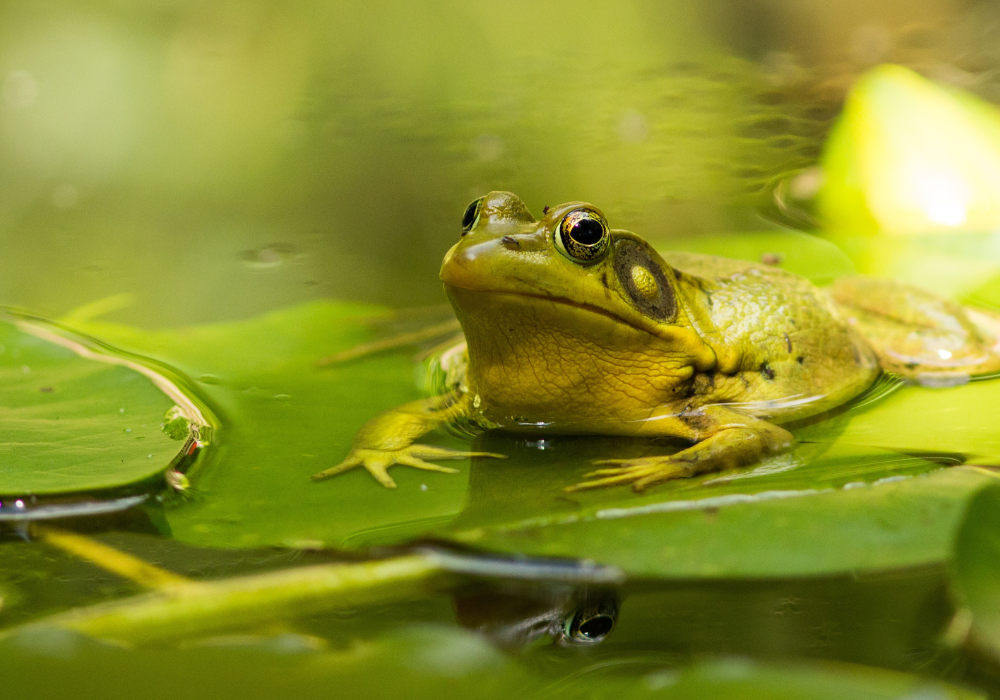
Frogs might seem like small players in the natural world, but they’re ecological powerhouses—keeping insect populations in check, feeding predators, and serving as early warning systems for environmental stress. Now, as heatwaves grow longer and more intense, frogs around the globe are dying in record numbers from heat stress and dehydration.
Their moist, permeable skin and dependence on water make them especially vulnerable. But the impact of their decline doesn’t stop at the pond’s edge. From surging mosquito populations to starving birds and collapsing food chains, these nine ripple effects show how losing frogs puts us all at risk.
1. Exploding insect populations are already linked to frog die-offs.
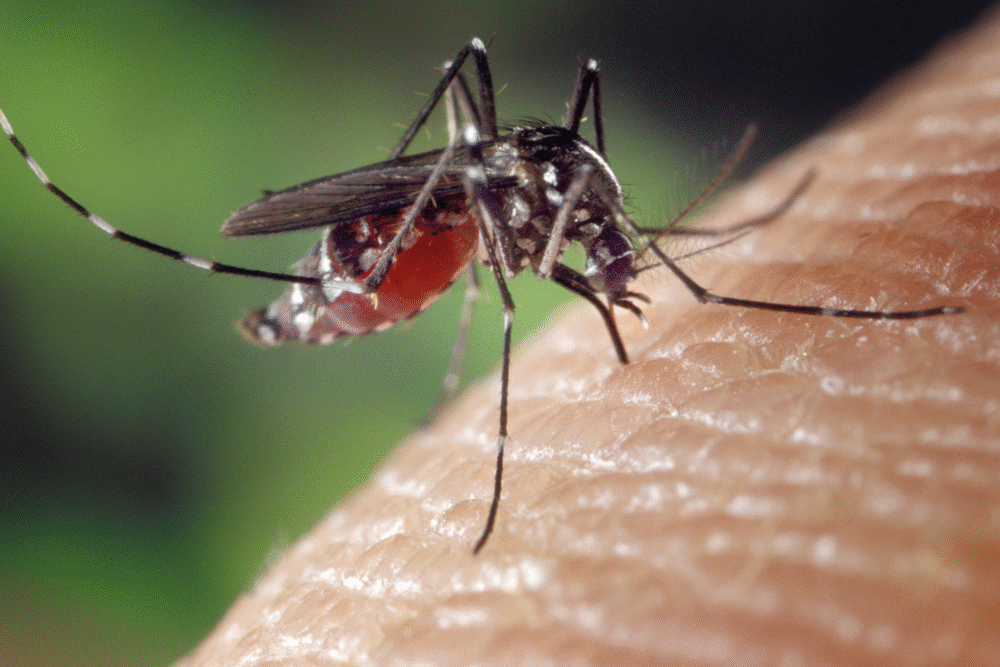
Frogs eat thousands of insects each week, including mosquitoes, flies, and crop-damaging pests. When heatwaves decimate frog populations, their absence leaves insect numbers unchecked. In places like the southeastern U.S. and parts of Australia, researchers have linked increases in mosquito-borne diseases and agricultural infestations to amphibian declines.
These insects multiply rapidly, thrive in warmer climates, and can carry pathogens that threaten humans and livestock. Without frogs to keep them in balance, communities may see rising health risks and economic damage. It’s a chain reaction that begins with heat stress and ends with swarms where frogs once quietly did their job.
2. Birds, snakes, and mammals are losing a major food source.

Frogs are a staple food for countless predators, including herons, raccoons, otters, and snakes. When frog numbers collapse during heatwaves, many of these species struggle to find alternative prey—especially in already stressed environments.
In South American wetlands and North American forests, researchers have noted declining chick survival rates in frog-eating birds following heat-induced frog die-offs. Smaller predators that rely heavily on amphibians can suffer population crashes, and scavengers lose a key protein source. This disruption weakens the entire food web and forces animals into new, sometimes dangerous, behaviors just to survive.
3. Wetland ecosystems begin to unravel when frogs disappear.

Frogs don’t just live in wetlands—they help shape them. As tadpoles, they graze on algae, keeping water systems clear and balanced. As adults, they fertilize soil and control insect populations. Their constant movement and biological contributions support the entire wetland system. When extreme heat wipes out frog populations, these systems lose a critical stabilizer. Algae blooms can explode, water quality declines, and plant life suffers.
The cascading effects weaken wetlands’ ability to buffer floods, store carbon, and support biodiversity. What begins as a frog crisis can quickly become a full-blown ecological collapse in these delicate habitats.
4. Crop yields may suffer when pest-eating frogs vanish.
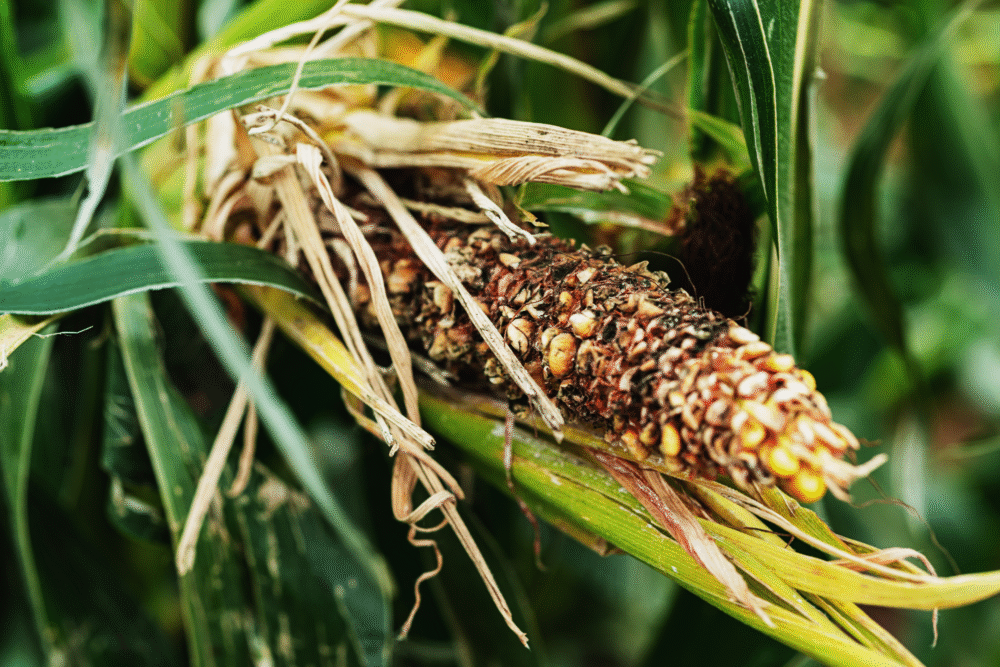
Frogs play an unsung role in agriculture by patrolling rice fields, orchards, and gardens for insect pests. In countries like India, Vietnam, and parts of the U.S., farmers have long relied on frogs as a natural pest control system.
But during heatwaves, frog populations drop, allowing pests like grasshoppers, beetles, and caterpillars to thrive unchecked. This leads to increased crop damage, reduced yields, and greater reliance on chemical pesticides—further harming the environment. As climate change continues to push temperatures higher, the agricultural sector may feel the sting of amphibian loss in both productivity and profits.
5. Tadpoles are dying before they can mature—shrinking future generations.

Tadpoles are especially vulnerable to rising temperatures. In shallow or drying pools, water heats up quickly, causing oxygen levels to plummet and lethal stress to rise. When tadpoles die en masse during heatwaves, fewer frogs reach maturity, causing population crashes that ripple through years. Entire generations can be lost in one overheated season.
This decline isn’t just temporary—it can reduce genetic diversity and resilience, leaving frog populations more vulnerable to disease, drought, and predators. Long after the heatwave passes, the ecosystem feels the absence of a generation that never had a chance to grow up.
6. Disease outbreaks among frogs worsen in hot, dry conditions.

Heat stress doesn’t just kill frogs directly—it weakens their immune systems and makes them more susceptible to deadly infections like chytrid fungus and ranavirus. These diseases have already decimated amphibian populations globally, and extreme heat acts as a catalyst, spreading pathogens faster and increasing mortality rates.
In areas like Central America and the Pacific Northwest, scientists have documented outbreaks following periods of extreme heat and drought. As frogs become sicker and less able to fight infection, the potential for rapid, large-scale die-offs grows. This vicious cycle is accelerating frog extinction risk across multiple continents.
7. Water quality drops without frog populations to filter it.
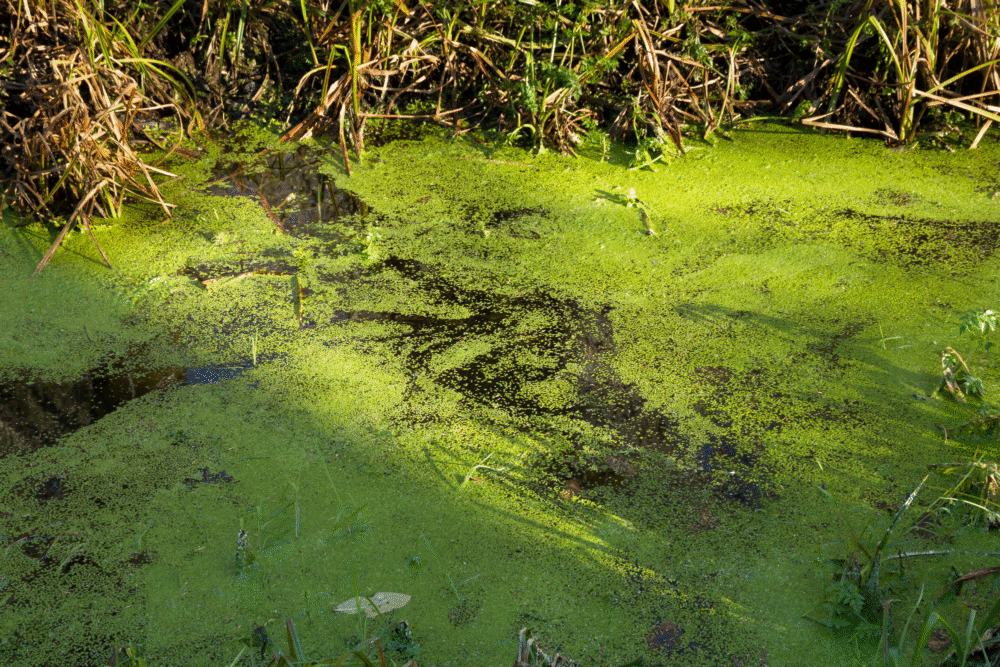
Tadpoles play a vital role in aquatic ecosystems by grazing on algae and detritus, effectively cleaning the water as they grow. Adult frogs also influence nutrient cycles through their movements and waste. When frog populations crash, this natural filtration system vanishes.
Algae can bloom unchecked, leading to murky water and oxygen-deprived “dead zones.” In ponds, wetlands, and even manmade water systems, this degradation affects everything from fish health to drinking water quality. Communities and ecosystems both rely on this unseen service frogs provide—until it’s gone and the cleanup cost becomes all too visible.
8. Scientists lose a critical “canary in the coal mine.”

Frogs are bioindicators—species that reflect the health of an environment due to their sensitivity to temperature, water quality, and pollution. When frogs start dying from heat stress, it’s a red flag that conditions are deteriorating beyond what other species can tolerate.
Their disappearance offers early warnings about declining ecosystem health or emerging climate trends. If we ignore these signs, we risk being blindsided by larger ecological collapses. Researchers tracking frog mortality in tropical and temperate zones warn that we’re ignoring nature’s most sensitive alarm system—and that future consequences will be far harder to reverse.
9. Biodiversity suffers as amphibians vanish from the food web.

Frogs are part of a vast network of ecological interactions. They eat, are eaten, and influence soil, water, and insect populations. When they disappear, the entire food web loses a keystone species. Other amphibians may fill some roles, but few can match frogs’ efficiency or adaptability. In biodiversity hotspots like the Amazon or Southeast Asia, amphibian loss signals broader ecosystem instability.
Plants lose pollinators and seed dispersers, birds lose food sources, and competing species can grow out of control. The richness and resilience of the ecosystem begin to erode—quietly at first, then catastrophically.