
Scientists say the fossil shows a dinosaur preserved while devouring its prey.
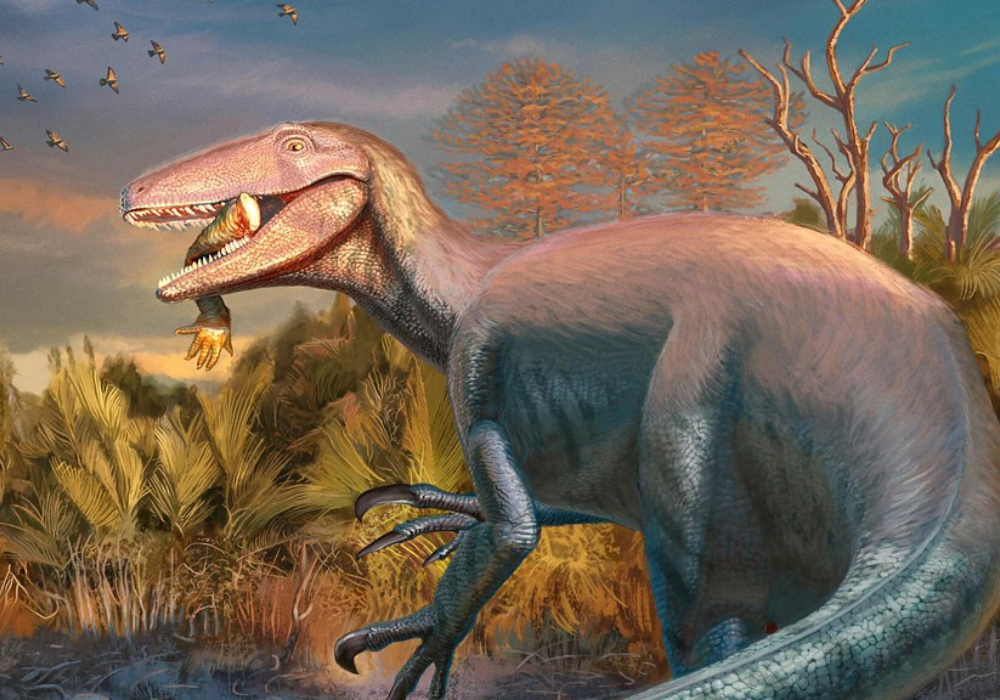
Scientists have uncovered a new apex predator dinosaur species in Patagonia, fossilized while clutching a crocodile limb in its jaws. The creature, named Joaquinraptor casali, is about 23 feet long and lived during the late Cretaceous era—roughly 66–70 million years ago. This rare “last meal” fossil offers an extraordinary glimpse into predator behavior and local ecosystems just before the mass extinction that ended the age of dinosaurs. The dinosaur belongs to the mysterious megaraptoran group, known for their claws and speed, and the discovery helps fill gaps in how these predators lived and hunted.
1. Scientists Identify a New Apex Predator Dinosaur
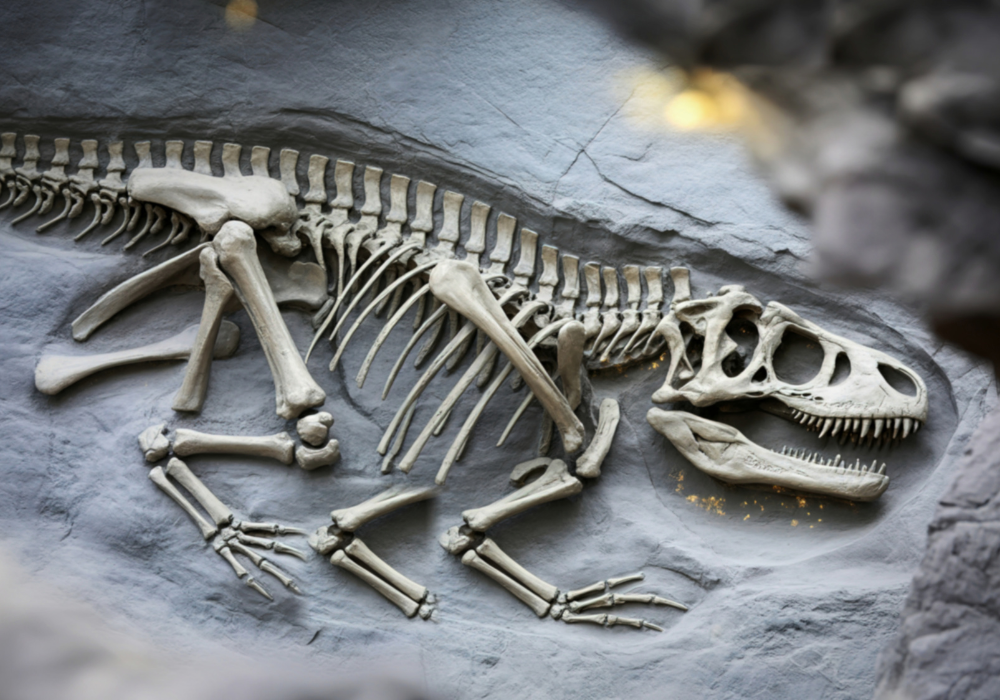
Paleontologists have named a newly discovered dinosaur Joaquinraptor casali. The fossil was unearthed in Patagonia, Argentina, within the Lago Colhué Huapi Formation. Belonging to the megaraptoran group, this predator adds an important piece to the evolutionary puzzle of large carnivorous dinosaurs in South America.
Unlike more fragmentary finds, this specimen is relatively complete, giving researchers valuable insights into its physical traits and hunting adaptations. Its discovery expands the known diversity of megaraptorans and helps clarify their role as dominant predators at the end of the dinosaur age.
2. The Dinosaur Dates to the End of the Cretaceous
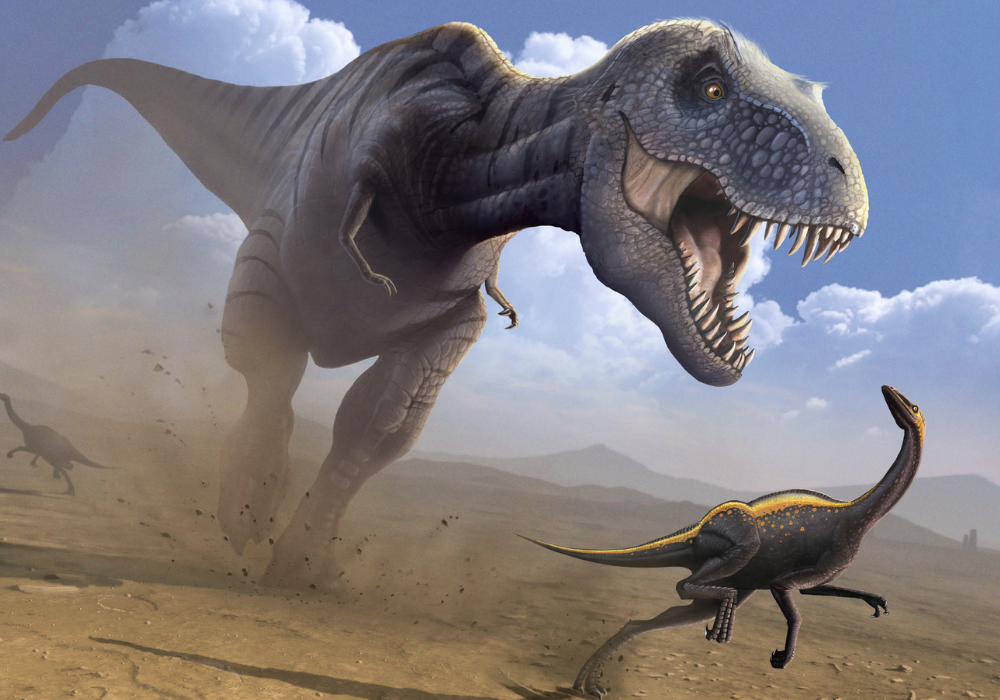
Geological evidence shows Joaquinraptor casali lived roughly 66 to 70 million years ago, during the final chapter of the Cretaceous period. This places it just before the catastrophic asteroid impact that ended the reign of non-avian dinosaurs.
Its age makes the find especially significant, as it provides a snapshot of predator–prey dynamics in South America on the eve of mass extinction. Scientists say such fossils help reconstruct how ecosystems functioned in the moments before dinosaurs disappeared from Earth.
3. The Fossil Preserves Its Last Meal

One of the most remarkable aspects of the fossil is that it was found with the remains of its prey. A crocodilian limb was discovered in the dinosaur’s mouth, providing direct evidence of its diet. Such “last meal” fossils are extremely rare in paleontology.
This discovery offers a rare, almost cinematic glimpse of predator behavior frozen in time. It confirms that megaraptorans like Joaquinraptor preyed on crocodiles, broadening our understanding of their role as apex predators within their ecosystem.
4. It Belongs to the Megaraptoran Group
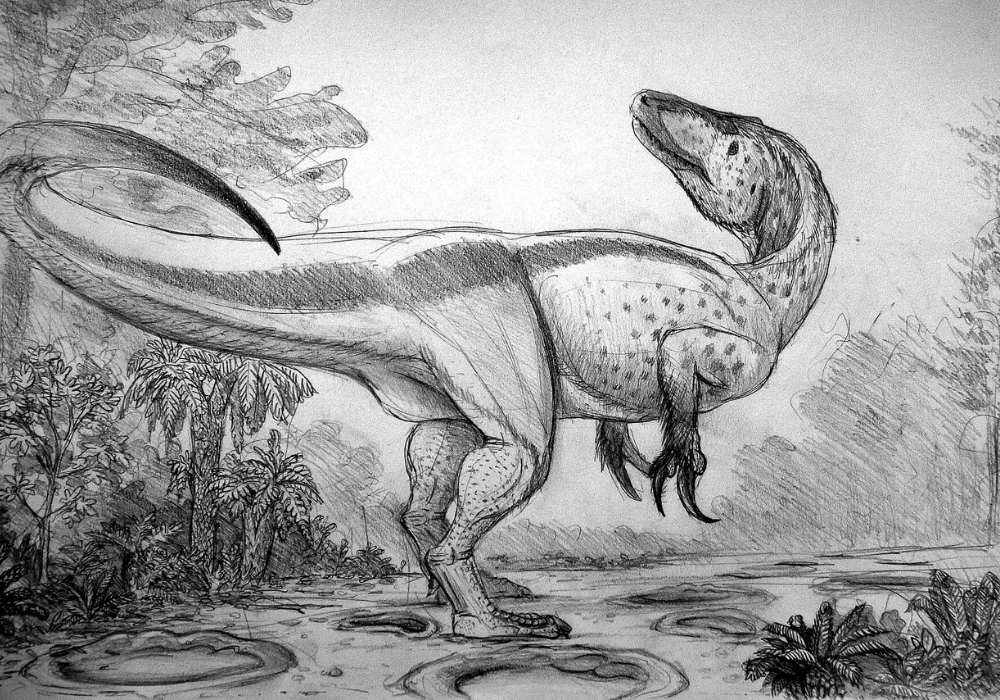
Megaraptorans were a mysterious group of theropods known for their long arms, curved claws, and agility. They were distinct from the more famous tyrannosaurs that dominated North America.
The discovery of Joaquinraptor casali adds to this enigmatic family and provides one of the best examples of their anatomy. By comparing it to other megaraptorans, scientists can now refine the evolutionary tree and better understand how these predators thrived in the Southern Hemisphere.
5. The Fossil Was Found in Patagonia, Argentina
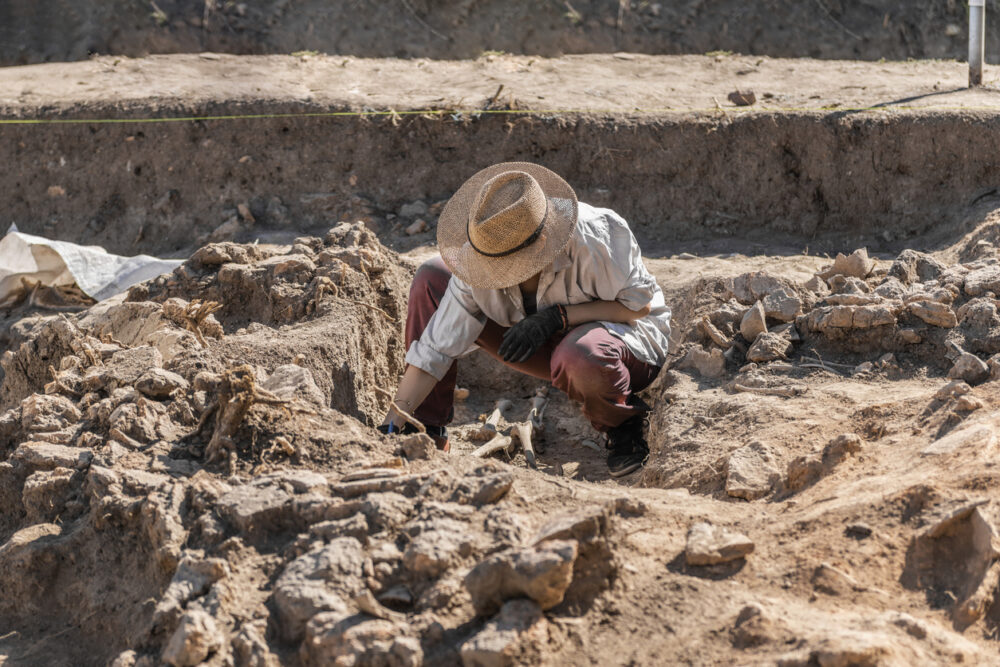
Patagonia has long been a treasure trove of dinosaur discoveries, and this find continues that tradition. The fossil was located in sedimentary layers that were once floodplains and river systems.
These environments preserved an extraordinary diversity of species, from giant sauropods to smaller reptiles. Finding Joaquinraptor there underscores Patagonia’s importance as one of the world’s richest windows into the late Cretaceous ecosystem.
6. It Measured About 23 Feet Long
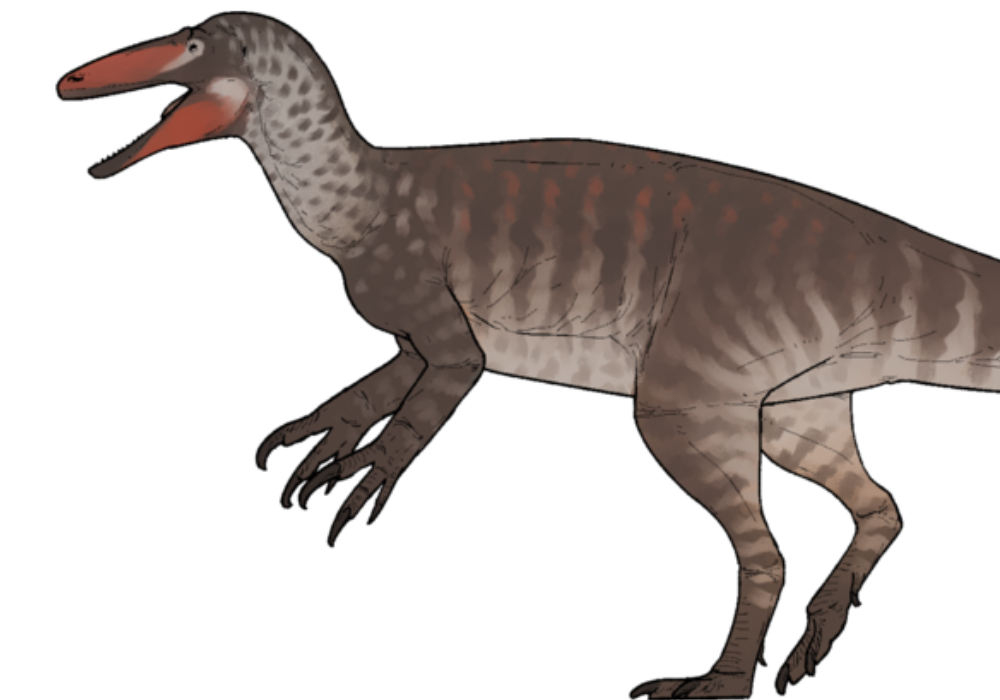
Researchers estimate that Joaquinraptor casali reached a length of about seven meters, or roughly 23 feet. Its body size, combined with sharp claws and strong jaws, would have made it a formidable predator.
Although not as large as a T. rex, its agility and hunting skills placed it at the top of the food chain in its environment. Its physical build suggests it relied on speed and precision to capture prey, including crocodilians and possibly smaller dinosaurs.
7. It Provides Rare Evidence of Predator Diets
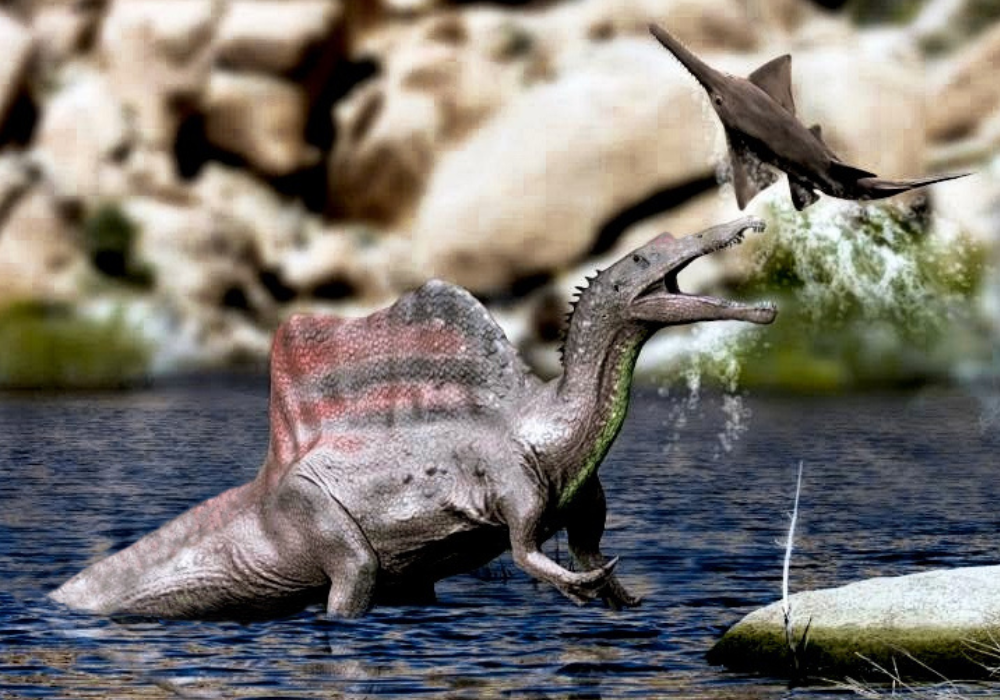
Most dinosaurs’ diets are inferred from indirect evidence like teeth shape or stomach contents. In this case, scientists have direct proof of what Joaquinraptor was eating when it died.
Finding a crocodile’s remains inside a dinosaur fossil is exceptionally rare and helps scientists understand predator–prey interactions in prehistoric ecosystems. It confirms that megaraptorans targeted large, dangerous prey, underscoring their dominance as apex predators.
8. The Discovery Highlights Evolutionary Gaps
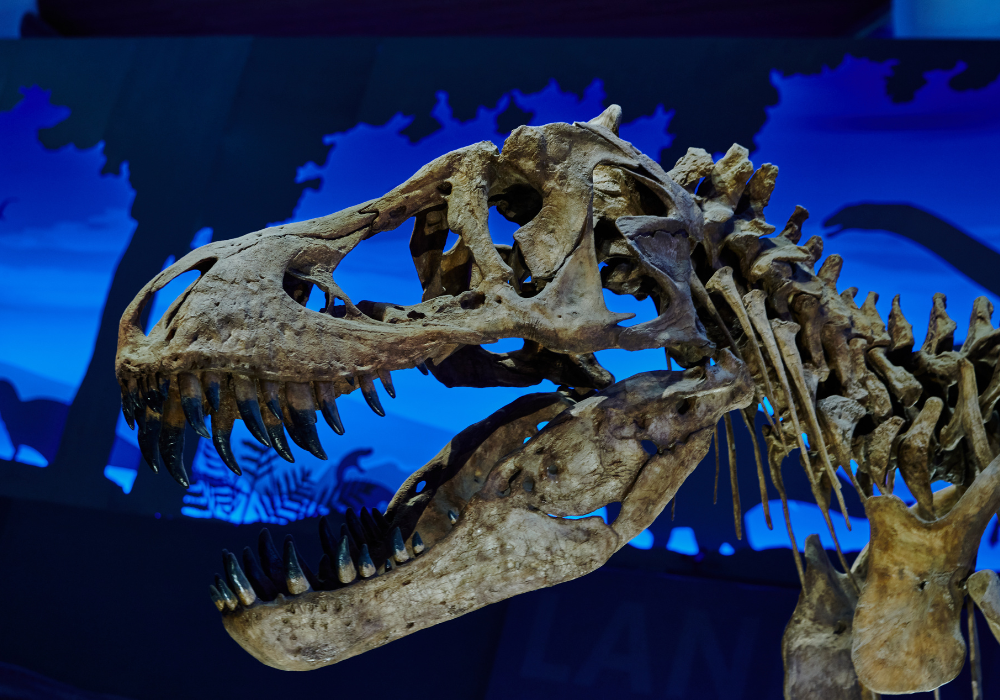
Until recently, megaraptorans were poorly understood because most fossils were fragmentary. Joaquinraptor casali provides a more complete skeleton, giving researchers a stronger basis for comparison.
By filling in missing anatomical details, this discovery helps clarify how megaraptorans evolved and adapted differently from other theropod lineages. Scientists can now study how their features, such as long claws and specialized jaws, gave them unique advantages in hunting.
9. It Lived Alongside Other Dinosaurs
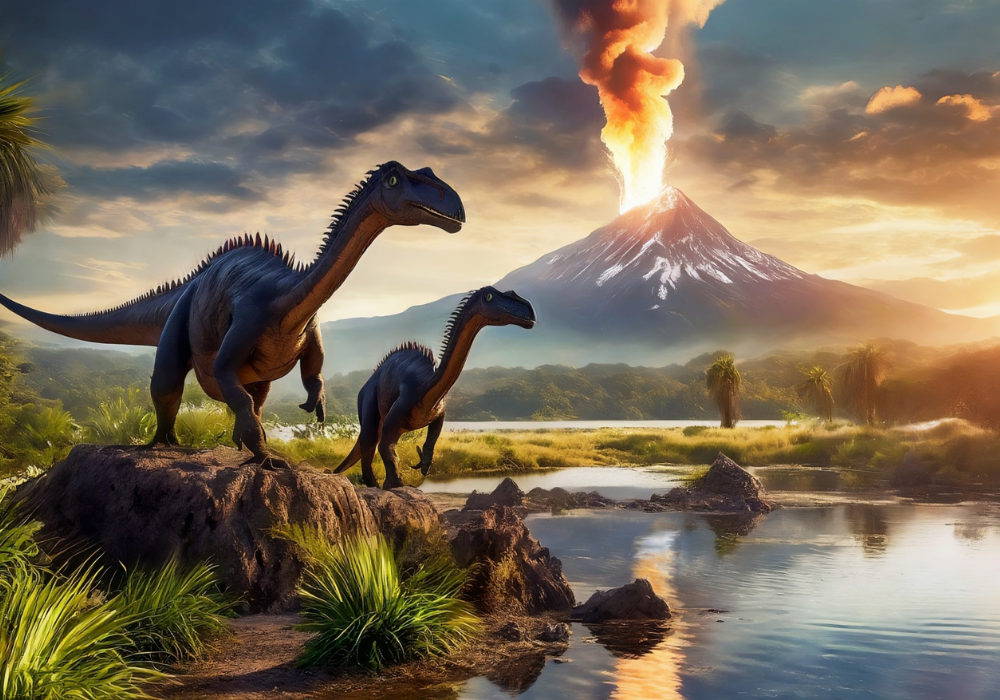
During the late Cretaceous, Patagonia hosted a vibrant ecosystem filled with herbivorous titanosaurs, smaller theropods, and reptiles like crocodilians. Joaquinraptor casali would have been one of the top predators in this environment.
The presence of multiple large predators indicates that ecosystems at the time were diverse and competitive. Each predator likely had a specialized niche, and Joaquinraptor’s confirmed crocodile meal shows it exploited unique prey opportunities.
10. The Find Is Exceptionally Rare in Paleontology
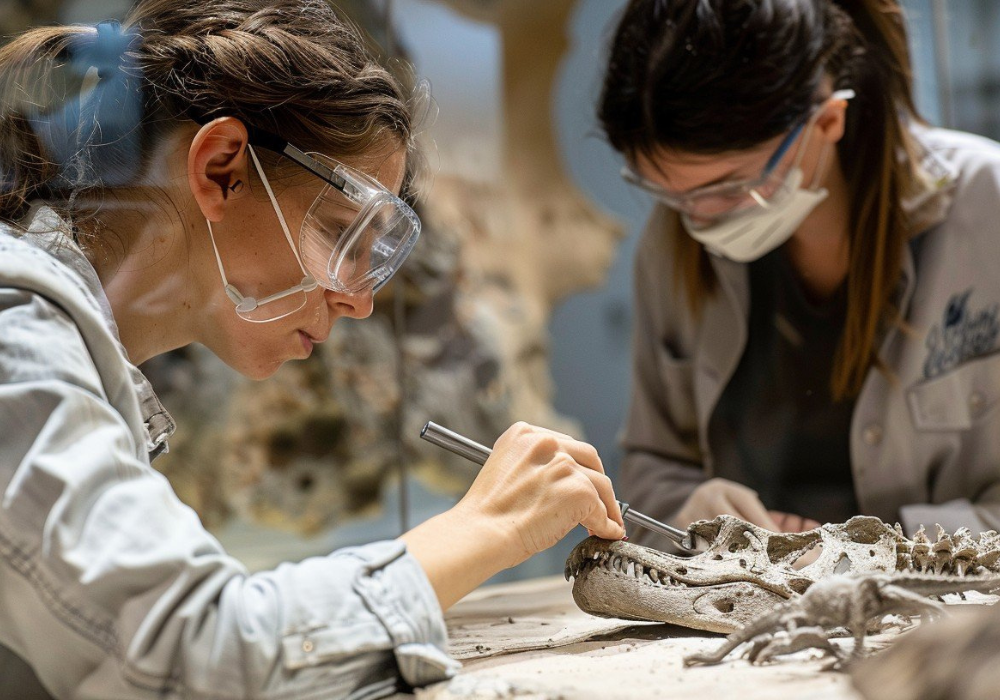
Fossils showing animals preserved with their prey are almost unheard of. Such finds require extraordinary conditions to capture the moment of death and fossilize it intact.
This makes the discovery of Joaquinraptor casali especially valuable, as it offers not just skeletal remains but a behavioral snapshot. Paleontologists describe it as one of the most remarkable dinosaur fossils ever uncovered in South America.
11. It Adds to the Story of Dinosaur Extinction
The discovery helps illustrate how ecosystems functioned just before the end-Cretaceous extinction. Joaquinraptor casali lived at a time when dinosaurs were still thriving, hunting, and evolving.
Its fossil serves as a reminder that even apex predators were not immune to global catastrophe. Within a few million years of its life, the asteroid impact would eliminate megaraptorans and countless other species, closing the chapter on the age of dinosaurs.