
A forgotten teenage heroine rode twice as far as Revere, risking everything to rally Patriot troops in a single stormy night.
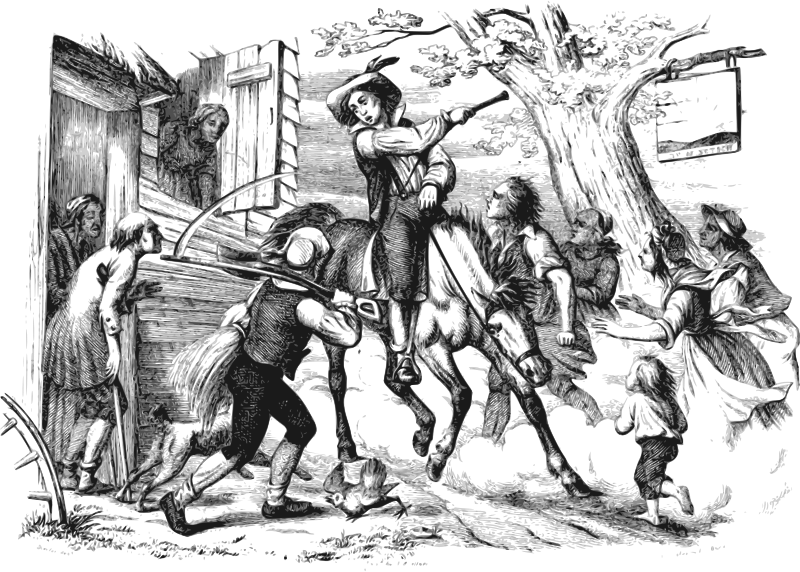
Most Americans know the legend of Paul Revere, but far fewer have heard the remarkable story of Sybil Ludington. At just 16, she rode through darkness, rain, and miles of rough countryside to warn scattered militia forces that British troops were advancing. Her midnight journey covered roughly twice the distance of Revere’s and helped mobilize hundreds of Patriot soldiers. Though her courage was celebrated locally for generations, Sybil’s name faded from national memory—yet her daring ride remains one of the Revolution’s most extraordinary feats.
1. Sybil Ludington Stepped Into History at Just Sixteen

Sybil Ludington was only 16 when she made her famous nighttime ride, a detail that makes her bravery even more extraordinary. Growing up in a Patriot household, she understood the stakes of the Revolution and didn’t hesitate when asked to help. Her father, Colonel Henry Ludington, commanded a local militia, and word reached him that British troops were advancing toward nearby Danbury, Connecticut.
Because the militia companies were scattered across the countryside, someone had to alert them quickly. Sybil took on the challenge without hesitation, mounting her horse and heading into the stormy night to rally the troops.
2. Her Midnight Ride Doubled the Distance of Paul Revere’s
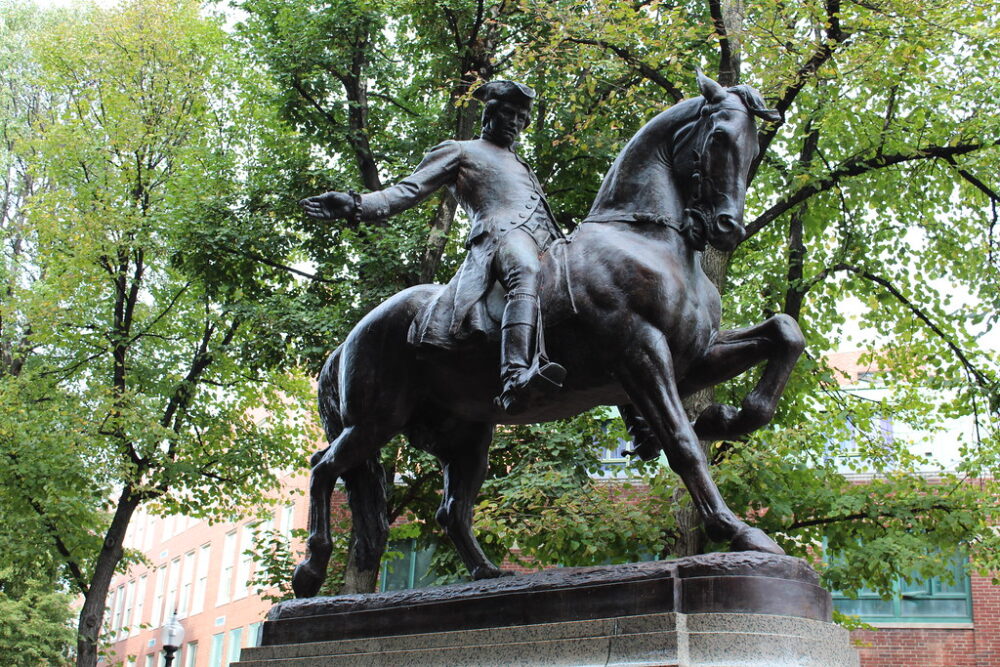
Sybil’s journey covered roughly 40 miles—about twice the length of Paul Revere’s more famous ride. She navigated unlit, rough terrain, passing farms and villages across what is now Putnam County, New York. The conditions were difficult, with rain-soaked roads and no guarantee of safety along the route.
Despite the obstacles, she pushed on, making sure each militia member knew the British were advancing. Her endurance and determination ensured that hundreds of soldiers mobilized in time to respond, highlighting how vital her effort was to the Patriot cause.
3. She Rode Through Harsh Weather to Deliver the Warning
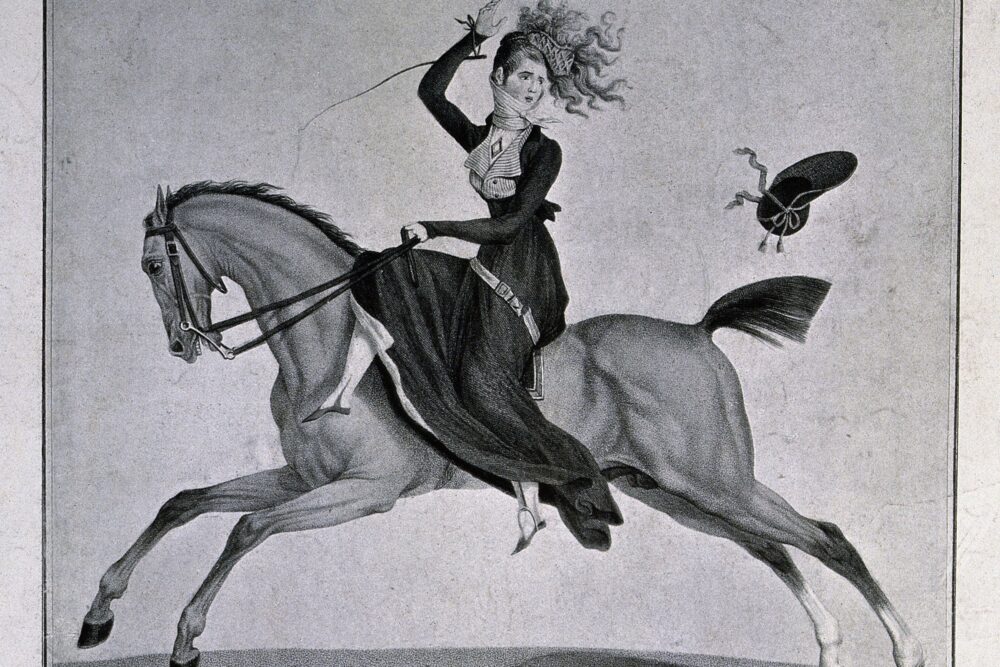
The night of Sybil’s ride was stormy, with heavy rain and muddy roads slowing her path. Darkness made visibility nearly impossible, and the constant threat of Loyalist forces or British patrols added to the danger. Traveling alone on horseback under these conditions would have challenged even an experienced adult rider.
Sybil’s willingness to continue through the downpour shows just how committed she was to completing her mission. Every mile she covered brought the Patriot militia closer to being prepared, proving her resolve during one of the Revolution’s most urgent moments.
4. Local Militia Leaders Trusted Sybil With a Critical Mission
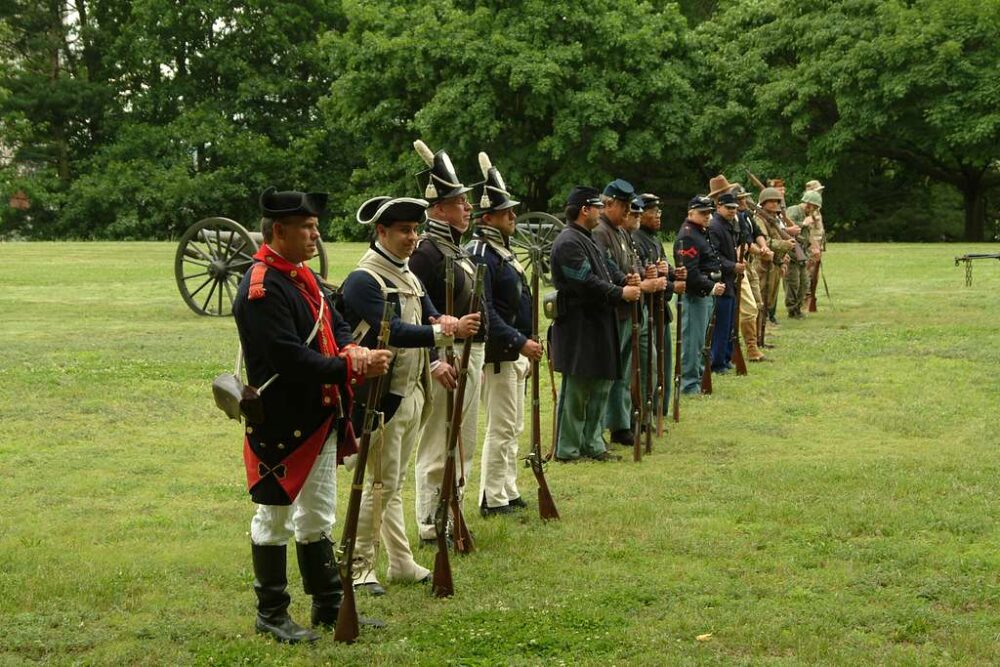
Colonel Henry Ludington relied on his daughter because he knew she was capable and level-headed. As militia commander, he couldn’t leave his post, and Sybil was familiar with the surrounding farms and roads. Her knowledge made her the best choice to spread the alarm quickly and effectively.
Her role highlights how women and young people contributed to the Patriot effort in ways that often go unrecognized. Sybil didn’t serve as a soldier, but her actions mobilized the troops who would soon confront British forces, making her an essential part of the region’s defense.
5. Her Ride Helped Muster Nearly 400 Patriot Soldiers

By the time Sybil completed her exhausting circuit, close to 400 militia members had been alerted. This quick mobilization allowed them to move toward Danbury, where British troops had already begun burning supplies. Although the militia ultimately couldn’t save the depot, they were able to engage the British during their retreat.
This response showed that Sybil’s warning worked exactly as intended. Without her rapid call to arms, fewer soldiers might have reached the area in time, reducing the Patriots’ ability to resist the British forces moving through the region.
6. The British Raid on Danbury Sparked Urgent Action
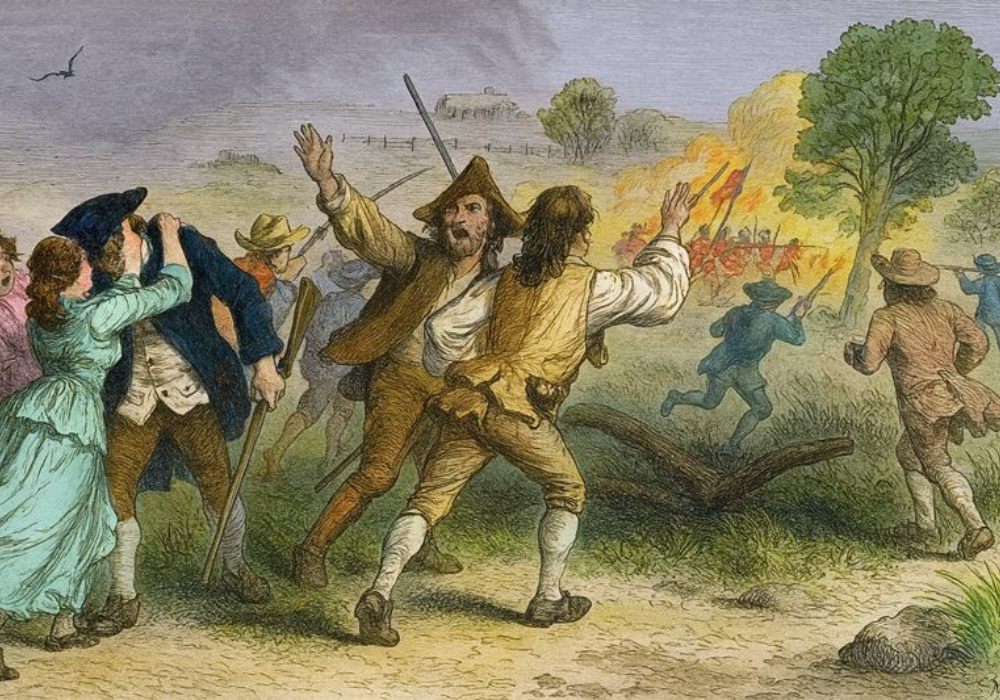
Sybil’s ride was triggered by a British attack on Danbury, Connecticut, where the Patriots stored vital supplies. British forces landed in the area, destroyed munitions, and set fire to buildings. Word of the raid spread quickly but needed to reach the militia across New York’s countryside before it was too late.
Her effort helped organize a response that pressured the British as they withdrew. While the Patriots couldn’t undo the damage in Danbury, their resistance demonstrated growing determination and readiness, helping shape future engagements in the region.
7. Sybil’s Route Took Her Across Dangerous, Isolated Roads

The roads Sybil rode were rural, rugged, and sparsely populated in the late 18th century. She traveled past wooded areas, farmlands, and isolated homes, all while pushing through rain and darkness. Any misstep—whether from her horse slipping or encountering enemy forces—could have ended the mission.
Her ability to navigate the long path showed a deep familiarity with the land and trust in her own abilities. It also underscores the peril she faced, riding alone through unpredictable terrain during a time when the region was fraught with tension and conflict.
8. Her Heroism Was Recognized Locally for Generations
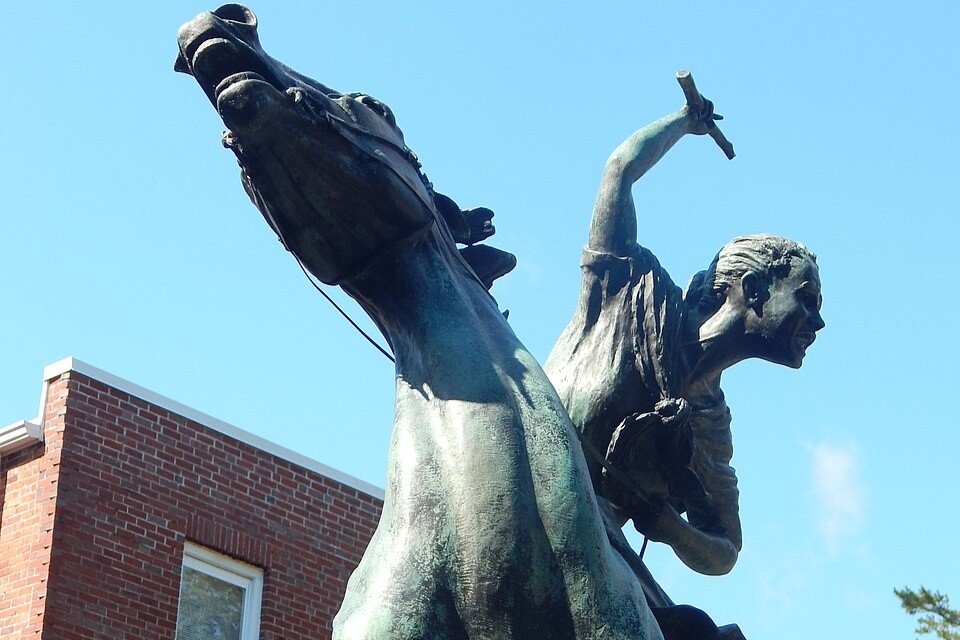
Although Sybil never became as widely known as Paul Revere, her story lived on in local communities throughout the Hudson Valley. Families passed down the tale, and her actions were celebrated in regional histories. Her ride stood as a point of pride for residents who knew how vital her contribution had been.
Monuments, plaques, and historical markers were eventually installed to honor her bravery. These memorials helped preserve her legacy even before it gained broader attention, ensuring that her remarkable effort wouldn’t disappear entirely from public memory.
9. President Roosevelt Helped Revive Interest in Her Story
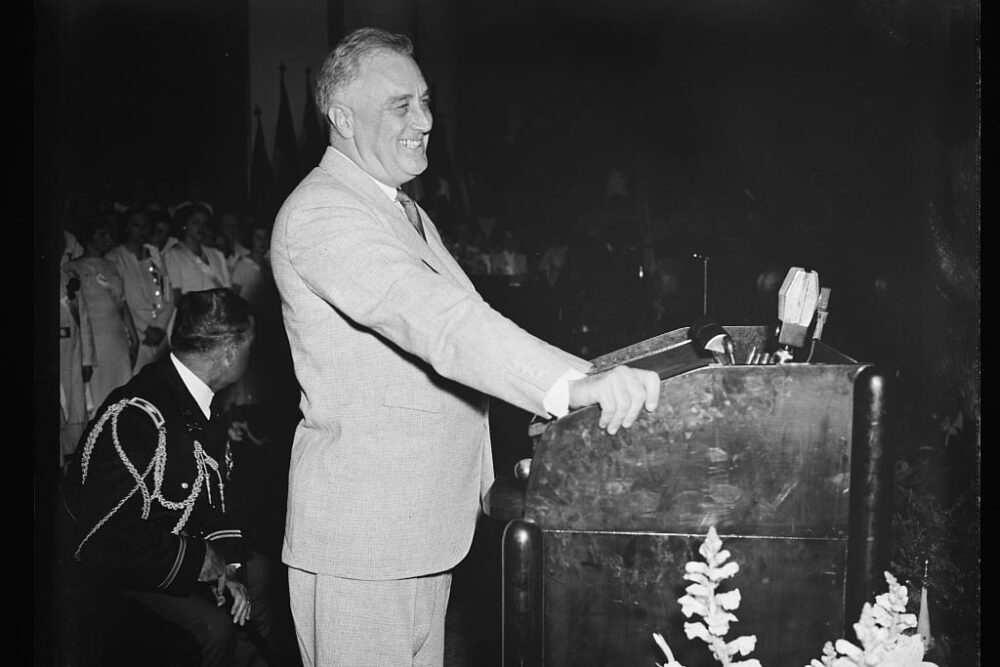
In the 1930s, President Franklin D. Roosevelt praised Sybil Ludington’s ride, bringing renewed national attention to her long-overlooked contribution. His recognition helped elevate her story beyond local circles at a time when Americans were increasingly interested in Revolutionary War history.
Roosevelt’s acknowledgment added legitimacy to her legacy, encouraging historians and the public to revisit her role in the conflict. As a result, schools, writers, and heritage groups began sharing her story more widely, helping ensure that her bravery reached future generations.
10. Historical Debate Exists, but Her Legacy Still Resonates
As with many stories from the Revolutionary era, some historians have debated the precise details of Sybil’s ride. Documentation from the period is limited, and some elements rely on family accounts recorded years later. Despite these uncertainties, her ride remains part of the historical narrative and is widely recognized in local and state commemorations.
Even with debates, the essence of her story—the courage of a young woman acting decisively during a critical moment—continues to inspire. Her legacy reflects the often-overlooked contributions made by women in early American history.
11. Sybil Ludington’s Ride Remains a Symbol of Quiet Revolutionary Courage
Sybil’s journey stands as a powerful reminder that heroes come in many forms. Her willingness to brave weather, danger, and exhaustion for the Patriot cause reveals the depth of her character and commitment. Her ride represents more than a single act—it symbolizes how ordinary people shaped the course of the Revolution.
Today her story is honored in books, statues, and historical programs that highlight her bravery. While she may never be as famous as Paul Revere, her contribution remains one of the most compelling and inspiring episodes of the Revolutionary War.