
Food experts warn that mayo can quietly undo tuna’s health benefits.
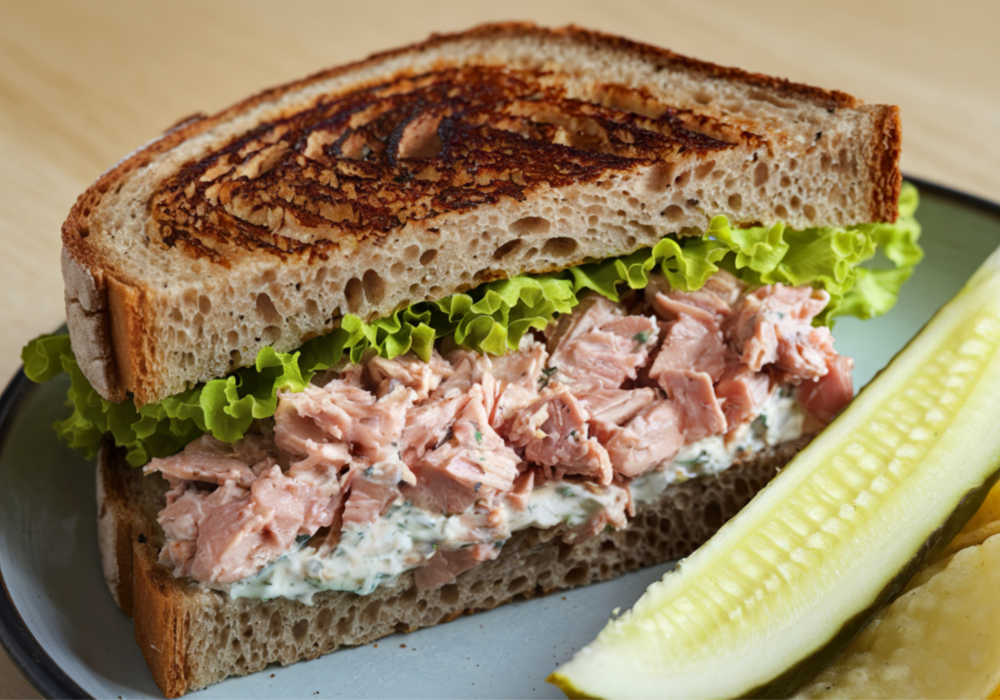
Tuna sandwiches have long been marketed as a healthy lunch, but food experts say one common ingredient quietly undermines that reputation. Mayonnaise, often added by habit rather than thought, can turn an otherwise lean, protein-rich meal into something far less heart-friendly.
The concern isn’t just calories. Nutrition specialists point to the type of fat in traditional mayo and how easily it pushes meals into unhealthy territory without people realizing it. Portion sizes also tend to creep up far beyond what labels suggest.
As a result, experts say it may be time to rethink what you mix into tuna. The good news is there are alternatives that keep the sandwich satisfying while aligning better with modern nutrition advice.
1. Tuna starts as a nutritional win
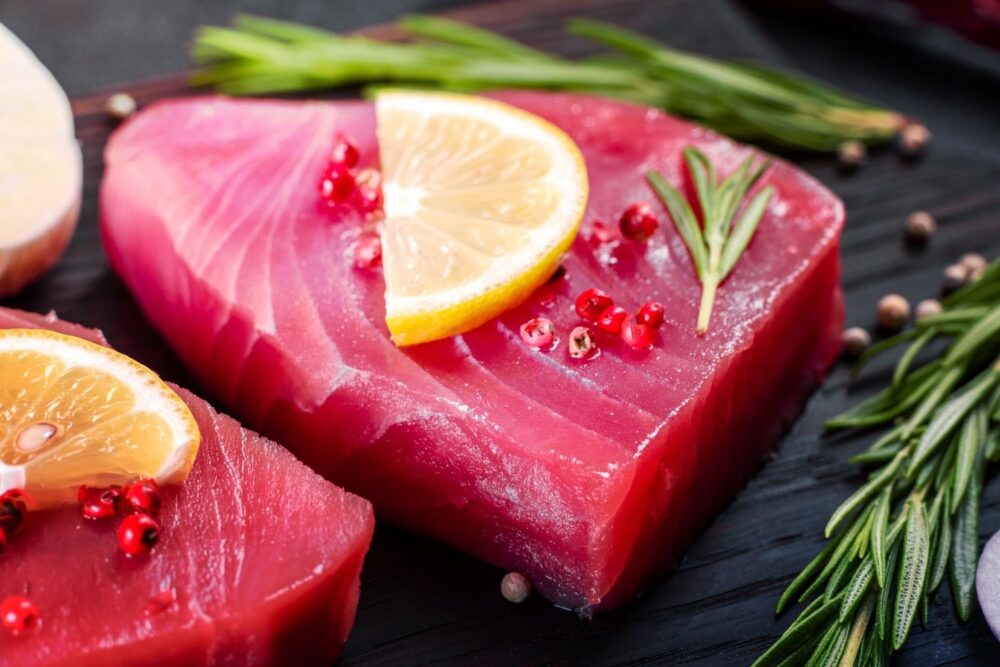
On its own, tuna is widely considered a smart food choice. It’s high in protein, naturally low in saturated fat, and contains omega-3 fatty acids that support heart health. Many people choose tuna because it feels lighter and more nutritious than other sandwich fillings.
Food experts say the issue begins when tuna’s healthy reputation creates a false sense of security. People assume the sandwich stays healthy regardless of what’s added. In reality, the final nutrition depends heavily on the mix-ins, and mayonnaise often becomes the ingredient that quietly overwhelms tuna’s benefits.
2. Mayonnaise is more fat-dense than it appears
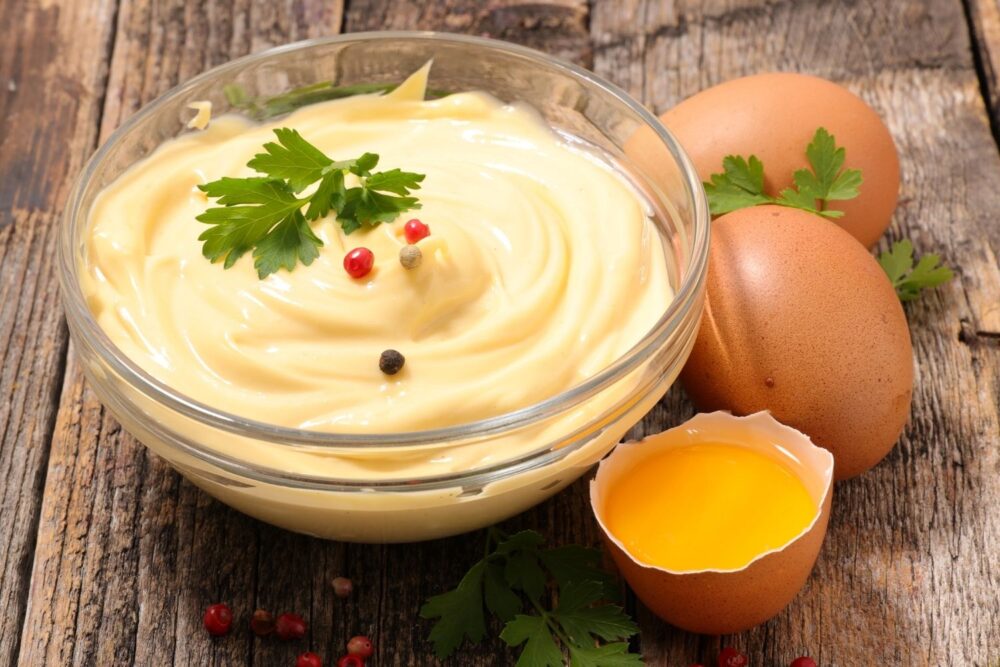
Traditional mayonnaise is mostly oil blended with egg yolks, making it extremely concentrated in fat. One tablespoon contains more fat than many people expect, yet tuna salad recipes often call for several tablespoons added without measuring. The creamy texture encourages generous use.
Nutrition experts note that mayo adds fat very quickly. When multiple spoonfuls are mixed into a small amount of tuna, the calorie and fat content of the sandwich can double or even triple. Many people unknowingly consume far more mayo than they would ever add intentionally.
3. Saturated fat is the biggest concern
The main red flag nutrition experts raise about mayonnaise is saturated fat. Diets high in saturated fat are linked to increased LDL cholesterol, which raises the risk of heart disease over time. Mayo can easily push a meal past recommended daily limits.
Experts stress that it’s not about banning mayo entirely. The issue is consistency. For people who eat tuna sandwiches several times a week, repeated exposure to saturated fat adds up quickly. Over time, this habit can quietly work against long-term heart health goals.
4. Portion sizes quietly spiral
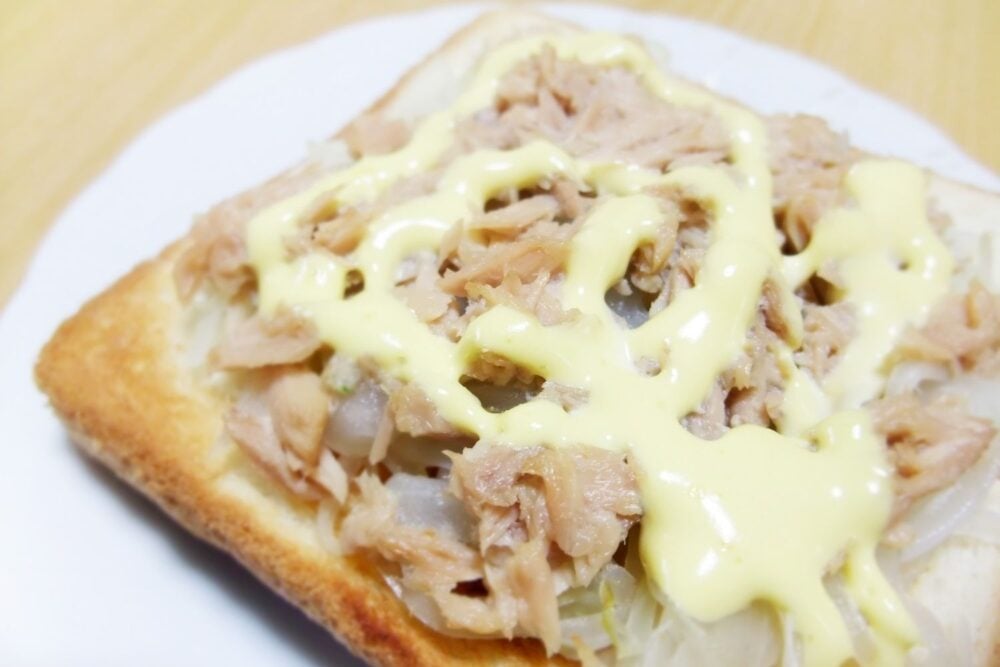
Most people don’t measure mayonnaise before adding it to tuna. Instead, they mix until the texture “looks right.” Food researchers say this often results in portions two or three times larger than a standard serving without anyone noticing.
This portion distortion matters because mayo is so calorie- and fat-dense. Even small increases make a big nutritional difference. Experts say that when tuna sandwiches become a regular meal, oversized mayo portions can contribute significantly to excess saturated fat intake over the course of a week.
5. Mayo crowds out better ingredients
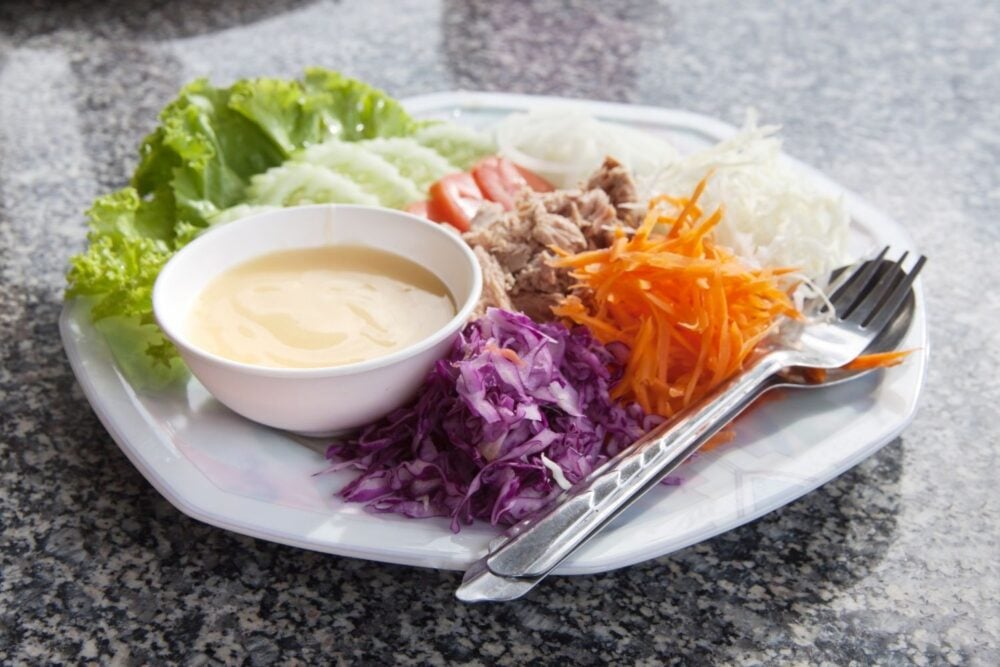
Another issue experts highlight is what mayo replaces. When it dominates the mixture, there’s less room for vegetables, herbs, and fiber-rich additions. Ingredients like celery, onions, or leafy greens often become secondary or disappear entirely.
Nutrition professionals say healthy meals are about balance. When mayo takes center stage, the sandwich shifts away from nutrients that support digestion and fullness. Over time, this pattern turns a potentially balanced meal into one that’s heavy on fats but light on vitamins and fiber.
6. Greek yogurt keeps the creaminess
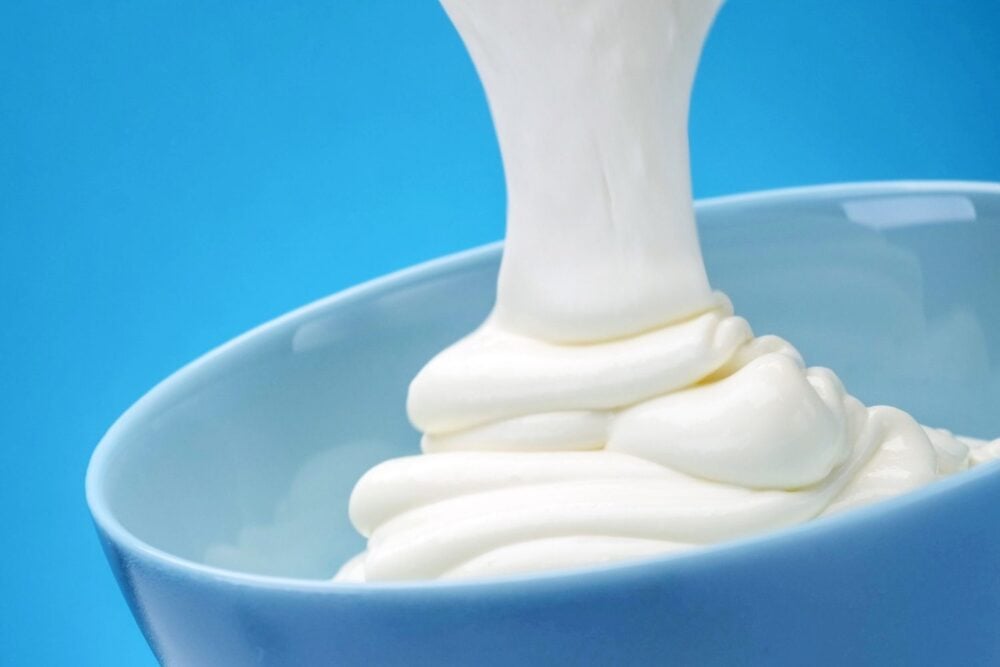
One of the most common alternatives food experts recommend is plain Greek yogurt. It provides a creamy texture similar to mayo but contains far less saturated fat. It also adds protein, which helps keep meals filling without relying on excess fat.
Greek yogurt’s mild tang works especially well with tuna when paired with herbs or spices. Experts say it allows people to keep the familiar texture they enjoy while dramatically improving the nutritional profile of the sandwich, making it a practical swap rather than a drastic change.
7. Avocado changes the type of fat
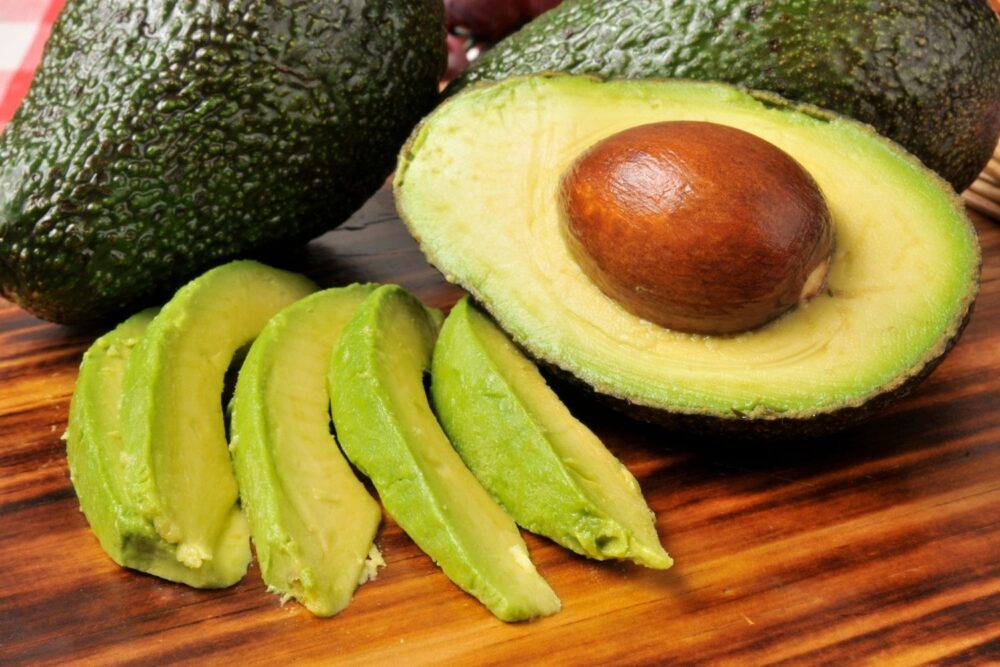
Mashed avocado is another popular alternative, not because it’s low in fat, but because its fats are mostly unsaturated. These fats are associated with better heart health when eaten in moderation, making avocado a smarter option than mayo.
Nutritionists caution that portion control still matters with avocado. However, it also adds fiber, potassium, and other nutrients mayo lacks. Experts say this swap improves the quality of fat in the meal while keeping the sandwich satisfying and flavorful.
8. Olive oil and lemon offer a lighter approach

Some food experts suggest skipping creamy binders altogether. A small drizzle of olive oil combined with lemon juice can lightly coat tuna without overwhelming it. This approach keeps saturated fat low while enhancing natural flavor.
This method encourages adding crunchy vegetables and fresh herbs for texture instead of relying on fat. Experts say it helps people rethink tuna as a fresh, balanced dish rather than a vehicle for heavy condiments, especially for everyday lunches.
9. Mustard adds flavor without the downside
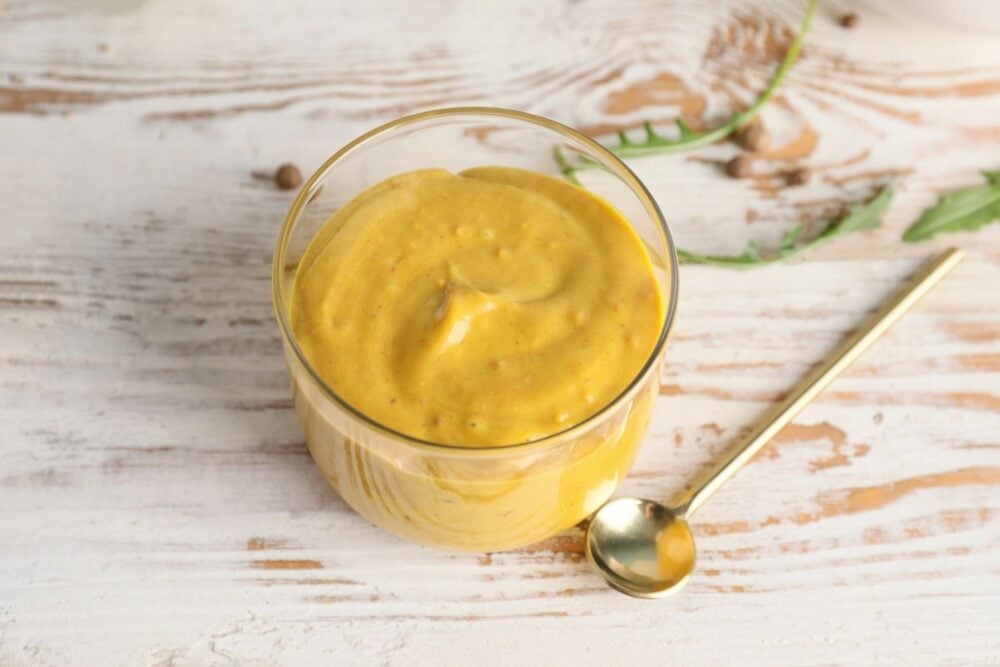
Mustard is often overlooked in tuna, but experts say it delivers strong flavor with almost no fat or calories. It works particularly well when combined with chopped vegetables, adding sharpness without heaviness.
For people trying to reduce saturated fat without sacrificing taste, mustard offers a simple solution. Nutritionists say bold flavors can reduce the desire for creamy textures, making it easier to move away from mayo without feeling like something is missing.
10. Moisture doesn’t have to come from fat
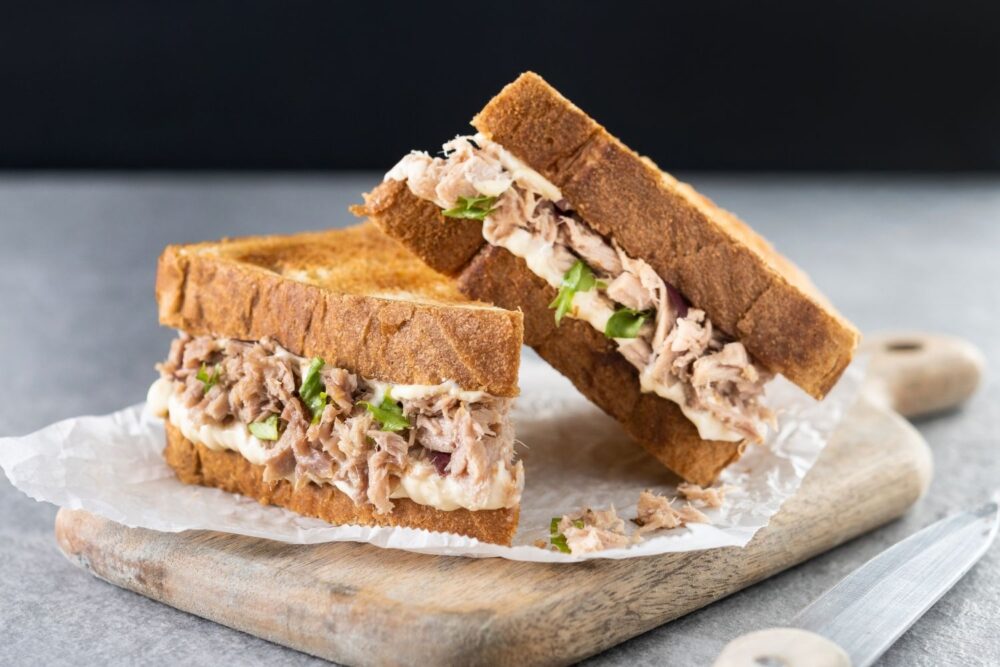
Experts note that many people use mayo to prevent tuna from feeling dry. The solution doesn’t have to involve added fat. Ingredients like cucumbers, tomatoes, roasted peppers, or even a splash of broth can add moisture naturally.
These additions also increase volume and fiber, helping the sandwich feel more filling. Food experts say focusing on texture through fresh ingredients, rather than fat, is one of the easiest ways to make tuna sandwiches healthier without sacrificing enjoyment.
11. Small changes reshape the habit
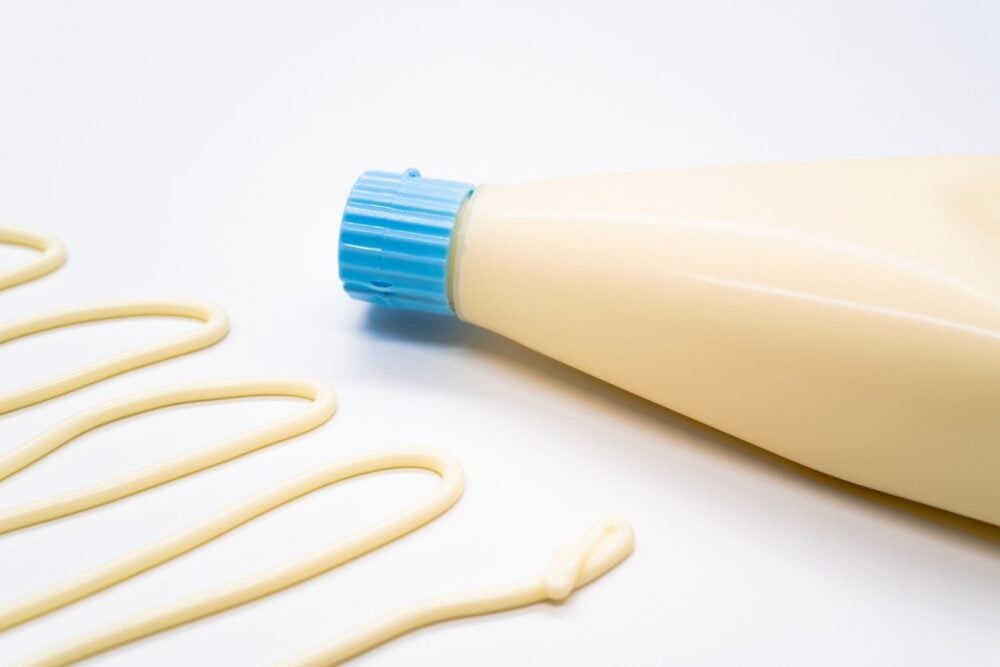
Food experts aren’t saying tuna sandwiches are unhealthy. They’re saying the automatic use of mayonnaise deserves reconsideration. When mayo is reduced or replaced, the meal better reflects why people choose tuna in the first place.
Nutrition professionals emphasize that small changes matter most when repeated. Swapping mayo even a few times a week can significantly lower saturated fat intake over time. Rethinking one ingredient can turn a “healthy idea” into a genuinely healthy routine.