
Warming seas and shifting fish populations are forcing crews farther out—and into greater danger.

Along South Korea’s coast, fishing has become increasingly perilous. Rising sea temperatures and changing ocean currents are driving fish stocks farther from shore, forcing crews to venture into rougher, more unpredictable waters. At the same time, extreme weather linked to climate change is making storms faster and more violent. Scientists and maritime officials warn that the combined pressures of a warming ocean and economic strain are putting more lives—and the country’s fishing future—at serious risk.
1. Fishing Has Become One of South Korea’s Deadliest Professions
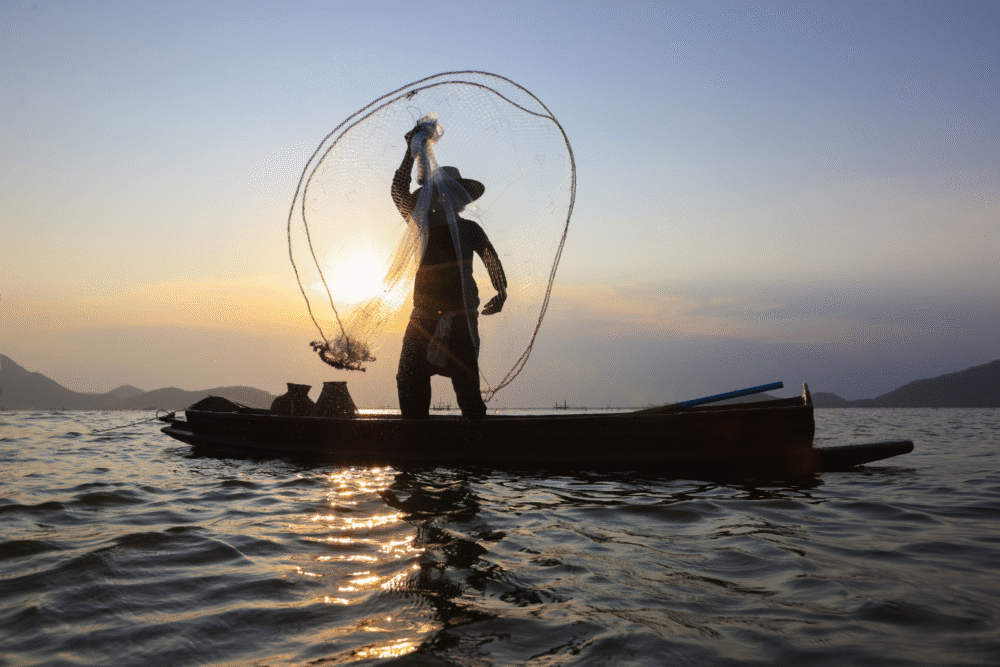
Fishing off the coast of South Korea has long been dangerous, but in recent years it has grown even more perilous. Dozens of fishermen die each year due to vessel capsizings, onboard accidents, or falling overboard. Official reports show that the fatality rate for fishing crews remains among the highest of any occupation in the country.
Experts say a combination of aging boats, overworked crews, and unpredictable ocean conditions has made fishing one of the most hazardous livelihoods in South Korea today.
2. Warming Seas Are Reshaping Korea’s Fishing Grounds

Ocean temperatures around the Korean Peninsula have been rising steadily for decades, changing where and when key species can be caught. Fish that once thrived nearshore are migrating to cooler, deeper waters farther from land.
For local crews, that means longer trips, higher fuel costs, and increased exposure to rough weather. As fish populations shift, competition intensifies — pushing fishermen to take greater risks just to make a living.
3. Climate Change Is Making Ocean Conditions More Violent
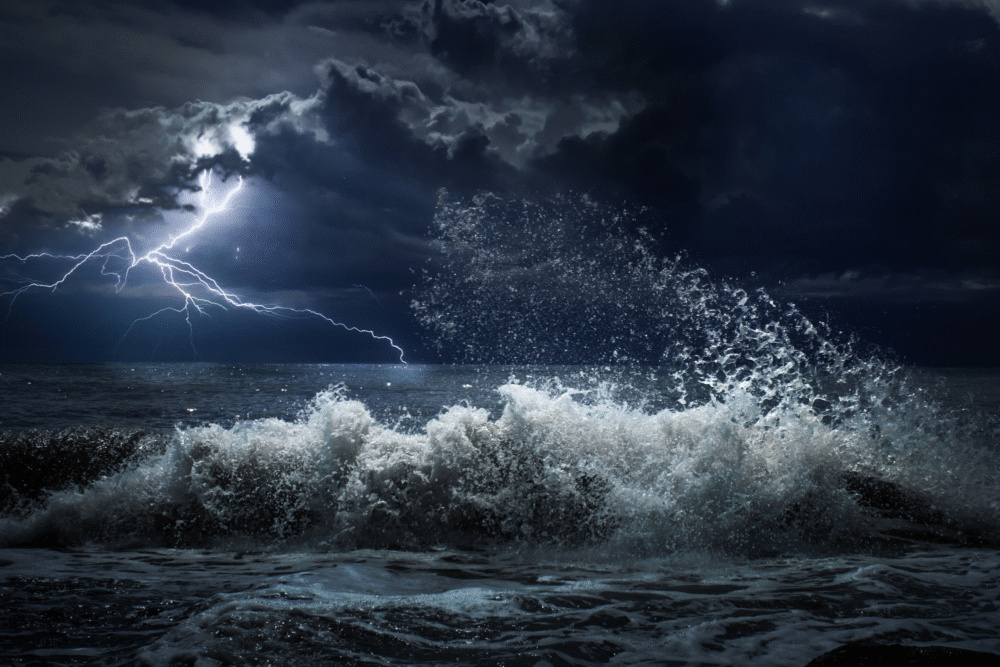
Fishermen say the seas no longer behave the way they used to. Sudden squalls, higher waves, and shifting currents have made it harder to predict weather at sea. Scientists link these changes to rising ocean temperatures and altered wind patterns tied to global warming.
When storms form more quickly and with greater intensity, smaller vessels have less time to react. Even experienced captains can find themselves in dangerous situations with little warning.
4. Longer Voyages Mean Greater Danger
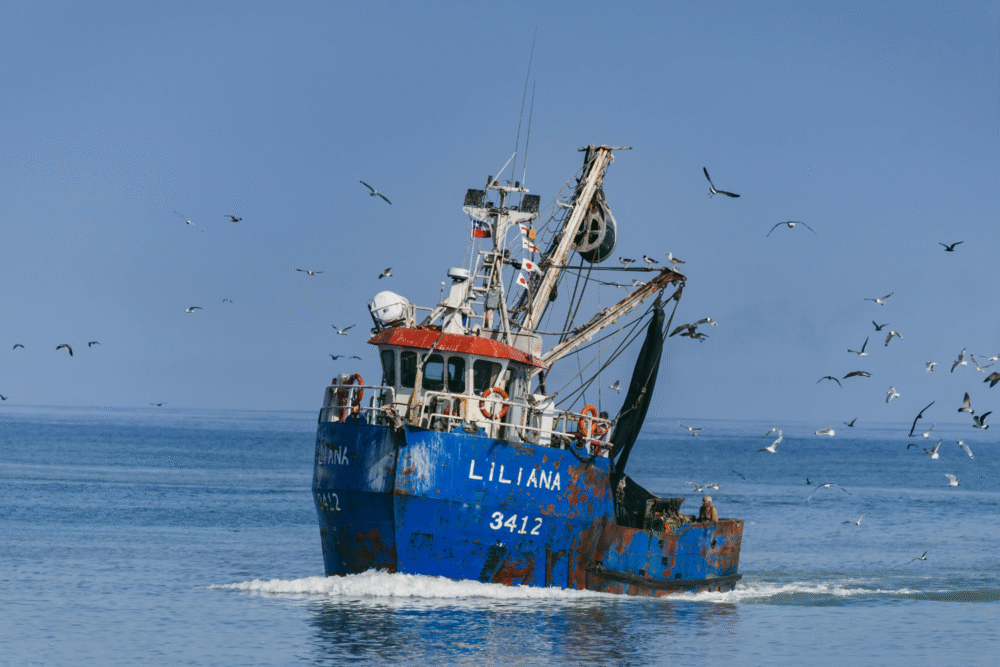
As marine species move farther offshore, South Korean fishermen are being forced into longer and more treacherous journeys. Extended time at sea increases fatigue, reduces alertness, and heightens the risk of accidents.
These trips also strain older boats that weren’t designed for deep-sea conditions. For many fishing communities, staying closer to shore is no longer an option — even when safety is at stake.
5. Overfishing and Economic Pressure Compound the Risks
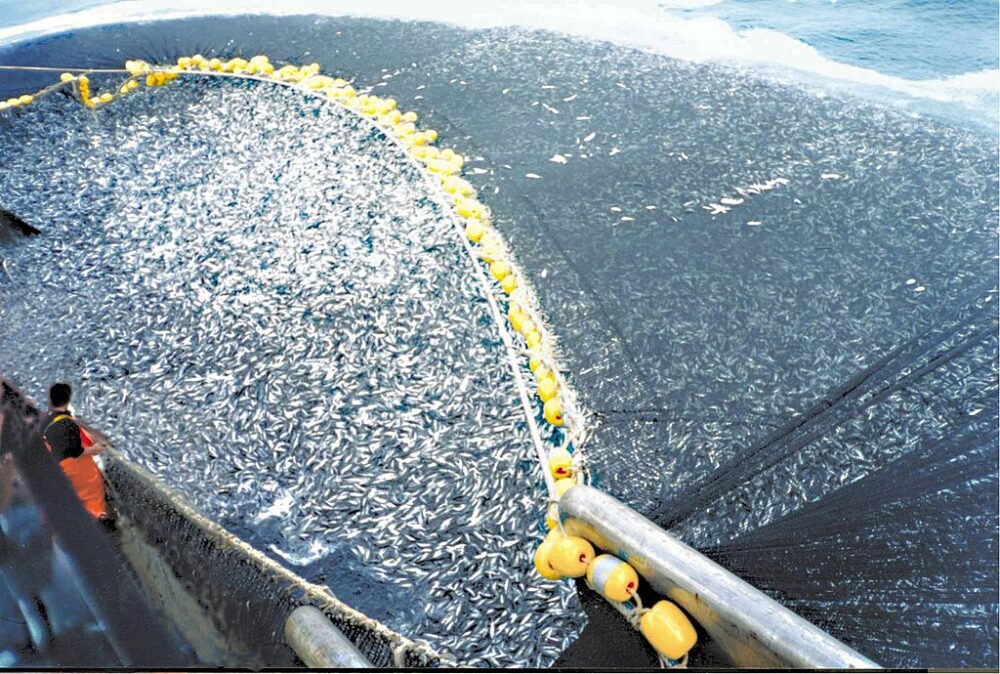
Beyond climate change, decades of overfishing have depleted many of South Korea’s coastal ecosystems. Fishermen must now travel farther and cast more nets to secure smaller catches, creating intense economic pressure on crews and vessel owners alike.
In many ports, lower incomes mean less money for safety upgrades, training, or proper rest. The financial stress of declining catches and rising fuel costs often leads to corners being cut at sea — with deadly consequences.
6. Smaller Boats Are Especially Vulnerable
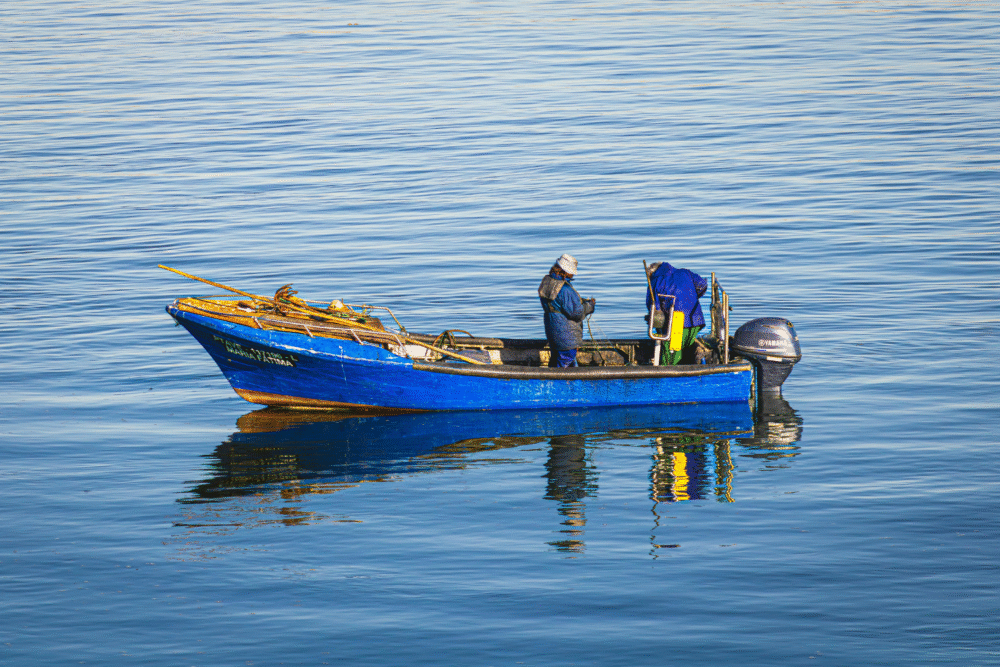
Many of South Korea’s fishing deaths occur on smaller vessels less than 12 meters long. These boats are often owner-operated, lacking advanced navigation systems or safety equipment like enclosed decks and emergency beacons.
When bad weather strikes, smaller boats can’t withstand the same wave heights or wind speeds as larger vessels. For coastal fishermen working alone or in pairs, one unexpected storm can quickly turn fatal.
7. Fishermen Are Getting Older — and Safety Training Hasn’t Kept Up
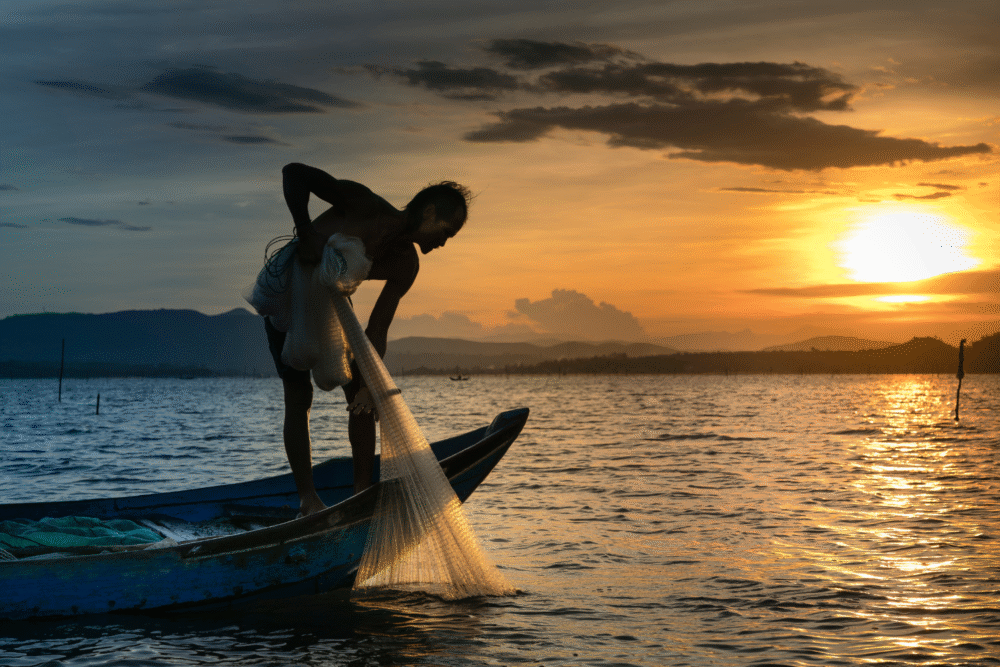
The average age of a South Korean fisherman is now well over 50, and many lack formal safety training or updated certification. Physical fatigue, slower reflexes, and outdated equipment add to the danger on board.
Government programs exist to encourage younger workers to enter the industry, but recruitment has been slow. As the workforce ages, the gap in modern safety knowledge is widening, leaving older crews more exposed to changing marine conditions.
8. Mental and Physical Stress Are Taking a Toll

Longer voyages, shrinking profits, and constant risk are fueling exhaustion and anxiety among fishing crews. Many fishermen work weeks without proper rest or medical care, leading to lapses in judgment and slower reaction times.
Experts warn that chronic fatigue and mental stress are hidden factors behind many maritime accidents. Addressing safety, they say, must also include tackling the mental health strain that comes with increasingly unstable working conditions.
9. Storm Frequency and Intensity Are Increasing
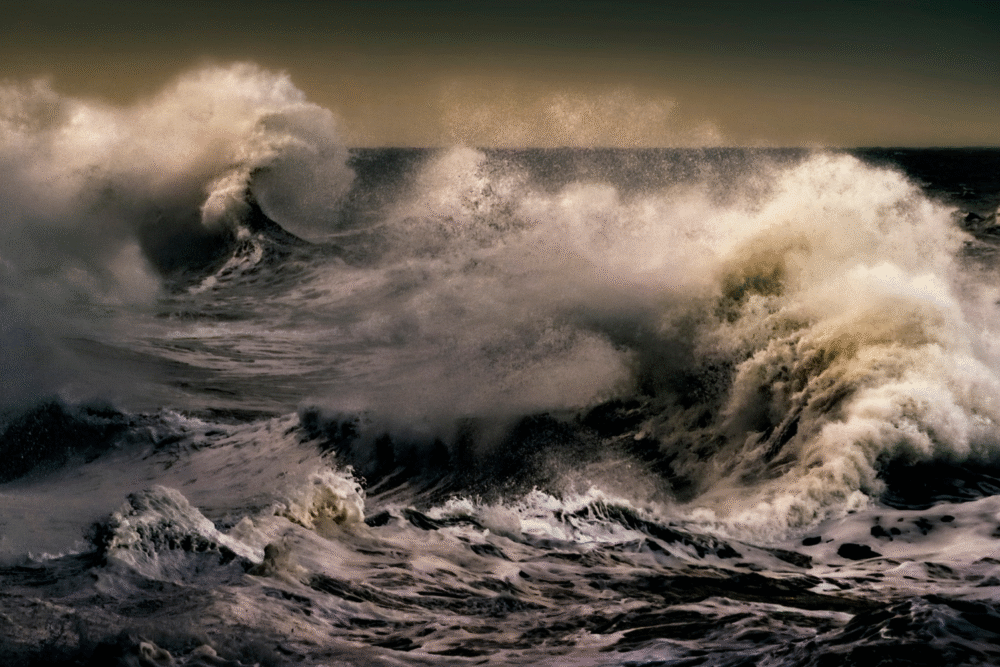
Meteorological data show that typhoons and severe storms in the region are becoming more intense, even if not always more frequent. Warmer oceans provide more energy to these systems, allowing them to strengthen quickly before reaching coastal waters.
For fishermen who rely on narrow windows of calm weather, this volatility makes planning increasingly difficult. Many report that storm patterns have become erratic, with previously safe months now seeing dangerous conditions.
10. Government Safety Efforts Are Under Pressure
South Korea has introduced stronger vessel inspections, better life-jacket requirements, and stricter training standards in recent years. However, enforcement varies, especially among small-scale fishing communities that operate independently.
Officials acknowledge that climate change is outpacing the nation’s safety infrastructure. Without additional investment in early-warning systems, rescue networks, and education, the country may struggle to reduce fatalities in a rapidly changing ocean.
11. Scientists Say the Problem Will Likely Worsen Without Action

Marine experts warn that without global reductions in greenhouse gas emissions, the conditions endangering South Korea’s fishermen will intensify. Warmer oceans, shifting species, and more violent weather are expected to grow more severe in the coming decades.
For coastal villages dependent on fishing, the combination of economic, environmental, and safety pressures could prove devastating. Scientists say that better forecasting, modernized fleets, and climate adaptation planning are urgently needed to protect those whose livelihoods depend on the sea.