
Scientists document dramatic decline in firefly species as climate change alters breeding cycles and destroys habitats.
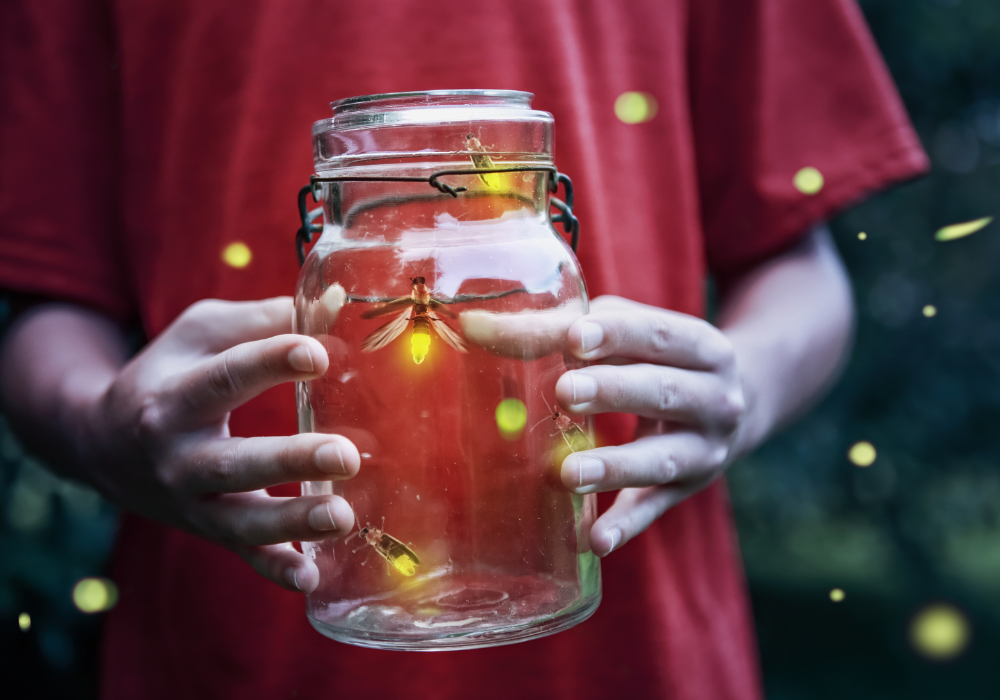
Those magical summer evenings filled with twinkling lights dancing across yards and fields are becoming increasingly rare. Firefly populations worldwide have declined by an alarming 60% over the past two decades, with scientists pointing directly to climate change as the primary culprit. Rising temperatures, shifting precipitation patterns, and extreme weather events are disrupting the delicate life cycles these insects have followed for millions of years.
From childhood wonder to crucial ecosystem functions, the loss of fireflies represents far more than just dimmer summer nights. Their decline serves as an early warning signal for broader environmental changes that could reshape the natural world as we know it.
1. Firefly populations have crashed by 60% globally as temperatures rise beyond their survival thresholds.
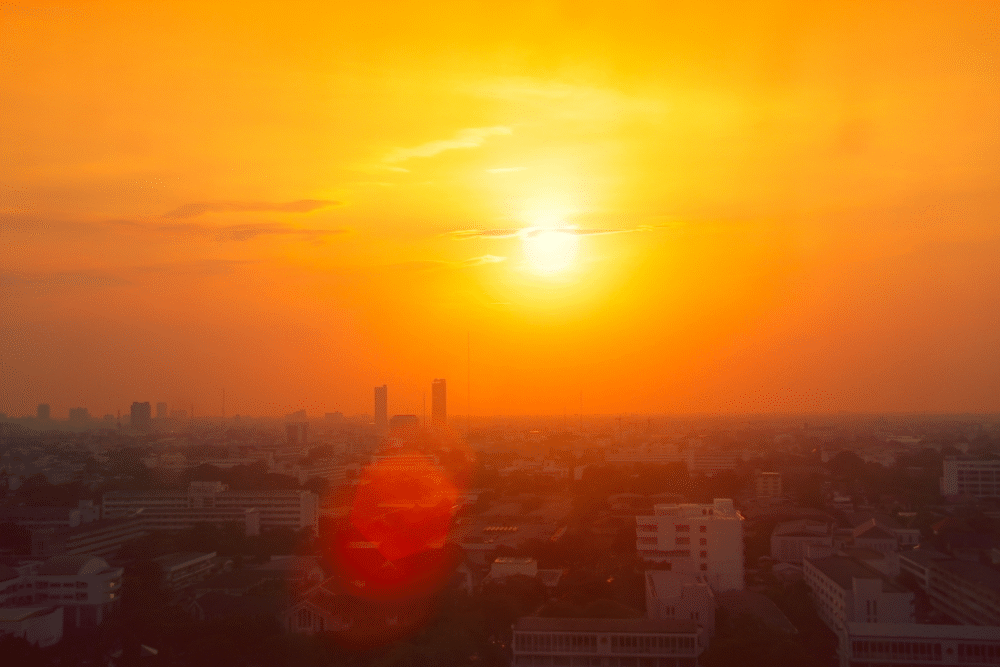
Research conducted across six continents reveals a consistent pattern of firefly decline that directly correlates with rising average temperatures. These insects are extremely sensitive to temperature changes because their entire life cycle depends on precise timing with seasonal weather patterns.
When spring arrives earlier or summer heat lasts longer, fireflies can’t adjust their breeding, feeding, and development schedules quickly enough. A study tracking 12 common firefly species found that areas experiencing the most dramatic temperature increases showed the steepest population losses.
2. Warmer nights are disrupting the mating rituals that fireflies have used for millions of years.
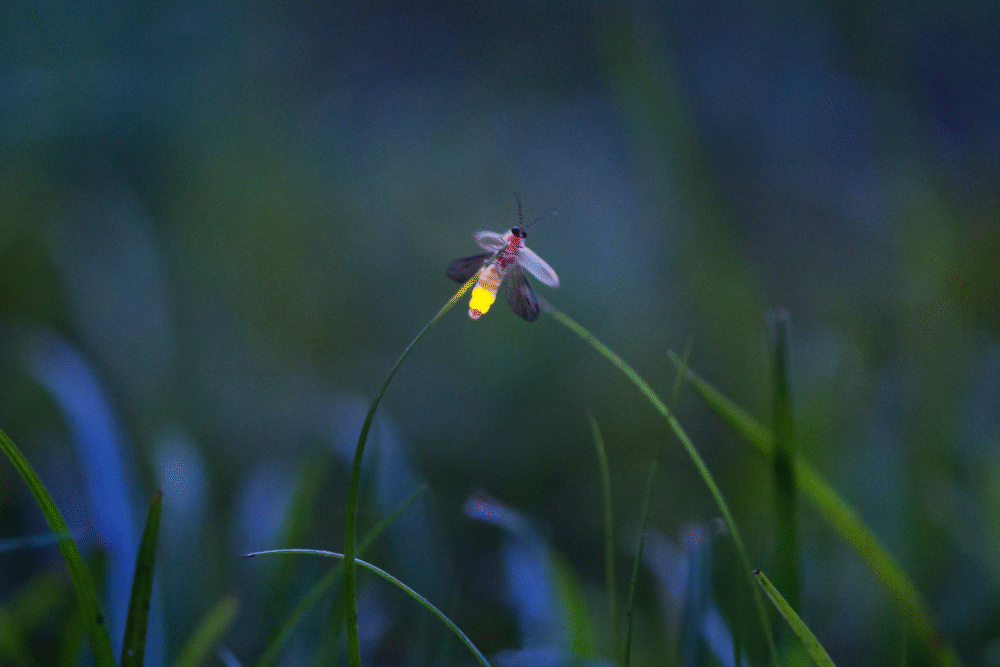
Fireflies use specific light patterns to attract mates, but these displays only work within narrow temperature ranges. When nighttime temperatures stay too warm, the insects become sluggish and their flash patterns become irregular or stop entirely.
Female fireflies often fail to recognize disrupted male signals, leading to unsuccessful mating attempts and fewer offspring. Scientists have documented cases where firefly populations in urban heat islands produce 40% fewer larvae than populations in cooler rural areas just miles away.
3. Changing rainfall patterns are destroying the wet soil conditions firefly larvae need to survive.

Firefly larvae, called glowworms, spend up to two years developing in moist soil where they hunt snails, slugs, and other small creatures. Climate change has brought more frequent droughts to many regions, causing soil to dry out during critical development periods.
When larvae can’t find adequate moisture, they either die or emerge as weakened adults with reduced reproductive success. Conversely, extreme flooding events can drown entire generations of developing fireflies before they reach maturity.
4. Earlier spring weather is throwing firefly life cycles completely out of sync with their food sources.
Many firefly species time their emergence to coincide with peak populations of the insects and snails they eat. However, climate change is causing spring to arrive 2-3 weeks earlier in many regions, while firefly development rates haven’t adapted to match.
This mismatch means adult fireflies often emerge when their preferred prey species have already peaked and declined. The resulting food shortage weakens adult fireflies and reduces their ability to reproduce successfully, creating a downward spiral in population numbers.
5. Extreme weather events are wiping out entire firefly populations in single devastating incidents.
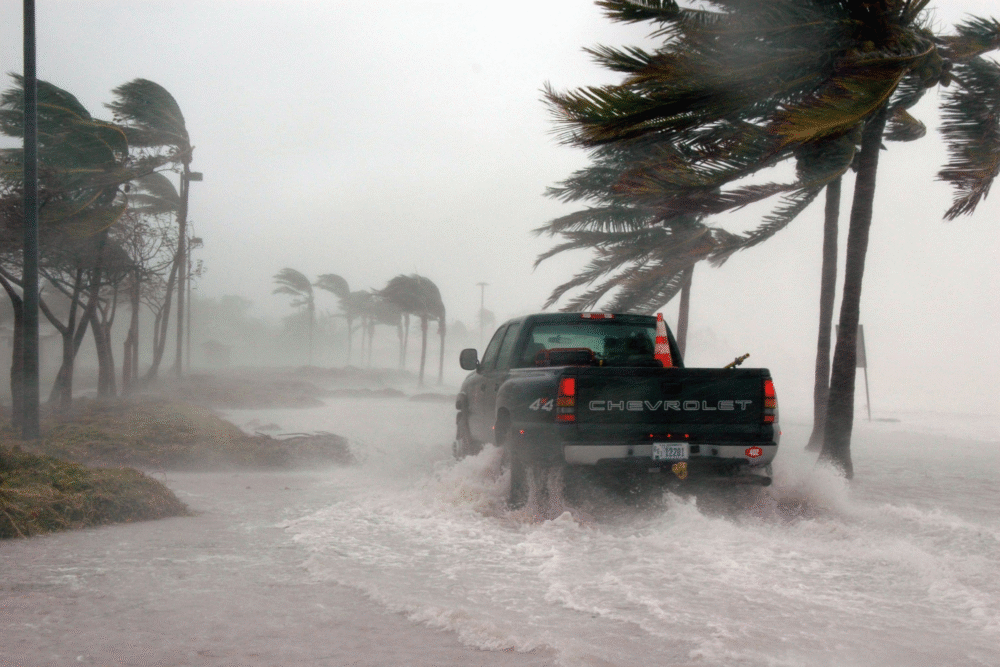
Unprecedented heat waves, severe storms, and flash flooding events are becoming more common due to climate change, often striking during vulnerable periods in firefly life cycles. A single severe storm during peak mating season can eliminate most of a local population’s reproductive effort for that year.
Heat domes that push temperatures above 100°F for extended periods can kill fireflies outright, while sudden cold snaps during unusual weather patterns can freeze insects that haven’t prepared for winter. These extreme events are hitting firefly populations faster than they can recover.
6. Rising sea levels are eliminating coastal firefly habitats that took centuries to develop.
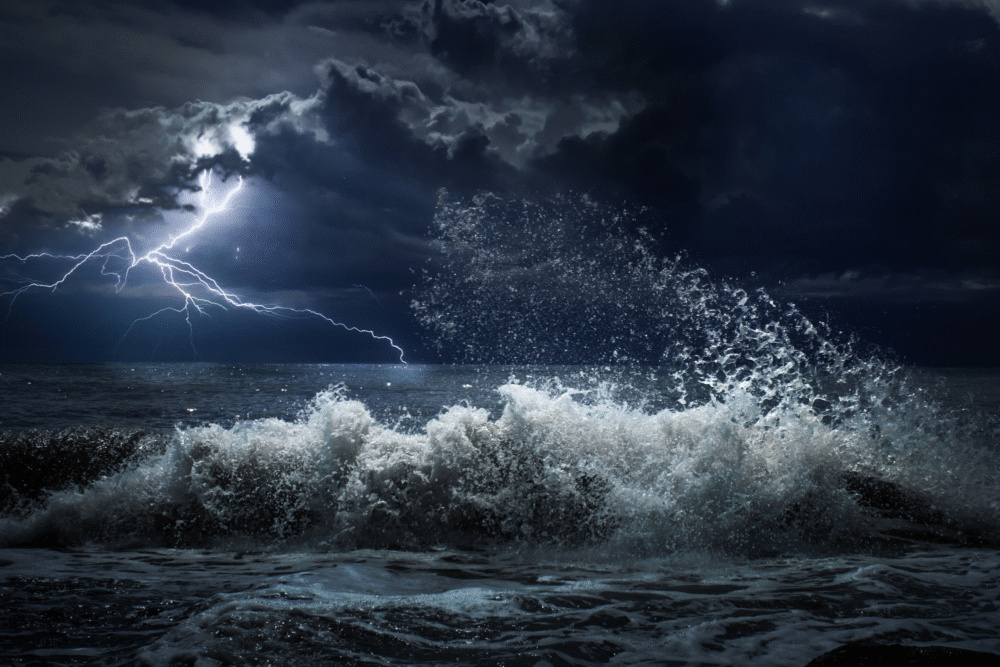
Several firefly species depend on coastal marshes, wetlands, and beach dune systems that are disappearing as sea levels rise. These specialized habitats provided the exact combination of moisture, temperature, and prey species that certain fireflies need to complete their life cycles.
As saltwater intrusion kills vegetation and changes soil chemistry, these areas become uninhabitable for fireflies and their food sources. Coastal development compounds the problem by eliminating potential inland retreat areas where fireflies might relocate.
7. Firefly reproduction rates have dropped by 75% in areas experiencing the most severe climate impacts.
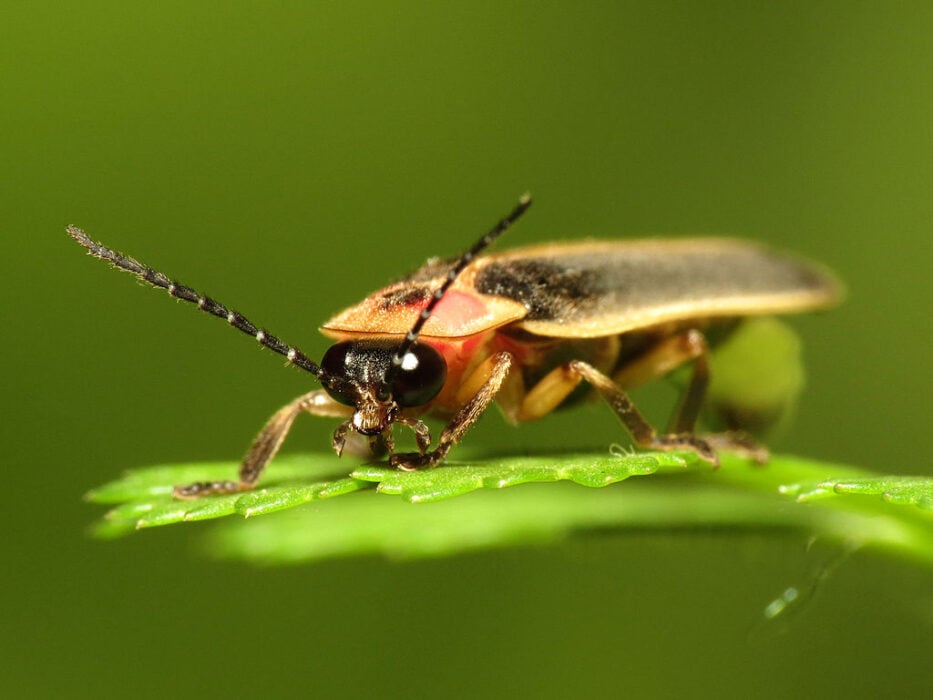
Long-term studies in regions hit hardest by climate change show dramatic reductions in firefly breeding success. Scientists tracking firefly populations in the American Southwest found that females are laying significantly fewer eggs, and a smaller percentage of those eggs are surviving to adulthood.
The combination of temperature stress, habitat degradation, and food scarcity appears to trigger biological responses that reduce reproductive investment. This creates a feedback loop where smaller populations become even more vulnerable to future climate impacts.
8. The loss of fireflies threatens pollination networks that many plants depend on for survival.
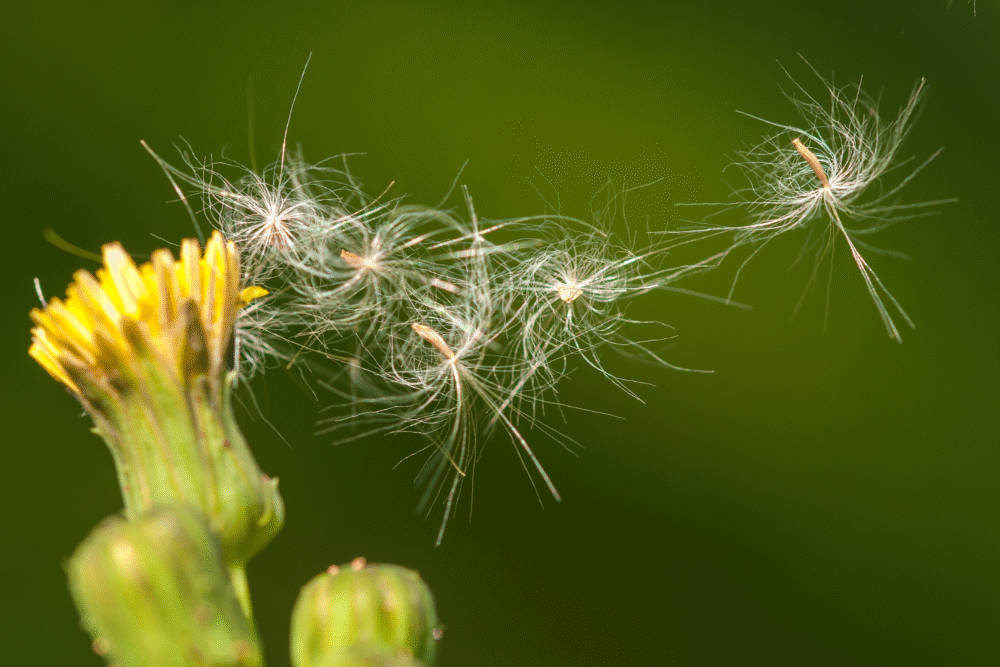
While fireflies are primarily carnivorous as larvae, many adult species feed on nectar and inadvertently pollinate flowers during their brief adult lives. Some plant species, particularly those that bloom at night, have evolved specific relationships with fireflies and other nocturnal insects.
As firefly populations decline, these plants struggle to find adequate pollinators, leading to reduced seed production and plant population declines. This creates cascading effects throughout ecosystems that depend on these plant species for food and habitat.
9. Children growing up today may never experience the wonder of firefly-filled summer evenings.

The cultural and psychological impact of firefly decline extends far beyond ecological concerns. For generations, catching fireflies has been a defining childhood experience that connects young people with nature and sparks lifelong interest in the environment.
Child psychologists note that direct nature experiences like firefly watching are crucial for healthy development and environmental awareness. As firefly populations disappear from suburban and urban areas, millions of children are growing up without these formative experiences with the natural world.
10. Firefly extinction could signal the collapse of nighttime ecosystem networks worldwide.

Fireflies serve as indicator species for the health of nocturnal ecosystems that include bats, night-flying moths, and other creatures active after dark. Their decline suggests broader problems affecting all nighttime wildlife, from light pollution to habitat fragmentation to climate disruption.
Scientists worry that losing fireflies could trigger a domino effect where other nocturnal species lose important food sources, predators, or ecological relationships. The interconnected nature of nighttime ecosystems means firefly extinction could unravel entire biological communities.
11. Some firefly species are adapting to climate change, but most cannot evolve quickly enough.
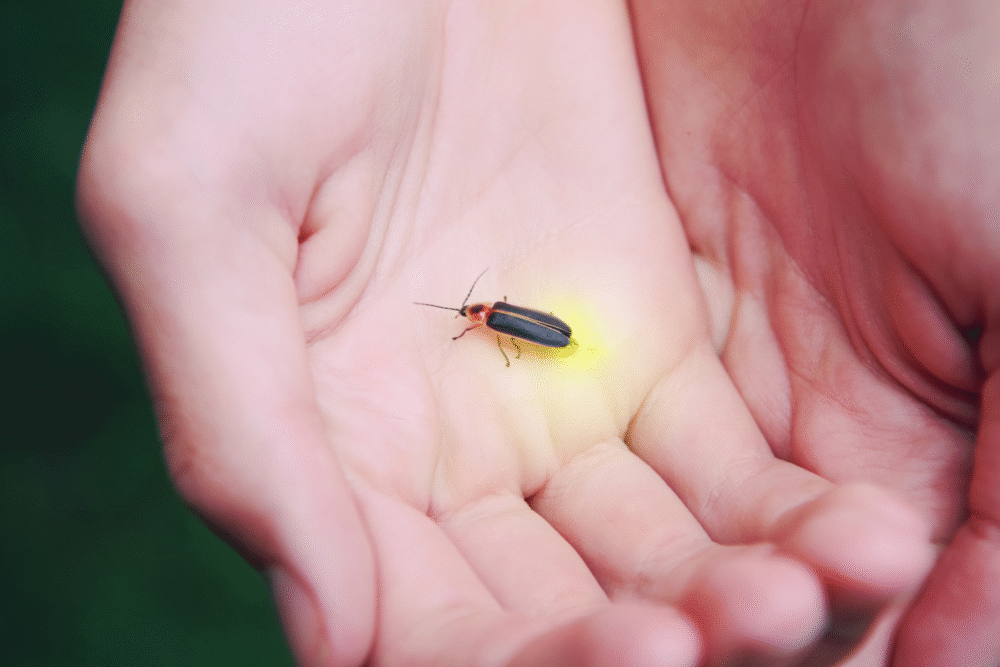
A few firefly populations in rapidly warming regions have shown signs of adaptation, such as shifting their active periods to cooler parts of the night or adjusting their breeding seasons. However, the pace of climate change far exceeds the rate at which most firefly species can evolve new survival strategies.
Genetic studies suggest that most firefly species would need hundreds of years to develop adequate climate adaptations, while environmental changes are happening within decades. This evolutionary mismatch leaves most populations vulnerable to extinction as their environments become uninhabitable.
12. Conservation efforts are racing against time to protect remaining firefly populations and habitats.

Scientists and conservationists are implementing emergency measures to preserve firefly populations before climate impacts become irreversible. These efforts include creating climate-controlled breeding facilities, protecting and restoring critical habitats, and establishing corridors that allow fireflies to migrate to more suitable areas.
Some communities are reducing light pollution and maintaining firefly-friendly landscaping to support local populations. However, experts emphasize that these conservation measures can only succeed if broader climate action reduces the pace of environmental change that’s driving firefly populations toward extinction.