
Scientists reveal how changing weather patterns can influence mood, energy, and mental health more than you might expect.

Some days you wake up ready to take on the world, and other days it feels like you’re dragging through fog—mentally and physically. While it’s easy to blame stress, sleep, or diet, the weather outside your window could be quietly pulling strings on how you feel.
From shifts in sunlight to swings in temperature, changes in the atmosphere can ripple through your brain chemistry in ways you might not expect. Understanding this connection won’t make you immune to bad moods, but it can help you work with the forecast instead of feeling blindsided by it.
1. Less sunlight can sap your brain’s feel-good chemicals

Sunlight triggers the release of serotonin, a neurotransmitter linked to mood, focus, and calm. When daylight hours shrink, so can your serotonin levels, making you feel sluggish or down. That’s why shorter winter days often bring the “blahs.” If you notice your mood dipping, spend more time outdoors in natural light or try a light therapy lamp.
Even a short walk in the morning sun can help reset your body’s internal clock and give your brain the boost it needs to feel more balanced and energized.
2. Rising humidity can leave you feeling drained
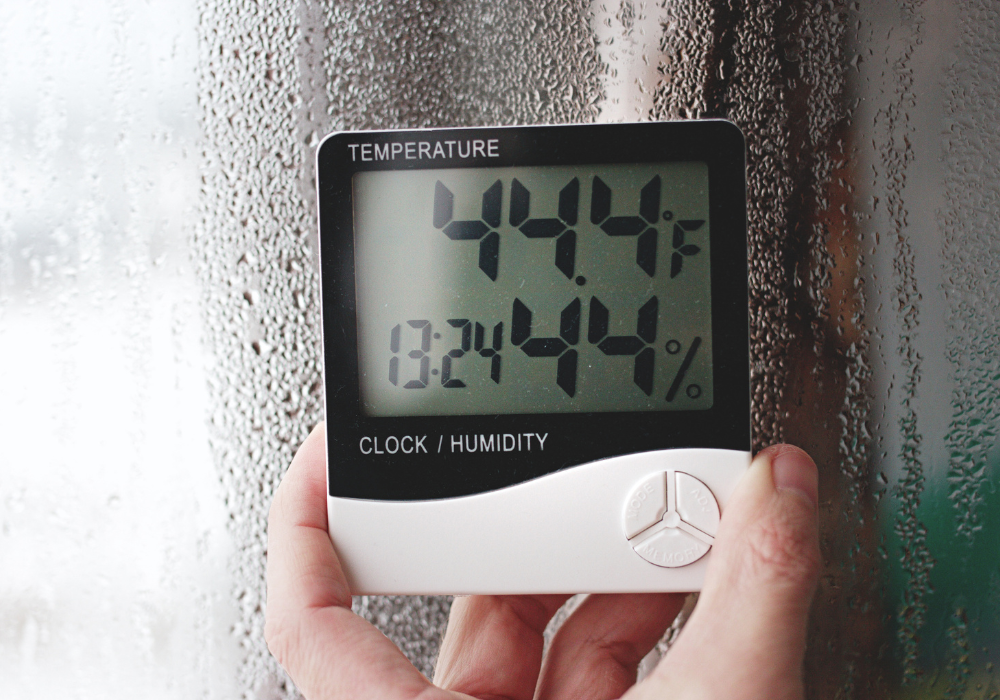
High humidity doesn’t just make you sweaty—it can also make you feel more tired and irritable. Your body has to work harder to cool down when the air is saturated with moisture, which can lead to fatigue and a drop in motivation.
Some people also find that headaches or brain fog set in during muggy weather. Staying hydrated, using a dehumidifier indoors, and keeping your living space cool can help you avoid the sluggishness that comes with sticky air.
3. Sudden temperature drops can spark joint pain and stiffness

Ever feel like your knees or back “predict” the weather? There’s science behind that. Sudden drops in temperature and changes in barometric pressure can cause tissues to expand or contract, triggering discomfort in joints and muscles. This can make you less inclined to move, which in turn can affect your mood.
Light stretching, gentle exercise, and keeping warm can help reduce the stiffness, making it easier to stay active and keep your energy levels up when the weather turns chilly.
4. Stormy weather can increase feelings of anxiety

Heavy storms and rapid weather changes can trigger a stress response in your body, even if you’re indoors and safe. The loud noises, flickering lights, and shifts in atmospheric pressure can nudge your nervous system into high alert.
For some, this results in restlessness or a racing mind. If stormy conditions make you uneasy, grounding techniques like deep breathing or listening to calming music can help. Remember, your body is wired to respond to environmental changes—it’s a survival mechanism, not a sign of weakness.
5. Heat waves can shorten your patience and focus

Extreme heat puts physical stress on your body, which can make you feel more irritable and less able to concentrate. Your brain prioritizes cooling you down over deep thinking, so it’s normal to feel mentally sluggish during a heat wave.
Staying hydrated, taking cool showers, and avoiding intense tasks during the hottest parts of the day can help. If possible, schedule demanding mental work for early mornings or evenings, when temperatures are lower and your brain has more bandwidth to perform.
6. Windy days can stir up restlessness

Strong winds can raise levels of certain ions in the air, which some studies suggest may influence mood and irritability. While the science isn’t definitive, many people notice they feel more unsettled on especially blustery days.
Does wind seem to throw you off. Try channeling that restless energy into movement—like going for a brisk walk—or into a creative task that keeps your mind engaged. Sometimes using the weather’s “edge” to your advantage can keep it from tipping you into irritability.
7. Air pressure changes can trigger headaches

Shifts in barometric pressure—often before storms—are a common trigger for headaches and migraines. When pain hits, it’s easy to feel frustrated or unmotivated, which can lead to a dip in mood. If you’re prone to weather-related headaches, keeping track of pressure changes through a weather app can help you prepare.
Staying hydrated, managing stress, and limiting screen time on high-risk days can also make a difference in preventing or reducing the severity of those pressure-induced headaches.
8. Seasonal shifts can disrupt your sleep

Your body’s internal clock, or circadian rhythm, relies on light cues to regulate sleep. When the seasons change, so do those cues—and your sleep patterns may take a hit. Poor sleep directly impacts mood, focus, and energy levels.
If you notice changes in your rest during seasonal transitions, stick to a consistent bedtime, avoid screens an hour before bed, and expose yourself to morning light as soon as you can. These small adjustments can help your sleep adapt more smoothly to the changing daylight hours.
9. Poor air quality can affect your mental clarity

When air pollution levels rise—whether from smog, wildfire smoke, or other sources—it doesn’t just affect your lungs. Studies suggest poor air quality can impact brain function and increase inflammation, which can influence mood.
If you live in an area with fluctuating air quality, consider using an air purifier indoors and checking the daily air quality index before outdoor activities. Protecting yourself from polluted air can keep both your body and your mind functioning at their best.
10. Rapid weather swings can throw off your routine

When the forecast changes drastically from day to day, it can make it harder to stick to healthy routines. You might skip a workout because of sudden rain, or stay indoors more than usual during a cold snap. These disruptions can subtly affect your mood over time.
Having “all-weather” versions of your favorite activities—like indoor workouts, cozy reading nooks, or creative hobbies—can help you maintain consistency and protect your mental balance, no matter what’s happening outside.
11. Long stretches of gray skies can dull your motivation

Cloudy days filter out the bright, energizing light that helps regulate your mood and alertness. Without enough light exposure, you might feel more lethargic and less motivated. This effect can compound if gray skies linger for weeks.
If you live in a cloudy climate, find ways to bring more light into your day—sit near windows, use mirrors to reflect light, or invest in a daylight lamp. Keeping your environment bright and inviting can counteract the gloom and help you stay mentally engaged.