
Rising risks to global networks have specialists warning the public to prepare for large-scale disruptions.

Experts say growing threats to undersea cables, rising cyberattacks, and the fragility of global internet infrastructure could lead to an outage far larger than anything people are used to. They warn that most individuals and businesses have no real backup plan if major networks fail. Because banking, communication, work systems, and emergency services depend heavily on constant connectivity, even a temporary disruption could have widespread consequences. Officials say preparing now is essential, even though most people assume the internet will always stay online.
1. Global Internet Infrastructure Is More Fragile Than People Realize
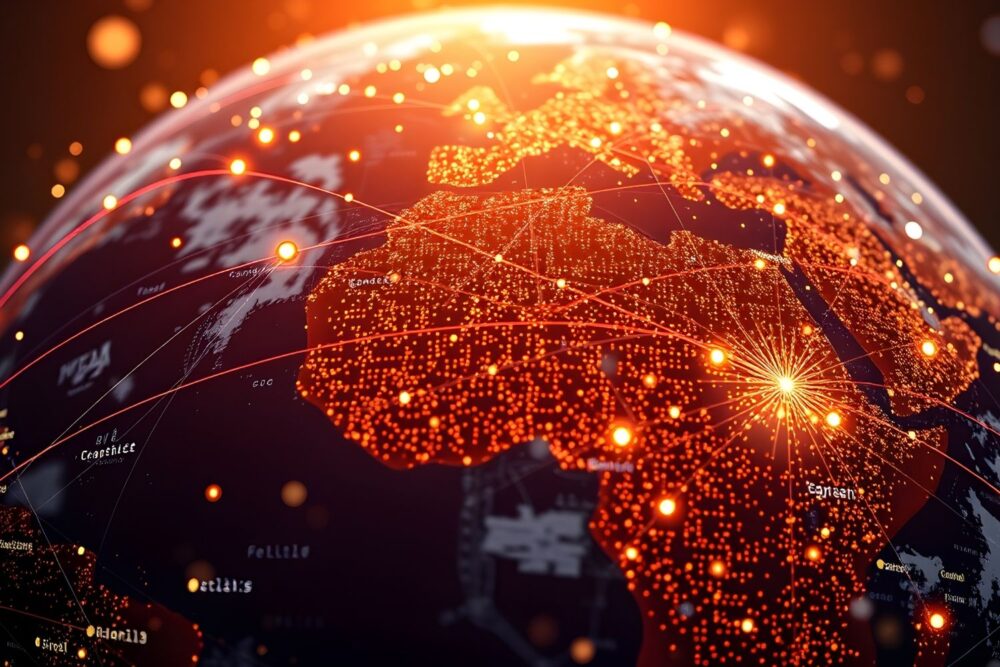
Experts explain that the global internet relies on thousands of physical systems that are far more vulnerable than most people know. These include data centers, fiber networks, electrical grids, and satellites that must work together for the internet to stay online. Much of this equipment is aging and operated by different companies and governments that do not always coordinate.
Because the infrastructure is so complex, failures in one region can quickly spread and cause problems elsewhere. Specialists say this interconnectedness increases the risk of widespread outages if key nodes go offline unexpectedly.
2. Undersea Cables Carry Almost All Global Data
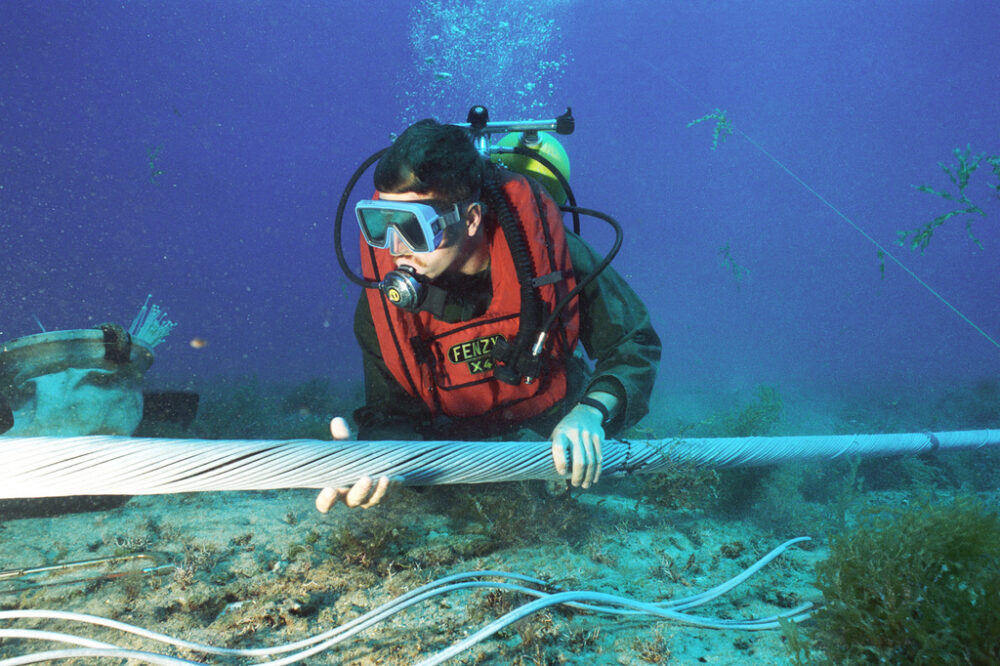
Although many assume most internet traffic goes through satellites, experts note that underwater fiber-optic cables handle more than 95 percent of international data. These cables stretch across ocean floors and connect major continents, forming the backbone of global communication. Damage can occur from fishing equipment, ship anchors, earthquakes, or intentional sabotage.
If several cables were disrupted at once, large parts of the world could experience slowdowns or complete outages. Since repairs require specialized ships and calm seas, restoring service could take days or even weeks.
3. Cyberattacks on Critical Networks Are Increasing

Cybersecurity experts warn that cyberattacks aimed at major internet infrastructure are becoming more frequent and more sophisticated. Attackers now target routers, backbone providers, data centers, and domain services that keep traffic flowing. If one of these core systems is compromised, large portions of the internet could become unreachable.
Because many systems run on outdated software or lack strong protections, attackers may exploit weaknesses quickly. Experts say a well-coordinated attack could disrupt service for millions of users before networks can respond effectively.
4. A Solar Storm Could Knock Out Communications

Scientists warn that powerful solar storms have the potential to interfere with satellites, navigation systems, and electrical grids. A strong enough geomagnetic event could disrupt electronics and damage transformers that support internet infrastructure. While rare, major solar storms have occurred in the past and are difficult to predict.
If such an event hit today, it could cause widespread outages and disrupt connectivity across multiple continents. Experts say preparation is important because a severe event could take significant time to repair.
5. Power Grid Failures Can Trigger Internet Collapse
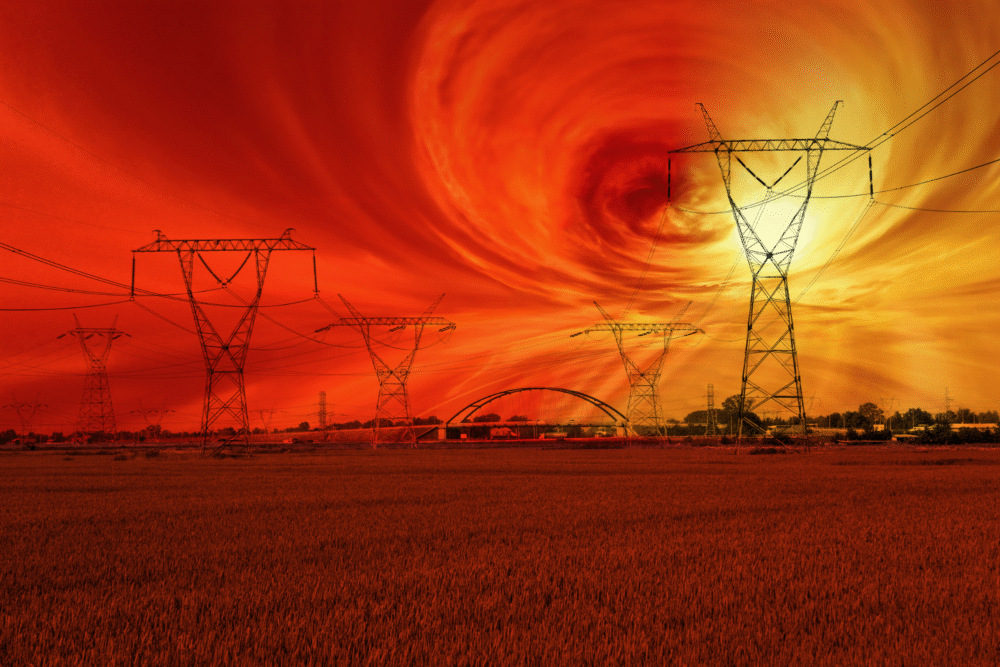
The internet depends heavily on stable electricity. If major power grids fail due to storms, heat waves, cyberattacks, or equipment breakdowns, data centers and network systems may be forced offline. Backup generators help, but they can run out of fuel during prolonged outages.
Experts note that large-scale blackouts can quickly cascade through communication networks, making it difficult for emergency services, businesses, and households to operate. Without reliable power, internet access becomes limited or unavailable for extended periods.
6. Most People Have No Backup Plan If the Internet Fails

Despite how much daily life depends on connectivity, experts say few households or businesses have a plan for extended internet loss. Banking, navigation, communication, work, education, and health services all rely on stable connections. Without access, many people would struggle to complete even basic tasks.
Because society has grown so dependent on digital systems, losing the internet could create significant confusion and disruption. Specialists emphasize that preparing ahead of time is essential, especially for those who rely on cloud-based tools or remote services.
7. Emergency Response Systems Rely on the Internet

911 centers, hospitals, emergency alerts, and disaster-response teams all require working communication networks. Experts warn that a major outage could slow or block critical information from reaching first responders. In a crisis, delays of even minutes can affect outcomes.
Many emergency systems have backup methods, but they are not designed for long periods without internet access. If outages persist, coordination becomes far more difficult, putting additional pressure on agencies already handling emergencies.
8. Financial Transactions Could Be Disrupted

Modern banking depends on constant connectivity, from credit card transactions to ATM withdrawals and online payments. Experts say a major outage could limit access to money, disrupt payroll systems, and interfere with financial markets. Even short breaks in service might cause delays that ripple across global systems.
Because so much commerce is digital, businesses could face immediate challenges. The longer an outage lasts, the harder it becomes to complete essential transactions and maintain supply chains.
9. Work, Education, and Communication Would Be Impacted

Remote work, online schooling, telehealth appointments, and basic communication all depend on the internet. Experts say that if service goes offline, millions of people would be unable to work, attend classes, or communicate with family and coworkers.
Businesses relying on cloud services might lose access to critical files and tools. The sudden pause in productivity could create significant financial strain, especially for companies with limited offline alternatives.
10. Experts Urge Updating and Protecting Key Systems

Because the internet is so essential, specialists recommend strengthening infrastructure, improving cybersecurity, and investing in more resilient networks. Many systems need modern upgrades to withstand growing threats from attacks, natural disasters, and aging equipment.
Experts say taking action now reduces the risk of widespread outages in the future. Better protections, stronger backups, and improved coordination between providers can help keep the internet stable during emergencies.
11. Preparation Is Key as Risks Continue to Grow

Experts stress that while a full internet collapse is unlikely, large-scale outages are becoming more possible due to rising threats. They encourage households and organizations to create basic plans, such as offline backups, alternative communication methods, and temporary work arrangements.
By preparing ahead of time, people can reduce the impact of disruptions and stay more resilient. As dependence on the internet grows, experts say readiness is essential to avoid major challenges if significant outages occur.