
Why the race for lithium power raises urgent issues for sustainability and global supply chains.
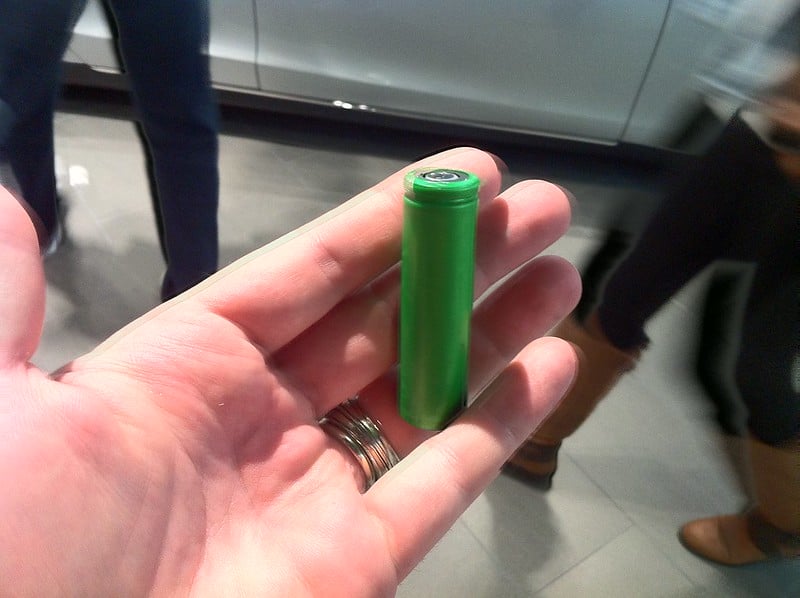
Lithium has become the golden child of the clean energy revolution. It powers electric vehicles, fuels massive battery storage, and supports our shift away from fossil fuels. But the rush to mine this “white gold” has its downsides—many of which are quietly unfolding far from headlines. Beneath the eco-friendly sheen lies a tangle of environmental, social, and ethical concerns that could reshape how we think about sustainability.
Experts warn that unchecked lithium extraction may trade one crisis for another, with consequences rippling across communities and ecosystems. The world may want lithium—but we need to ask at what cost.
1. Lithium mining requires massive amounts of water in already dry regions

Extracting lithium from salt flats and brines uses enormous quantities of water—up to 500,000 gallons per ton of lithium. Many of the world’s richest reserves are located in arid regions like Chile’s Atacama Desert, where indigenous communities already face water scarcity. As lithium demand skyrockets, these areas are being drained of vital groundwater, threatening agriculture and local ecosystems.
While lithium may fuel green technology, its water footprint is anything but sustainable. Critics argue we’re solving one climate problem while worsening another—especially for the people who rely on that water for survival.
2. Toxic chemicals used in lithium processing can contaminate ecosystems

Lithium extraction often involves chemicals like sulfuric acid, which can leak into soil and waterways if not carefully managed. These spills are not uncommon in mining operations, especially in regions with lax environmental regulations. Contaminated water can destroy aquatic life, harm livestock, and poison drinking supplies for local populations.
This risk undermines the idea of lithium as a clean alternative and raises tough questions about how green our green energy future really is. Environmental watchdogs are increasingly calling for stricter oversight to protect fragile ecosystems from irreversible damage.
3. Mining operations threaten indigenous lands and cultures

Many lithium reserves lie beneath indigenous territories in South America, Australia, and the U.S. Mining companies often strike deals with governments that bypass community consent or offer minimal compensation. These operations can displace families, disrupt sacred lands, and permanently alter local ways of life.
While some tribes have successfully negotiated benefits or halted projects, others find themselves fighting billion-dollar industries with limited legal or political support. The global race for lithium puts vulnerable populations at risk of being bulldozed—literally and figuratively—in the name of progress.
4. Lithium extraction can trigger serious soil degradation
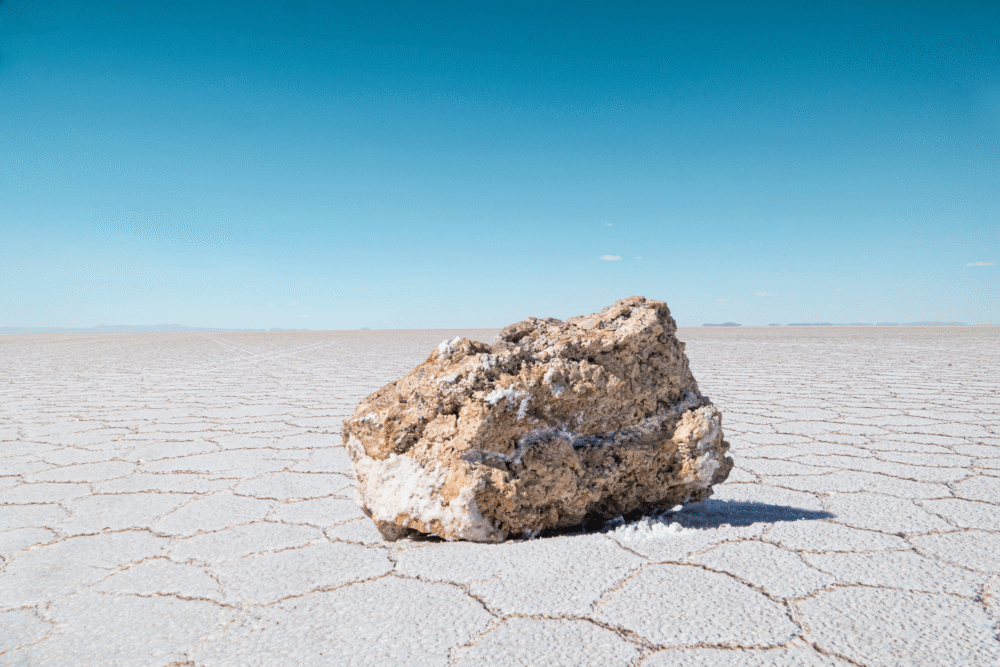
Lithium mining—especially from hard rock sources—requires clearing large tracts of land and stripping away topsoil, which can destroy native vegetation and reduce biodiversity. Over time, this leads to erosion, desertification, and long-term damage to local agriculture. Once-rich soils become barren, making it difficult for the land to recover even after mining stops.
This isn’t just an environmental issue—it’s an economic one too, especially for farming communities already living on the margins. As lithium demand grows, so does the risk of sacrificing healthy soil for short-term gains.
5. The carbon footprint of lithium mining is larger than you think
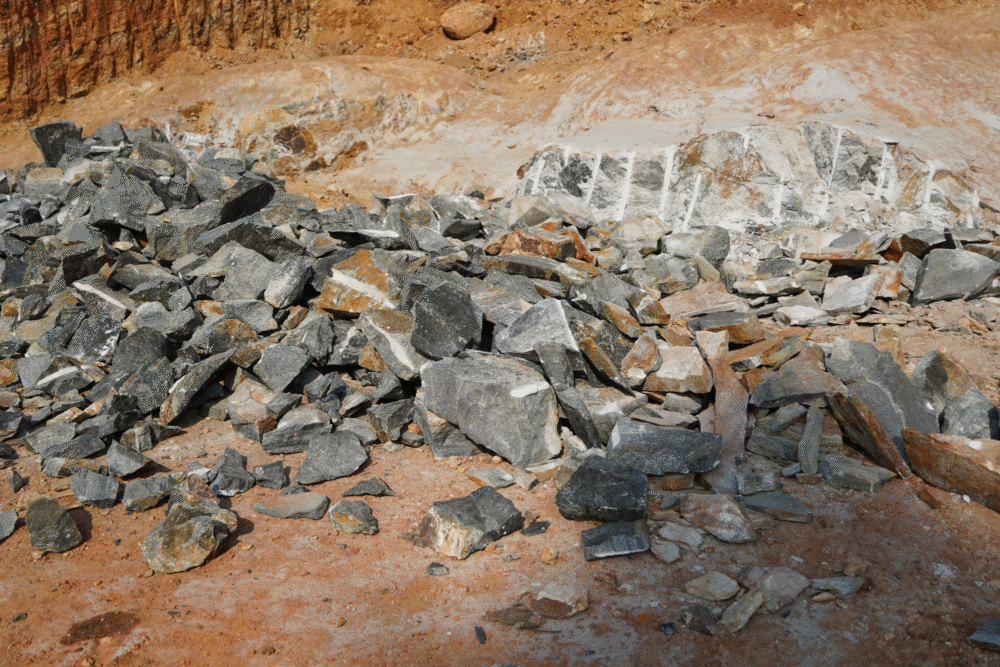
Despite its role in clean energy, lithium doesn’t come emission-free. Mining, transporting, and processing the metal requires large amounts of fossil fuel energy—especially in countries reliant on coal-powered grids. Some studies show that electric vehicles can take years to “break even” in terms of emissions due to battery production.
If we don’t decarbonize lithium supply chains, we risk locking in a dirty backend to our clean tech. Climate advocates stress that how we mine lithium is just as important as how we use it.
6. Global demand is fueling unsustainable mining practices
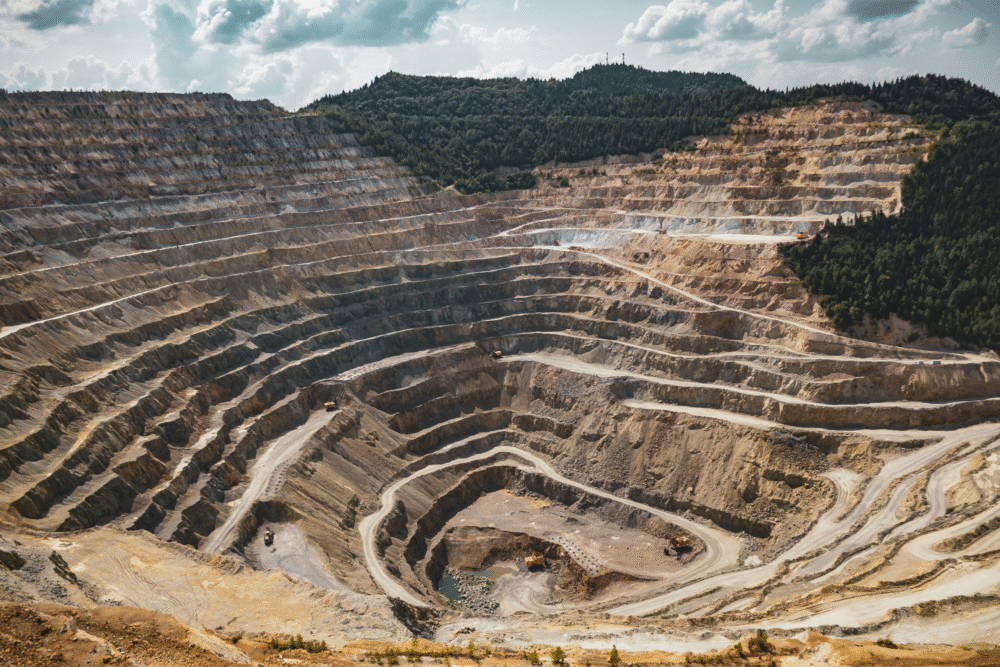
As the lithium market booms, pressure to deliver fast and cheap supply leads to corner-cutting and environmental shortcuts. This includes over-extraction, inadequate safety measures, and weak regulatory enforcement—especially in countries competing for foreign investment. Mining companies may ignore long-term consequences in favor of immediate profits.
The result is often irreversible environmental damage and growing public backlash. Sustainable mining is possible, but right now, the race to meet demand is pushing ethical and ecological boundaries to the breaking point.
7. Lithium extraction can lead to the collapse of local agriculture
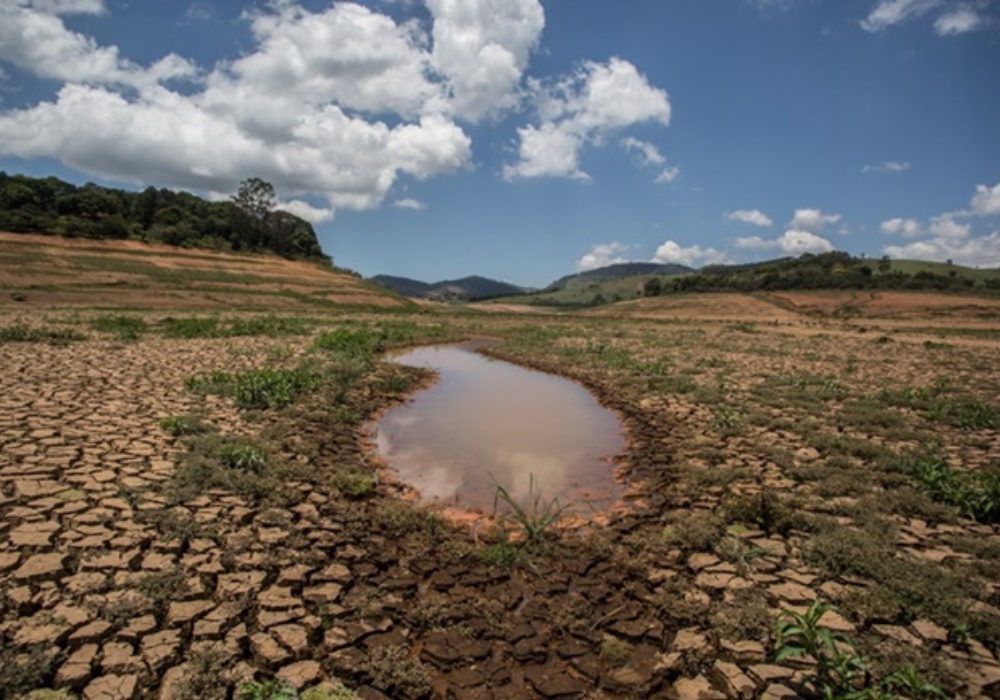
Communities near lithium mines often rely on farming for income and food. But mining can drain irrigation supplies, contaminate soil, and introduce pollution that destroys crops. In Argentina’s lithium-rich Salinas Grandes region, farmers have reported water shortages and decreased harvests since mining began.
As land becomes less fertile and water more scarce, families are forced to abandon their fields and seek other livelihoods—if any exist. This economic displacement deepens inequality and raises questions about who really benefits from the lithium boom.
8. There’s a growing risk of greenwashing in the lithium industry
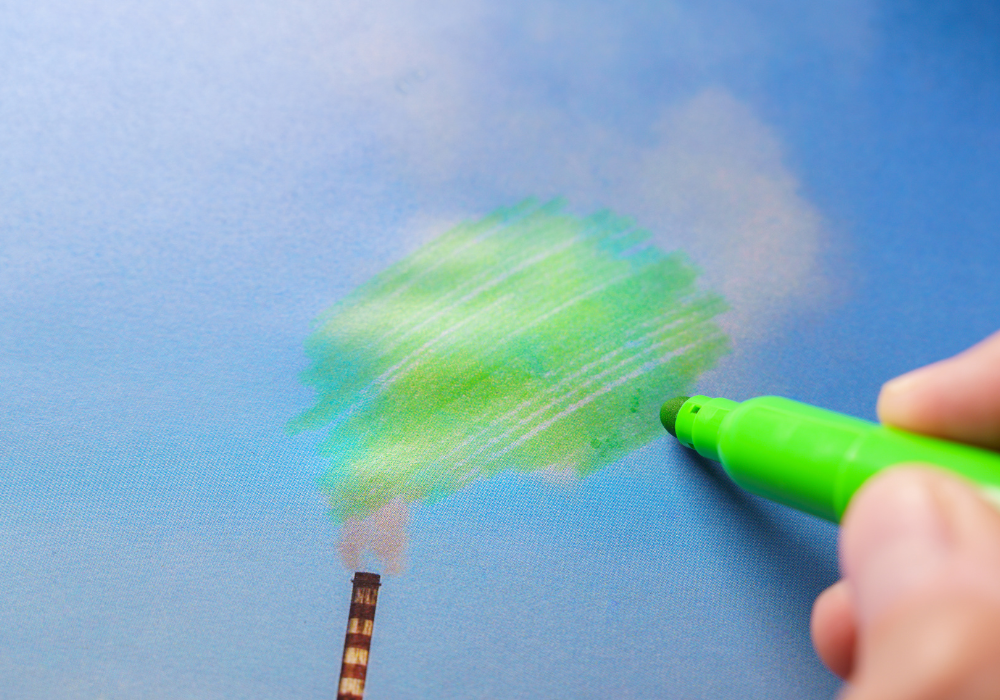
Many companies promote their lithium products as “sustainable” or “eco-friendly” without disclosing the environmental and social costs of extraction. This form of greenwashing misleads consumers into thinking that all electric cars or batteries are inherently good for the planet. But without transparency and accountability, these labels are little more than marketing.
Activists argue that true sustainability requires full life-cycle assessments—from mine to market—so people can make informed decisions. Otherwise, we’re just trading fossil fuel propaganda for a new, shinier version.
9. Discarded lithium batteries pose a growing waste problem
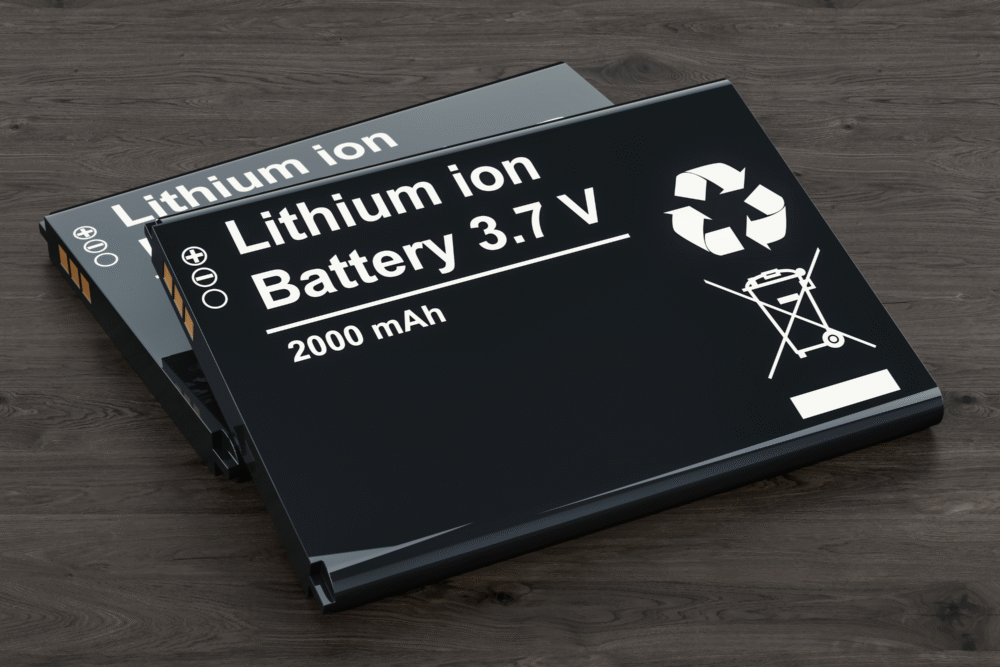
Used lithium-ion batteries from phones, laptops, and electric vehicles are piling up—and we don’t have effective recycling systems in place. Most end up in landfills or are incinerated, leaking toxic chemicals into the environment. Only a small fraction is recycled, largely due to high costs and limited infrastructure.
If we don’t build a global strategy for battery recovery and reuse, we risk creating a new kind of pollution crisis. Experts warn that we’re running out of time to close the loop on lithium before the waste overwhelms us.
10. Child labor and human rights abuses remain in the supply chain

While lithium itself isn’t typically mined by children, associated battery materials like cobalt often are. Cobalt is used in lithium-ion batteries, and much of it comes from the Democratic Republic of Congo, where child labor and unsafe working conditions are widespread.
Even if lithium is sourced ethically, it can’t be fully separated from a supply chain that includes human rights violations. Without robust monitoring and reform, consumers unknowingly support exploitation in the name of clean energy.
11. Overreliance on lithium could create new geopolitical tensions

As lithium becomes a strategic resource, countries are beginning to treat it like oil—stockpiling reserves, securing trade deals, and asserting control over deposits. This could spark geopolitical conflicts, especially as demand outpaces supply.
Nations with little lithium may find themselves at the mercy of those who have it, creating new power imbalances. Experts fear a future where wars are fought not over fossil fuels, but over the minerals meant to replace them. The clean energy race could turn into a global resource scramble.
12. The lithium boom distracts from deeper sustainability solutions

Focusing heavily on lithium-based technologies risks sidelining other climate solutions like public transit, lifestyle changes, and decentralized energy systems. While electric vehicles are a step forward, they’re not a silver bullet.
Some critics argue that our obsession with lithium reinforces car culture and consumerism rather than addressing root causes of environmental degradation. By putting all our eggs in one battery-powered basket, we may overlook more holistic—and often simpler—ways to reduce emissions and build a livable future.