
A new biometric system will replace passport stamps and change how non-EU travelers enter Europe.
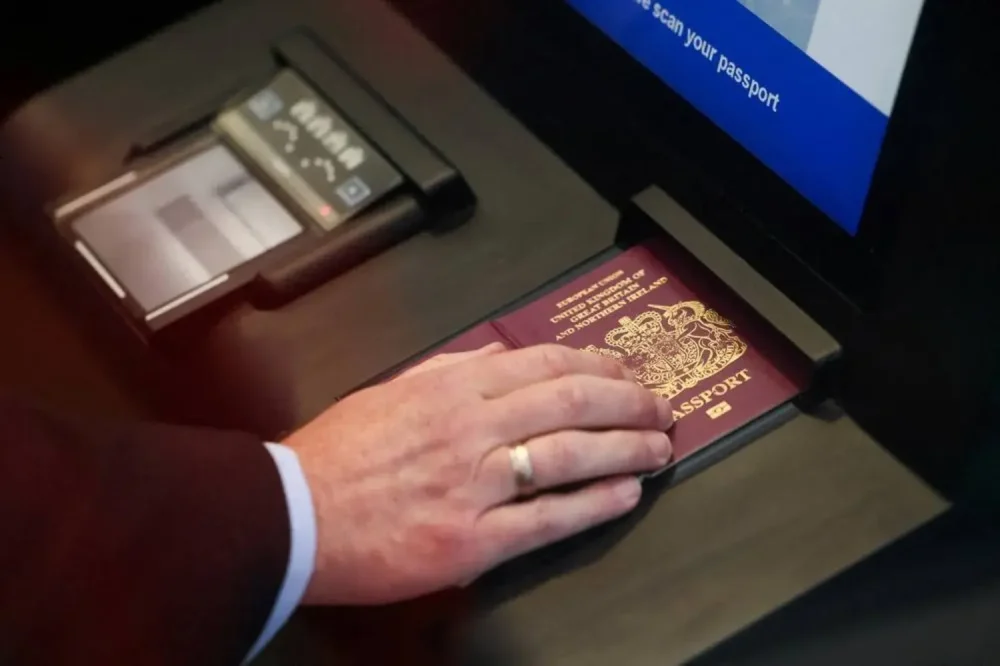
Beginning in 2024, the European Union will launch the Entry/Exit System, or EES, a new biometric border-control program that replaces traditional passport stamping for most non-EU travelers. The system is designed to track entries, exits, and overstays using facial and fingerprint data. It applies to visitors from more than 60 visa-exempt countries, including the United States and the United Kingdom. While the change aims to strengthen border security and modernize travel, it will introduce new steps at airports and land crossings that every traveler must understand before arriving in Europe.
1. EES Will Replace Passport Stamps With Biometric Checks
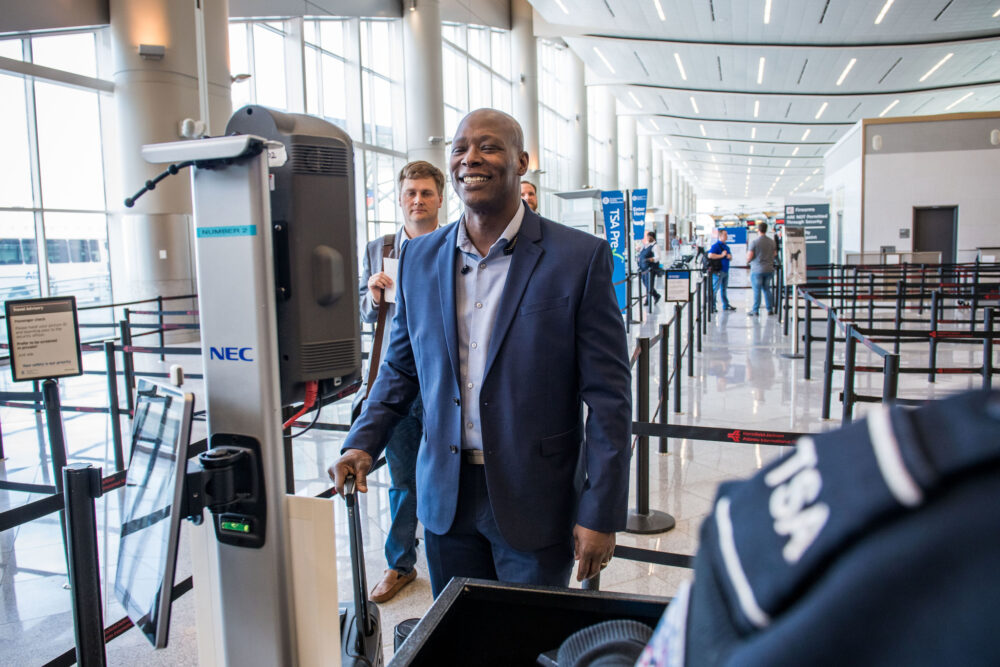
The EES system ends decades of manual passport stamping and replaces it with digital records that log when each traveler enters and exits the EU. Instead of border officers applying an ink stamp, travelers will undergo biometric checks that include facial recognition and fingerprint scans. These digital logs will make it easier for authorities to track overstays and verify travel history.
Because stamps often fade, smudge, or become unreadable, the EU argues that digital verification is more accurate and secure. The shift reflects a broader global trend toward automated border systems used in regions like the Middle East and parts of Asia.
2. The System Applies to Travelers From Over 60 Countries

EES affects visitors from visa-exempt nations—including the U.S., U.K., Canada, Australia, and Japan—who currently enter the EU’s Schengen Area using only a passport. These travelers will now have their biometric data recorded during their first trip after the system launches.
Citizens of EU and Schengen countries are not subject to EES and will continue using separate lanes. However, frequent visitors from visa-exempt countries should expect the new system to become part of every border crossing moving forward.
3. Biometric Collection Will Happen at Your First Entry

During a traveler’s first EES-regulated entry, border officials will collect fingerprints and a facial image. This process takes longer than a simple passport check and may create lines during the early months of rollout. After the initial registration, travelers will not need fingerprints collected again for future trips.
Biometric information is stored for three years from the last entry or exit, according to EU rules. This allows repeat visitors to pass through border checks more efficiently once their information is already in the system.
4. Automated Kiosks Will Handle Most of the Process

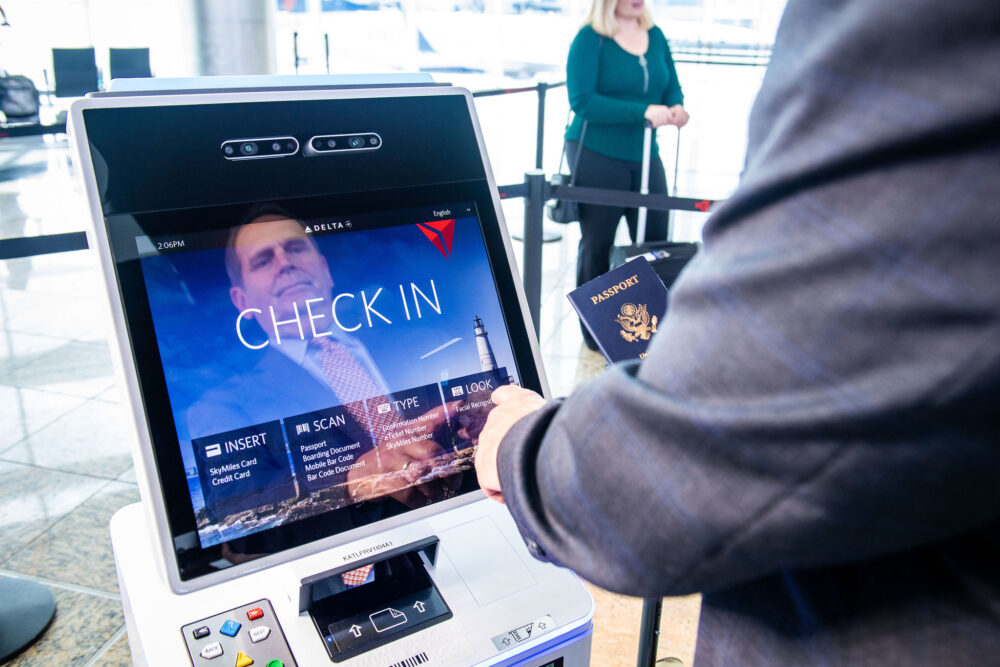
Many EU airports and major land crossings will use self-service kiosks that ask travelers to scan their passports, submit biometrics, and answer standard entry questions. This is similar to automated passport gates used in other parts of the world.
After completing kiosk steps, travelers may still need to speak briefly with a border officer for final clearance. The EU expects kiosk use to streamline the process over time, but initial rollout may involve delays as travelers adapt to the new system.
5. The System Helps Track Overstays More Accurately
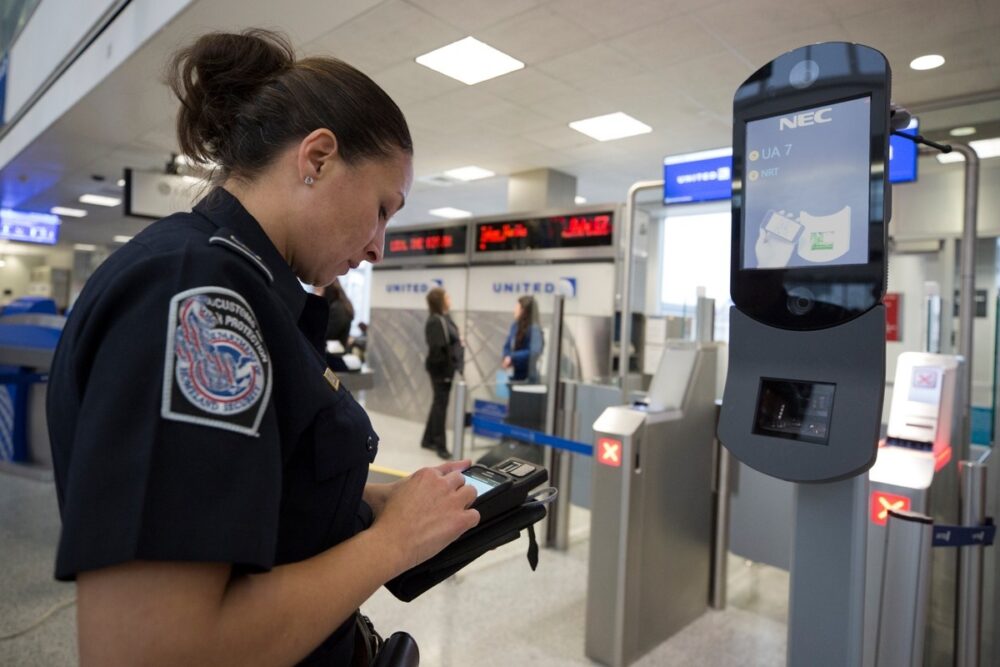
One of EES’s main purposes is to reduce illegal overstays—situations where travelers exceed the allowed 90 days in a 180-day period. Stamps are easy to misread or falsify, but digital entry logs eliminate ambiguity.
With EES, authorities can automatically detect when someone fails to leave on time. This helps enforce immigration rules consistently across all Schengen countries and increases security at external borders.
6. Travelers Still Need ETIAS in Addition to EES

EES is separate from the upcoming ETIAS travel authorization, which is expected to launch in 2025. ETIAS works similarly to the U.S. ESTA program and will require travelers to apply online before their trip. EES handles biometric tracking at the border, while ETIAS handles pre-screening.
Once both systems are active, non-EU travelers will need to complete ETIAS registration and undergo biometric EES checks. Together, these programs modernize the EU’s border management system and mirror processes already used by other regions.
7. Land Border Crossings May Experience the Longest Delays
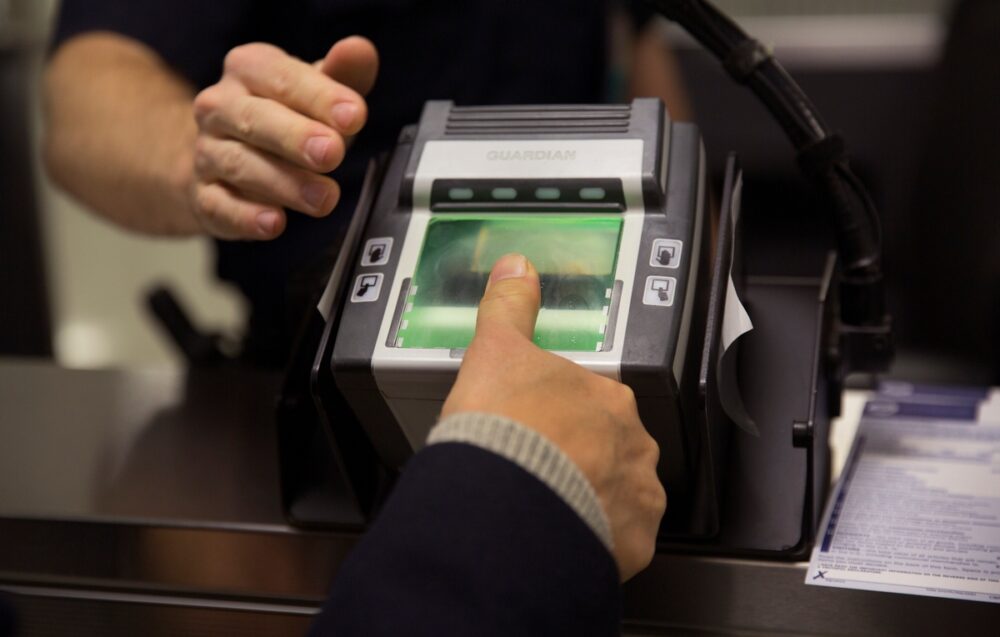
Countries that share external land borders—such as those near Croatia, Hungary, or Poland—may see the slowest transitions to EES because travelers often arrive by car or bus rather than through controlled airport environments. Collecting fingerprints and facial scans can take longer at high-traffic land checkpoints.
EU officials have warned that border delays are expected during the early phases of deployment. Over time, additional kiosks, staff training, and improved traffic flow should reduce wait times.
8. Short Stays Are Still Limited to 90 Days in 180

EES does not change the core rule governing short-term travel within the Schengen Area: non-EU visitors may stay up to 90 days within any 180-day period. The new system simply automates the tracking of these days, making it easier to enforce the rule.
Travelers will be able to check their remaining days through online tools once EES is fully operational. This feature helps prevent accidental overstays, which can lead to fines or temporary bans.
9. Airlines and Transport Companies Will Verify EES Compliance

Airlines, cruise lines, and some bus operators will be required to confirm that passengers comply with EES requirements before boarding. This prevents travelers from arriving at EU borders without meeting biometric or documentation rules.
These transport checks are part of the EU’s effort to reduce congestion at arrival points and ensure that travelers complete necessary steps before entering busy border zones.
10. Privacy Protections Are Built Into the System

The EU emphasizes that EES data is stored securely and used only for immigration, security, and border-management purposes. Biometric data is deleted after three years of inactivity, and strict regulations govern who may access the records.
Privacy advocates continue to monitor implementation, but EES falls under the EU’s stringent data-protection framework, which is considered one of the strongest in the world.
11. The EU Hopes EES Will Speed Travel Over Time
Although travelers may experience longer lines during the first months of deployment, the EU expects EES to make border crossings more efficient in the long term. Automated processing should reduce manual checks and create faster, more reliable verification.
Once travelers have completed their initial biometric enrollment, future trips should involve quicker processing at kiosks and automated lanes. The goal is a modernized border experience that balances security with convenience.