
Long-term satellite data shows Europe’s underground water reserves are shrinking fast.
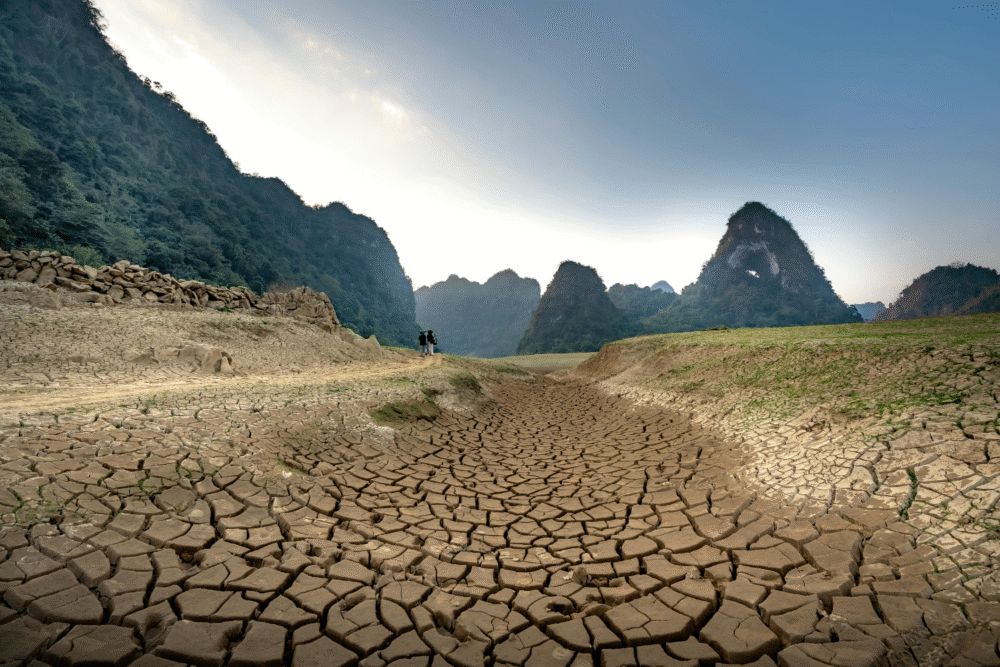
A sweeping new analysis suggests Europe’s groundwater reserves have been dropping for more than two decades, and scientists say the trend is tied directly to climate change. Using long-term satellite observations, researchers found that freshwater stored underground—from Spain and Italy to Germany and Eastern Europe—is steadily shrinking. This decline affects drinking water, farming, and river ecosystems across the continent. The findings raise concerns that Europe has underestimated how vulnerable its water supplies are, especially as droughts grow more frequent and demand keeps rising.
1. Satellite Data Reveals a 20-Year Drop in Groundwater
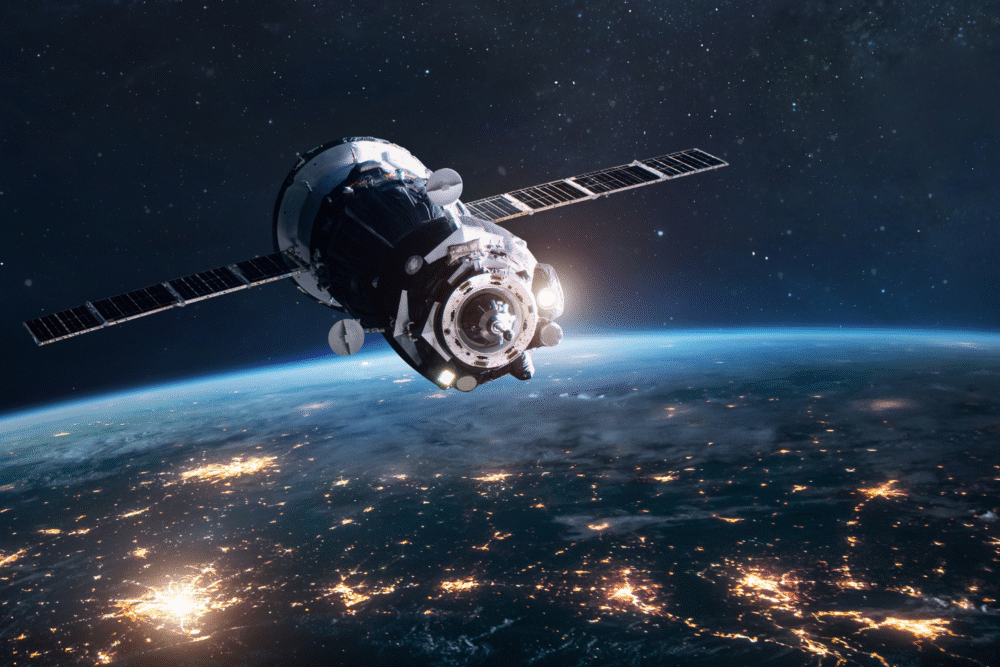
The research draws from decades of satellite measurements that track subtle changes in Earth’s gravity. Those shifts reveal how much groundwater has been lost beneath Europe’s surface. Scientists found a steady, long-term decline, meaning the problem isn’t tied only to short-lived dry spells.
Instead, the trend shows a structural loss of stored freshwater. This suggests that Europe’s underground reserves are not recovering between droughts the way they once did, leaving less water available for communities, farms, and ecosystems.
2. Southern Europe Is Being Hit the Hardest
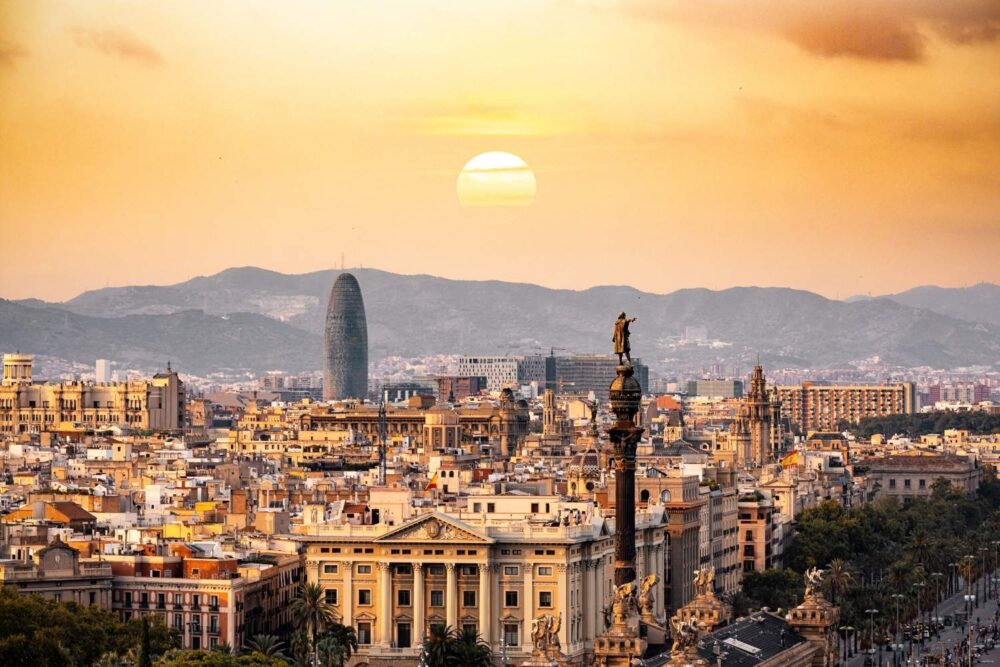
The analysis shows the most severe losses across southern Europe, especially in Spain, Italy, and the Balkans. These regions already face hotter temperatures and prolonged dry periods, which increase evaporation and reduce natural groundwater recharge. Farmers in these areas rely heavily on wells, putting even more pressure on aquifers.
Because groundwater acts as a buffer during droughts, losing it makes heatwaves and water shortages far harder to manage. The study warns that southern Europe may face some of its most difficult years ahead unless replenishment improves.
3. Climate Change Is Driving Long-Term Depletion
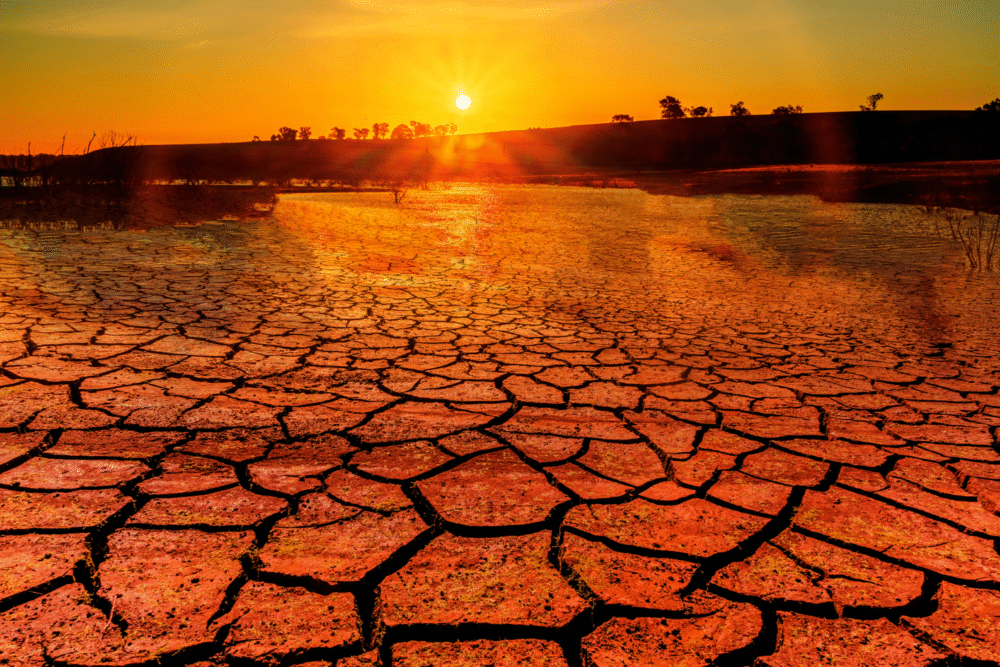
Researchers say the clear downward trend in groundwater is connected to shifts in climate patterns. Longer, hotter summers and irregular rainfall prevent aquifers from absorbing enough water. When rain does fall, it often comes in heavy bursts that run off quickly instead of soaking into the soil.
The scale and duration of this depletion match the broader impacts of climate change seen across Europe. The loss of groundwater is becoming one of the clearest, long-term signs of a warming continent.
4. Rivers and Lakes Are Suffering as Aquifers Shrink
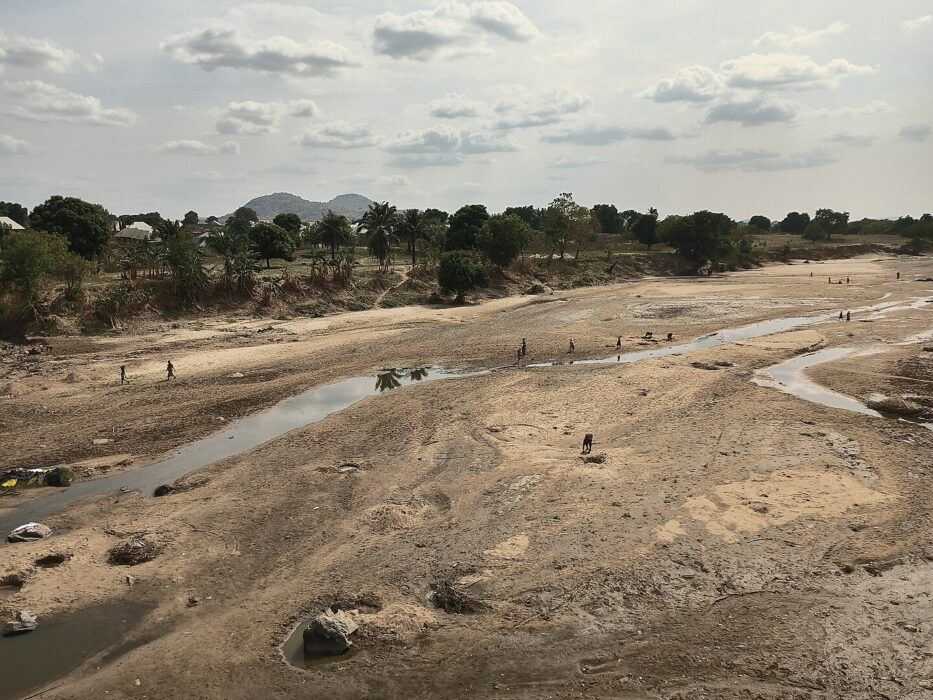
Groundwater doesn’t just supply wells—it also feeds rivers and lakes, especially during dry months. As aquifers drop, surface water levels follow. The study links declining groundwater to reduced flows in major waterways, contributing to riverbeds running low or even dry in parts of Europe.
These changes damage ecosystems that rely on steady freshwater. Fish populations, wetlands, and migratory birds are all affected when natural water levels drop for extended periods, creating ripple effects through entire habitats.
5. Groundwater Loss Is Fueling Agricultural Stress
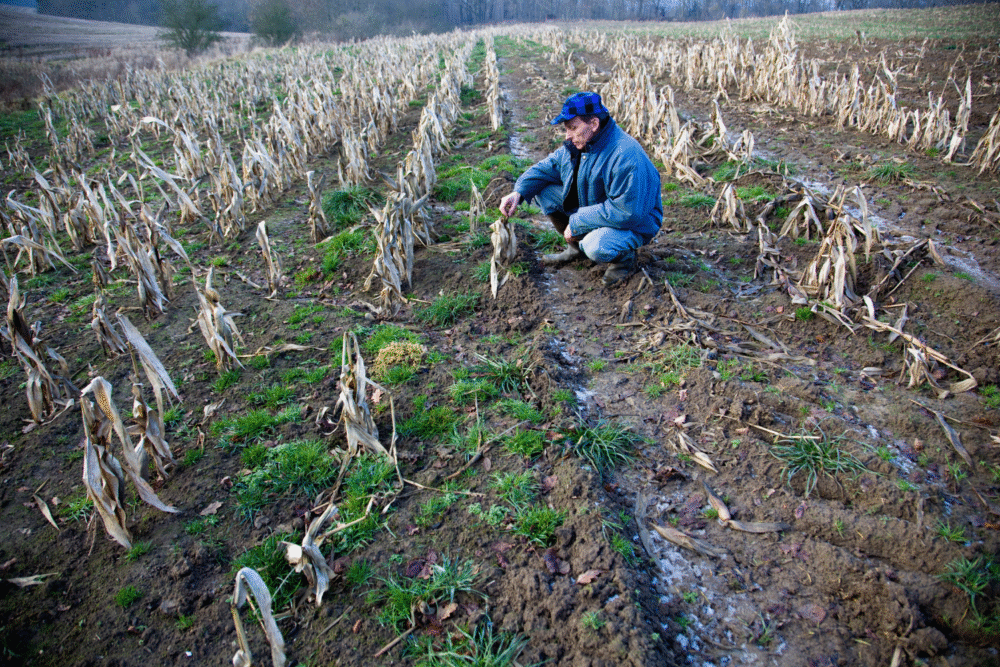
Many European farms depend on groundwater for irrigation, especially in regions where surface water is scarce. As aquifers fall, farmers must drill deeper or reduce water use, both of which carry significant costs. Ongoing depletion threatens crop yields and long-term food security.
Agriculture becomes more vulnerable when groundwater no longer provides a stable fallback during dry years. With climate-driven droughts intensifying, the stress on Europe’s farming sector is likely to increase.
6. Northern and Central Europe Are No Longer Immune

The analysis shows groundwater decline even in areas historically known for abundant rainfall, including parts of Germany, Poland, and the Czech Republic. This challenges the assumption that wetter regions are protected from long-term water shortages.
These declines show how widespread the problem has become. Even regions that once relied on consistent rainfall are struggling as weather patterns shift and seasonal extremes become more common across Europe.
7. Overuse Compounds the Effects of Drought
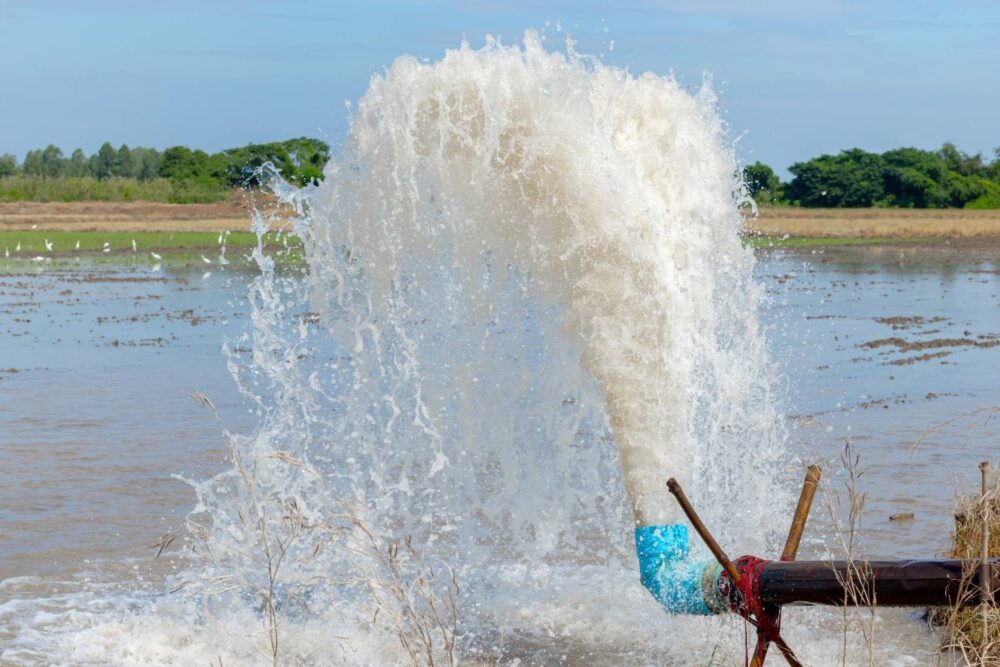
Human activity plays a major role in the continuing decline. Heavy agricultural withdrawals, expanding cities, and increasing industrial demand have all added pressure to aquifers. When combined with climate-related drought, these withdrawals accelerate the rate of groundwater loss.
Many aquifers are being tapped far faster than they can naturally recharge. Without limits or improved conservation, long-term recovery becomes increasingly unlikely.
8. Some Areas Are Nearing Critical Thresholds
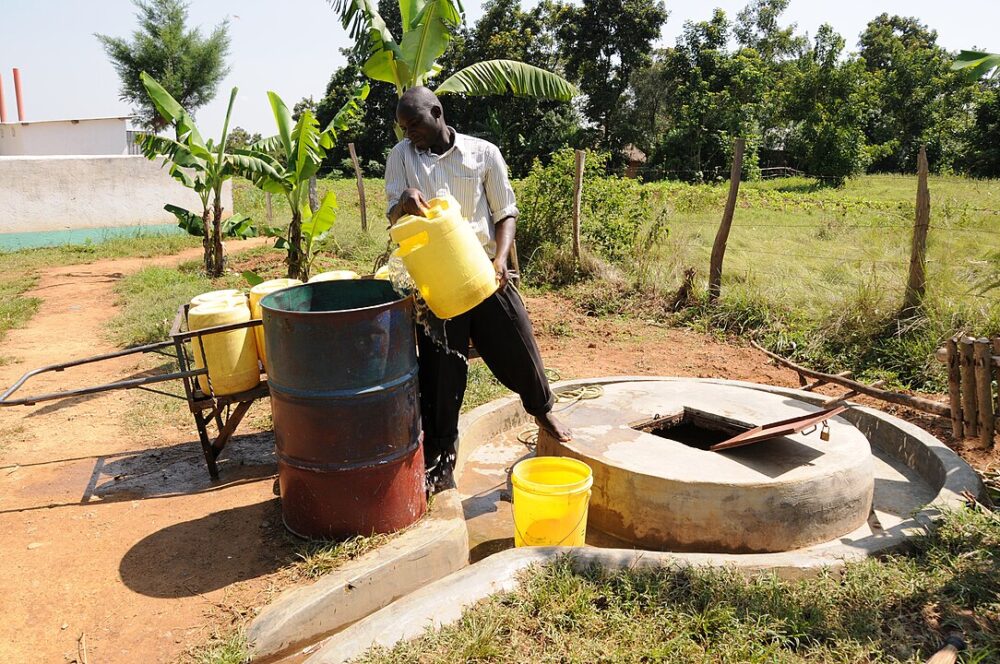
Scientists warn that certain regions may be approaching points where aquifers cannot rebound without major changes in water use. Once groundwater falls below key levels, pumping becomes harder, water quality declines, and recovery can take decades or longer.
This raises concerns for towns and villages that rely on shallow wells. If water tables continue to sink, communities may face expensive upgrades or struggle to access safe drinking water.
9. Low Groundwater Threatens Europe’s Hydropower and Energy Supply
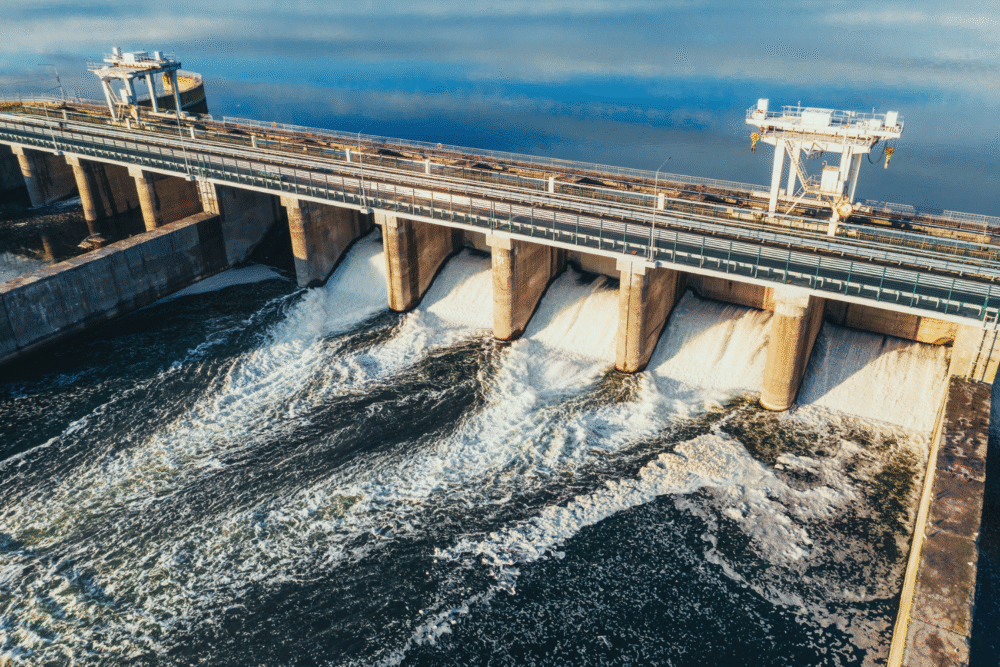
Hydropower depends on consistent river flows, which in turn rely on groundwater feeding streams during dry periods. As aquifers drop, hydropower production becomes less reliable. Declining water availability can strain Europe’s broader energy systems, especially during heatwaves.
With many countries shifting away from fossil fuels, the stability of renewable energy becomes increasingly important. Falling groundwater adds another complication to an already stressed energy landscape.
10. Scientists Say Europe Must Rethink Water Management
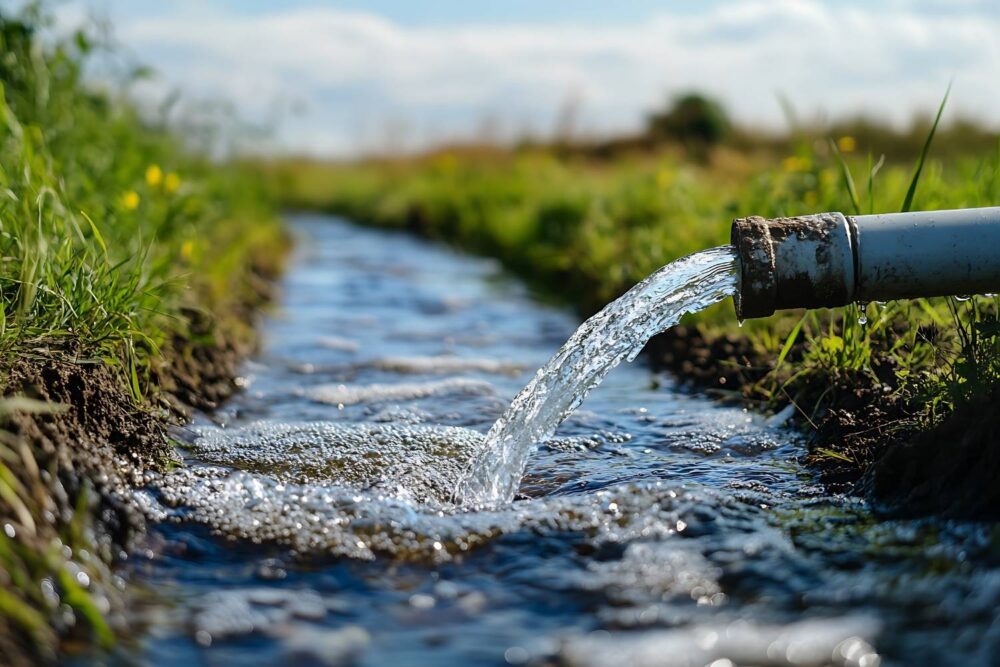
Experts argue that Europe needs long-term planning to rebuild groundwater resources. This includes improving irrigation efficiency, restoring wetlands, and protecting areas where rainfall naturally replenishes aquifers. Without such changes, the continent will struggle to adapt to increasingly frequent droughts.
The study suggests coordinated policies across countries are essential. Since aquifers and watersheds cross borders, no single nation can solve the problem alone.
11. The Findings Highlight a Crisis That’s Largely Invisible

Groundwater declines rarely make headlines because the problem unfolds underground and out of view. This slow-moving crisis could become one of Europe’s most serious environmental challenges in the coming decades.
By revealing long-term losses through satellite data, scientists hope the issue will gain more public attention. The findings make it clear that Europe cannot depend on its groundwater reserves the way it once did.