
Master these word swaps to boost communication skills and command respect in every conversation.
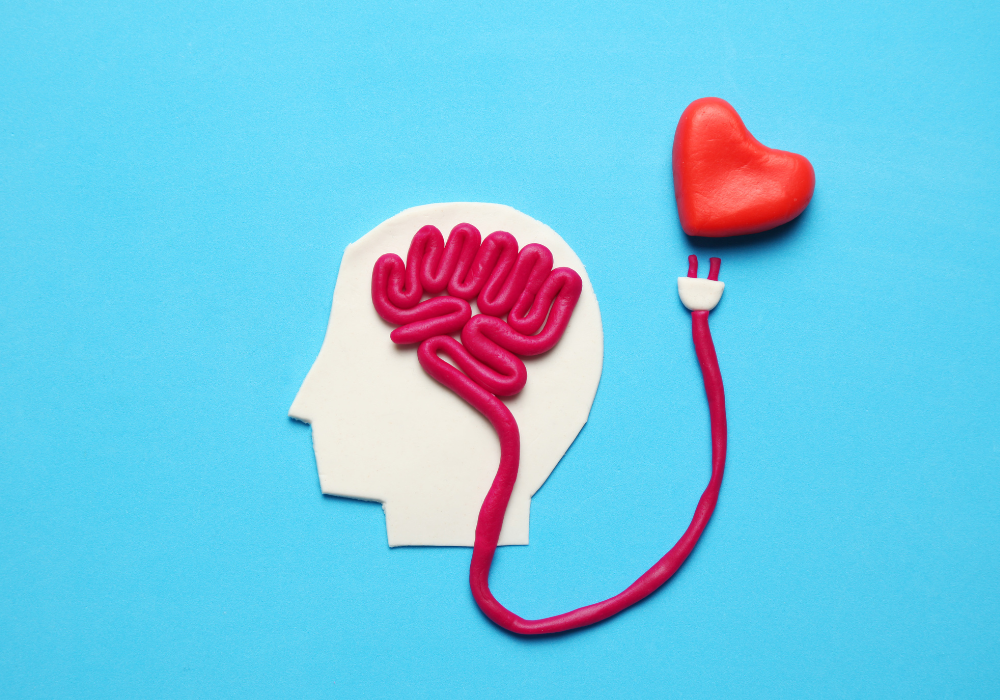
We’ve all been there—stuck in a heated conversation where the wrong words tumble out of our mouths before we can stop them. Maybe it’s “calm down” when someone’s clearly upset, or “that’s not my problem” when a colleague needs help. These seemingly innocent phrases can destroy relationships faster than you’d think.
People with high emotional intelligence understand that communication isn’t just about getting your point across; it’s about making others feel heard, respected, and valued. They’ve learned to catch themselves before uttering certain phrases that shut down dialogue and hurt feelings. Instead, they’ve developed a toolkit of responses that build bridges rather than burn them.
1. “Calm down” becomes an invitation to share feelings instead of dismissing them

When someone’s emotions are running high, telling them to “calm down” is like throwing gasoline on a fire. It invalidates their feelings and suggests they’re overreacting. Emotionally intelligent people recognize that strong emotions usually have valid reasons behind them, even if they don’t immediately understand what those reasons are.
Instead, they say something like “I can see you’re really upset about this. Help me understand what’s going on.” This approach acknowledges the person’s emotional state without judgment and opens the door for meaningful dialogue rather than shutting it down.
2. “That’s not my problem” transforms into collaborative problem-solving language

This phrase instantly creates an “us versus them” mentality and signals that you don’t care about others’ struggles. Even when something genuinely isn’t your responsibility, emotionally intelligent people understand that dismissing others’ concerns damages relationships and team dynamics.
They might say “I’m not directly involved in this area, but let me see how I can help you find the right person” or “While this isn’t my expertise, I’d be happy to brainstorm solutions with you.” This approach maintains boundaries while showing genuine care and support.
3. “You’re wrong” becomes an exploration of different perspectives rather than a conversation killer

Directly telling someone they’re wrong immediately puts them on the defensive and shuts down productive discussion. Emotionally intelligent people recognize that most disagreements stem from different perspectives, experiences, or information rather than someone being fundamentally incorrect.
Instead, they say “I see it differently” or “My experience has been…” This language invites dialogue rather than debate and allows both parties to share their viewpoints without feeling attacked or dismissed.
4. “You always” or “you never” gets replaced with specific, behavior-focused observations

These absolute statements are rarely true and immediately make people defensive. When you say someone “always” does something annoying or “never” helps out, you’re making a character judgment rather than addressing specific behavior. Emotionally intelligent people focus on particular instances rather than sweeping generalizations.
They say things like “When you interrupted me in today’s meeting, I felt unheard” or “I noticed the dishes weren’t done last night, and I’d appreciate some help with them.” This approach addresses the actual issue without attacking someone’s entire character.
5. “It’s fine” when it’s clearly not fine becomes honest communication about feelings

This passive-aggressive phrase creates confusion and resentment. When you say “it’s fine” while your body language and tone suggest otherwise, you’re sending mixed messages that leave others guessing. Emotionally intelligent people understand that suppressed feelings eventually explode in unhealthy ways.
They practice saying “I’m feeling frustrated about this situation, and I’d like to talk through it” or “I need some time to process this before we discuss it further.” This honesty prevents misunderstandings and builds trust in relationships.
6. “Whatever” becomes an opportunity to express genuine disengagement respectfully

“Whatever” is the verbal equivalent of throwing your hands up and walking away. It signals complete disrespect for the conversation and the other person’s concerns. Emotionally intelligent people recognize when they’re too heated to continue productively and communicate this clearly.
They might say “I think we’re both getting frustrated. Can we take a break and revisit this later?” or “I’m struggling to stay engaged in this conversation right now. Let’s schedule time to talk when we’re both fresh.”
7. “You’re being too sensitive” gets replaced with validation and curiosity

This phrase dismisses someone’s emotional experience and suggests their feelings are inappropriate or excessive. Emotionally intelligent people understand that sensitivity levels vary between individuals and that all feelings deserve acknowledgment, even if they don’t fully understand the reaction.
Instead, they say “I can see this really affected you. Can you help me understand why?” or “Your feelings make sense given your perspective.” This approach validates the person’s experience while seeking to understand rather than judge.
8. “I don’t care” becomes honest communication about priorities and boundaries

While sometimes we genuinely don’t have strong feelings about certain topics, saying “I don’t care” often comes across as dismissive and hurtful. Emotionally intelligent people distinguish between not having a preference and not caring about others’ feelings or experiences.
They express themselves with phrases like “I’m flexible on this decision” or “This isn’t a priority for me, but I understand it’s important to you.” This language maintains honesty while showing respect for others’ concerns.
9. “That’s just how I am” transforms into accountability and growth mindset language

This phrase shuts down any possibility of change or improvement and suggests that problematic behaviors are unchangeable personality traits. Emotionally intelligent people recognize that while personality influences behavior, we all have the capacity to grow and adapt our responses.
They say things like “I tend to react this way, but I’m working on it” or “This is challenging for me, but I want to do better.” This language shows self-awareness while demonstrating commitment to personal growth.
10. “You wouldn’t understand” becomes an invitation to build connection through sharing

This phrase creates distance and assumes others lack the capacity for empathy or comprehension. Emotionally intelligent people recognize that while experiences differ, most people can relate to underlying emotions and struggles when given the chance.
Instead, they might say “This situation is really complex for me. Would you like me to explain what’s going on?” or “I’m dealing with something difficult right now, and I could use a supportive ear.” This approach builds intimacy rather than creating walls.
11. “At least” followed by minimizing comparisons becomes genuine empathy and support

Phrases like “At least you have a job” or “At least it’s not cancer” attempt to provide perspective but actually minimize someone’s pain. Emotionally intelligent people understand that suffering isn’t comparative and that dismissing someone’s struggles doesn’t help them feel better.
They respond with “That sounds really difficult” or “I’m sorry you’re going through this.” Sometimes they simply listen without trying to fix or minimize, recognizing that feeling heard is often more valuable than receiving advice.
12. “I told you so” gets replaced with supportive problem-solving focused on the future

This phrase prioritizes being right over being helpful and kicks someone when they’re already down. Emotionally intelligent people understand that mistakes are learning opportunities and that relationships matter more than winning arguments or proving points.
They say “That’s frustrating. What can we do to help fix this?” or “What did you learn from this experience?” This approach focuses on solutions and growth rather than dwelling on past mistakes.
13. “Why would you do that?” becomes curious inquiry without judgment or blame

This question often sounds accusatory and implies that someone’s actions were obviously wrong or stupid. Emotionally intelligent people recognize that most decisions make sense from the person’s perspective at the time, even if the outcome wasn’t ideal.
They ask “What was your thinking behind that decision?” or “Help me understand your reasoning.” This framing invites explanation rather than defensiveness and helps uncover the logic or emotions that drove someone’s choices.