
Bill hikes in states like Utah, California, and Oklahoma point to a broader cost surge ahead.

Residential electricity prices across the U.S. have surged by an average of 6% in recent years, with sharp increases reported in states like Utah (up ~15%), Oklahoma (12.3%), and Pennsylvania (13.5%) according to Choose Energy data. Policy analyses by the Center for American Progress and NRDC show that 49 states already face rate hikes or proposals totaling more than $71 billion through 2028. Experts warn that rising fuel costs, growing demand from new industries like AI data centers, and aging power infrastructure could push bills even higher unless urgent action is taken.
1. Electricity Prices Are Rising Faster Than Most Families Realize

Electricity costs are increasing more quickly than the general inflation rate, and experts warn the trend is gaining momentum. Utilities are raising rates to cover the soaring costs of grid upgrades, storm hardening, and maintenance on decades-old equipment. In many regions, these expenses are rising faster than utilities can absorb, pushing them directly onto consumers.
Analysts say the price pressure won’t ease soon. As extreme weather becomes more frequent and infrastructure ages further, utilities expect to spend billions on modernization. That reality means households in many states will likely continue seeing higher monthly bills well into the next several years.
2. Rate Hikes Are Sweeping Across More Than 40 States
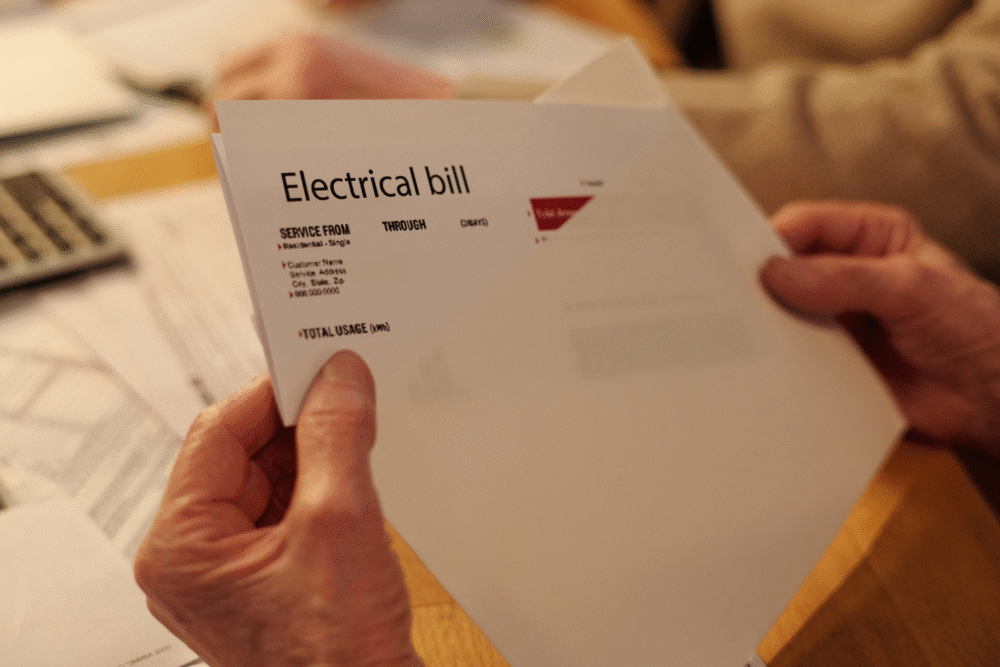
More than 40 states have approved or requested major electricity rate increases in the past few years, marking one of the broadest national surges in recent memory. These proposals often include multi-year hikes that steadily push power bills higher as utilities recover their rising operating and capital costs.
Consumer advocates warn that many families are unprepared for the cumulative impact of back-to-back increases. Even modest hikes add up over time, and with additional proposals already in the pipeline, many regions could face more financial strain as utilities work to meet new regulatory and infrastructure demands.
3. Utah Leads the Nation With a Rapid Price Spike
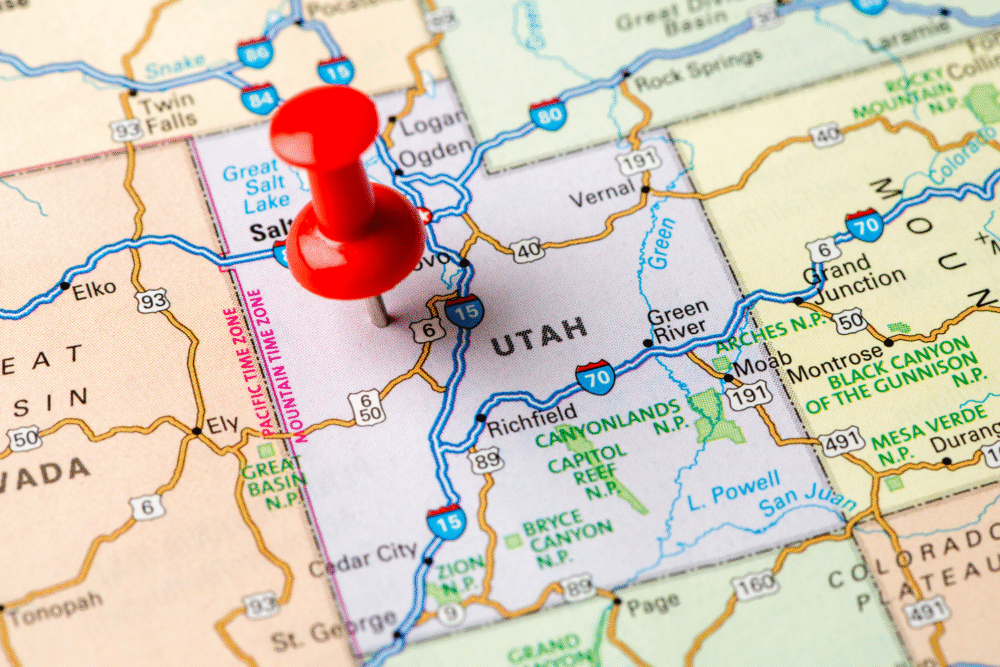
Utah has posted one of the sharpest recent electricity price jumps, with rates rising more than double digits in a single year. The surge comes as the state experiences fast population growth and expanding commercial demand, which has increased stress on local grids and forced utilities to invest heavily in new equipment and capacity.
For many residents, the higher bills add pressure at a time when housing, transportation, and food costs are also climbing. Analysts say Utah’s surge is a warning sign for other fast-growing states that may face similar challenges as energy demand outpaces existing infrastructure.
4. Several States Saw Electricity Bills Jump Over 60% in Five Years
Some states—including Maine and California—experienced electricity bill increases exceeding 60 percent over a five-year span. These spikes stem from a mix of regional energy policies, climate-related costs, market volatility, and extensive infrastructure upgrades that utilities say they can no longer delay.
These long-term surges highlight how dramatically electricity bills can rise when multiple pressure points converge. Even households that manage their usage closely have little control over these systemic cost drivers, making electricity one of the fastest-growing expenses for many families in high-impact regions.
5. Data Centers and High-Demand Industries Are Driving Up Local Rates

States experiencing rapid growth in data centers, manufacturing, and other high-demand industries are seeing higher electricity prices for residents. These facilities consume enormous amounts of power, often forcing utilities to build new substations, transmission lines, and feeders to support them.
Utility costs tied to these expansions often flow directly to customers. Analysts say that as industries like cloud computing, AI, and advanced manufacturing expand, more states may see rate increases linked to commercial demand. Without major grid upgrades, the added strain could push residential bills even higher in coming years.
6. California Shows How Climate Pressures Drive Electricity Costs

California continues to face some of the steepest electricity price increases in the country. Utilities are investing heavily in wildfire-prevention systems, undergrounding power lines, hardening infrastructure, and meeting renewable-energy requirements—all of which come with significant costs.
Residents are paying the price through higher monthly bills, and experts consider California a preview of what other states may face as climate risks intensify. The state’s experience shows how rapidly electricity prices can climb when utilities are forced to balance safety upgrades, clean-energy transitions, and aging infrastructure all at once.
7. Extreme Weather Is Pushing Utilities Into Costly Upgrades

Storms, heatwaves, and wildfires are causing outages and equipment failures that require expensive repairs. Utilities now spend far more on maintenance, vegetation management, and system reinforcements than they did a decade ago. These costs are contributing directly to rising electricity rates across multiple regions.
As extreme weather events become more frequent and severe, analysts expect utilities to file even more rate-increase requests. The growing need for climate-resilient infrastructure means that households in vulnerable states may continue facing higher electricity bills as emergency and repair costs escalate.
8. More Families Are Falling Behind on Their Electricity Bills
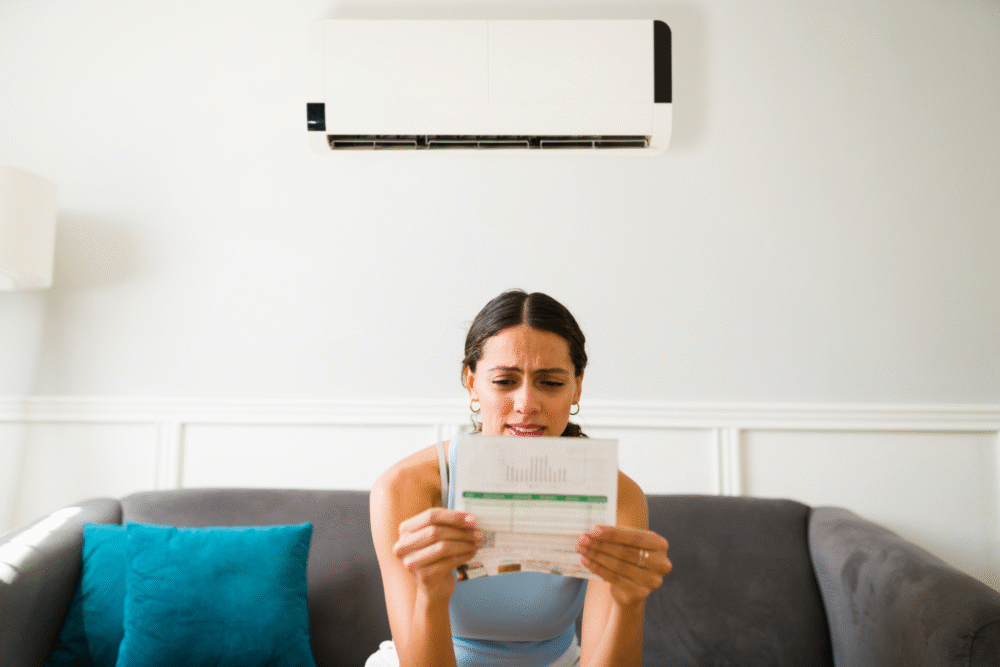
Household utility debt has risen significantly as more families struggle to keep up with growing electricity costs. Utilities report an increase in overdue balances, payment-plan enrollments, and shut-off protections. For many households, rising power bills now represent one of the most difficult expenses to manage.
Consumer-advocacy groups warn the problem could worsen as additional rate hikes take effect. Families living in states with large seasonal swings in energy use—or in regions experiencing rapid price increases—are particularly vulnerable. Higher electricity debt also increases financial risk for utilities, creating a cycle of additional cost pressure.
9. Clean-Energy Transitions Come With Upfront Costs for Consumers
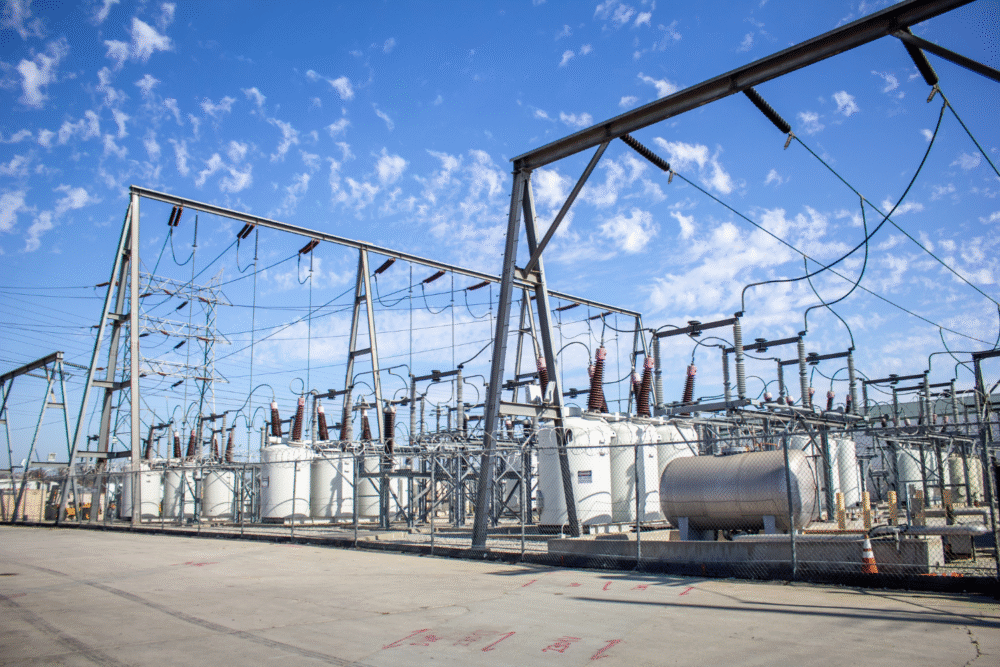
Many states are transitioning to cleaner power systems, but the process requires substantial upfront investment in new transmission lines, battery storage, and power-plant replacements. These infrastructure expenses often appear on customer bills long before the long-term savings from renewable energy are realized.
Experts emphasize that these costs are temporary, but they can cause noticeable rate increases during the transition period. States moving aggressively toward renewable goals tend to see higher short-term electricity prices compared to those adopting slower or more gradual changes.
10. Regions With High Electricity Costs Are Seeing Even Faster Increases
Areas already known for high electricity prices—such as New England, the Pacific Coast, and parts of the Mid-Atlantic—are now experiencing some of the fastest rate increases in the country. These regions face unique challenges, including older grids, limited transmission capacity, and higher regulatory or environmental compliance costs.
Because these states began with higher baseline rates, even moderate increases have a significant impact on household budgets. Analysts warn that without major policy or infrastructure changes, families in these high-cost regions may continue facing elevated electricity bills for years to come.