
Even eco-conscious foodies are guilty of these everyday kitchen mistakes.

You might think you’re doing your part—buying organic, skipping meat now and then, maybe even composting. But sustainable eating doesn’t stop at what you buy. It sneaks into how you cook, store, prep, and clean up in the kitchen.
And chances are, you’ve picked up some habits over the years that clash with your eco-friendly goals without you even realizing it. Don’t beat yourself up—most of us learned to cook long before sustainability was part of the conversation.
But if you’re serious about shrinking your food waste, cutting energy use, and making better choices for the planet, it’s time to unlearn a few things. The good news? You don’t have to overhaul your life. These small kitchen shifts add up fast—and your meals won’t suffer in the process. In fact, they might even get better.
1. You’re throwing out scraps that could actually be the best part of your meal.

Carrot tops, broccoli stems, onion skins—most people toss them straight into the trash without a second thought. But these so-called scraps often pack flavor, nutrients, and surprising usefulness.
You can turn veggie peels into broth, stale bread into croutons, and even banana peels into a decent stir-fry addition (really). It’s not about being weird—it’s about being resourceful. When you shift your mindset from waste to potential, your kitchen game changes. You save money, reduce your trash, and stretch your groceries further.
Plus, it’s kind of fun to feel like a creative cooking ninja. Stop assuming the ends and odds aren’t worth using. You might find they’re the tastiest, most sustainable parts of your meal—if you just give them a second chance.
2. You’re overbuying groceries without realizing what’s already in your fridge.

We’ve all done it—walked into the store without a plan, grabbed “just a few things,” and ended up with doubles, triples, or worse… spoiled food later in the week. Overbuying isn’t just bad for your wallet—it’s a major sustainability fail. Every uneaten item represents wasted water, energy, packaging, and transport.
It’s easy to fix, though. Start by shopping your fridge and pantry first. Make a list based on what’s actually missing. Don’t guess—check. Apps can help, but even snapping a quick photo of your fridge before heading out does wonders. And if you meal prep, you’ll save yourself the nightly decision fatigue too.
Sustainable eating isn’t about being perfect—it’s about being mindful. Knowing what you already have keeps your kitchen smarter, your meals more intentional, and your waste down to a delicious minimum.
3. You’re letting leftovers die a slow, moldy death in the back of your fridge.
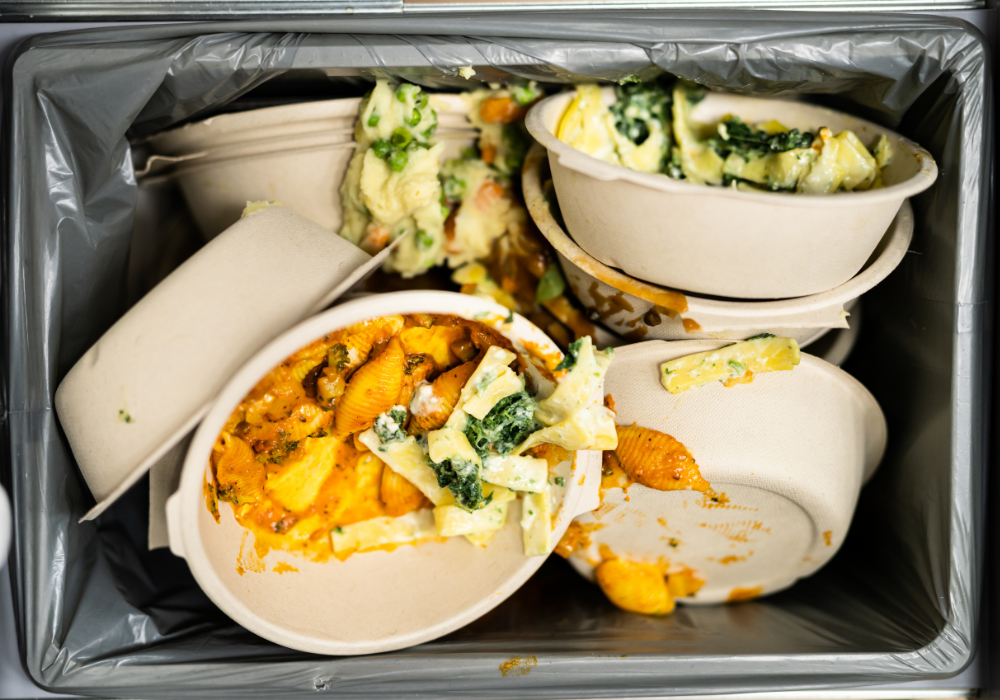
Let’s be real—leftovers often turn into science experiments because we forget they exist. Out of sight, out of mind. But if you’re serious about sustainability, this is a habit worth breaking. First, store leftovers in clear containers so you can actually see what you’ve got.
Second, label them with the date. It sounds fussy, but it makes a difference when you’re staring at five mystery tubs. Get in the habit of eating the oldest food first—like a first-in, first-out grocery shelf.
Bonus points if you repurpose leftovers into totally new meals. Last night’s roasted veggies can become today’s burrito bowl. The less you waste, the more value you pull from the food you’ve already paid for. And the less guilt you’ll feel when cleaning out the fridge.
4. You’re rinsing dishes like it’s still 1995—and wasting gallons of water.
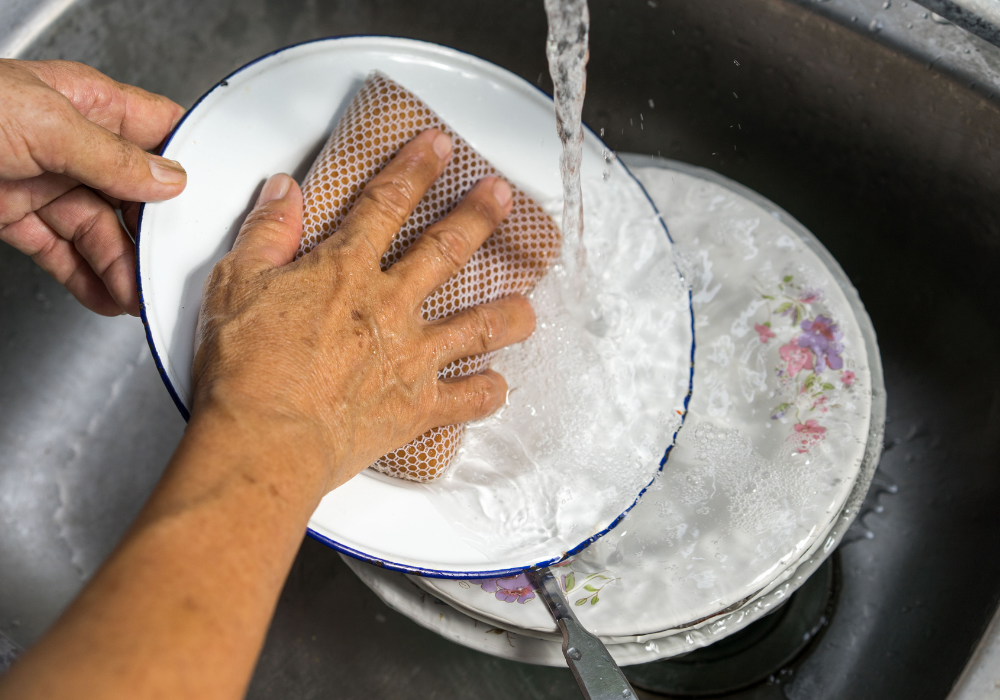
You don’t need to pre-rinse your dishes if you have a modern dishwasher. Seriously. Most newer models are designed to handle stuck-on food, and rinsing them wastes up to 20 gallons of water per load. That’s a wild number for a habit that doesn’t actually help.
Instead, scrape solids into the compost or trash and load the machine as directed. If you’re hand-washing, fill one basin with hot soapy water and one with clean rinse water instead of letting the tap run endlessly. It’s these small tweaks that shift your kitchen from water guzzler to efficiency zone. You’re not losing cleanliness—you’re gaining mindfulness.
Once you break the rinse-before-you-wash habit, you’ll save water, money, and time. And your dishes? Still sparkling, just way more eco-friendly.
5. You’re cooking everything at full blast when low-and-slow is often better.

Cranking up the burner or preheating the oven to max temperature feels like the fastest route to dinner, but it’s not always the smartest—or the most sustainable. High-heat cooking burns more energy and often delivers uneven results.
Learning to cook on medium or low heat when possible saves electricity or gas and usually improves the taste and texture of your food. Simmering, steaming, and even letting dishes rest after cooking are simple habits that stretch your kitchen’s energy use further. Plus, it reduces the risk of burning things and wasting ingredients.
If you’re baking, only preheat when you’re ready to use the oven—not 30 minutes before. These are low-effort changes with high-impact results. Your meals still cook beautifully, and the planet breathes a little easier.
6. You’re ignoring your freezer, which is actually your best sustainability tool.
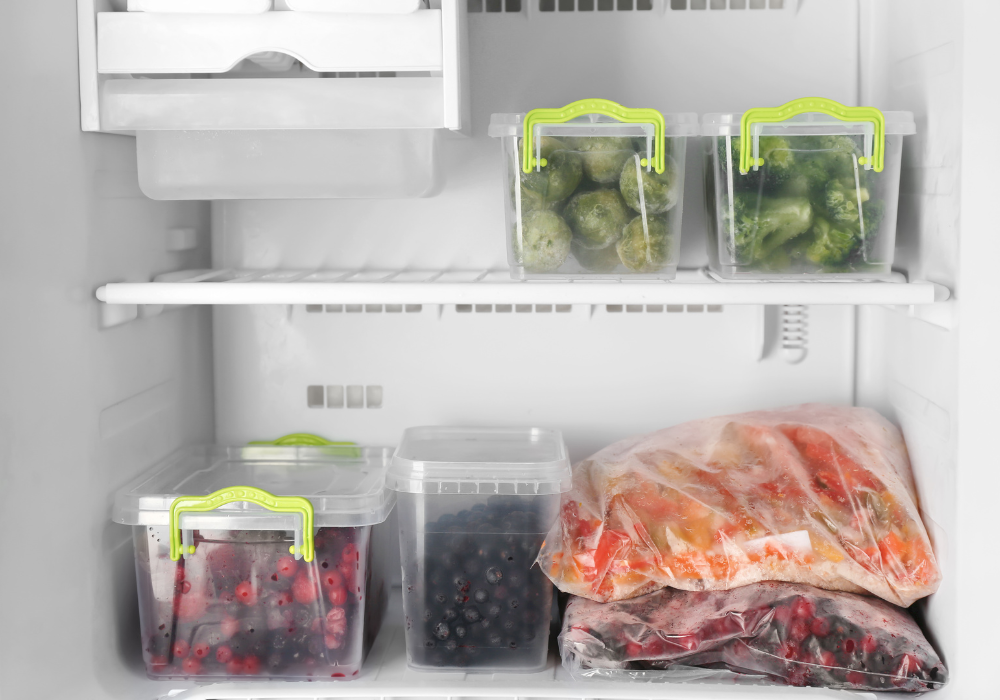
Freezers are magic—seriously. They pause time for your food. Got leftovers you won’t eat this week? Freeze them. Found a deal on produce? Chop and stash it. Bread going stale? Slice and freeze it for toast. When you treat your freezer like a backup pantry, you save more than just food—you preserve money, energy, and resources.
Label things clearly, use stackable containers, and keep a list of what’s inside to avoid the dreaded “frozen mystery blob” situation. It also helps cut down on emergency takeout when you “have nothing to eat.”
A well-stocked, well-organized freezer is a sustainability game-changer. You’re not hoarding—you’re prepping like a pro. And the best part? You’re wasting less and always have something good ready to go.
7. You’re buying produce that looks perfect—and leaving the “ugly” stuff behind.

Supermarkets have trained us to pick only the most flawless apples, smoothest potatoes, and brightest peppers. But those “ugly” or oddly shaped fruits and veggies? They’re just as tasty and often cheaper.
Plus, when they don’t get bought, they’re usually thrown out by the store. That’s food waste before it even hits your home. Choosing imperfect produce is a small but mighty way to fight unnecessary waste. You can even look for dedicated “imperfect produce” brands and boxes that specialize in saving the misfits.
Once it’s chopped, cooked, or blended, you won’t know the difference anyway. Stop judging a peach by its dent. The planet doesn’t care about appearances—it cares that we use what’s already grown.
8. You’re tossing food based solely on the date on the label.

“Sell by,” “best by,” and “use by” labels are confusing—and honestly, kind of misleading. Most of them aren’t expiration dates. They’re more like suggestions from the manufacturer about when food is at its peak quality.
Tossing perfectly good food just because the date has passed contributes to a massive chunk of household food waste. Instead, trust your senses. Does it look fine? Smell normal? Taste okay? Then it’s probably still safe. Of course, use caution with things like dairy and meat, but most dry and canned goods last well beyond their printed dates.
Learn what each label really means and start relying more on your own judgment. It’ll save you food, money, and a whole lot of guilt. You’re not a garbage can—so stop treating your pantry like one.
9. You’re cooking way more than you need and tossing the rest later.

It feels generous to cook big, but if no one eats the extras, that generosity becomes waste. Oversized portions often lead to uneaten food scraped into the trash—and that’s a loss across the board. Not just food, but time, energy, and money.
Start by making smaller portions unless you know they’ll get eaten or frozen. Use measuring tools until you get a better feel for right-sized meals. Even pasta and rice, the usual culprits, don’t need to be made in mountain-sized batches.
If you’ve got a hungry crew or you love leftovers, plan for it intentionally. Otherwise, rein it in a bit. Cooking less doesn’t mean skimping—it means you respect the food enough not to waste it. And that’s the most sustainable choice of all.
10. You’re buying single-use everything instead of reusable kitchen tools.
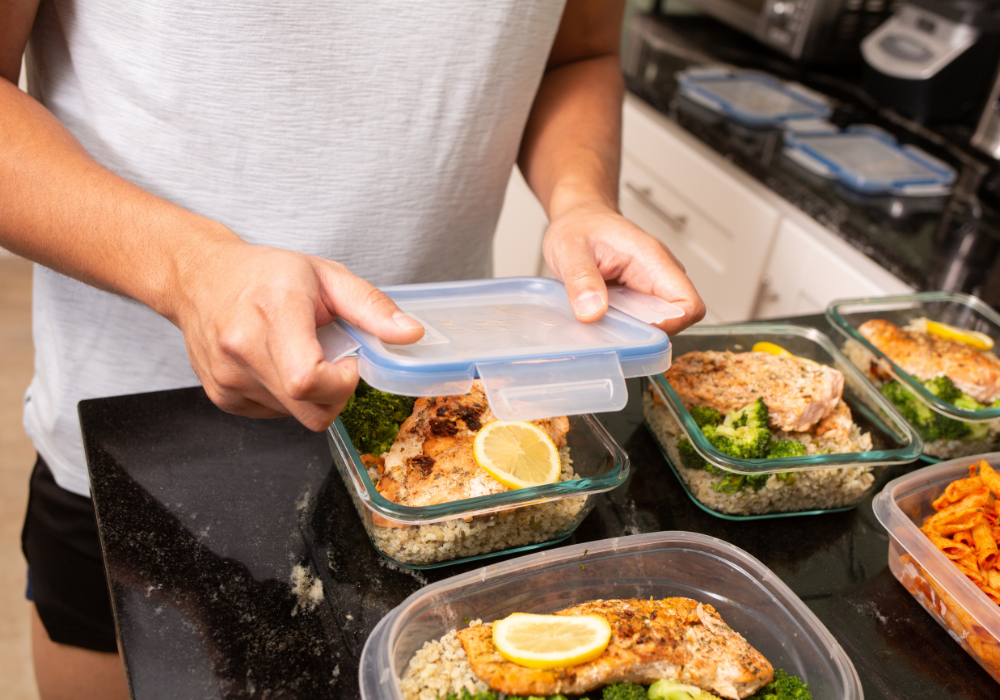
Paper towels, plastic wrap, sandwich bags, disposable plates—convenient? Totally. Sustainable? Not even close. You don’t have to overhaul your entire kitchen overnight, but swapping in a few reusable items makes a big difference.
Cloth towels instead of paper, silicone lids instead of plastic wrap, beeswax wraps, reusable containers, and even glass jars all cut down on waste fast. Plus, once you’ve got them, you’re not constantly buying replacements. It’s a one-time shift that adds up.
And it doesn’t make your kitchen feel weird or crunchy—it actually feels smarter. It’s about making your space work for you and the planet. Keep convenience, lose the disposability. Once you make the switch, you’ll wonder why you didn’t do it sooner.
11. You’re ignoring how much energy your kitchen appliances are wasting.

That old fridge humming in the garage? It could be draining way more electricity than you think. Kitchen appliances, especially older ones, can be sneaky energy hogs. And while no one’s asking you to go buy a brand-new set, it’s worth being strategic.
Unplug devices you don’t use often (like that smoothie blender or electric can opener). Use toaster ovens or air fryers for smaller meals instead of heating a giant oven. And if you do need to replace something, look for Energy Star appliances—they really do make a difference long term.
Small habits like keeping fridge coils clean and lids on pots while cooking also reduce energy use. A sustainable kitchen isn’t just about food—it’s about everything that powers it.