
New satellite data shows why seasons no longer arrive the same way everywhere, and even nearby places feel it differently.
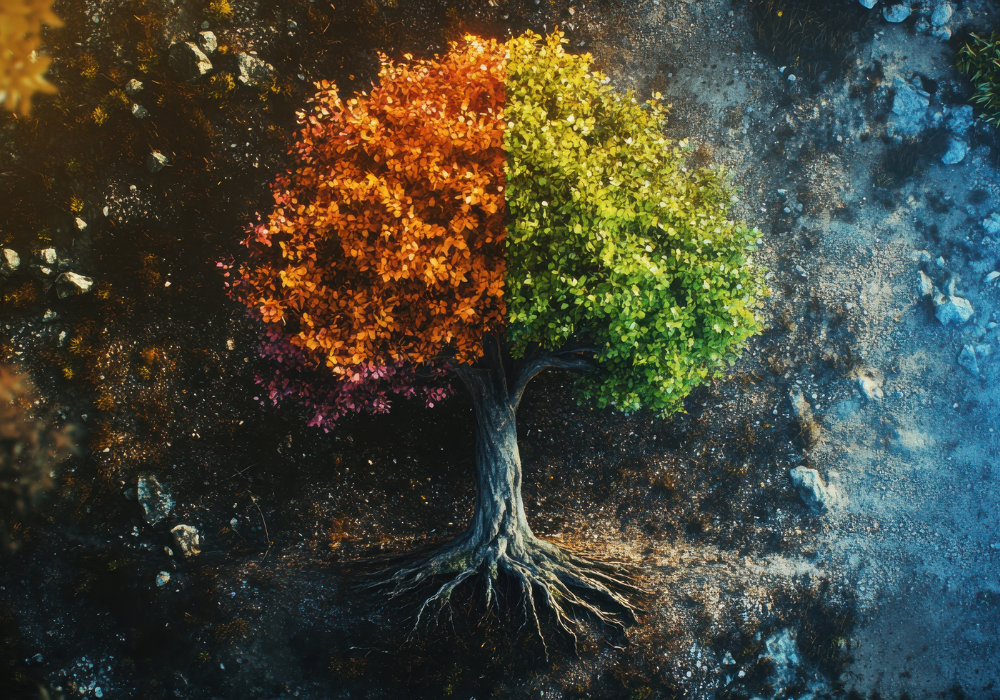
For most of our lives, seasons have felt steady and predictable. Spring warms things up, summer follows, and nature seems to move along a shared calendar we can plan around. But on July 30, scientists analyzing satellite data reported something unexpected:
Earth’s seasons are no longer lining up the way we assume they do. The research was a collaboration between scientists at the University of California, Berkeley and the Commonwealth Scientific and Industrial Research Organisation (CSIRO) in Australia.
Using long-term satellite observations that track how vegetation responds to temperature, sunlight, and moisture, the team found that seasonal changes are increasingly out of sync across different regions, sometimes even within the same country. Instead of a single, shared seasonal rhythm, many places now follow their own timelines.
Click through to learn how they influence weather patterns, wildfire risk, ecosystem health and more.
How Scientists Discovered Earth’s Seasons Are Drifting
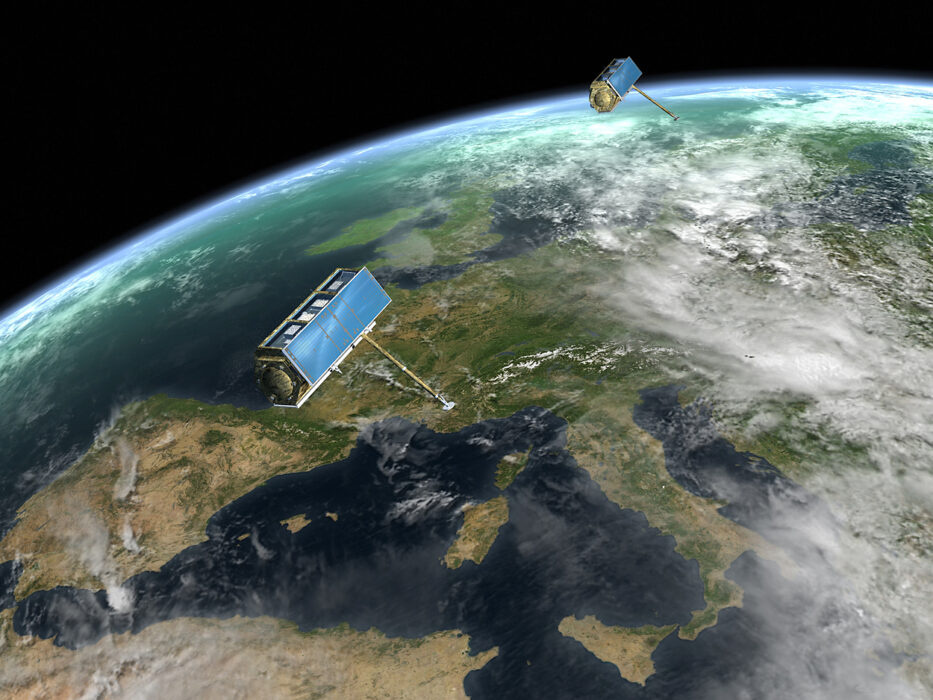
Using long-term satellite data, researchers tracked how vegetation responds to seasonal changes across the globe. Instead of one shared rhythm, they found that different regions follow different seasonal timelines. Some areas transition early, others late, and many don’t align with nearby locations, challenging the idea of a single global seasonal clock.
Follow us and access great exclusive content every day
Why Plants No Longer Follow the Calendar

Plants respond to temperature, sunlight, and moisture, not months on a calendar. As climate conditions shift unevenly, those signals arrive at different times depending on location. This causes plants to leaf out earlier, delay growth, or shut down sooner, affecting gardens, farms, pollen levels, and how landscapes look year to year.
What Seasonal Mismatch Looks Like in Everyday Life
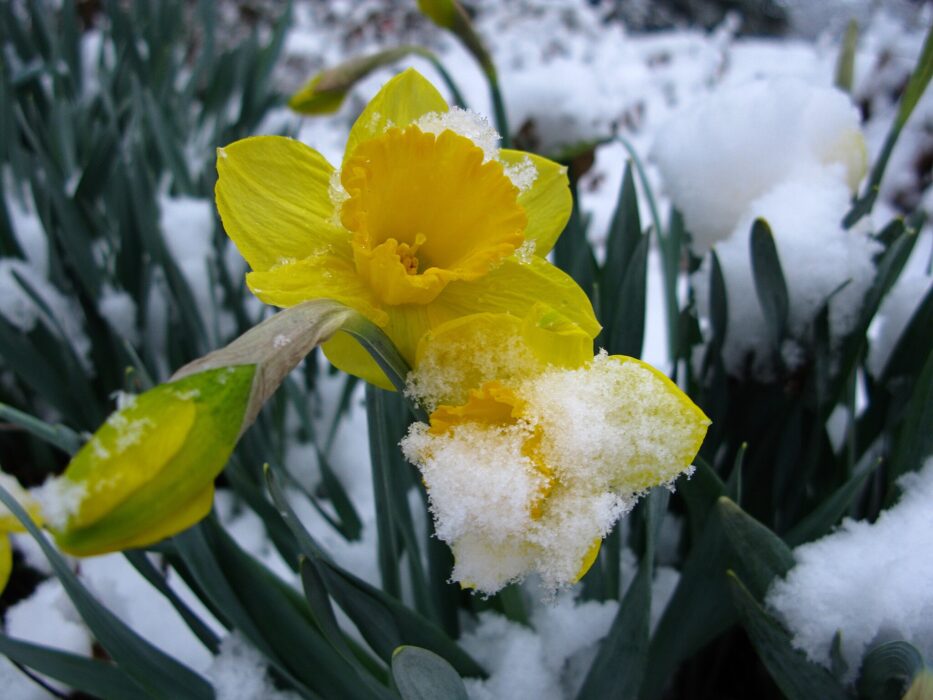
Seasonal drift often shows up subtly. One town may feel like early spring while a nearby area still feels stuck in winter. Trees may bloom early while grasses lag behind. These small differences influence local temperatures, rainfall patterns, and the timing of insects and wildlife people notice around their homes.
Follow us and access great exclusive content every day
How Geography Makes Seasonal Timing Uneven

Mountains, coastlines, cities, and land use all affect how regions respond to climate signals. Urban areas tend to warm faster, while forests and higher elevations change more slowly. Satellite data reveals sharp contrasts over short distances, helping explain why seasonal weather can vary dramatically from one neighborhood to the next.
Why Seasonal Drift Is Changing Weather Patterns
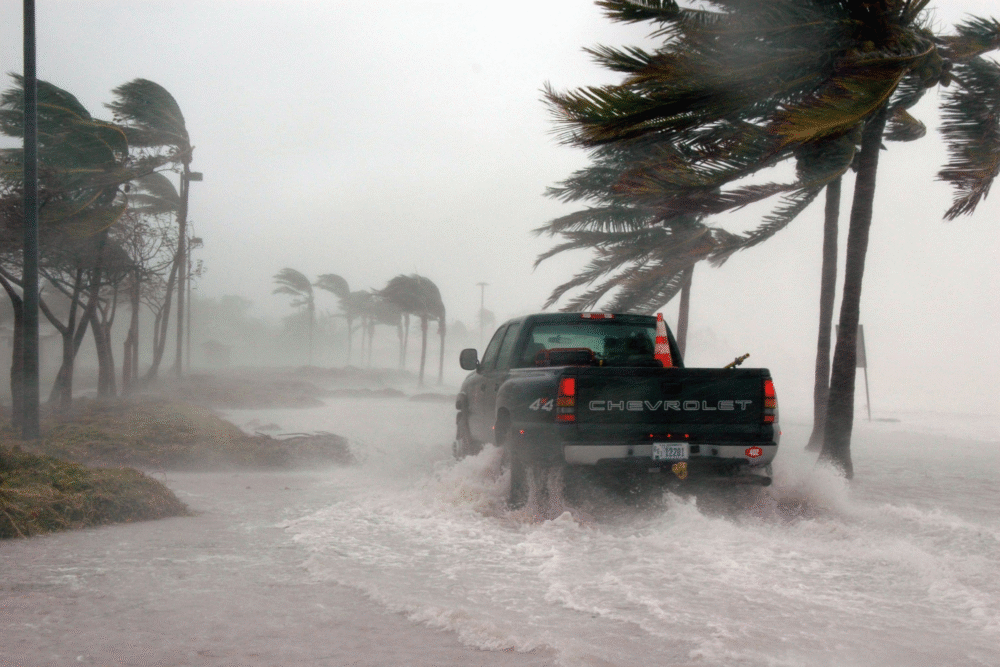
When seasons lose synchronization, familiar weather patterns can break down. Earlier plant growth changes how heat is absorbed at the surface, while delayed seasonal shifts can prolong drought or intensify heat waves.
Over time, these mismatches contribute to weather extremes that feel poorly timed or harder to anticipate. Seasonal drift also affects how air moves and moisture builds, subtly reshaping storm patterns.
That’s one reason weather can feel less predictable even when forecasts are accurate. For everyday life, this means planning around fixed seasonal expectations is becoming less reliable, and paying attention to local conditions matters more.
How Farming and Food Systems Feel the Impact

Farmers depend on seasonal cues to decide when to plant, irrigate, and harvest. As seasonal timing shifts unevenly, traditional schedules don’t always work. Crops may sprout too early and face frost, or heat may arrive before roots fully develop.
Even backyard gardeners notice planting guides feel less dependable. This shift can also affect food availability and prices over time. When regions experience mismatched growing conditions, yields can vary more from year to year.
For consumers, that can mean changing produce seasons and occasional price swings tied to unpredictable weather.
Follow us and access great exclusive content every day
Why Allergy Seasons Feel Longer and Harder to Predict

As plant growth shifts, pollen seasons shift too. Earlier springs and delayed fall transitions can stretch allergy seasons or trigger sudden spikes. Many people already notice symptoms starting sooner or lasting longer, and seasonal mismatch helps explain why allergies feel increasingly unpredictable.
What Seasonal Drift Means for Wildlife

Animals rely on seasonal signals to migrate, breed, and find food. When plants and insects change timing, wildlife can arrive too early or too late. These mismatches can reduce food availability and disrupt ecosystems, gradually reshaping local wildlife patterns people may notice over time.
Why Satellites Are Essential to Seeing the Change

Ground observations can miss regional patterns, but satellites offer a global view over decades. By tracking seasonal changes from space, scientists can detect subtle shifts that aren’t obvious on the ground. This long-term perspective helps separate lasting trends from short-term weather events.
Follow us and access great exclusive content every day
How to Adapt as Seasons Become Less Predictable

As seasonal timing becomes more local and less calendar-based, flexibility becomes essential. Watching local forecasts, soil temperatures, and natural cues can be more useful than relying on fixed seasonal dates. Whether planning travel, gardening, or outdoor activities, adjusting to real conditions can reduce surprises.
Why Seasons Still Exist, Just Not on One Schedule

Earth hasn’t lost its seasons, but it no longer runs on a single global clock. Each region now follows its own rhythm shaped by climate, geography, and human influence. Understanding this shift helps explain strange weather patterns and highlights why adapting locally is becoming part of everyday life.