
Long-term changes in Earth’s tilt and orbit are aligning with patterns that preceded past ice ages.
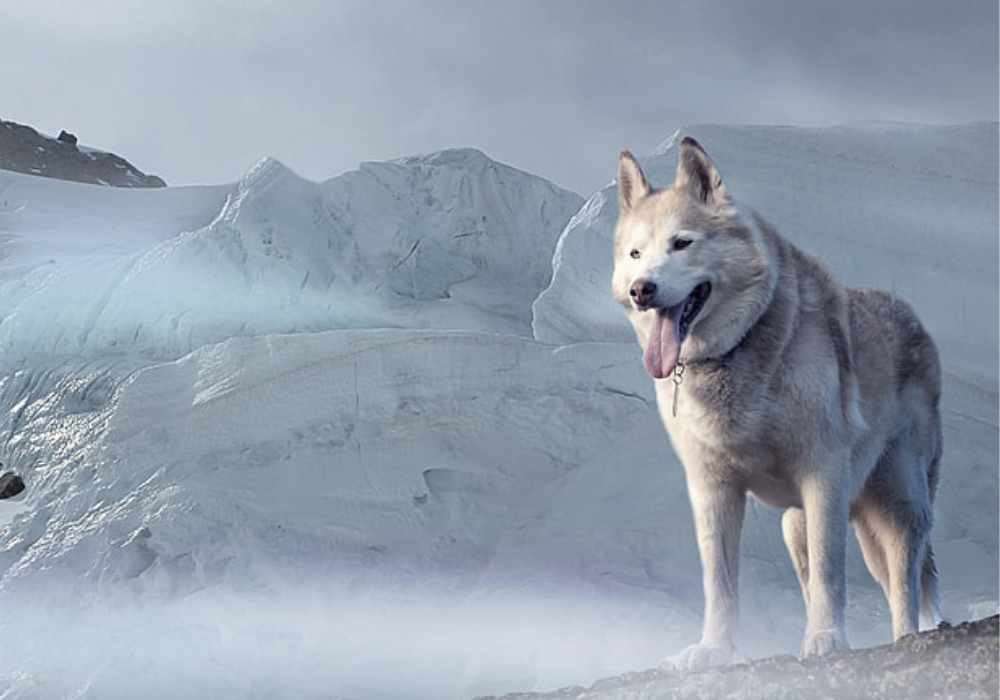
Scientists studying Earth’s orbital cycles say the planet is slowly entering a new phase of its long-term Milankovitch cycles—natural variations in tilt, wobble, and orbit that have triggered past ice ages. Current data show Earth’s axial tilt is gradually decreasing, a shift that historically reduces summer sunlight in the far north and can support the growth of ice sheets over tens of thousands of years. Experts stress this process is extremely slow, and human-driven warming currently outweighs any natural cooling trend.
1. Earth’s Axial Tilt Is Slowly Decreasing
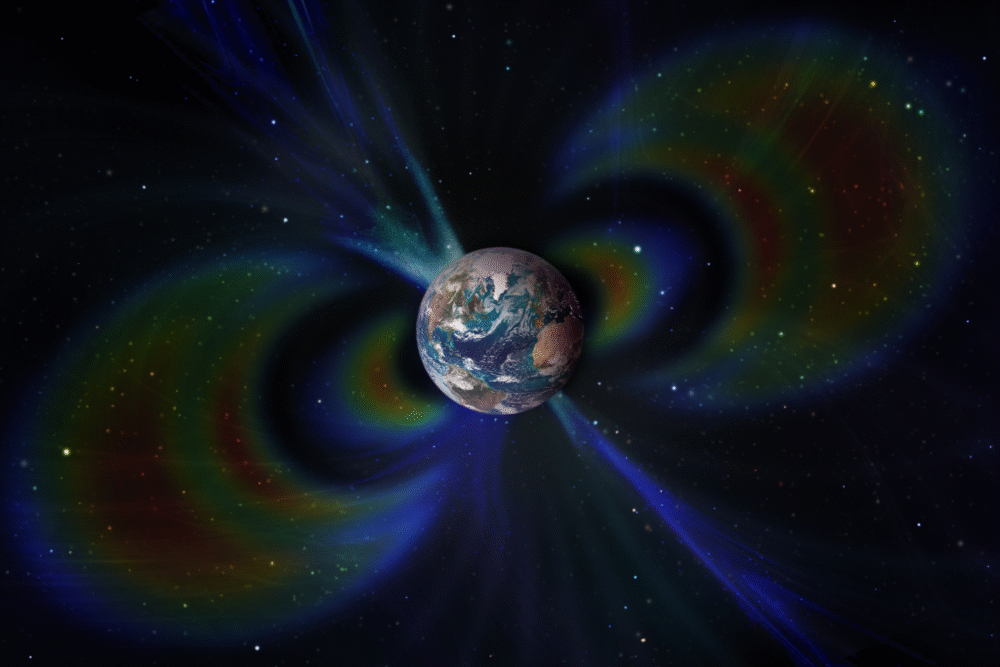
Earth’s axial tilt—currently about 23.44 degrees—is gradually decreasing in a predictable 41,000-year cycle. NASA scientists confirm that smaller tilt angles reduce summer sunlight in the Northern Hemisphere, which historically supported the long-term buildup of ice sheets. This shift doesn’t affect daily weather but plays a major role in Earth’s deep climate history.
Although the change is extremely slow, it matches the conditions present at the start of earlier ice ages. The tilt trend is one indicator scientists monitor to understand how Earth’s climate evolves over tens of thousands of years.
2. Orbital Cycles Known as Milankovitch Cycles Govern Long-Term Climate

Earth’s climate is influenced by three major orbital cycles: axial tilt, the shape of the orbit (eccentricity), and the direction of Earth’s wobble (precession). These movements alter how sunlight is distributed across the planet. Geological data show these cycles have aligned with ice ages for more than two million years.
When the cycles shift to reduce summer sunlight in northern latitudes, snow can accumulate year after year. This long-term process is one of the clearest natural mechanisms behind the onset of glacial periods in Earth’s history.
3. Northern Hemisphere Sunlight Plays a Key Role in Ice Sheet Growth
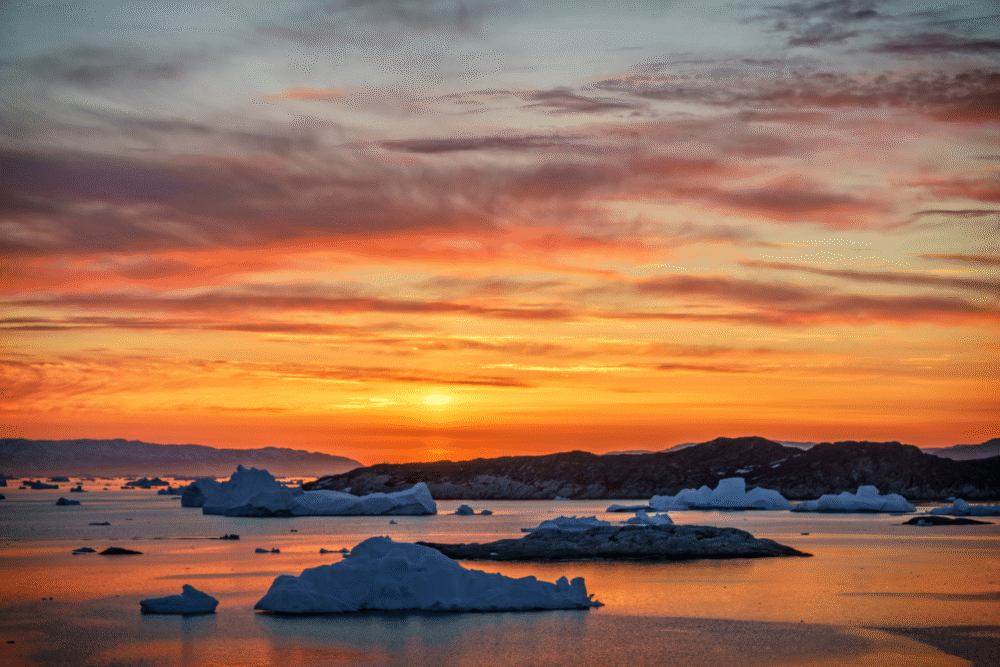
Ice ages typically begin when summers in the Northern Hemisphere receive slightly less sunlight, allowing winter snow to survive and gradually build into ice sheets. Research from paleoclimate records shows small reductions in summer solar energy can shift the planet toward long-term cooling.
Today, scientists note that Earth is slowly moving toward another low-sunlight phase. While the change is not nearly enough to affect modern climate by itself, it mirrors the astronomical patterns that appeared before previous glacial periods.
4. Geological Evidence Confirms the Link Between Tilt and Glaciation
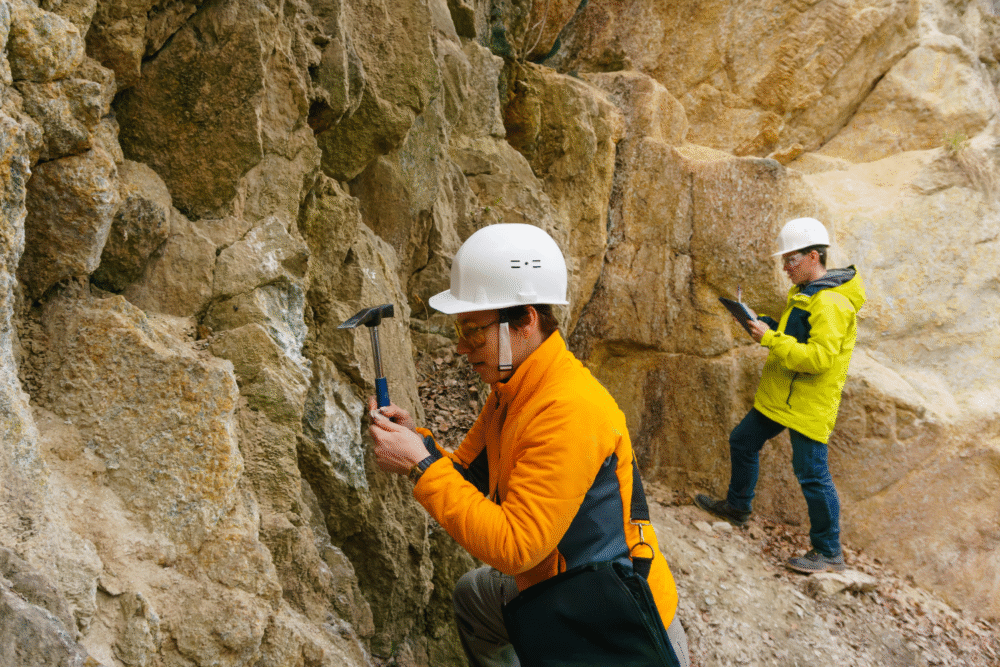
Sediment cores, ocean deposits, and ice cores all show that past ice ages began when Earth’s axial tilt was lower—similar to today’s long-term trend. These records match astronomically calculated cycles with remarkable precision, strengthening confidence in the theory.
Because these geological archives preserve hundreds of thousands of years of climate history, they allow scientists to compare past and present conditions. The alignment between tilt changes and glacial cycles is considered one of the most robust findings in climate science.
5. Human-Caused Warming Is Stronger Than Natural Cooling Cycles
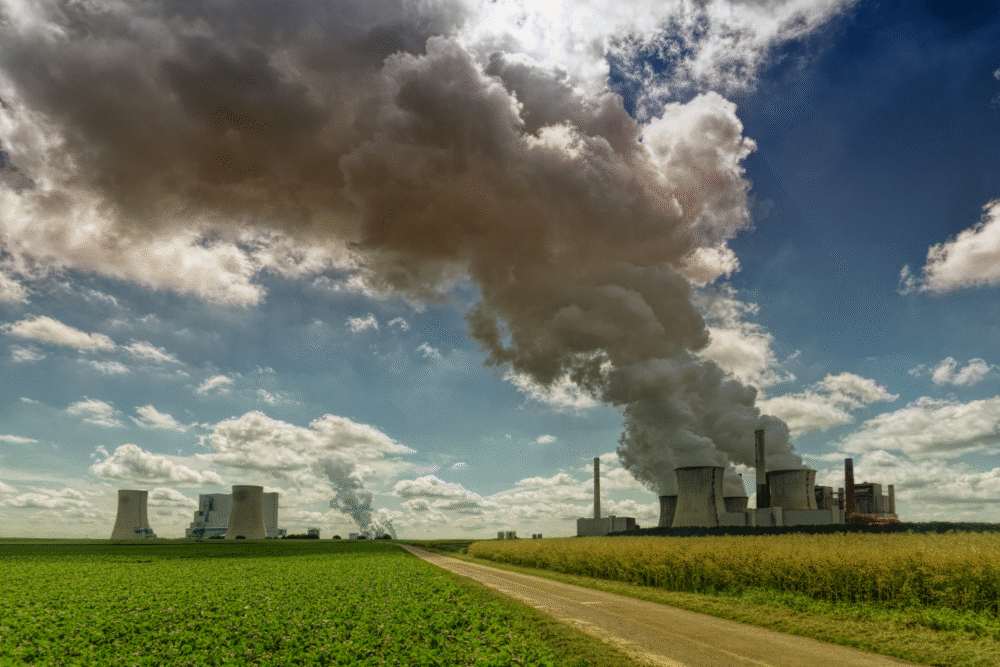
NASA and NOAA data show that rising greenhouse gas concentrations are currently warming the planet far faster than any natural cooling from orbital cycles. Even though Earth is slowly trending toward conditions that once supported ice-age cooling, modern warming is overwhelming that effect.
This means the natural tilt-driven cooling expected over thousands of years is being dramatically offset. Scientists estimate that continued emissions could delay the planet’s next ice age by tens of thousands of years or more, altering Earth’s long-term climate trajectory.
6. Ice Ages Develop Over Extremely Long Timescales

Glacial periods don’t start suddenly; they unfold over tens of thousands of years as small changes in summer sunlight accumulate. It takes centuries of snow layering and compaction before significant ice sheets begin to form. This process is slow and heavily dependent on long-term shifts in Earth’s orbit.
Because the astronomical changes happening today are still in their early stages, scientists emphasize that another ice age is not remotely imminent. The current changes simply mark the beginning of a slow natural cycle operating on geological time.
7. We Are Living in an Interglacial Era Called the Holocene

Earth has been in a warm interglacial period—the Holocene—for roughly 11,700 years. These warmer intervals occur between longer, colder glacial stages. During interglacials, ice sheets retreat, sea levels rise, and global temperatures stabilize at relatively mild levels.
Interglacials typically last between 10,000 and 30,000 years, placing today’s climate well within a normal warm phase. Without human influence, Earth might naturally begin cooling over thousands of years, but current warming trends are disrupting that long-term rhythm.
8. Ice Cores Show How Sunlight Patterns Shape Climate History

Ice cores from Greenland and Antarctica preserve trapped air bubbles and chemical signatures that reveal temperature and atmospheric changes over hundreds of thousands of years. These records show strong connections between northern summer sunlight levels and the growth or retreat of ice sheets.
Scientists use these detailed archives to compare past climate transitions with today’s orbital patterns. The data confirms that small solar shifts, amplified over long timescales, played a major role in shaping past ice ages.
9. Earth’s Axial Wobble Is Also Gradually Changing
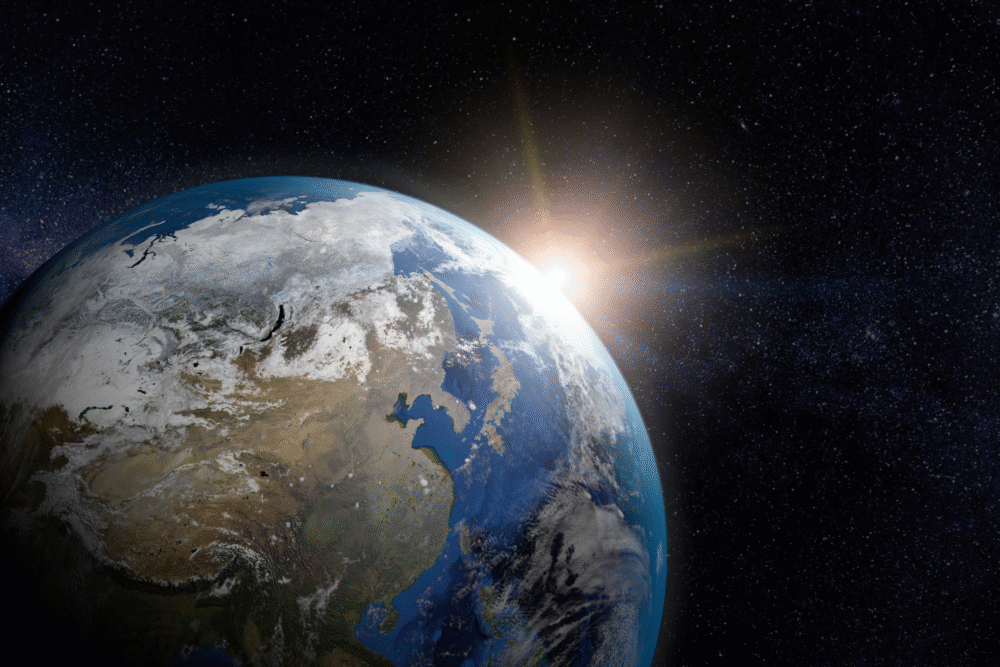
In addition to tilt, Earth experiences a slow wobble called precession, which shifts the timing of the seasons over a 26,000-year cycle. This movement changes how sunlight is distributed across hemispheres and can amplify or weaken long-term climate trends.
When decreasing tilt coincides with certain phases of precession, cooling effects can reinforce each other. Scientists monitor these alignments to understand how multiple orbital factors combine to influence Earth’s glacial cycles.
10. Orbital Models Allow Scientists to Predict Long-Term Climate Trends
Milankovitch cycle calculations follow predictable orbital mechanics, allowing researchers to map Earth’s astronomical climate influences far into the future. These models align strongly with geological records, giving scientists confidence in their long-term projections.
According to these calculations, Earth is gradually shifting toward orbital conditions favorable to ice-age cooling. However, projections also show that human-driven warming is likely to postpone or suppress this natural transition for many millennia.
11. Experts Stress That No Ice Age Is Approaching Anytime Soon
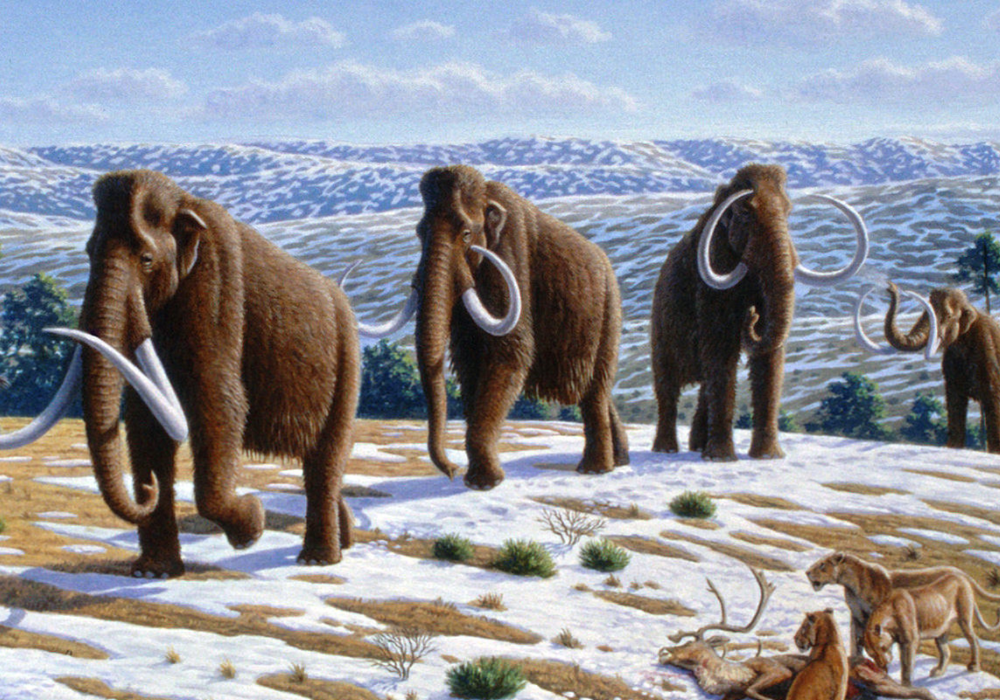
Despite the long-term orbital changes underway, scientists agree there is no sign that Earth is entering a new ice age. Current global temperatures are rising, not falling, and modern warming is far stronger than any cooling caused by changes in tilt or orbit.
The significance of today’s orbital shift is geological rather than immediate. It indicates where Earth is heading over tens of thousands of years—not what the climate will be like in the foreseeable future. For now, human-driven warming remains the dominant force shaping Earth’s climate.