
459 earthquakes deep in Earth’s mantle show quakes don’t just happen in the crust.
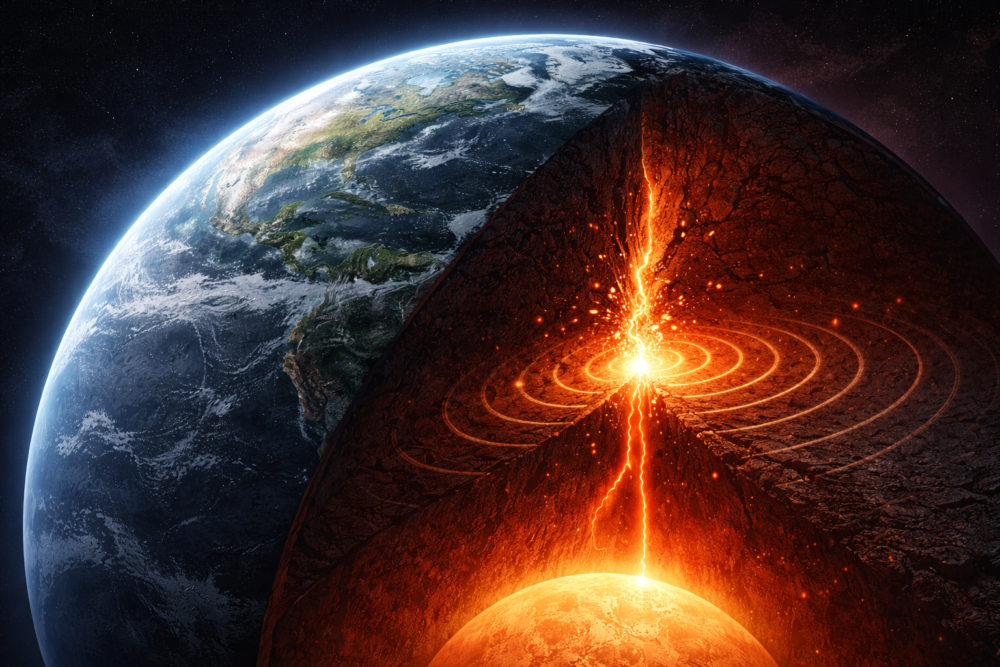
When most of us think about earthquakes, we picture cracks in the Earth’s crust. That’s where buildings shake and faults split open. The mantle, which sits below the crust, is much hotter and usually behaves more like thick taffy than brittle rock.
But scientists have now identified 459 earthquakes that didn’t start in the crust at all. They began deep in the mantle, below the boundary known as the Moho. That discovery is forcing researchers to rethink how stress builds and releases inside our planet.
1. Earthquakes aren’t supposed to happen there
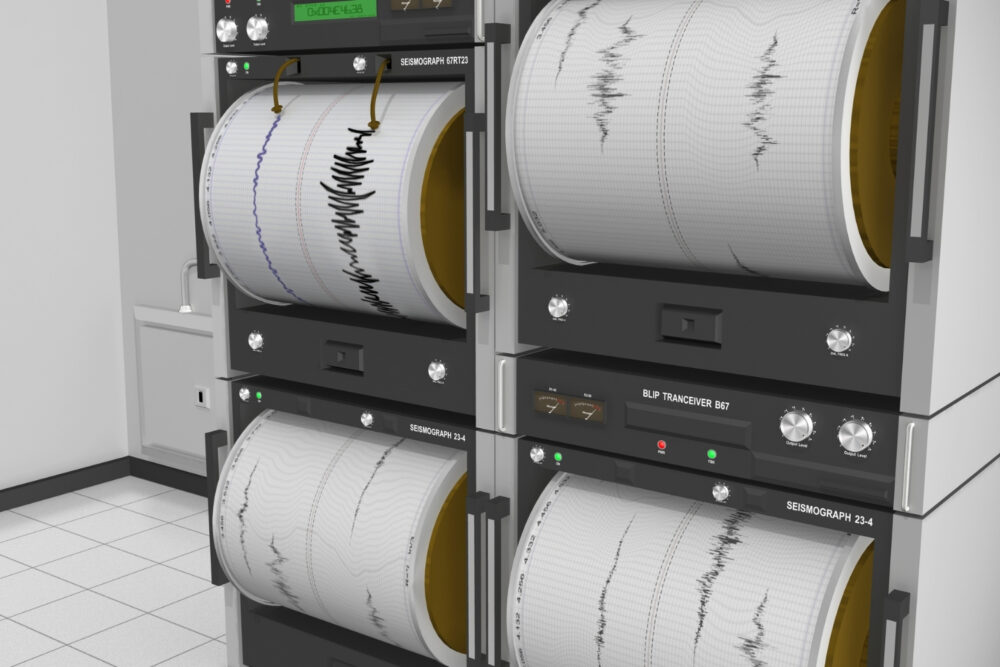
The crust is cool and brittle, which makes it easier to snap under pressure. The mantle, on the other hand, is hotter and usually bends slowly instead of breaking suddenly.
That’s why mantle earthquakes under continents were once thought to be extremely rare. Finding hundreds of them suggests parts of the upper mantle can still fracture under the right conditions.
2. The key boundary is called the Moho
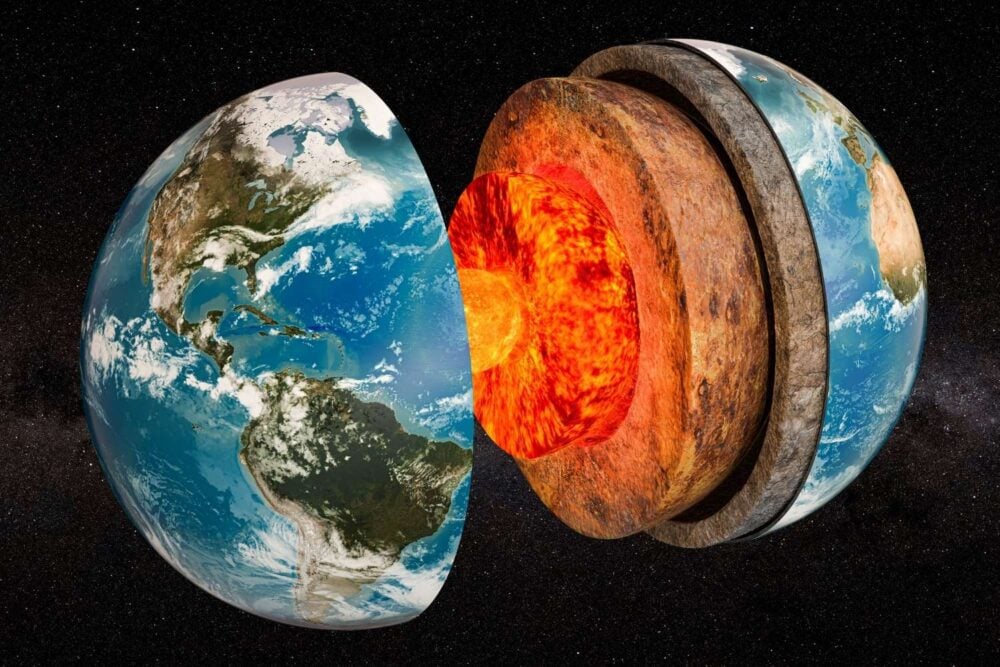
The Moho is the line that separates the crust from the mantle. It isn’t something you can see, but scientists detect it by measuring how seismic waves change speed as they travel through Earth.
To confirm these quakes came from the mantle, researchers had to show they started below that boundary. That required careful analysis of wave patterns and crust thickness in different regions.
3. Scientists used wave “fingerprints” to find them
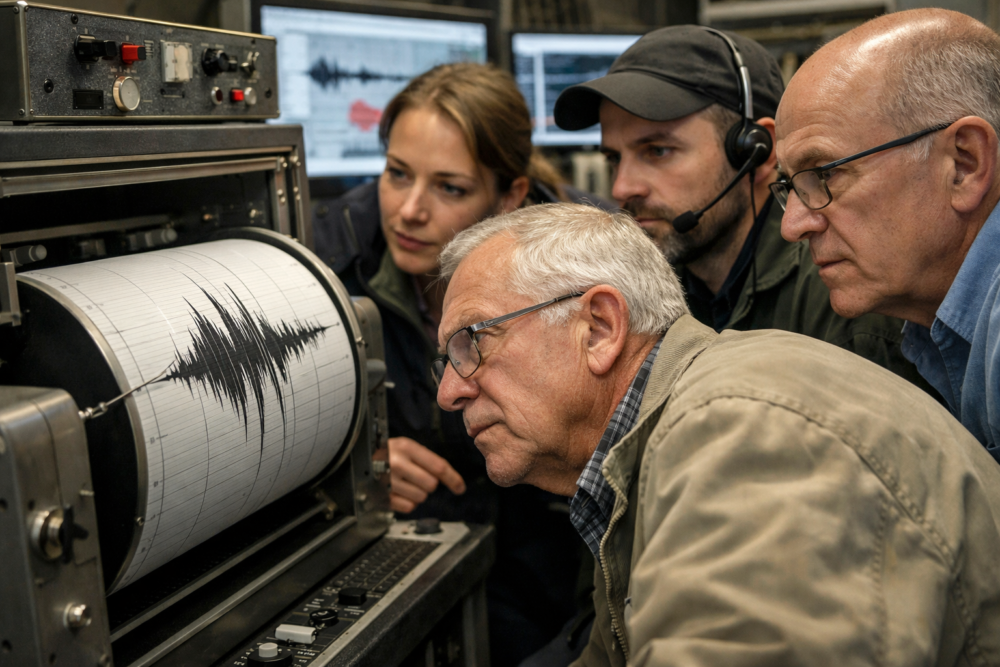
Seismic waves move differently through crust and mantle rock. By comparing the strength of certain wave types, researchers can tell where an earthquake began.
If one type of wave was stronger than expected, it suggested the quake started deeper than normal. This method allowed scientists to scan decades of data and spot mantle earthquakes around the world.
4. They searched through thousands of earthquakes
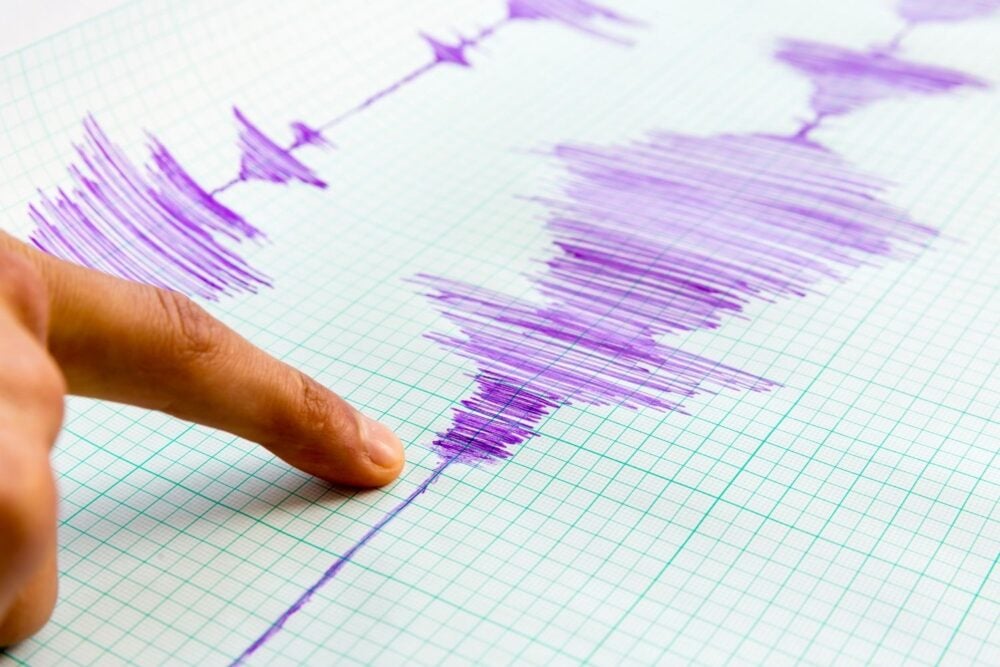
The team didn’t just look at a handful of unusual cases. They examined more than 46,000 continental earthquakes recorded since 1990.
After narrowing the list using their detection method, 459 earthquakes qualified as coming from the mantle. That’s a small fraction overall, but enough to show this isn’t just a fluke.
5. These deep quakes cluster in certain places
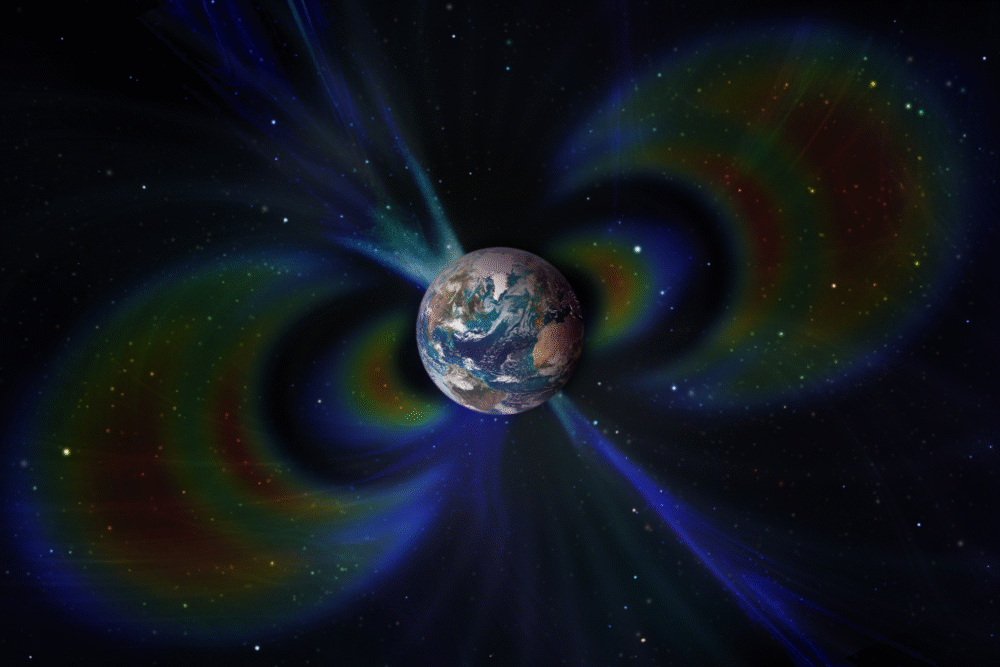
The mantle earthquakes weren’t evenly spread across the globe. Many appeared in regions with complex geology, like the Himalayas and near the Bering Strait.
These areas have thick crust and strong tectonic forces. That combination may create conditions where even mantle rock can break suddenly.
6. They usually don’t cause surface damage
The good news is that mantle earthquakes are generally too deep to cause major destruction at the surface. By the time their energy reaches cities and towns, much of it has weakened.
So this discovery doesn’t mean we’re facing new hidden threats. Instead, it gives scientists a new way to study Earth’s interior.
7. The mantle might be stronger than we thought
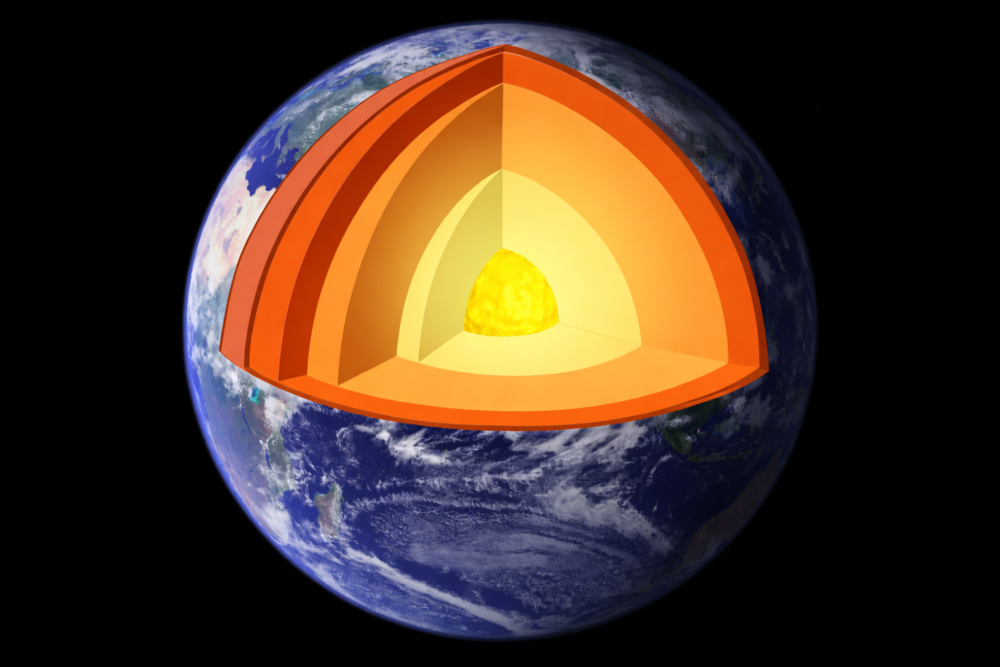
If parts of the mantle can fracture, it suggests they may be cooler or more rigid in certain regions than scientists expected.
Under enough pressure, even rock that usually flows can behave more like brittle material. That idea challenges the simple view of the mantle as always soft and slow-moving.
8. Deep and shallow quakes may be connected
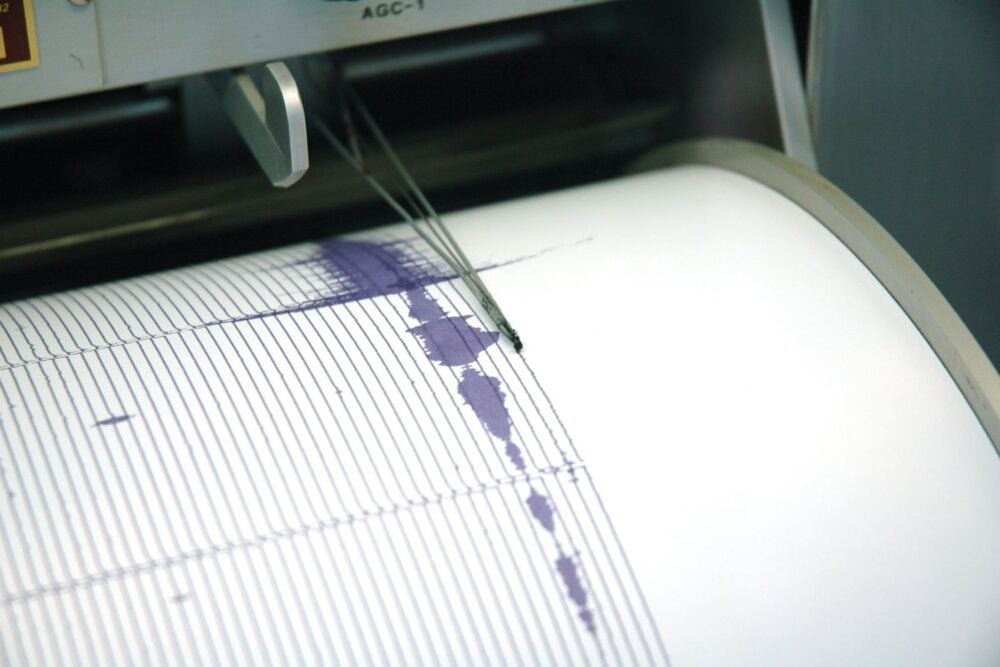
Some mantle earthquakes may be triggered by stress changes from quakes in the crust above them. When a major crustal quake happens, it shifts stress throughout the region.
That shift could sometimes trigger a rupture deeper down. If that’s true, the crust and mantle may work together more closely than we realized.
9. Better monitoring could reveal even more
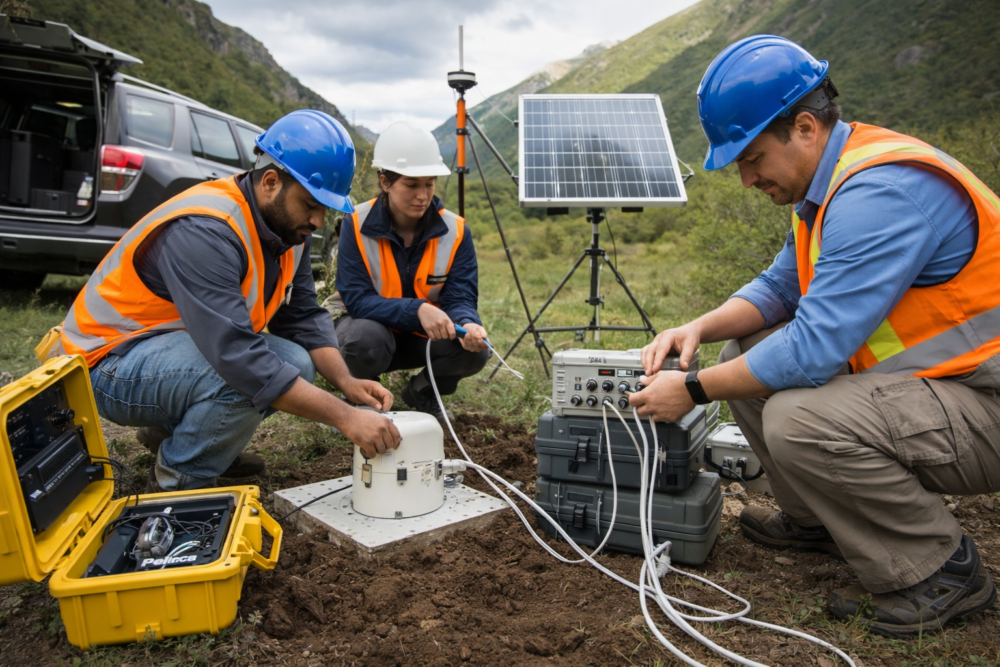
Seismic sensors aren’t evenly spaced around the world. In remote regions, smaller deep quakes might go undetected.
As monitoring networks improve, scientists may discover even more mantle earthquakes. The current count of 459 could grow over time.
10. This changes how we picture Earth’s layers
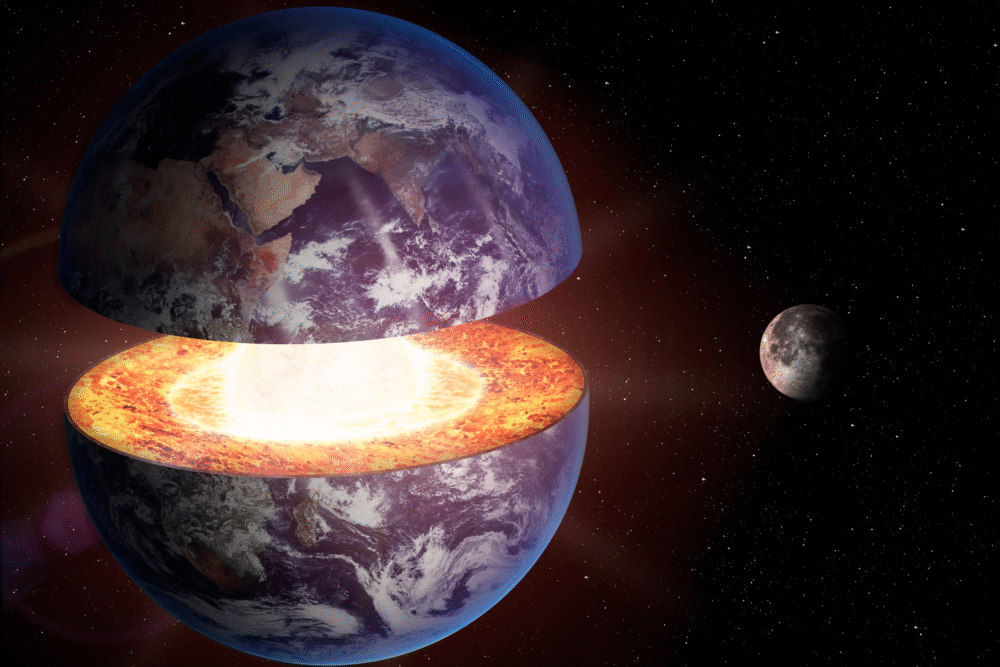
We often imagine Earth’s crust and mantle as separate systems. Crust breaks, mantle flows. That’s the simple version many of us learned in school.
These new findings show the story is more complicated. Under the right conditions, the mantle can also crack and release energy suddenly.
11. The bigger picture is about stress and structure
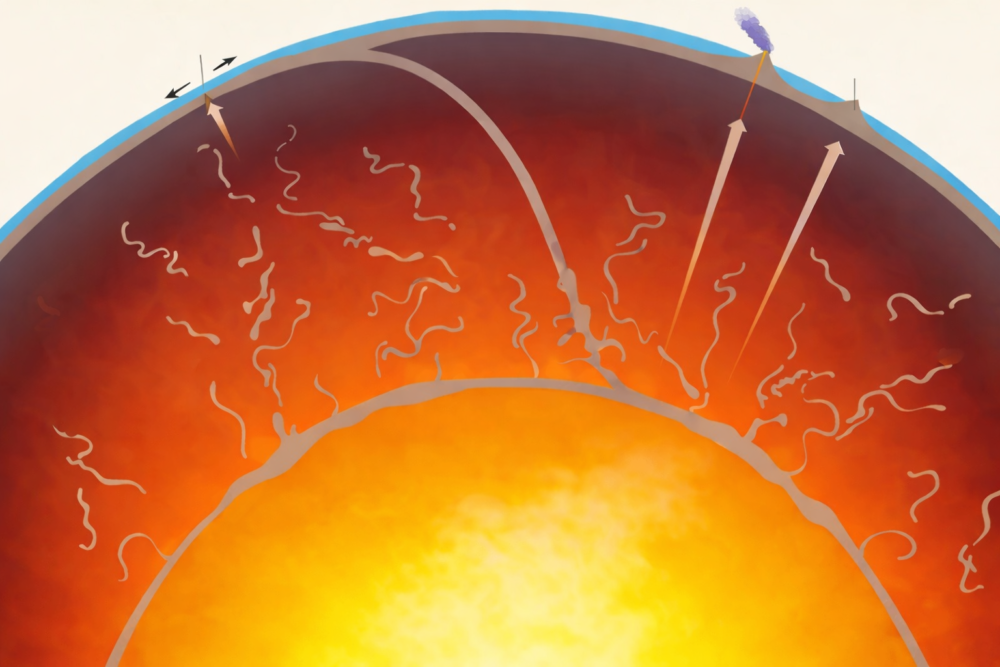
At its core, this discovery is about understanding how stress moves through Earth. The planet isn’t made of neat, isolated layers. It behaves as one connected system.
By studying mantle earthquakes, scientists get a deeper look into how continents form and how energy travels beneath our feet. Even when we can’t feel it, Earth is still shifting far below the surface.