
Climate models show Earth’s future supercontinent may bring dramatic global extremes.
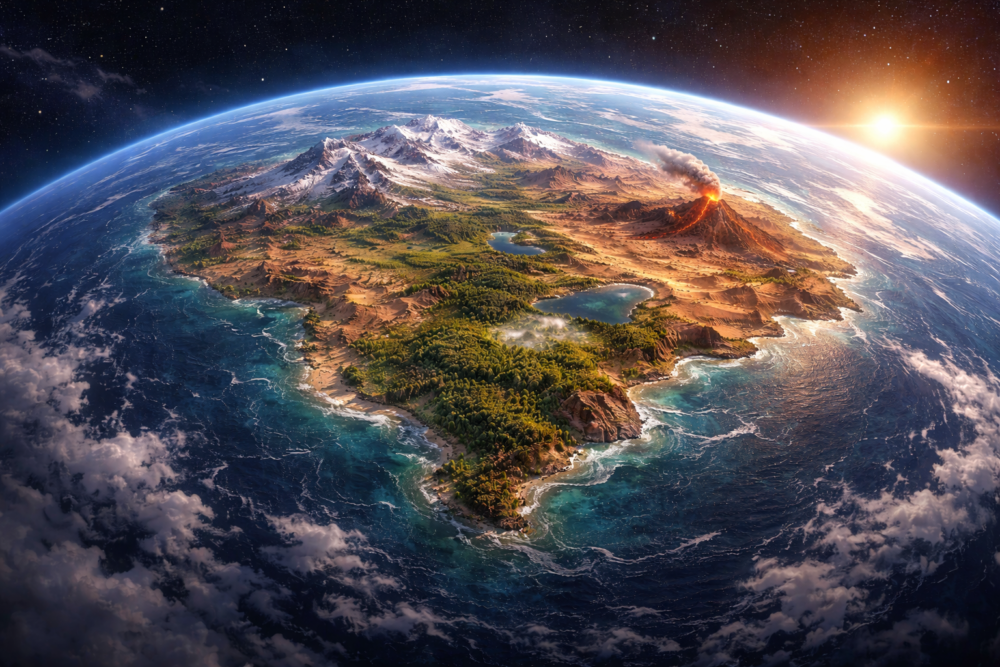
For as long as Earth has existed, its surface has been in motion. The continents we recognize today were once fused together into a single landmass called Pangaea, and geological forces are slowly steering them toward another reunion far in the future.
Scientists now use advanced climate and tectonic models to explore what that distant world might look like. Depending on how the continents merge, Earth could experience intense heat, prolonged ice ages, extreme seasonal swings, and radically altered ecosystems, reshaping the planet in ways that feel almost unrecognizable.
1. How continents drift on Earth
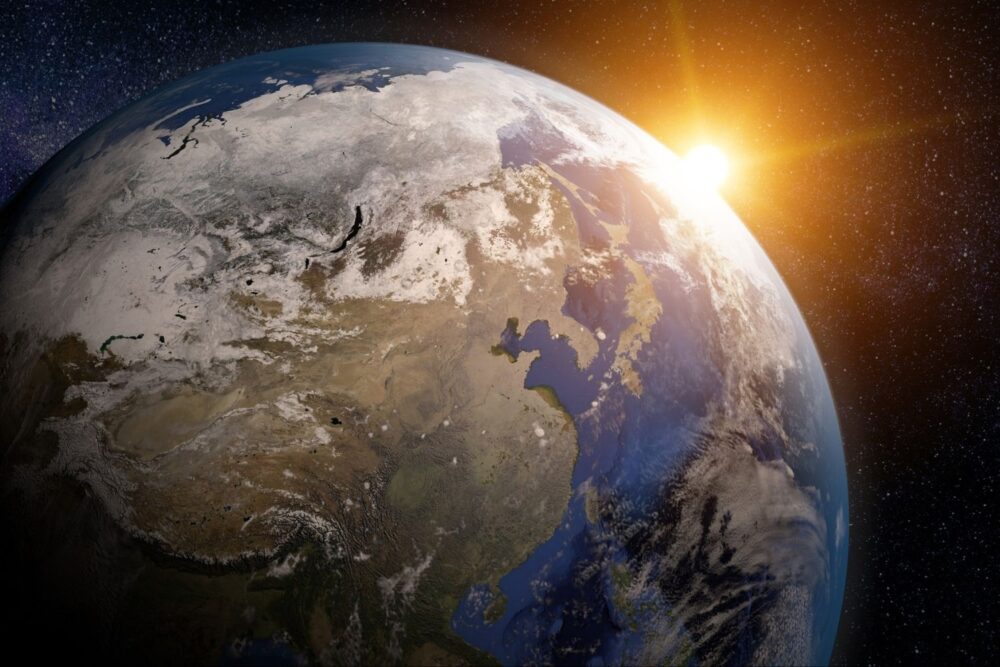
Earth’s continents rest on massive tectonic plates that slowly move across the planet’s surface, driven by heat from the mantle below. This process, known as plate tectonics, unfolds at speeds of just a few centimeters per year.
Over millions of years, these small movements add up, opening oceans, closing others, raising mountain ranges, and reshaping the planet. This same process once assembled Pangaea and will eventually bring the continents back together again.
2. What a supercontinent really means
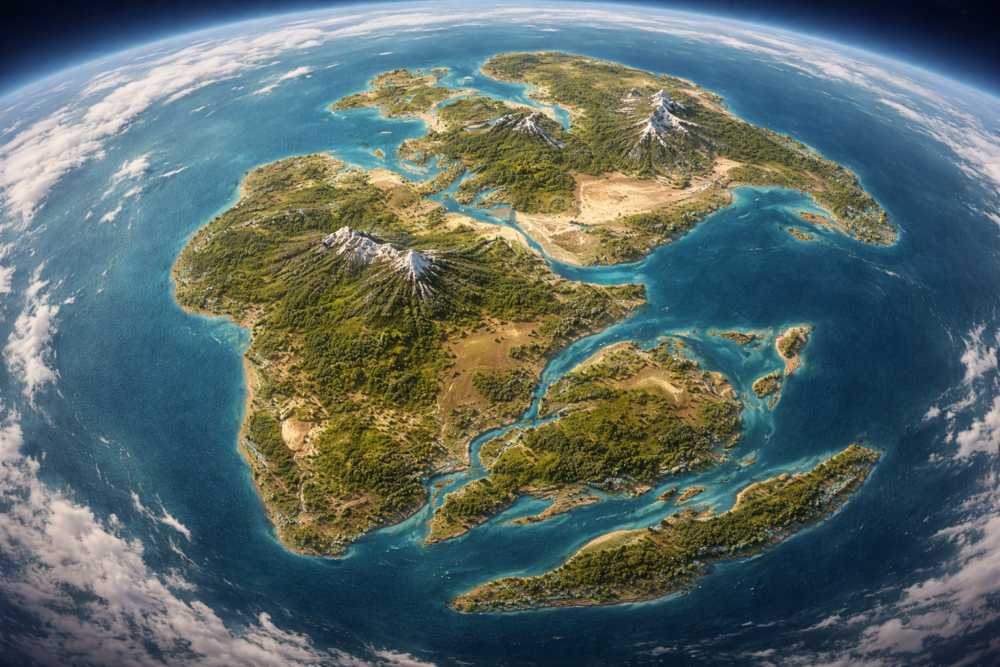
A supercontinent is a massive landmass made up of most or all of Earth’s continents joined together. Pangaea, which existed roughly 300 million years ago, is the most famous example.
When continents merge on this scale, oceans shrink, coastlines change, and interior regions become isolated from moderating marine influences. These changes have enormous consequences for climate and life.
3. One possible future configuration
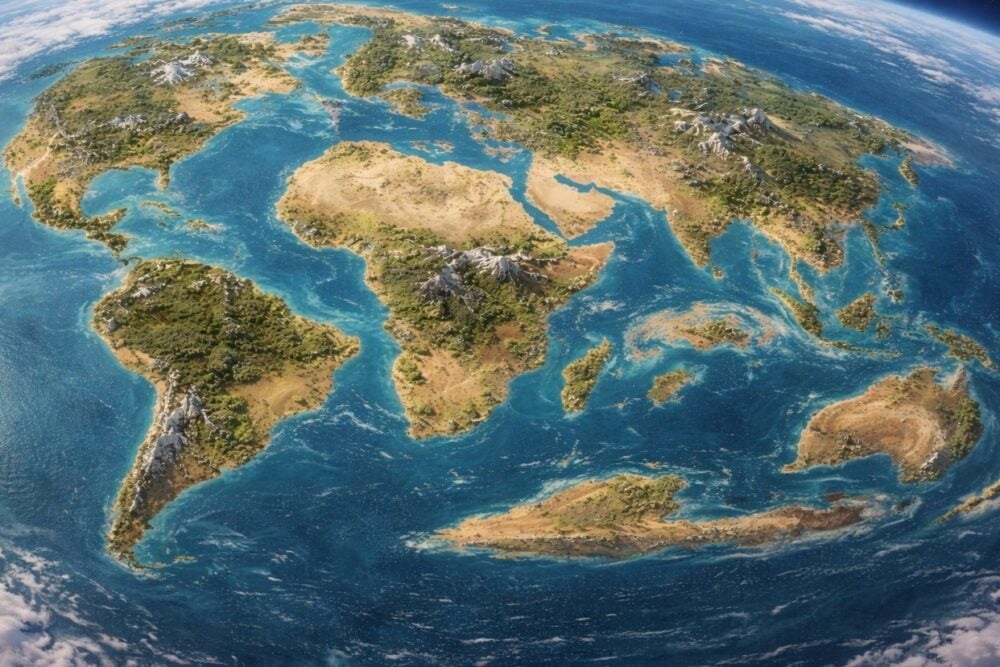
One leading scenario for Earth’s next supercontinent is often called Pangaea Proxima. In this model, the Atlantic Ocean continues to widen while the Pacific Ocean gradually closes.
As the Americas drift toward Asia, most of Earth’s land would reconnect into a single sprawling continent. The exact shape remains uncertain, but its climate effects would be profound.
4. How supercontinents reshape climate
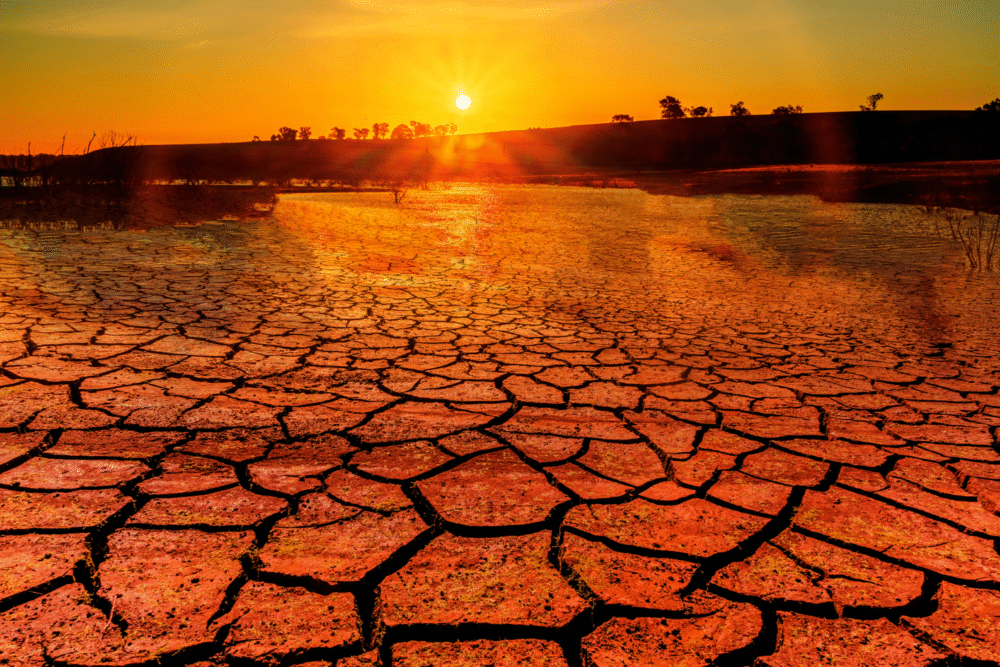
When continents cluster together, atmospheric and ocean circulation patterns shift dramatically. Vast interior regions become cut off from ocean moisture and temperature regulation.
Climate models suggest this can lead to extreme seasonal contrasts, with scorching summers and bitter winters in continental interiors, while coastal regions experience very different conditions.
5. The possibility of a future ice age

Some simulations indicate that a supercontinent could push Earth into a long-lasting ice age. Changes in ocean currents and heat transport could allow polar ice to expand significantly.
Unlike recent ice ages, which lasted tens of thousands of years, these deep-time glaciations could persist for millions of years, transforming ecosystems across much of the planet.
6. When heat becomes the dominant force

Other models predict the opposite outcome. If the supercontinent forms near the equator or alters atmospheric circulation in specific ways, Earth could experience prolonged global warmth.
In these scenarios, interior regions may become extremely hot and dry, with limited rainfall and intense heat lasting for geological timescales.
7. Sea level and weather disruptions

As continents merge, global sea levels may drop as ocean basins shrink and water is redistributed. Large areas of today’s continental shelves could be exposed as dry land.
These changes would disrupt global weather systems, shifting storm tracks, altering monsoon patterns, and reshaping rainfall across the planet.
8. Volcanism and mountain building
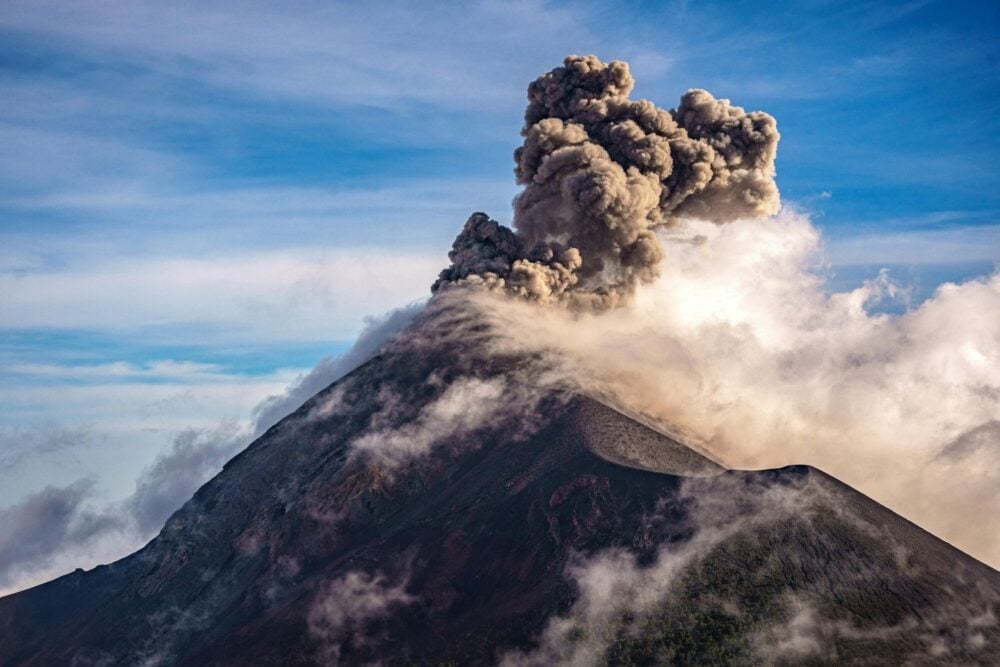
The collision of tectonic plates during supercontinent formation leads to mountain building and increased volcanic activity. These processes can release large amounts of gases into the atmosphere.
Over long periods, volcanic emissions can influence climate, either warming the planet or contributing to longer-term cooling depending on how they interact with Earth’s systems.
9. What a supercontinent means for life

Extreme climates and changing geography would place enormous pressure on ecosystems. Some species would struggle to adapt to heat, cold, or aridity, while others could evolve new survival strategies.
History shows that continental reorganizations are often linked to major evolutionary shifts. A future supercontinent could trigger widespread extinctions followed by bursts of diversification as new ecological niches emerge.
10. Why this matters even millions of years from now
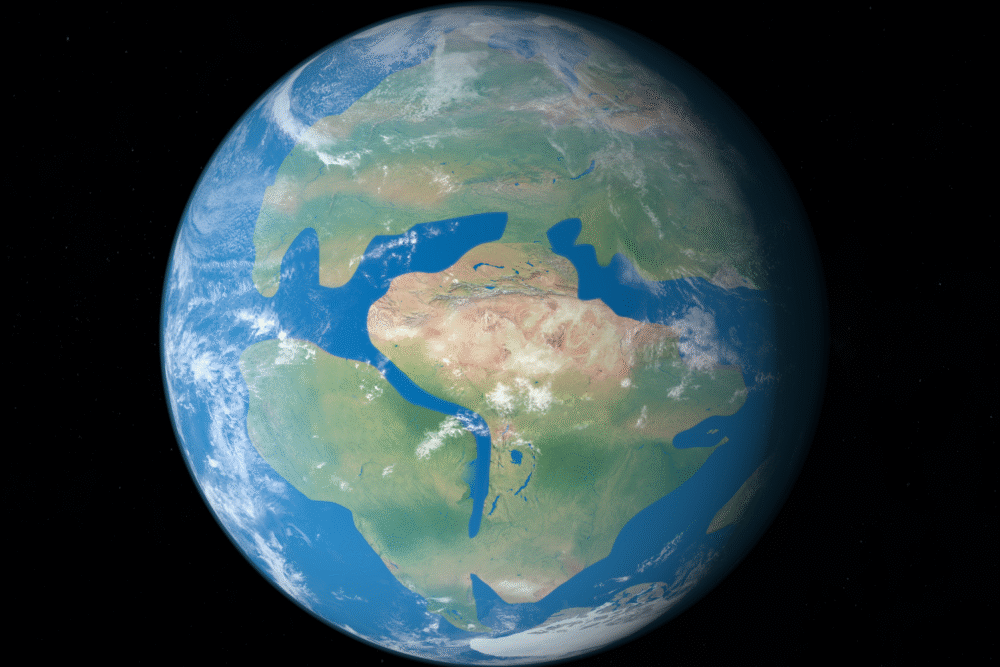
While humans will not be around to witness Earth’s next supercontinent, studying it helps scientists understand how deeply connected geology and climate really are. These long-term processes shape the boundaries within which life can exist.
By modeling Earth’s distant future, researchers gain insight into how planetary systems respond to extreme changes, offering context for understanding climate stability and vulnerability today.
11. How scientists model the deep future

Researchers use supercomputers to simulate plate movements, atmospheric circulation, and ocean dynamics over hundreds of millions of years. These models are built using evidence from Earth’s past, including ancient climates preserved in rocks and fossils.
Although uncertainties remain, the simulations reveal consistent patterns showing how continental arrangement alone can dramatically alter climate. Each model run adds clarity to how Earth’s slow geological rhythms shape its destiny.
12. A planet defined by cycles

Supercontinents are not anomalies but part of a repeating cycle that has shaped Earth for billions of years. Continents assemble, break apart, and eventually come together again.
This cycle will continue long after current landscapes vanish. In the deepest sense, Earth is a planet in constant transformation, guided by forces that work patiently over unimaginable spans of time.