
New research shows Earth has breached most of its environmental safety limits for human survival.
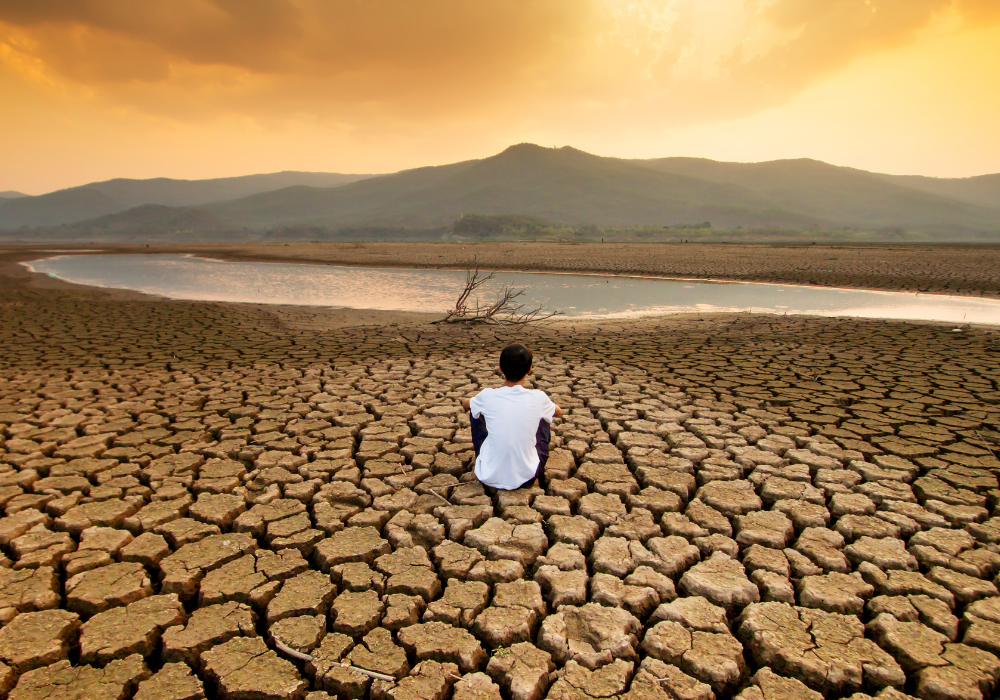
Scientists studying the planet’s “safe operating space” warn that Earth has now crossed seven of nine critical boundaries that support human life. These planetary limits—covering climate, biodiversity, land use, and water systems—define the conditions that keep Earth stable and livable.
According to recent findings, human activity has pushed many of them beyond recovery thresholds. Experts say this escalating strain threatens the long-term health of ecosystems, weather stability, and the global systems humans depend on to survive.
1. Scientists Measure Earth’s “Safe Operating Space”
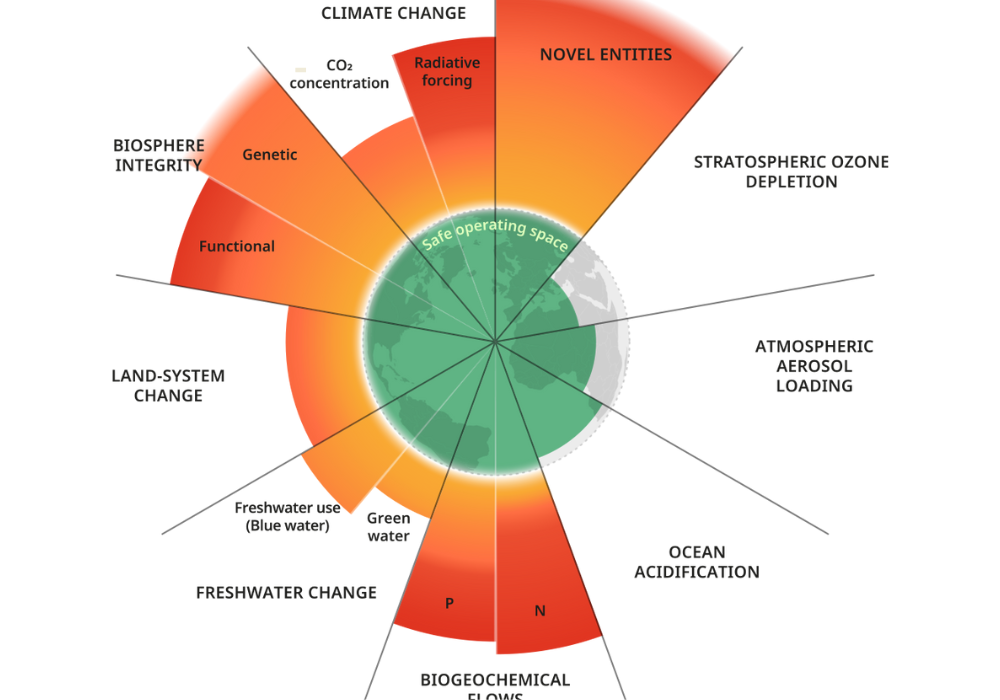
Researchers at the Stockholm Resilience Centre developed the “planetary boundaries” framework to assess how much pressure Earth’s systems can handle before becoming unstable. These nine boundaries define the environmental limits within which humans can safely thrive—covering everything from climate regulation to clean water and biodiversity.
Crossing them doesn’t mean instant catastrophe, but it does signal that critical systems are under stress. The more boundaries breached, the higher the risk of abrupt and irreversible changes that could threaten global civilization.
2. Seven of Nine Boundaries Have Already Been Breached
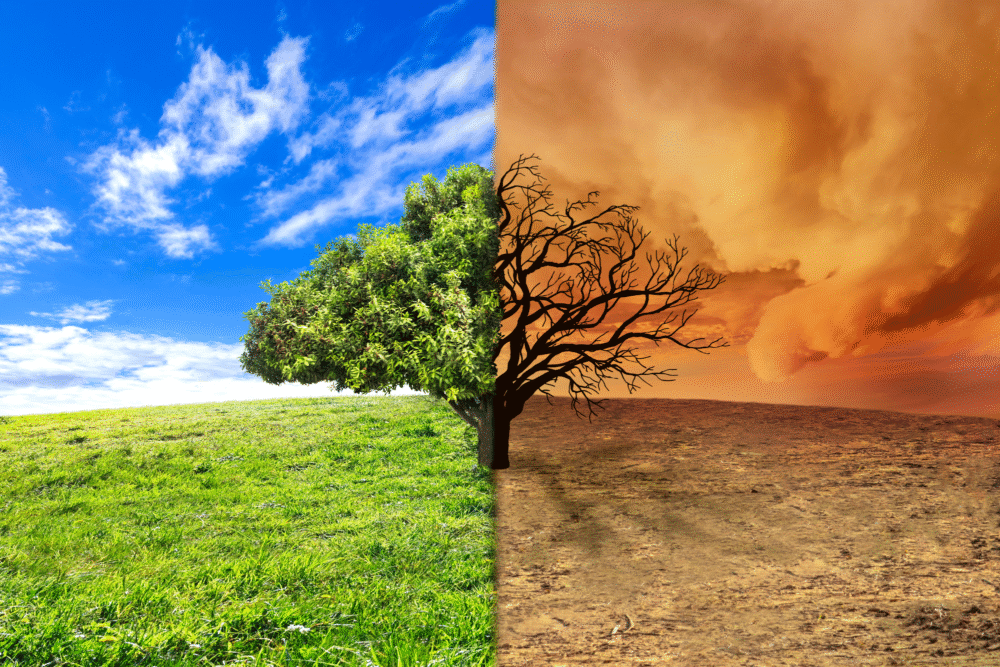
Recent studies show that Earth has now exceeded seven of its nine planetary safety limits. These include climate change, freshwater use, biodiversity loss, land-system change, pollution from nitrogen and phosphorus, chemical contamination, and ocean acidification.
Only two systems—stratospheric ozone and atmospheric aerosols—remain within safe zones. Scientists warn that if pressures continue to rise, even those last safeguards could fail, leaving humanity without any environmental “buffer” for long-term stability.
3. Climate Change Is the Most Well-Known Boundary Breach
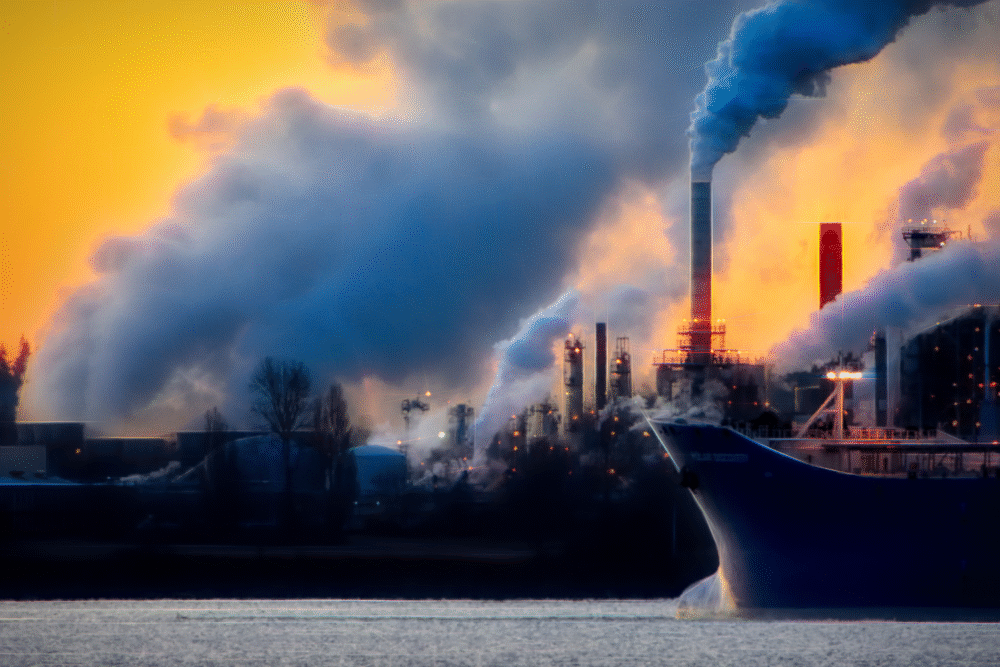
Rising greenhouse gas levels are pushing Earth’s climate beyond its safe limits. Global temperatures have already risen more than 1.2°C above preindustrial levels, intensifying wildfires, droughts, and floods worldwide.
The boundary for climate stability is estimated at about 350 parts per million of atmospheric carbon dioxide. Today, that number exceeds 420 ppm—a level not seen in millions of years. Without rapid emissions cuts, scientists warn that we risk locking in long-term and potentially irreversible warming.
4. Biodiversity Loss Has Reached a Critical Point
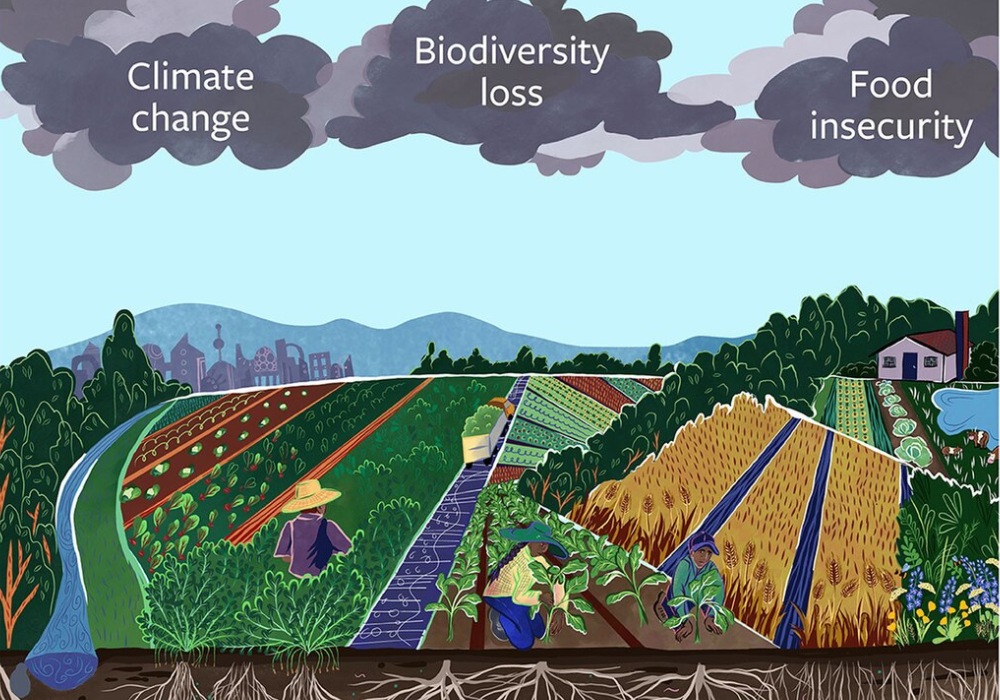
Species are disappearing at a rate estimated to be tens to hundreds of times faster than the natural background rate. This steep decline in biodiversity erodes the resilience of ecosystems that provide essential services like pollination, soil fertility, and water purification.
Scientists estimate that roughly one million species are now threatened with extinction. The loss of even a small fraction can destabilize food webs and accelerate other boundary breaches, such as land degradation and climate imbalance.
5. Deforestation and Land Use Are Reshaping the Planet
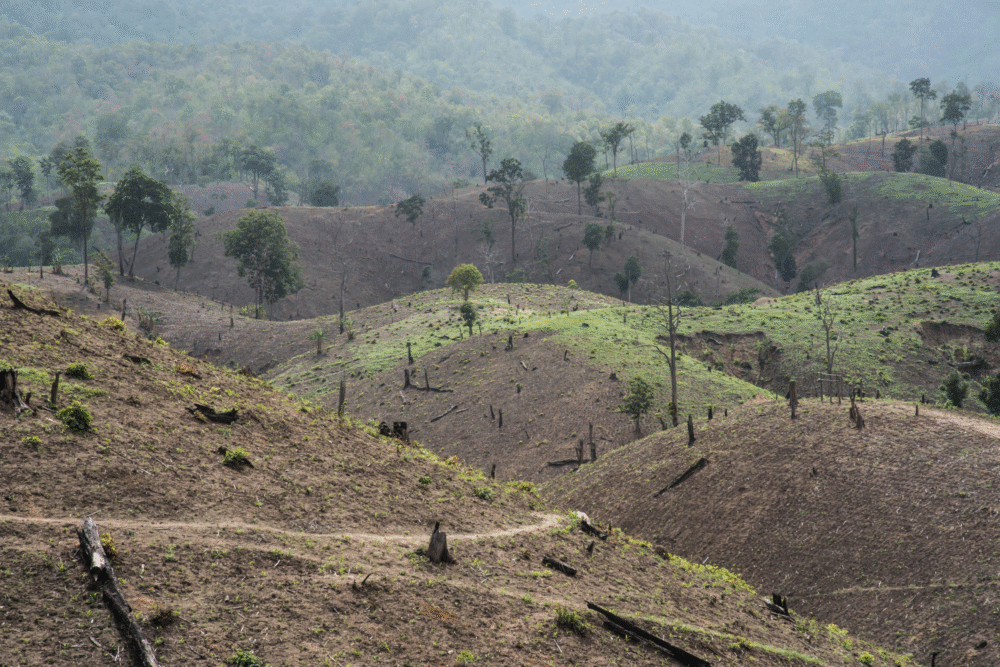
Human expansion for agriculture, mining, and urbanization has transformed more than half of Earth’s habitable land. This massive conversion disrupts natural carbon storage, accelerates soil erosion, and drives wildlife from their habitats.
The safe threshold for land use is thought to be around 75% of natural ecosystems remaining intact. Humanity has already dropped below that level, leaving the planet more vulnerable to climate extremes and biodiversity collapse. Reversing this trend would require large-scale ecosystem restoration and sustainable land management.
6. Water Systems Are Being Pushed Beyond Their Limits
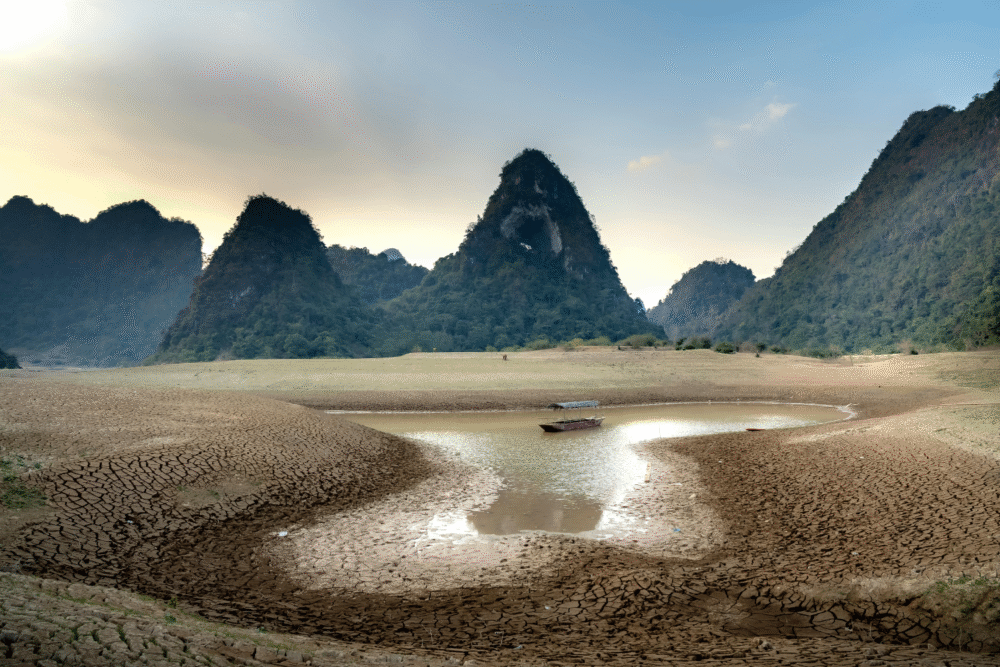
Freshwater is essential for agriculture, drinking, and sanitation, yet many of the world’s rivers and aquifers are drying up. Scientists now include both “blue water” (surface and groundwater) and “green water” (soil moisture) in assessing the freshwater boundary.
Overuse, combined with pollution, has caused widespread shortages and ecosystem decline in key regions like the Middle East, India, and parts of the U.S. West. These shortages don’t just threaten people—they disrupt plant growth and food production globally.
7. Chemical Pollution Is a Growing Global Threat

Synthetic chemicals, from plastics to pesticides and industrial compounds, are now found in every corner of the planet. Researchers call this the “novel entities” boundary—pollutants that didn’t exist in nature before human invention.
Microplastics have been detected in the air, oceans, and even human bloodstreams. Many of these substances don’t break down easily, creating long-term contamination that can affect fertility, wildlife health, and climate systems. Scientists agree this boundary has already been crossed, and regulation lags far behind production.
8. Nutrient Pollution Is Suffocating Ecosystems
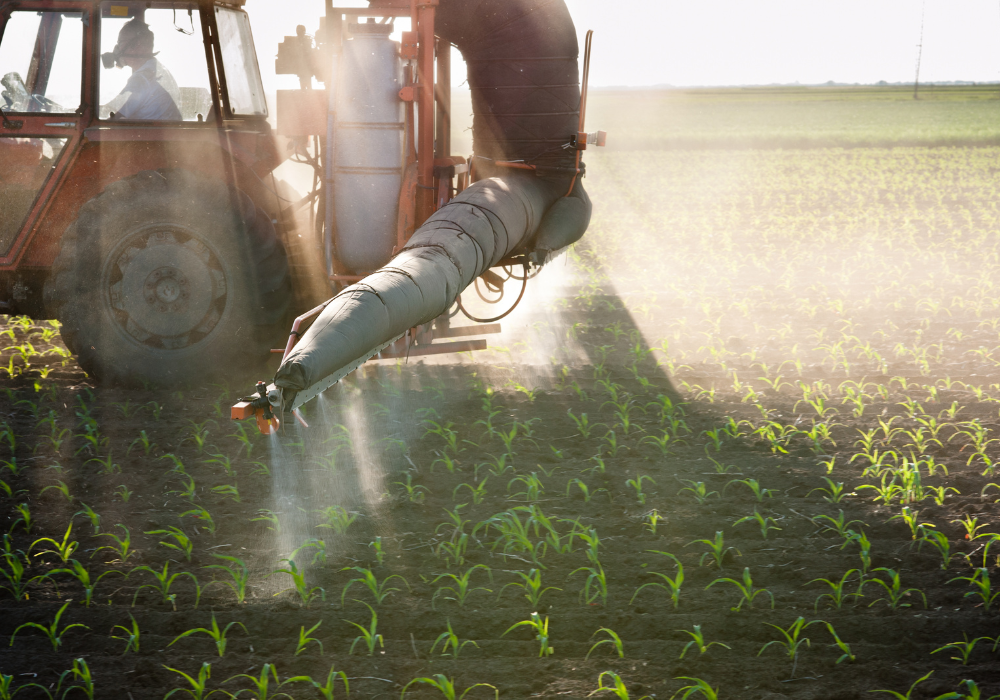
The overuse of nitrogen and phosphorus fertilizers has disrupted the global nutrient cycle. When excess nutrients wash into rivers and oceans, they create massive “dead zones” where oxygen levels drop too low to support most life.
These zones now appear in places like the Gulf of Mexico, the Baltic Sea, and parts of China’s coast. Scientists say humanity produces more than twice the safe limit of reactive nitrogen annually, leading to soil degradation, algal blooms, and collapsing fisheries.
9. Air Pollution Remains Regionally Dangerous but Globally Stable
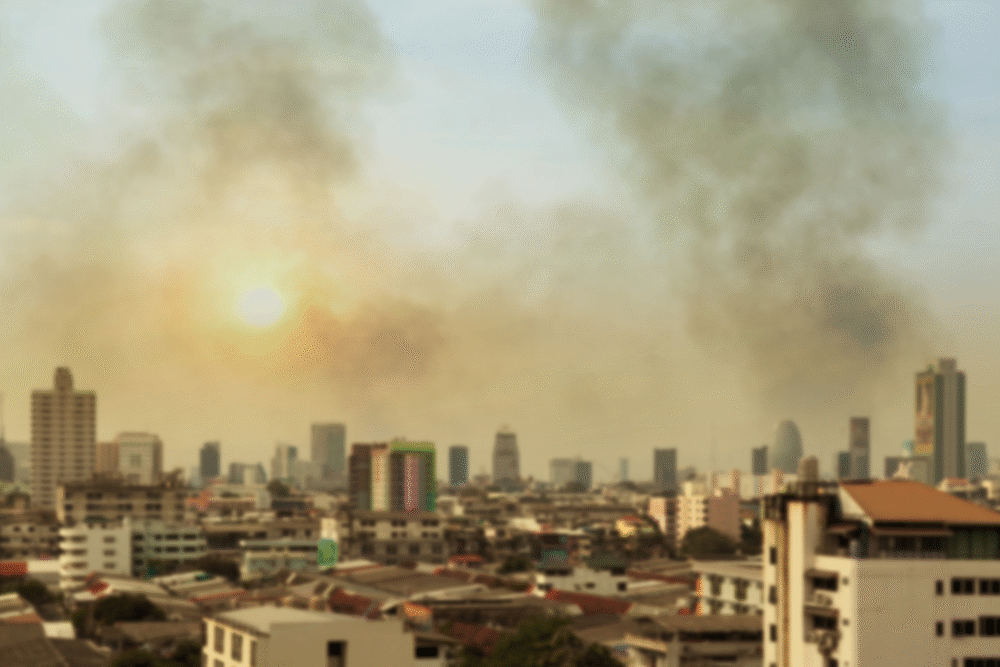
Compared to other boundaries, atmospheric aerosols—tiny particles from dust, soot, and pollution—haven’t yet crossed a global threshold. However, their regional effects can still be severe, especially in South and East Asia.
These particles influence rainfall patterns and reflect sunlight, temporarily masking some warming caused by greenhouse gases. Despite this, they pose major health risks, contributing to millions of premature deaths every year. Keeping this boundary within safe limits will require reducing fossil fuel combustion worldwide.
10. Ocean Chemistry Has Now Crossed the Safe Threshold
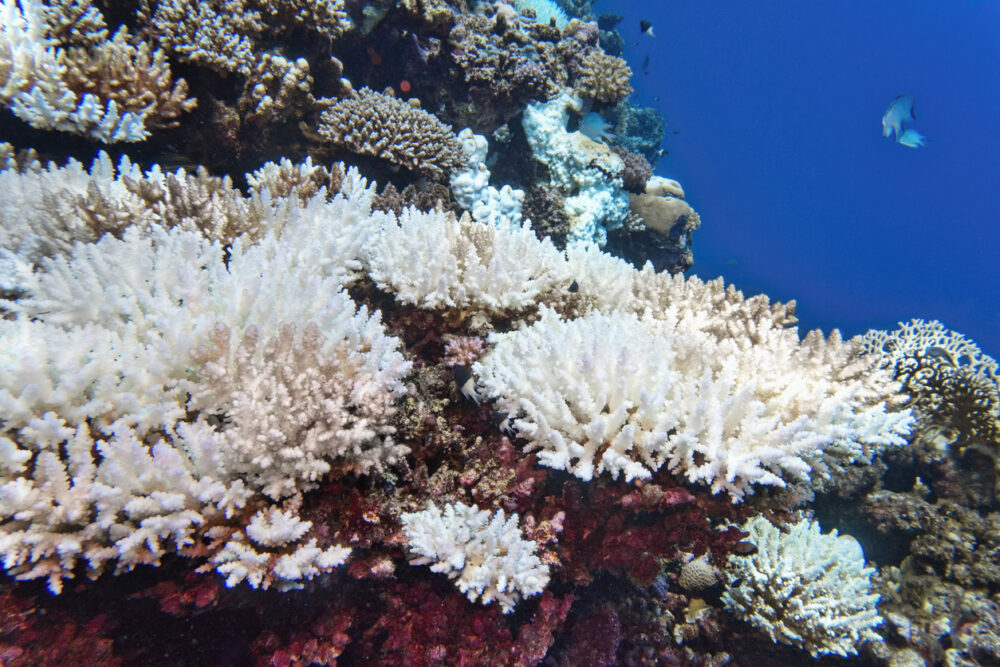
The ocean absorbs about a quarter of the carbon dioxide humans emit, but that process comes at a cost. CO₂ dissolves into seawater, forming carbonic acid that lowers ocean pH levels—a phenomenon known as ocean acidification.
Coral reefs and shell-forming organisms are especially vulnerable to this chemical shift. Scientists now confirm that this boundary has been breached globally, meaning ocean chemistry is changing faster than marine ecosystems can adapt. Continued emissions could further erode the ocean’s ability to regulate Earth’s climate and food supply.
11. Scientists Urge Rapid Global Action Before More Damage Occurs
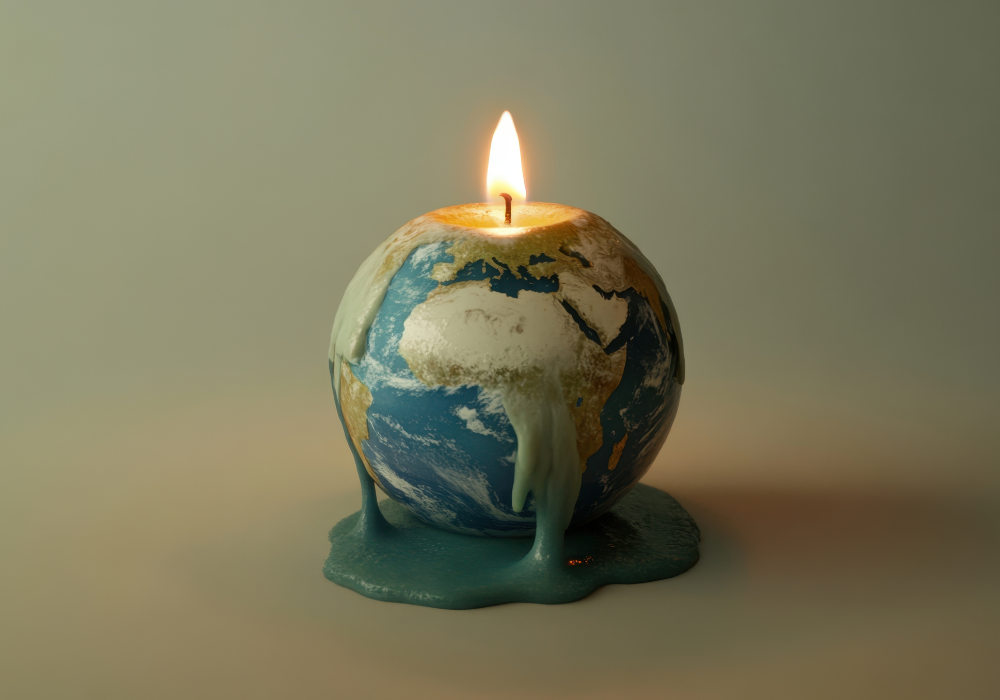
Crossing multiple boundaries doesn’t mean humanity is doomed—but it’s a warning that Earth’s life-support systems are under extreme strain. Scientists emphasize that coordinated global action can still restore balance through emission cuts, reforestation, pollution control, and smarter water and land use.
The challenge is time. Each passing decade without meaningful change increases the difficulty of reversing these trends. The boundaries research provides a clear message: protecting Earth’s stability means acting now, while recovery is still possible.